Your Tech Story

Technology

Elon Musk's bold vision of Moving a million people to Mars

Elon Musk’s Bold Vision of Moving a Million People to Mars


Elon Musk, the founder of SpaceX, has revealed a bold plan to bring one million people to Mars in order to create a human population there. Musk has always aspired to make mankind “multi-planetary” and ensure the continuation of civilization beyond Earth’s boundaries, and this grandiose project reflects this goal.

A Mission with Vision

Elon Musk's bold vision of Moving a million people to Mars

Image Source: techspot.com

Musk’s declaration, shared on social media, emphasises his unwavering dedication to interplanetary colonisation. The “single-planet Great Filter” must be overcome by civilization by guaranteeing that Mars can support life independently of Earth, he says, highlighting the planet’s significance as a possible haven.

Starship Rocket: Mars Gateway

SpaceX’s Starship rocket, billed as a breakthrough transport capable of ferrying humans to Mars with unprecedented simplicity and efficiency, is central to Musk’s Martian dreams. Musk sees Starship opening the door to a day in which interplanetary travel is as commonplace as domestic travel.

A Schedule for Settlement on Mars

Musk has long envisioned a thriving Martian colony, but new information indicates SpaceX is moving more quickly to carry out this goal over the next several years. Musk is so optimistic that he believes SpaceX can reach the Moon in five years, demonstrating the company’s dedication to expanding space exploration in many ways.

Getting Past Technical Obstacles

Musk has set an ambitious timeframe, but there are several technological obstacles in the way of Martian colonisation. The recent test flight of SpaceX’s Starship, which ended in a catastrophic crash, serves as a reminder of the difficult challenges that lay ahead. Musk, meanwhile, seems unfazed and sees obstacles as chances for improvement and creativity.

Beyond a Moon Base

Musk imagines humans colonising not just Mars but also the Moon and going farther into space. Musk’s belief in the significance of space exploration for guaranteeing the long-term survival and prosperity of mankind is reflected in this ambitious ambition.

Conclusion

Relocating a million people to Mars as part of Elon Musk’s “game plan” is a daring step towards fulfilling humanity’s destiny as a multi-planet race. Even if there are many obstacles to overcome, Musk’s unflinching perseverance and SpaceX’s innovative spirit give optimism for a day when human civilization will spread beyond Earth’s bounds.

 
The Rise of Deepfakes: Why They're Spreading and How to Stop Them

The Rise of Deepfakes: Why They’re Spreading and How to Stop Them

Deepfakes are all over the internet now; they are pictures, sounds, and videos of people in situations they never went to or speaking things they never said. These altered works of art frequently include the face of a well-known person superimposed on the body of another. Artificial intelligence has made it incredibly easy to create these misleading media, which has resulted in their widespread distribution on a variety of channels. Deepfakes have become a powerful weapon with far-reaching effects, used to deceive people and damage public persons’ reputations.

Taking On Deepfakes: Present Initiatives

The Rise of Deepfakes: Why They're Spreading and How to Stop Them

Deepfakes present a challenge to governments and regulatory agencies, who are working to reduce their spread and lessen the negative impacts they cause. The US Federal Communications Commission (FCC) has outlawed the use of artificial intelligence (AI) voices in robocalls in response to incidents like an audio deepfake that mimicked US President Joe Biden during the presidential primary in New Hampshire. Only a few states have passed legislation against deepfake pornography, due to the lack of federal statutes that directly address the issue.

The Danger to Society: Consequences and Issues

Deepfake technology has far-reaching consequences that go beyond simple media manipulation; it seriously jeopardises both human welfare and society integrity. Examples include explicit deepfake photos of Taylor Swift that have gone viral on social media, highlighting the risk of privacy violation and reputational damage. Actress Xochitl Gomez has brought attention to the prevalence of sexually explicit deepfakes that feature kids, which raises ethical and legal questions about content regulation and protecting the vulnerable.

The Development of Technology for Deepfakes

Deepfake technology has changed over time, moving from its academic roots to a broader market thanks to open-source code and generative artificial intelligence systems. What formerly required genuine vocal performances and existing video material is now simply necessary to follow basic textual directions, highlighting the skill and accessibility of modern deepfake techniques. The ease of accessibility has made it possible for digital forgeries to spread across a variety of internet channels, making it more difficult to discern between modified and genuine material.

Techniques for Detection and Prevention

Deepfake detection methods are being developed by both big giants and startups. By utilising machine learning algorithms and digital watermarking techniques, businesses such as Intel Corp. and Sensity AI are developing innovative approaches to media content identification and authentication. Although these developments present potential ways to counteract deepfakes, the continuous threat they represent calls for further investigation, cooperation, and attention to protect people from being exploited and to preserve the integrity of digital material.

To sum up, even if deepfakes are still becoming more common, governments, tech corporations, and civil society need to work together to develop policies that will effectively combat this rising threat and maintain the credibility of digital media.

TikTok Ban in Montana Blocked by Court as Free Speech Threat

TikTok Faces Intense Scrutiny and Possible Fines in the EU Over Child Safety

TikTok, the popular social media platform owned by ByteDance Ltd., is under the spotlight as the European Union gears up for an investigation into its compliance with strict new content moderation regulations, particularly concerning the safety of minors.

Concerns Over Protection of Underage Users

TikTok Ban in Montana Blocked by Court as Free Speech Threat

The European Commission is set to launch an inquiry into TikTok’s adherence to the Digital Services Act (DSA), which empowers regulators to address content-related issues on major tech platforms. Amid worries that TikTok’s recent adjustments may not adequately safeguard underage users, the EU aims to assess the platform’s measures for protecting minors from potential harm.

Stringent Penalties and Regulatory Powers

Under the DSA, tech companies face significant penalties, including fines of up to 6 percent of their annual revenue, for non-compliance with content moderation rules. Moreover, repeat offenders risk being barred from operating within the EU. This signals a robust regulatory framework aimed at ensuring the safety and well-being of users, particularly children, in the digital sphere.

The impending probe into TikTok follows the EU’s first formal investigation under the DSA, which targeted Elon Musk’s X platform over concerns related to illegal content and disinformation. With a growing focus on scrutinizing major online platforms, including Meta Platforms Inc. and Alphabet Inc., the EU underscores its commitment to enforcing accountability among tech giants.

Dialogue Between TikTok and EU Regulators

While TikTok has refrained from commenting on the investigation, it acknowledges ongoing dialogue with EU authorities. The platform has been subject to inquiries regarding its efforts to protect minors, addressing concerns regarding mental and physical health risks, and evaluating the usage patterns of children on its platform.

The EU’s scrutiny of TikTok and other major platforms signals a broader shift towards greater accountability and transparency in the tech industry. As regulators seek to mitigate risks and safeguard vulnerable user groups, such investigations set a precedent for enhanced oversight and regulation of digital platforms.

As TikTok faces the prospect of regulatory action by the European Union, the tech industry awaits the outcome of the impending probe. With the DSA empowering regulators to enforce stricter content moderation standards, the investigation underscores the importance of prioritizing user safety, particularly among underage users, in the digital landscape.

Meta Will No Longer Suggest Political Content to Users on Instagram, Threads

Meta Will No Longer Suggest Political Content to Users on Instagram, Threads

In a significant change in policy, Meta has announced that it will no longer recommend political content to users on Instagram and Threads. The decision marks a significant change in how the social media giant handles the intersection of politics and social networking. This article highlights the implications, rationale and potential impacts of this new policy.

The role of social media in shaping political discourse has increased rapidly. Meta, formerly known as Facebook, has been at the center of this growth. However, it has also faced criticism for its handling of political content and misinformation.

Meta's Announcement

Meta Will No Longer Suggest Political Content to Users on Instagram, Threads

Meta has decided to implement a significant policy change on its social media platform, Instagram and Threads, by no longer recommending political content to its users. This strategic move aims to enhance the overall user experience by creating a more neutral and less divisive social media environment. By reducing the visibility of political content, Meta intends to reduce the spread of misinformation and reduce the potential for polarization among its user base. The decision reflects Meta’s commitment to fostering a more positive and engaging online community, while also addressing growing concerns about the role of social media in political discourse and the spread of political misinformation.

Impact on Users

Instagram and Threads are set to significantly change user experiences, aiming for a more peaceful and personalized social media environment. The move is expected to reduce the risk of unwanted political discussions and content, potentially reducing polarization and promoting a more enjoyable online space for users who seek entertainment, personal connections, or interests beyond the political sphere.

Impact on Political Content

Meta’s decision to stop recommending political content on Instagram and threads is expected to reduce the visibility and reach of political messages, impacting the way these are shared and engaged on the platforms. Political entities may need to adjust their strategies to maintain audience engagement without the aid of algorithmic campaigning.

Global Implications

The impact of META’s policy extends beyond the US. This part considers its implications for global political discourse and regional differences. Looking to the future, Meta is likely to introduce more policies and features aimed at improving user experience and combating misinformation.

Conclusion

Meta’s decision to stop recommending political content on Instagram and Threads is a historic step. This reflects the growing recognition of the role of social media in politics and the need for responsible content curation.

A Step-by-Step Guide to Unsubscribe From Unwanted Emails and Newsletters

A Step-by-Step Guide to Unsubscribe From Unwanted Emails and Newsletters

Is there an avalanche of promotional emails, newsletters you never signed up for, and important communications filling your inbox? Then you are not by yourself. Unwanted newsletters and emails can clog your inbox, making locating important communications difficult. Thankfully, there are easy ways to get rid of these annoying messages without having to take extreme actions.

Simply Unsubscribe Links

A Step-by-Step Guide to Unsubscribe From Unwanted Emails and Newsletters

Image Source: lifewire.com

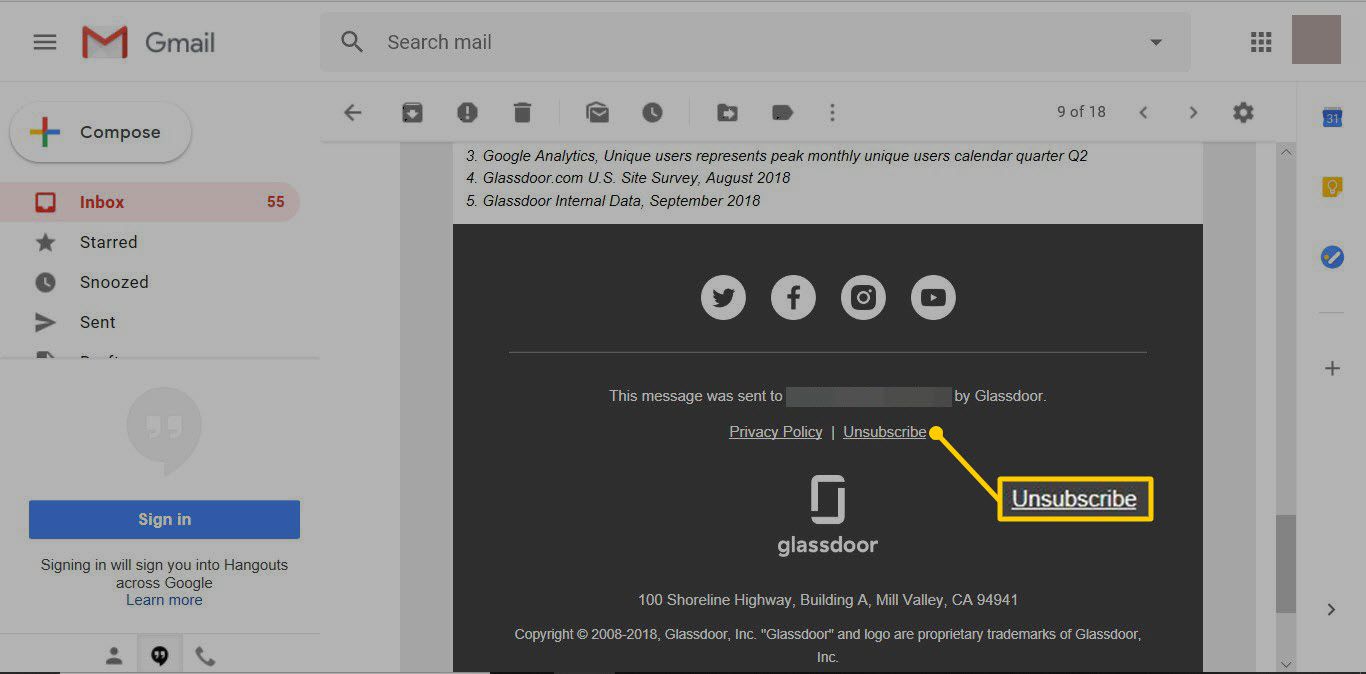
The easiest method for getting off an email list is to use the unsubscribe feature that the sender has built-in. These links, which are usually near the bottom of the email, could be obscured or difficult to find in order to deter unsubscribing. Nonetheless, many email providers streamline the procedure to increase user accessibility.

Gmail Unsubscribe:

Gmail from Google provides an easy-to-use unsubscribe feature for emails that are subscription-based. Gmail will display an unsubscribe link prominently at the top of emails that it recognises as subscription-based. To easily opt out of receiving future messages, users only need to click on this link.

Methods for Gmail Unsubscription:

  • Open Gmail and go to your inbox after logging in.

  • When you open the undesired email, choose “Unsubscribe” by clicking the button adjacent to the sender’s address.

  • Click “Unsubscribe” to confirm your choice in the pop-up box.

  • You have the option to transfer the mail to spam for additional filtration.

Removing from Outlook

Users of Microsoft Outlook can unsubscribe from emails in a similar way. Outlook users may simply stop unwanted subscriptions by clicking the unsubscribe link at the top of the email.

Outlook Unsubscribe Procedures:

  • Open the Outlook desktop programme or go to Outlook.com.

  • To cancel a subscription, open the email that contains the subscription.

  • Above the sender’s details, click the “Unsubscribe” option.

  • Click “Unsubscribe” to validate your selection in the pop-up box.

More Unsubscribing Methods

  • Other ways to unsubscribe from unsolicited emails exist if you can’t find a link to unsubscribe or if you have another email provider:

  • Look for the Unsubscribe option in the message: Look for the unsubscribe link in the email message; it’s generally in the footer or near the bottom.

  • Employ a Mass Unsubscribe Service: To unsubscribe from emails in masse, use services like Unroll.me, Clean Email, or Cleanfox.

  • Modify Your Preferences for Email: To stop getting unsolicited emails, change your email options on the websites of any company with whom you have an account.

These instructions will help you clear up your inbox and take back control of your email correspondence so that only the messages you wish to receive end up there.

 
Apple's First Foldable Device Could Replace the iPad Mini by 2026

Apple’s First Foldable Device Could Replace the iPad Mini by 2026

It seems that Apple is finally taking significant strides towards the development of its much-anticipated foldable iPhone. Recent reports indicate that the tech giant is exploring the concept of a clamshell-style foldable device, a move that could potentially revolutionize the market. However, while excitement brews over the prospect of this innovative gadget, several challenges and uncertainties loom on the horizon.

According to insider sources, Apple has begun prototyping at least two versions of the foldable iPhone, with a widthwise folding mechanism reminiscent of a clamshell. While earlier estimations suggested a possible release date as early as 2025, complications surrounding pricing and consumer appeal have reportedly delayed the project’s timeline. The hefty cost of such a device coupled with the challenge of identifying compelling features to justify its price tag have left Apple deliberating its next move.

Overcoming Technical Hurdles: Design Ambitions vs. Real-World Constraints

Apple's First Foldable Device Could Replace the iPad Mini by 2026

Image Source: imore.com

Apple’s industrial design team has set ambitious goals for the foldable iPhone, envisioning a sleek and slim device that seamlessly integrates into users’ daily lives. However, the practicalities of incorporating essential components like batteries and screens have posed significant challenges. Achieving a crease-free foldable screen, essential for a seamless user experience, remains a primary focus for Apple. The company is reportedly exploring innovative solutions to address this issue and deliver a superior product.

The Road Ahead: Navigating Uncertainties and Anticipated Features

Despite promising predictions from analysts and supply chain experts, the exact release date of the foldable iPhone remains uncertain. Speculations regarding features such as stylus support and screen size continue to fuel anticipation among consumers. While concept designs offer a glimpse into the potential of this groundbreaking device, it’s essential to approach such rumors with caution, considering the fluid nature of product development in the tech industry.

As Apple ventures into the realm of foldable devices, the possibility of a foldable iPhone replacing the iPad Mini looms large. While challenges and uncertainties persist, the tech giant’s commitment to innovation and quality assurance bodes well for the future of foldable technology. Whether the foldable iPhone lives up to its hype remains to be seen, but one thing is certain – the evolution of smartphones is poised to take a significant leap forward in the years to come.