Your Tech Story

Technology

Threat to Starlink? US Intelligence has Confirmed that Russia is Developing Anti-Satellite Technology

Threat to Starlink? US Intelligence has Confirmed that Russia is Developing Anti-Satellite Technology

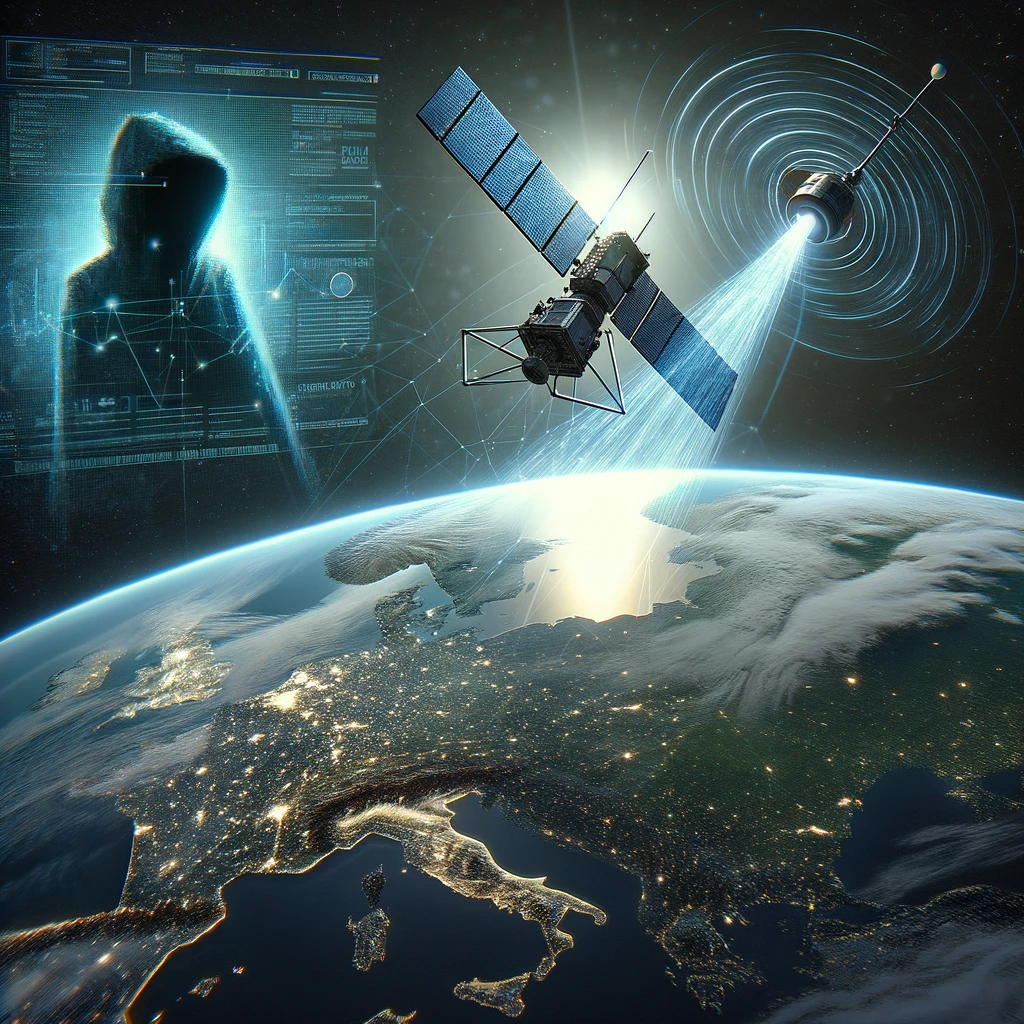
In a significant announcement that has caught the attention of global security experts and space enthusiasts alike, the United States has confirmed that Russia is in the process of developing an advanced anti-satellite (ASAT) system. This groundbreaking revelation not only raises alarms about the potential vulnerability of satellite networks that are crucial for global communications, including SpaceX’s ambitious Starlink project, but also signals a possible escalation in space-based warfare capabilities.

Starlink's Mission and Technology
Threat to Starlink? US Intelligence has Confirmed that Russia is Developing Anti-Satellite Technology

Starlink, the satellite internet constellation being deployed by SpaceX to provide high-speed internet across the globe, could face unprecedented threats if such anti-satellite technologies are operationalized. The system aims to blanket the earth with broadband coverage, especially targeting regions where internet access has been unreliable or completely unavailable. However, the Russian initiative to develop an ASAT system could jeopardize the operational integrity and security of these satellites, posing a significant setback to global connectivity efforts.

The Potential Threat to Starlink

The development of such anti-satellite capabilities is not just a concern for companies like SpaceX but also represents a broader threat to the peaceful use of outer space. Satellites play a pivotal role in various critical applications beyond communications, including navigation, weather forecasting, and global surveillance. The ability to target and potentially disable these satellites could have far-reaching implications for global security, environmental monitoring, and even everyday conveniences that have become integral to modern life.

This development has prompted a swift response from the international community, with calls for increased diplomatic engagement and the establishment of norms and treaties to govern the militarization of space. The confirmation of Russia’s anti-satellite system underscores the urgent need for a collaborative approach to space security, ensuring that space remains a domain for peaceful exploration and use.

“Although I am limited in how much I can share about the specific nature of the threat, I can confirm that it is related to an anti-satellite capability that Russia is developing,” White House National Security Communications Advisor John Kirby said on Thursday.

c-span.org

As the situation unfolds, the focus will be on how nations and private entities can work together to mitigate these emerging threats to satellite infrastructure. The future of global satellite communications, including ambitious projects like Starlink, may well depend on the ability of the international community to address these challenges head-on, ensuring the safety and security of critical space assets in an increasingly contested outer space environment.

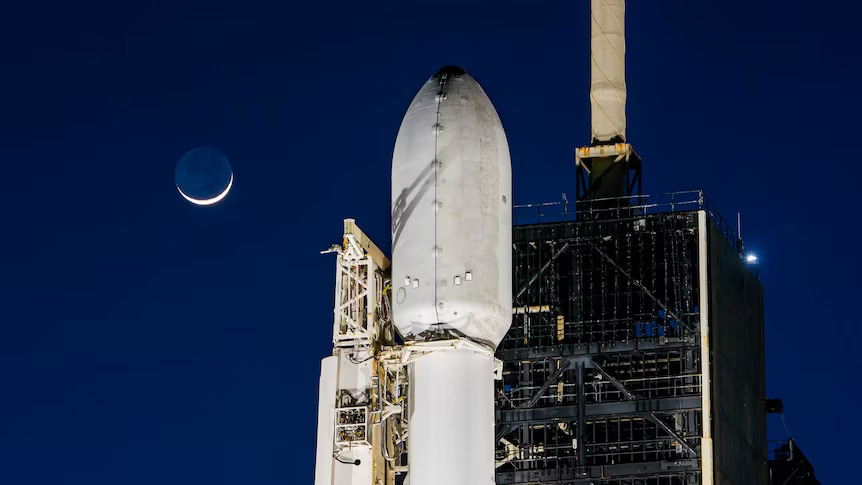
SpaceX Achieves Milestone with Launch of US Craft Aimed at Moon Landing

SpaceX Achieves Milestone with Launch of US Craft Aimed at Moon Landing

In a monumental leap for private space exploration, a SpaceX rocket soared into the celestial abyss on Thursday, carrying a spacecraft bound for the moon. The spacecraft, named Nova-C, is the brainchild of Houston-based Intuitive Machines Inc. This mission marks a pivotal moment as it aims to break America’s 50-year hiatus from lunar landings.

The Quest for Lunar Touchdown

SpaceX Achieves Milestone with Launch of US Craft Aimed at Moon Landing

Nova-C is set to make history by attempting a landing on the south side of the lunar surface on February 22nd. If successful, Intuitive Machines will etch its name in the annals of space exploration as the first private entity to achieve this feat. While governments have historically dominated lunar landings, the era of commercial space ventures is ushering in a new chapter.

The journey to lunar touchdown has been fraught with challenges. Previous attempts by both companies and nonprofits have fallen short, with spacecraft either failing to survive the landing or encountering technical setbacks mid-flight. However, Intuitive Machines remains undeterred in its pursuit of lunar exploration.

A Lucrative Partnership with NASA

Nova-C carries the weight of expectation, ferrying six payloads for NASA and five commercial payloads. Under a contract valued at approximately $100 million, Intuitive Machines is tasked with accelerating the development of commercial robotic lunar landers capable of transporting NASA materials. This partnership underscores NASA’s commitment to fostering innovation in the private space sector.

Intuitive Machines’ trajectory from a private entity to a publicly traded company has been meteoric. A 2022 blank-check deal catapulted the company into the spotlight, valuing it at over $1 billion. Despite market fluctuations, Intuitive Machines remains steadfast in its lunar aspirations, with plans to expand its presence through satellite constellations and lunar technology development.

Pioneering the Future of Lunar Exploration

As Nova-C embarks on its lunar odyssey, Intuitive Machines envisions a future where commercial entities play a pivotal role in advancing space exploration. Beyond this mission, the company aims to establish a constellation of satellites for lunar communication and navigation, further cementing its status as a trailblazer in the cosmos.

In the vast expanse of space, each launch represents a leap towards unlocking the mysteries of the universe. With Nova-C’s voyage to the moon, humanity inches closer to realizing the dream of a flourishing spacefaring civilization. As the countdown to lunar touchdown begins, the world holds its breath in anticipation of the historic moment when a privately built spacecraft makes its mark on the lunar surface.

President Biden Embraces TikTok as a Strategic Move to Engage Young Voters

President Biden Embraces TikTok as a Strategic Move to Engage Young Voters

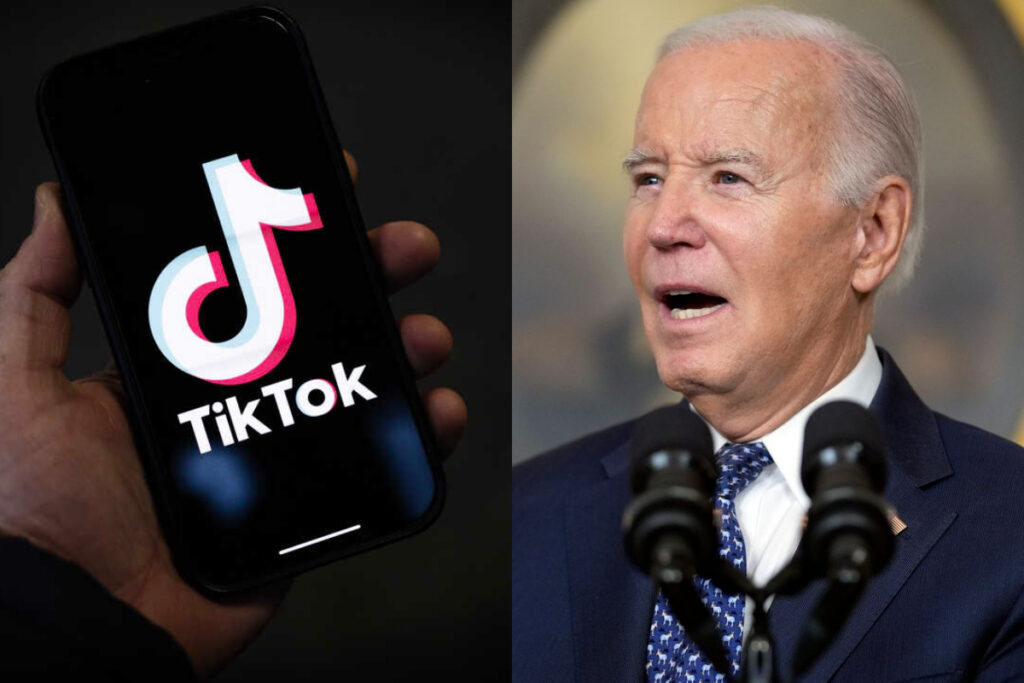
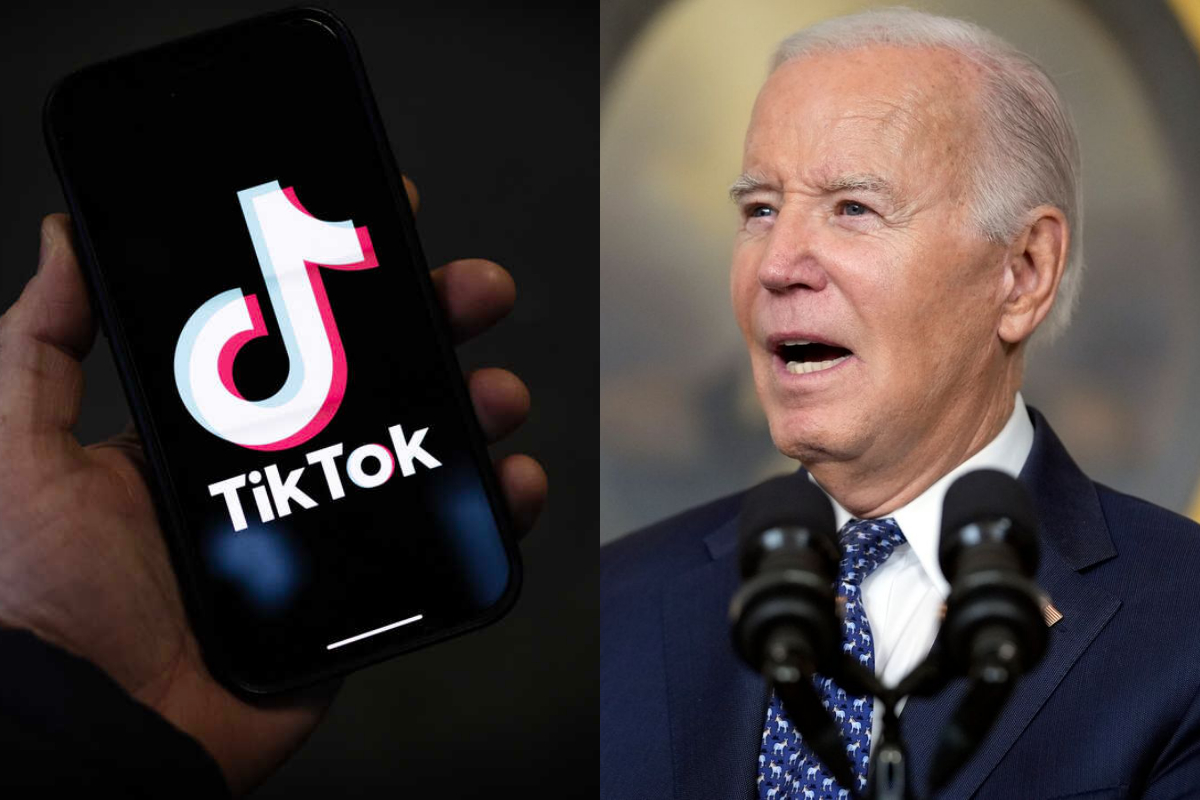
Recently, President Joe Biden gained attention when he joined TikTok in an effort to engage younger Americans on the well-known social media network. However, politicians worried about data privacy and national security issues have expressed mixed feelings about his entry into the TikTok scene and raised eyebrows.

"It is like young kids are hosting a party, things are going great and then they hear their grandfather is showing up late after not being invited," said Scott Talan, assistant professor of public communications at American University.

forbes.com

The President's Presence on TikTok

President Biden Embraces TikTok as a Strategic Move to Engage Young Voters

Image Source: bolnews.com

In an attempt to connect with a younger audience in advance of the big game, President Biden made his TikTok debut with a video in which he responded to queries about the Super Bowl. But considering that TikTok prohibits the majority of government-issued gadgets in the United States owing to security concerns, his choice to join the site has drawn condemnation from both Democrats and Republicans.

Conflicting Messages and Fears

On consistency in message on data privacy and national security, there have been concerns expressed by the White House’s decision to permit President Biden to join TikTok despite the platform’s ban on official devices. Legislators are worried about Biden’s TikTok presence from an optics standpoint, particularly in light of the law he signed in 2022 prohibiting the use of apps on federal government computers.

Interacting with a Disinterested Audience

Some commentators saw Biden’s shift to TikTok as a calculated attempt to connect with a group that politicians have typically ignored, despite the criticism surrounding it. Given the growing significance of the youth vote in the past few elections, Biden’s team might see TikTok as a useful tool for reaching out to younger voters who primarily rely on non-traditional sources for their news and information.

Handling Political Difficulties

Though Biden’s late arrival on TikTok has prompted concerns about the efficacy of his engagement plan, the site presents a unique opportunity to connect with younger people. Some contend that rather than the president joining the platform, using influencers or surrogates on TikTok could have been a more successful strategy for energising young voters.

Looking Forward

Although President Biden’s appearance on TikTok is a daring attempt to engage with the younger generation of Americans, it also underscores the difficulties in navigating the dynamic world of social media politics. Biden’s TikTok debut serves as a reminder of the intricacies and subtleties of digital engagement in contemporary politics, as he attempts to enliven and motivate the youth vote.

 
Brian Johnson's AI-Powered Full Body MRI Startup Gets a $21 Million Boost

Brian Johnson’s AI-Powered Full Body MRI Startup Gets a $21 Million Boost

Biohacker and tech entrepreneur Bryan Johnson is on a mission to revolutionize preventative healthcare with full-body MRI scans. He’s backing New York-based startup Ezra, which recently secured $21 million in funding to make this vision a reality.

Bryan Johnson is not your average tech entrepreneur. As a fervent biohacker, he’s deeply invested in leveraging technology to improve human health. His latest endeavor involves advocating for the widespread adoption of full-body MRI scans as a proactive approach to detecting potential health issues, particularly cancer.

Meet Ezra: Redefining MRI Scans with AI

Brian Johnson's AI-Powered Full Body MRI Startup Gets a $21 Million Boost

At the forefront of Johnson’s vision is Ezra, a startup that harnesses the power of artificial intelligence to streamline the process of full-body MRI scans. Unlike traditional methods, Ezra’s AI technology, Ezra Flash, analyzes scans rapidly, significantly reducing the time patients spend in the scanner.

One might assume Ezra owns its MRI machines, but the company’s approach is different. It partners with existing radiology centers, maximizing accessibility without the burden of machine ownership. This collaborative model allows Ezra to focus on refining its AI algorithms for enhanced scan quality and efficiency.

Addressing Skepticism and Concerns

Despite its promise, the mainstream adoption of full-body MRI scans isn’t without its skeptics. Medical experts raise concerns about overdiagnosis and overtreatment, cautioning against unnecessary stress and costs for patients. They argue that not all abnormalities detected warrant intervention.

Ezra’s CEO, Emi Gal, remains undeterred by skepticism. He believes that the benefits of early detection outweigh the risks of false positives. Gal aims to make full-body MRI scans more accessible by reducing costs, with a target price of $500 for a 15-minute scan within the next two years.

In conclusion, Bryan Johnson’s endorsement of Ezra underscores a paradigm shift in preventative healthcare. With AI-driven innovations and strategic partnerships, Ezra is poised to democratize full-body MRI scans, offering individuals the opportunity for proactive health monitoring. While challenges persist, the potential impact on early disease detection and treatment is undeniable.

The Ultimate Guide to Using Galaxy AI for Real-Time Language Translation

The Ultimate Guide to Using Galaxy AI for Real-Time Language Translation

In an increasingly globalized world, the ability to communicate across linguistic barriers is more important than ever. Enter Galaxy AI, a cutting-edge tool designed to break down these barriers by translating spoken conversations in real time. This article explains how to leverage Galaxy AI for seamless communication, ensuring that linguistic differences no longer hinder personal or professional interactions.

Understanding Galaxy AI

What is Galaxy AI?

Galaxy AI is a sophisticated language translation application that uses artificial intelligence to provide instant spoken language translations. It is designed to facilitate clear and accurate communication between speakers of different languages, making it an invaluable tool for travelers, business professionals, and anyone looking to bridge the language divide.

The Technology Behind Galaxy AI

The Ultimate Guide to Using Galaxy AI for Real-Time Language Translation

At the heart of Galaxy AI is a powerful AI engine that combines speech recognition, machine learning, and natural language processing technologies. This allows it to not only recognize and translate spoken words, but also understand context, idioms, and cultural nuances, providing translations that are both accurate and meaningful.

Setting Up Galaxy AI for Translation

Downloading and Installing

Getting started with Galaxy AI is straightforward. First of all, download the app. Installation is quick and once complete, you will be asked to select your primary language and the languages ​​you want to translate.

Configuring Galaxy AI Settings

After installation, take a moment to explore Galaxy AI’s settings. Here, you can adjust preferences for voice speed, level of translation accuracy, and whether you want the translation to be read aloud. Tailoring these settings to your needs improves the translation experience.

How to Use Galaxy AI for Spoken Conversations

Starting a Conversation

Starting a translated conversation with Galaxy AI is as simple as pressing the microphone button and speaking. The app will automatically detect the spoken language and provide a translation in the chosen language, either textually or audibly, based on your settings.

Real-Time Translation Features

Galaxy AI’s real-time translation capability is its standout feature. As you speak, the app instantly translates your words, allowing smooth, natural conversations. It can handle complex sentences and specialized terminology with impressive accuracy.

Tips for Clear Communication

To ensure the best possible translation:

  • Speak with clarity and at a moderate pace.

  • Avoid slang and idiomatic expressions unless necessary.

  • Use simple sentences to convey complex ideas.

Advanced Features of Galaxy AI

Customizing Translation Preferences

Galaxy AI offers the ability to customize translation settings for different scenarios such as formal meetings or casual conversations. This customization ensures that the tone and formality of the translation matche the context of your conversation.

Utilizing Offline Translation

One of the most practical features of Galaxy AI is its ability to translate without an internet connection. Although the range of languages ​​in offline mode may be limited, it is incredibly useful for communicating in areas with poor or no connectivity.

Troubleshooting Common Issues

Dealing with Misinterpretations

No translation tool is perfect, and misinterpretations may occur. If a translation doesn’t seem right, try rewriting your sentence or speaking more clearly. Often, a slight adjustment can significantly improve accuracy.

Connectivity Problems

For online translation in real-time, a stable Internet connection is important. If you encounter any problems, check your connection and switch to offline mode if necessary, taking into account the limitations mentioned earlier.

Conclusion

Galaxy AI represents a significant leap forward in overcoming language barriers. By understanding its capabilities and making the most of its features, users can communicate more effectively and confidently in different languages. As AI technology continues to advance, the possibility of even more accurate and nuanced translations is on the horizon, promising a future where linguistic differences are no longer a barrier.

Google's Latest Warning to Android and iPhone Users Worldwide

Google’s Latest Warning to Android and iPhone Users Worldwide

Google’s recent announcement regarding privacy concerns for Android and iPhone users has sent ripples through the tech community. With the emergence of Gemini Apps, akin to a turbocharged Google Assistant, users are urged to exercise caution when sharing sensitive information.

Google’s Gemini App Privacy Hub blog sheds light on the potential security pitfalls associated with the use of artificial intelligence in smartphone applications. The blog emphasizes the need to refrain from divulging confidential information during conversations within Gemini apps.

The Persistence of Data

Google's Latest Warning to Android and iPhone Users Worldwide

One alarming revelation is that once conversations are reviewed, they linger in the system for an extended period, even after deletion of Gemini Apps activity. Google clarifies that these conversations are kept separate from users’ Google Accounts and may persist for up to three years.

Extended Data Retention

Conversations, inclusive of sensitive data, are retained for an extended period, posing a significant concern for user privacy. Despite deactivating Gemini Apps Activity, conversations remain associated with the user’s account for up to 72 hours, facilitating service provision and feedback processing.

Unintended Activations

Another cause for apprehension is the potential for unintended activations of Gemini, triggered by ambient sounds resembling its wake phrase. Google assures users that such activations are treated similarly to intentional ones, adhering to user settings.

Safeguarding Your Privacy

In light of these revelations, it becomes imperative for Android and iPhone users to adopt proactive measures to safeguard their privacy. Avoiding the disclosure of sensitive information and regularly reviewing privacy settings are crucial steps in mitigating potential risks associated with Gemini Apps.

Google’s cautionary advisory serves as a wakeup call for smartphone users to reassess their digital privacy practices. With the prevalence of AI-powered applications, vigilance and informed decision-making are paramount in protecting personal data from potential exploitation. Stay informed, stay vigilant, and prioritize your privacy in the digital age.