Your Tech Story

Tech News

Apps Not Downloading on Smart TV? Here are 10 Quick Solutions

Apps Not Downloading on Smart TV? Here are 10 Quick Solutions

With their plethora of applications, smart TVs offer an entry point to an endless supply of entertainment. However, running across problems like not being able to download new applications can be a frustrating obstacle. Don’t worry; we’ve got a thorough tutorial with 10 easy solutions to help you get your Smart TV to start downloading apps again.

Determine the Problem

Determining the underlying reason is essential. Is the issue with your TV’s operating system, your WiFi, or the Play Store app? then dive into the solutions.

Check Your WiFi Connection

Make sure your home WiFi is working before tinkering with TV settings. Restarting your WiFi network briefly might solve any issues with your Smart TV’s video streaming.

Restart Your TV

Downloads may be hampered by an unusual background issue. Frequently, these problems may be resolved with a straightforward restart using the power outlet or the remote.

Update the Operating System on Your TV

Apps Not Downloading on Smart TV? Here are 10 Quick Solutions

Though it might not be evident, faults might be caused by out-of-date firmware or an operating system. To keep the operating system on your TV up to date, go to Settings > Support > Software Update.

Inspect the Storage on Your TV

When storage runs low, app downloads may be hampered. To see the breakdown, navigate to Settings > Device Preferences > Storage. Apps may be deleted to make space available.

Install Apps Utilising Your Android Phone

Use your Android phone to install apps if the Play Store on your Smart TV isn’t working properly. Install applications from your phone and make sure both devices are logged in with the same Google account.

Delete the cache from the Google Play Store

Go to TV Settings > Apps > Google Play Store and delete the cache. This frequently fixes problems with temporarily stored data.

Turn the Google Play Store on and off

Try turning off the Play Store and then turning it back on. Go to TV Settings > Apps > Google Play Store, turn it off, give it a minute, and then turn it back on.

Remove Google Play Store Upgrades

There’s a chance that the recent upgrades are to blame. To test whether it fixes the problem, go to TV Settings > Apps > Google Play Store and delete any recent upgrades.

Sideload Apps on Your TV

As a last resort, you could choose to sideload apps. Install the app APK from a reliable third-party source on your smartphone, move it to your TV, and then enable unknown sources for app installation in Settings.

Factory Reset Your TV

This can be your final option if the other solutions don’t work. To reset your TV, go to TV Settings > General > Reset, but note that doing so will remove all data and applications.

To sum up, these ten simple solutions address a variety of possible problems with downloading Smart TV apps. Whether the issue is related to storage capacity, connection, or a bug in the Play Store app, you may use the tools in this tutorial to troubleshoot and have a flawless Smart TV experience.

X Suffers Biggest Outage Since Muskโ€™s Takeover

X Suffers Biggest Outage Since Muskโ€™s Takeover

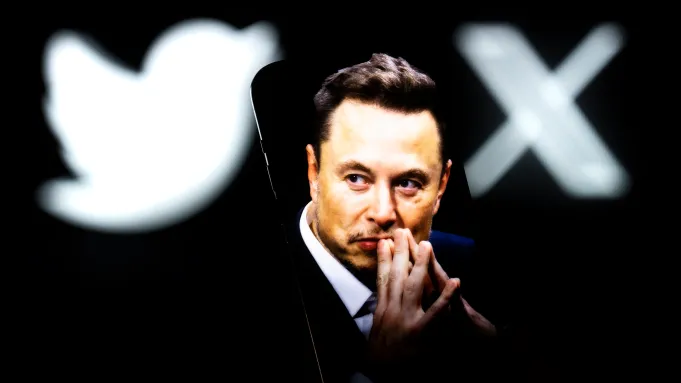
Since the billionaire acquired the social media site previously referred to as Twitter, Elon Musk’s X has experienced its largest outage. This was a brief but broad disturbance that seemed to be ending.

Downdetector, which isย  responsible for monitoring website as well as service disruptions, states that as of 1:41 p.m. Hong Kong time on Thursday, over 94,000 users of X encountered problems with the website. An hour later, there were only roughly 7,000 difficulties reported by users.

Since Musk purchased the San Francisco-based site for a total of $44 billion at the end of 2022, there have been several disruptions, but none as significant as the one that occurred in July of that year, which impacted about 50,000 users, till this week.

X Suffers Biggest Outage Since Muskโ€™s Takeover

Image Source: deadline.com

The most recent incident’s cause is unknown. Approximately seventy percent of the reports mentioned problems with X’s app, and twenty percent mentioned problems with its website.

Regarding the disturbance, X’s official account remained silent. “Busy now, please check back later” was an automated reply sent in an email to the organization’s press center.

Since Musk bought X in 2022 for the price of $44 billion, the firm has been beset with problems. Subsequently, there have been several job cuts, particularly of engineers and other essential personnel in charge of platform maintenance, customer care, and averting service disruptions.

Rumors have Surfaced After Muskโ€™s Takeover

Since Musk’s takeover, there have additionally been an abundance of rumors and reports regarding X.

Significant adjustments have been made to the verification procedure, API availability, cancellations of bans for individuals deemed problematic, and a major rebranding from “Twitter” to “X.”

Now that he’s changed the platform, Musk has made it clear that he wants to prioritize free expression for all. Additionally, the businessman became the executive chair as well as the chief technology officer of the company, replacing his previous position as CEO of Twitter/X.

Even after X was made available to customers globally again, thousands of individuals are still reporting problems with the app. Thousands of people commented on a PopCrave tweet that said that Twitter/X is now back up despite an hour-long downtime, discussing the outage and its effects on different users.

โ€œOne person wrote, "We're back but this app is still broken." Another user commented, "As a professional X content creator this outage has been devastating for me, anyone else feel the same?" A third person said, "I was really crying & throwing up because I thought my Twitter was gone."

"The app is still kinda broken, sometimes it says to try again when posting even tho it's already posted, it also doesn't show the views.." a fourth wrote.

yahoo.com
Brazil PM's Wife Clashes With Elon Musk Over Hacked X (Twitter) Account

Brazil PM’s Wife Clashes With Elon Musk Over Hacked X (Twitter) Account

In a clash between Brazil’s First Lady, Rosangela da Silva, known as Janja, and tech mogul Elon Musk, the discourse over responsibility and swift action has ignited following the hacking of Janja’s social media account on X, the platform previously known as Twitter.

The Hacking Incident and Musk's Response

The incident, occurring on December 11, gained national attention in Brazil as the hacker posted offensive content, including lewd images and insults targeting President Luiz Inacio Lula da Silva, on Janja’s profile boasting 1.2 million followers. Janja swiftly condemned the breach, labeling it as misogynistic.

Brazil PM's Wife Clashes With Elon Musk Over Hacked X (Twitter) Account

Image Source: humnews.pk/

However, tension escalated when Musk, the owner of X since last year, dismissed any accountability on his platform for the security breach. In a response to allegations, Musk defended his company stating, “It is not clear how someone guessing her email password is our responsibility,” in a tweet addressing the legal threat from Janja.

Janja's Accusations and Calls for Accountability

Janja retaliated, accusing Musk of downplaying the severity of the event and neglecting the platform’s responsibility to promptly address such cybercrimes. She emphasized that the issue transcended personal inconvenience, highlighting the broader impact on women users facing similar risks daily on the platform.

Expressing her disappointment in Musk’s response, Janja characterized it as “symptomatic” of his tendency to engage in clashes with critics on the platform.

Legal Threat and Pursuit for Swift Action

With her account compromised, Janja took a decisive stance, threatening legal action against X. She criticized the platform’s delayed response to her requests to freeze the account, remove the offensive content, and facilitate her regaining control over her profile.

Janja reiterated her commitment to holding the platform accountable, emphasizing the necessity for swift action and an increased sense of responsibility from X in addressing security breaches and cybercrimes within its domain.

The clash between the First Lady of Brazil and Musk underscores the escalating concerns over platform accountability, user security, and the obligation of tech companies to promptly address cybercrimes. As the discourse continues, it brings to light the evolving challenges faced by social media platforms in ensuring the safety and protection of their users.

Gold Retailer Kitco's Website Disrupted in Cyber Security Attack

Gold Retailer Kitco’s Website Disrupted in Cyber Security Attack

In a significant cyber security breach, renowned gold retailer Kitco experienced massive disruption to its online services. The company, known for its precious metals trading and live market updates, confirmed that its website suffered a cyberattack, causing temporary operational failures and accessibility issues for its global customer base.

Gold Retailer Kitco's Website Disrupted in Cyber Security Attack

Image Source: bnnbloomberg.ca

The exact nature of the cyber attack has not been disclosed, but initial reports suggest a sophisticated intrusion, possibly aimed at compromising customer data and disrupting online trading services. Kitco’s rapid response to the incident included immediate measures to secure their systems and assess the extent of the breach.

Impact on Customers and Operations

The disruption caused concern among Kitco customers, who rely on the platform for real-time gold market analysis and trading. While the full impact on customer data and transactions is still being evaluated, Kitco assures its customers that protecting their information and restoring normal operations is their top priority.

Expert Opinions on Cyber Security

Cybersecurity experts call the incident a reminder of the vulnerabilities faced by online retailers, especially in high-value sectors like precious metals. The increasing trend of cyber attacks in the retail sector underlines the need for advanced security measures and robust cyber defense systems.

Kitco’s management has announced that they are working closely with cybersecurity experts to resolve the issue and prevent future attacks. He has also urged customers to remain alert and follow the company’s updates for safe transactions.

Technological Solutions for Protection

As the investigation continues, this incident raises important questions about the preparedness of online retailers against increasingly sophisticated cyber threats. Kitco’s experience serves as an important case study in the importance of proactive cybersecurity strategies in the digital age.

The company has promised to provide regular updates as more information becomes available and is committed to fully restoring its services and strengthening its security infrastructure to protect against future cyber threats.

Google pay $700 million to US users states in Play Store settlement

Play Store settlement says Google will pay $700 million to US customers

In an antitrust lawsuit with states in the United States and customers, Google has agreed to a 700 million-dollar settlement; six hundred and thirty million will go towards a consumer settlement fund and $70 million will go towards state settlement funds. The settlement, which is still pending final approval, resolves claims that Google overcharged users by placing needless charges for in-app purchases and restricting the distribution of apps on Android devices. Customers who meet the eligibility requirements and made transactions on Google Play from August 16, 2016, and September 30, 2023, are entitled to a minimum of $2 Additional payments may be issued depending on how much was spent over this time. The District of Columbia, the Virgin Islands, Puerto Rico, and all 50 states are part of the settlement.

Google pay $700 million to US users states in Play Store settlement

Image Source: edition.cnn.com

The specifics of the agreement were not disclosed until after Google’s trial with Epic Games, which was the subject of an antitrust lawsuit accusing the company of engaging in anti-competitive conduct. lately, a federal court panel in California found in favour of Epic Games, finding that some parts of Google’s application business were anti-competitive. No misconduct was acknowledged by Google in the payment.

Google will update its Play app store

Google will update its Play app store to make room for more competition as part of the arrangement. According to the business, it will make it easier for developers of apps and games to provide users with an additional billing alternative for in-app payments in addition to Play’s payment system. The goal of this change is to provide consumers with more options and freedom while maintaining robust security protections.

Google will also make it easier for people to get apps straight from developers. Lower rates for customers and increased creativity amongst app developers are the two main goals of the settlement. The states’ solicitors stated that it is unusual for American antitrust authorities to get remedies from Google of this size.

Epic Games, which filed a lawsuit for an injunction rather than financial damages, displayed discontent, stating that the agreement failed to tackle the core of Google’s illegal and anti-competitive behaviour, even though it tackled financial relief and certain adjustments to Google’s practices. During the subsequent stage of its testing, Epic intends to submit its suggestion for prospective modifications to the Google Play store.

Google continues to stand by its denial of any unlawful conduct in the litigation it is still facing concerning its search and online advertising methods. The agreement is a reflection of continuing attempts by businesses and authorities to resolve antitrust issues in the technology sector, with a focus on leading platforms and their effects on the market.

Large AI Dataset Has Over 1,000 Child Abuse Images, Researchers Find

Large AI Dataset Has Over 1,000 Child Abuse Images, Researchers Find

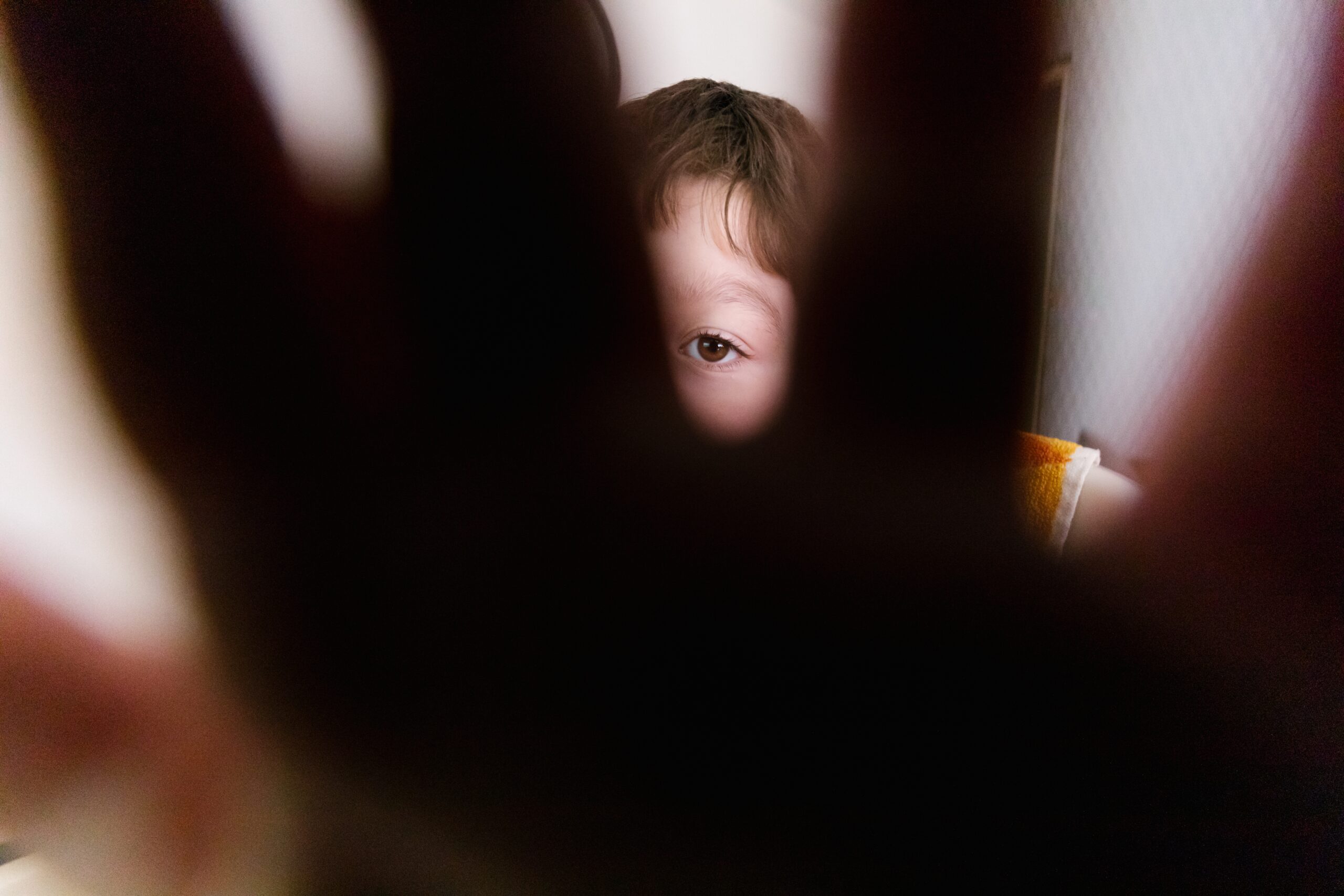
A recent report by the Stanford Internet Observatory has uncovered a disturbing reality lurking within the foundation of popular artificial intelligence image-generators. The investigation reveals the presence of over 3,200 images suspected to be related to child sexual abuse within the LAION database, a colossal index of online images and captions utilized to train prominent AI image-making systems like Stable Diffusion.

Alarming Implications for AI-generated Content

Large AI Dataset Has Over 1,000 Child Abuse Images, Researchers Find

Image Source: borneobulletin.com.bn

This discovery sheds light on a concerning flaw in AI technology, indicating that the incorporation of such illicit images into AI datasets has facilitated the generation of realistic and explicit imagery featuring fake children. Moreover, it has enabled the transformation of innocuous social media pictures of clothed adolescents into explicit nudes, causing widespread alarm among educational institutions and law enforcement agencies globally.

Immediate Action and Ongoing Concerns

In response to the Stanford Internet Observatory’s revelations, LAION swiftly announced the temporary removal of its datasets, emphasizing a “zero tolerance policy for illegal content.” Despite constituting a fraction of LAION’s extensive image repository, these images significantly impact the capability of AI tools to generate harmful outputs while perpetuating the prior abuse suffered by the real victims depicted multiple times.

Challenges in Remediation and Accountability

David Thiel, chief technologist at the Stanford Internet Observatory, highlighted the challenges in rectifying this issue. He attributed the problem to the hurried deployment of numerous generative AI projects into the market, emphasizing the need for more rigorous scrutiny before open-sourcing vast datasets scraped from the internet.

Unforeseen Ramifications and Industry Accountability

London-based startup Stability AI, a significant contributor to LAION’s dataset development, faces scrutiny for its role in shaping these datasets. While newer versions of their technology mitigate the creation of harmful content, an older, problematic version remains embedded in various applications. Lloyd Richardson from the Canadian Centre for Child Protection expressed concern over the prevalence of this older model and its widespread accessibility, acknowledging the difficulty in retracting it from multiple local machines.

The findings underscore the urgent need for greater responsibility and stringent measures within the AI development sphere to prevent the inadvertent perpetuation of exploitative content and to protect vulnerable individuals.