Your Tech Story

Tech News

The Rise of Deepfakes: Why They're Spreading and How to Stop Them

The Rise of Deepfakes: Why They’re Spreading and How to Stop Them
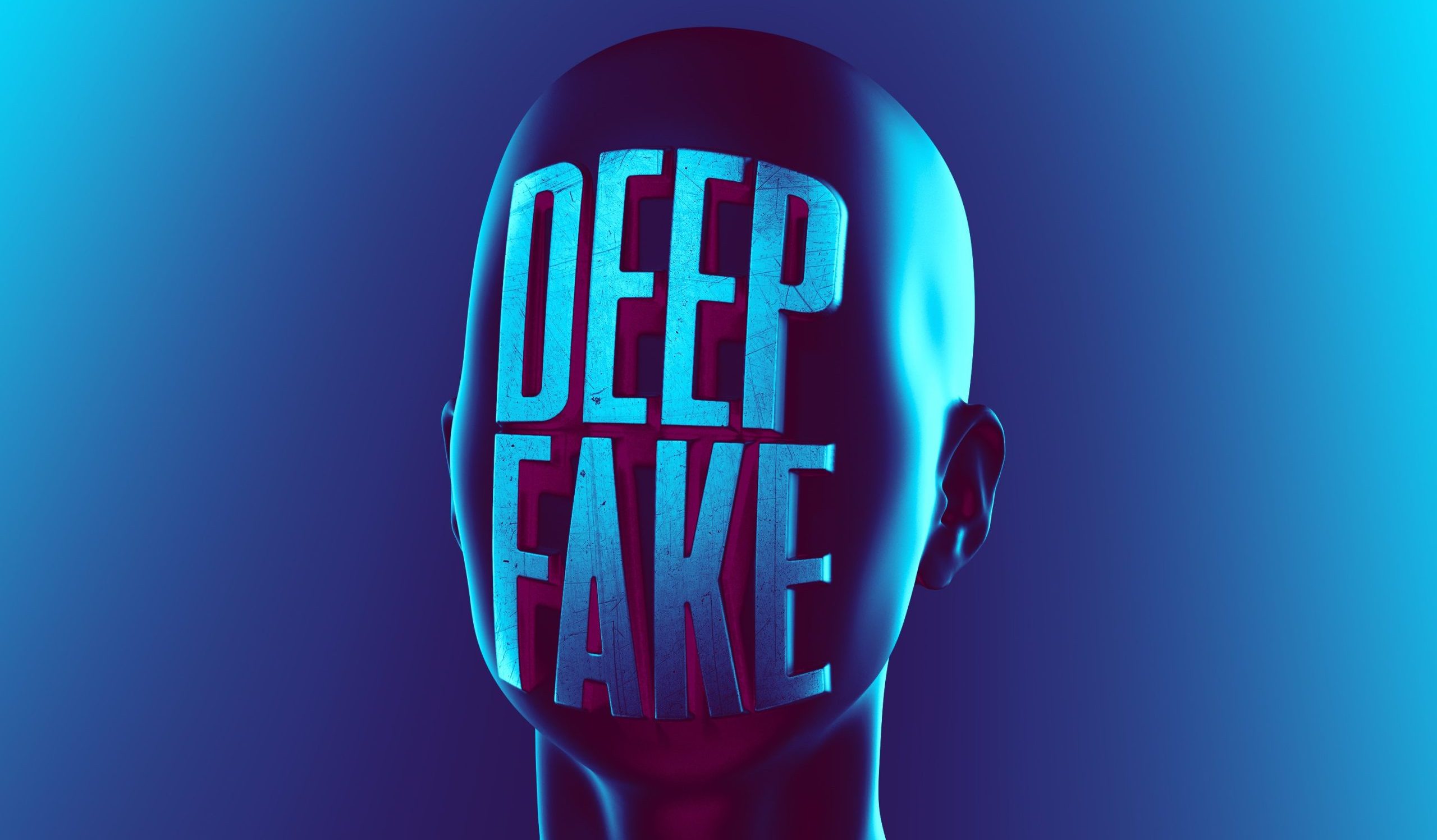

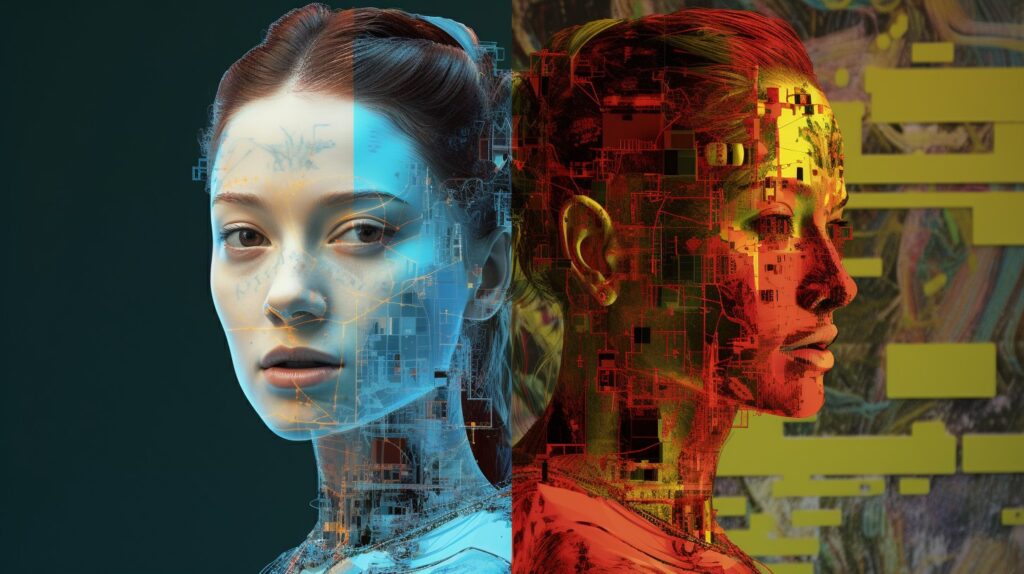
Deepfakes are all over the internet now; they are pictures, sounds, and videos of people in situations they never went to or speaking things they never said. These altered works of art frequently include the face of a well-known person superimposed on the body of another. Artificial intelligence has made it incredibly easy to create these misleading media, which has resulted in their widespread distribution on a variety of channels. Deepfakes have become a powerful weapon with far-reaching effects, used to deceive people and damage public persons’ reputations.

Taking On Deepfakes: Present Initiatives

The Rise of Deepfakes: Why They're Spreading and How to Stop Them

Deepfakes present a challenge to governments and regulatory agencies, who are working to reduce their spread and lessen the negative impacts they cause. The US Federal Communications Commission (FCC) has outlawed the use of artificial intelligence (AI) voices in robocalls in response to incidents like an audio deepfake that mimicked US President Joe Biden during the presidential primary in New Hampshire. Only a few states have passed legislation against deepfake pornography, due to the lack of federal statutes that directly address the issue.

The Danger to Society: Consequences and Issues

Deepfake technology has far-reaching consequences that go beyond simple media manipulation; it seriously jeopardises both human welfare and society integrity. Examples include explicit deepfake photos of Taylor Swift that have gone viral on social media, highlighting the risk of privacy violation and reputational damage. Actress Xochitl Gomez has brought attention to the prevalence of sexually explicit deepfakes that feature kids, which raises ethical and legal questions about content regulation and protecting the vulnerable.

The Development of Technology for Deepfakes

Deepfake technology has changed over time, moving from its academic roots to a broader market thanks to open-source code and generative artificial intelligence systems. What formerly required genuine vocal performances and existing video material is now simply necessary to follow basic textual directions, highlighting the skill and accessibility of modern deepfake techniques. The ease of accessibility has made it possible for digital forgeries to spread across a variety of internet channels, making it more difficult to discern between modified and genuine material.

Techniques for Detection and Prevention

Deepfake detection methods are being developed by both big giants and startups. By utilising machine learning algorithms and digital watermarking techniques, businesses such as Intel Corp. and Sensity AI are developing innovative approaches to media content identification and authentication. Although these developments present potential ways to counteract deepfakes, the continuous threat they represent calls for further investigation, cooperation, and attention to protect people from being exploited and to preserve the integrity of digital material.

To sum up, even if deepfakes are still becoming more common, governments, tech corporations, and civil society need to work together to develop policies that will effectively combat this rising threat and maintain the credibility of digital media.

The Ultimate Guide to Recovering Deleted Posts on Facebook

The Ultimate Guide to Recovering Deleted Posts on Facebook

Facebook, with its billions of users, is a treasure trove of memories, moments, and messages. Whether it’s a heartfelt post, a beloved photo, or a lively discussion, the content we share on Facebook often holds significant emotional value. But what happens when a post you love gets accidentally deleted? Is it gone forever, or is there any hope for recovery? Let’s look at the possibilities and find out how to recover deleted posts on Facebook.

Understanding Facebook's Data Policy

The Ultimate Guide to Recovering Deleted Posts on Facebook

Image Source: pipiads.com

First, it’s important to understand what happens behind the scenes when you delete a post on Facebook. According to the platform’s data policy, deleting a post removes it from your profile, timeline, and Facebook’s servers. This action is generally considered permanent, with Facebook saying that once a post is deleted, it cannot be recovered.

Steps to Attempt Recovery of a Deleted Post

While the official stance might seem discouraging, there are a few avenues you can explore in your quest to recover lost content.

Checking the Activity Log

Your Activity Log is a comprehensive record of your activities on Facebook, including posts, comments, and likes. Although this will not allow you to directly recover deleted posts, it may provide clues or remains of lost content.

Exploring the Archive Feature

Facebook offers an archive feature for posts that you no longer want to appear on your timeline but aren’t ready to delete permanently. If you’ve used this feature, recovering your content is as simple as accessing your archive and restoring the post.

Downloading Your Facebook Data

Downloading your Facebook data from time to time can serve as a preventive measure, ensuring that you have a backup of all your content, including posts. If you did this before deleting a post, you may still find the content in your downloaded files.

Utilizing Third-Party Tools

Although there is no official tool for post recovery, some third-party applications claim to recover deleted social media content. However, use caution and do thorough research, as their use raises privacy and security concerns.

Preventive Measures

Prevention is better than cure. Backing up your Facebook data regularly and using the Archive feature judiciously can help you avoid the regret of accidentally deleting valuable content.

The Role of Customer Support

In cases where you suspect that your content has been removed due to a glitch or unauthorized access, reaching out to Facebook Support may provide clarity or assistance. Although they usually can’t recover deleted posts, they can provide assistance with account security and related issues.

Conclusion

The digital sphere is fleeting, and our interactions on platforms like Facebook are more fragile than we imagine. Although recovering deleted Facebook posts is challenging and often not possible through official methods, understanding your options can provide some solace and a path forward. More importantly, this journey highlights the importance of digital responsibility and the need to take proactive steps to protect our online memories.

FAQs

  1. Can I recover a post deleted from Facebook after 30 days?

    • Once a post is deleted from Facebook, it is considered permanently deleted regardless of the time frame.

  2. Does Facebook keep copies of deleted posts?

    • Facebook’s policy states that deleted posts are removed from their servers and cannot be recovered.

  3. Can I use third-party apps to recover deleted Facebook posts?

    • While some apps claim to recover deleted content, their effectiveness is unverified, and they may pose security risks.

  4. What is the difference between archiving and deleting a post on Facebook?

    • Archiving a post hides it from your Timeline without removing it from Facebook, allowing future retrieval, while deleting a post permanently removes it.

  5. How often should I download my Facebook data for backups?

    • It depends on how often you post the content you want to keep. A regular schedule, such as monthly or quarterly, is recommended for active users.

TikTok Ban in Montana Blocked by Court as Free Speech Threat

TikTok Faces Intense Scrutiny and Possible Fines in the EU Over Child Safety

TikTok, the popular social media platform owned by ByteDance Ltd., is under the spotlight as the European Union gears up for an investigation into its compliance with strict new content moderation regulations, particularly concerning the safety of minors.

Concerns Over Protection of Underage Users

TikTok Ban in Montana Blocked by Court as Free Speech Threat

The European Commission is set to launch an inquiry into TikTok’s adherence to the Digital Services Act (DSA), which empowers regulators to address content-related issues on major tech platforms. Amid worries that TikTok’s recent adjustments may not adequately safeguard underage users, the EU aims to assess the platform’s measures for protecting minors from potential harm.

Stringent Penalties and Regulatory Powers

Under the DSA, tech companies face significant penalties, including fines of up to 6 percent of their annual revenue, for non-compliance with content moderation rules. Moreover, repeat offenders risk being barred from operating within the EU. This signals a robust regulatory framework aimed at ensuring the safety and well-being of users, particularly children, in the digital sphere.

The impending probe into TikTok follows the EU’s first formal investigation under the DSA, which targeted Elon Musk’s X platform over concerns related to illegal content and disinformation. With a growing focus on scrutinizing major online platforms, including Meta Platforms Inc. and Alphabet Inc., the EU underscores its commitment to enforcing accountability among tech giants.

Dialogue Between TikTok and EU Regulators

While TikTok has refrained from commenting on the investigation, it acknowledges ongoing dialogue with EU authorities. The platform has been subject to inquiries regarding its efforts to protect minors, addressing concerns regarding mental and physical health risks, and evaluating the usage patterns of children on its platform.

The EU’s scrutiny of TikTok and other major platforms signals a broader shift towards greater accountability and transparency in the tech industry. As regulators seek to mitigate risks and safeguard vulnerable user groups, such investigations set a precedent for enhanced oversight and regulation of digital platforms.

As TikTok faces the prospect of regulatory action by the European Union, the tech industry awaits the outcome of the impending probe. With the DSA empowering regulators to enforce stricter content moderation standards, the investigation underscores the importance of prioritizing user safety, particularly among underage users, in the digital landscape.

Meta Will No Longer Suggest Political Content to Users on Instagram, Threads

Meta Will No Longer Suggest Political Content to Users on Instagram, Threads

In a significant change in policy, Meta has announced that it will no longer recommend political content to users on Instagram and Threads. The decision marks a significant change in how the social media giant handles the intersection of politics and social networking. This article highlights the implications, rationale and potential impacts of this new policy.

The role of social media in shaping political discourse has increased rapidly. Meta, formerly known as Facebook, has been at the center of this growth. However, it has also faced criticism for its handling of political content and misinformation.

Meta's Announcement

Meta Will No Longer Suggest Political Content to Users on Instagram, Threads

Meta has decided to implement a significant policy change on its social media platform, Instagram and Threads, by no longer recommending political content to its users. This strategic move aims to enhance the overall user experience by creating a more neutral and less divisive social media environment. By reducing the visibility of political content, Meta intends to reduce the spread of misinformation and reduce the potential for polarization among its user base. The decision reflects Meta’s commitment to fostering a more positive and engaging online community, while also addressing growing concerns about the role of social media in political discourse and the spread of political misinformation.

Impact on Users

Instagram and Threads are set to significantly change user experiences, aiming for a more peaceful and personalized social media environment. The move is expected to reduce the risk of unwanted political discussions and content, potentially reducing polarization and promoting a more enjoyable online space for users who seek entertainment, personal connections, or interests beyond the political sphere.

Impact on Political Content

Meta’s decision to stop recommending political content on Instagram and threads is expected to reduce the visibility and reach of political messages, impacting the way these are shared and engaged on the platforms. Political entities may need to adjust their strategies to maintain audience engagement without the aid of algorithmic campaigning.

Global Implications

The impact of META’s policy extends beyond the US. This part considers its implications for global political discourse and regional differences. Looking to the future, Meta is likely to introduce more policies and features aimed at improving user experience and combating misinformation.

Conclusion

Meta’s decision to stop recommending political content on Instagram and Threads is a historic step. This reflects the growing recognition of the role of social media in politics and the need for responsible content curation.

How to Use Your Apple Watch's Walkie-Talkie Feature for Instant Communication

How to Use Your Apple Watch’s Walkie-Talkie Feature for Instant Communication

The Apple Watch’s Walkie-Talkie mode was covertly introduced in 2018 and is a feature that is frequently overlooked. But whether your friends and family live across the room or on the other side of the world, this useful communication tool may completely change the way you remain in touch with them. This is how to make full use of it.

Uninterrupted Communication Without Limitations

How to Use Your Apple Watch's Walkie-Talkie Feature for Instant Communication

Image Source: laptopmag.com

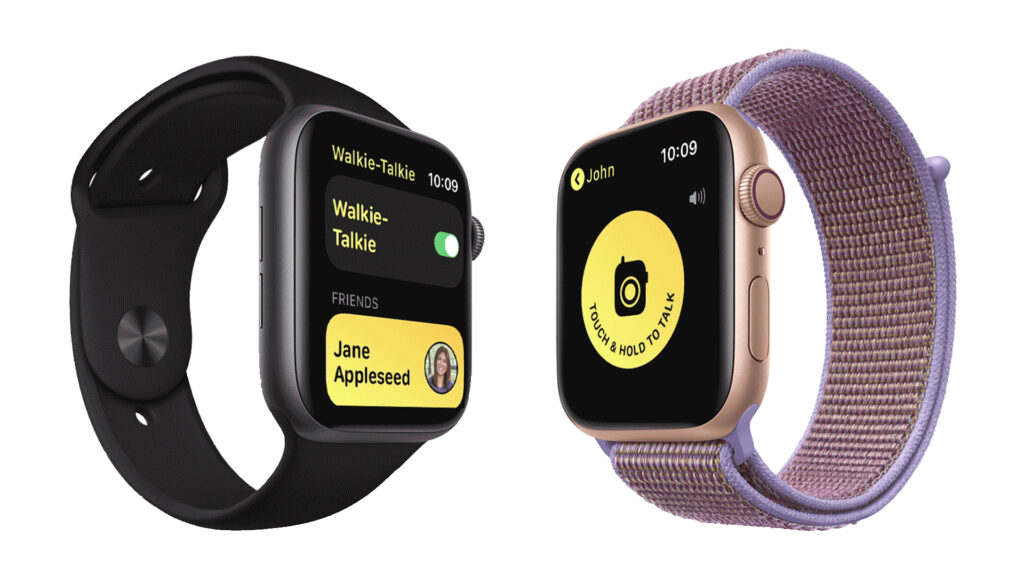
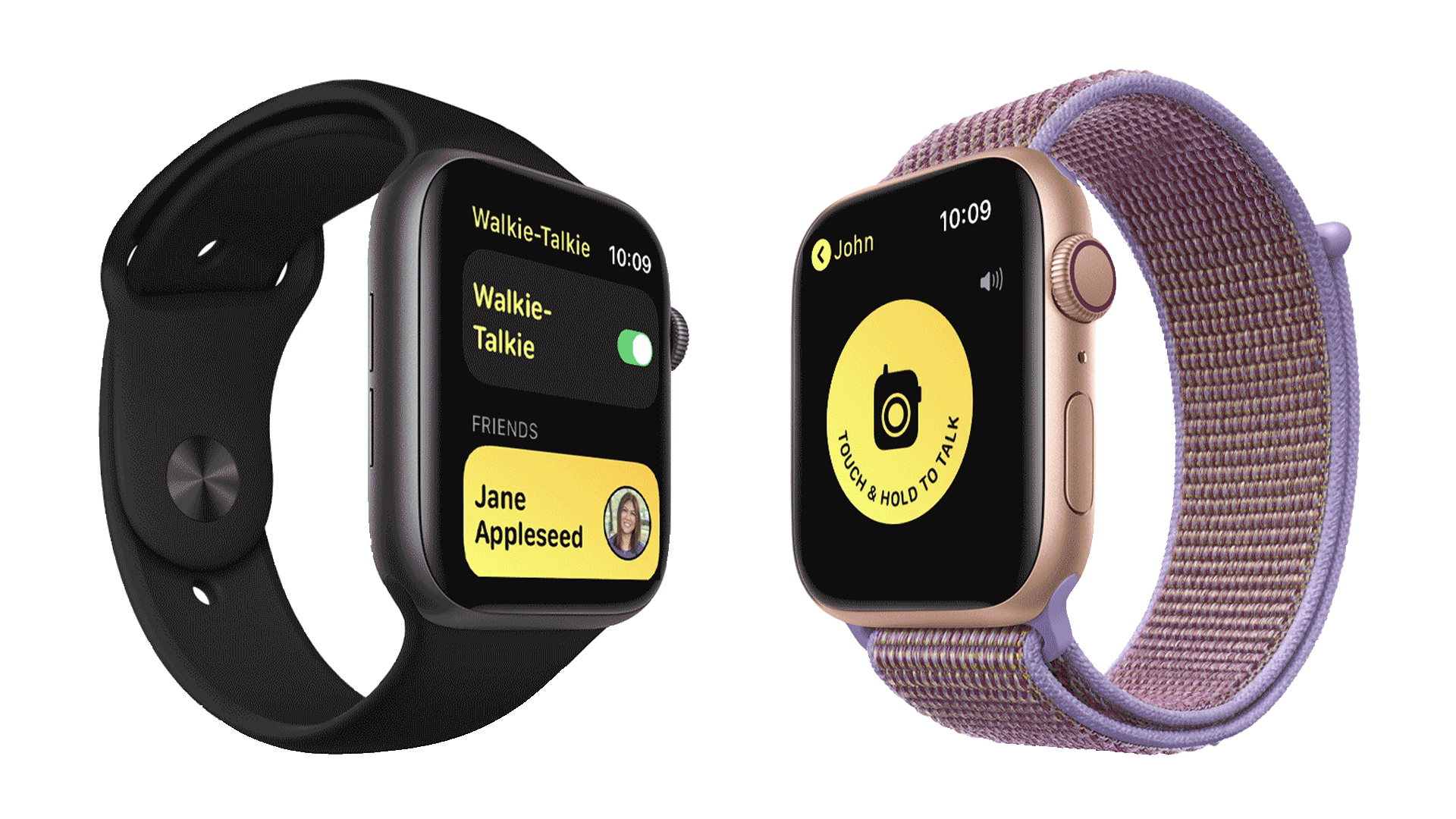
Similar to the vintage walkie-talkies of the past, this software enables audio chats to take place instantly with contacts who own an Apple Watch. The finest aspect? It works seamlessly even with Wi-Fi-only models—as long as your iPhone is close by—and does not require a cellular connection.

Configuring the App for Walkie-Talkies

Make sure you satisfy the prerequisites to utilise the Walkie-Talkie mode: both you and your contact must have iPhones running iOS 12.4 or later and Apple Watches running WatchOS 5.3 or later. It only takes a minute to set up.

Launch the app and send a friend request: From the App List on your Apple Watch, select the Walkie-Talkie app. To add a contact for the first time, press “Add Friends” and choose from your contact list.

Connect with Your Contacts: Your contacts will show up on your list of friends as soon as they accept the invitation. Press their name to start a discussion. Note: Establishing a connection could take some time.

To initiate conversation, press and hold the “Touch & Hold to Talk” button while speaking into your watch. When you’re done talking, release the button. After a brief tone, your voice will be sent to the recipient’s Apple Watch.

Toggle Accessibility Options: In the Apple Watch Settings app, turn on “Tap to Talk” if you’d rather have one-tap access. This makes conversation even more convenient by enabling you to switch the microphone on and off with a single tap.

Using the Walkie-Talkie Application

Pressing the Digital Crown on your Apple Watch will exit the Walkie-Talkie app. This ensures that the programme is always operating in the background and that you are always ready for talks. If there are moments when you just want quiet, see the FAQ section for details on how to temporarily disable the app.

Discover the hidden treasure of the Apple Watch’s Walkie-Talkie mode, which is really easy to use and convenient. This tool adds a nostalgic yet contemporary touch to communication on the go, whether you’re coordinating activities at home or staying in contact during outdoor adventures.

A Beginner's Guide to Generating AI Images in ChatGPT with DALL-E

A Beginner’s Guide to Generating AI Images in ChatGPT with DALL-E

A Beginner's Guide to Generating AI Images in ChatGPT with DALL-E

Image Source: isp.page

OpenAI has introduced DALL-E 3, the latest version of its powerful artificial intelligence image generator, exclusively for ChatGPT Plus and Enterprise subscribers. This article explores how to leverage DALL-E 3 within ChatGPT to create captivating AI-generated images.

Accessing DALL-E 3 in ChatGPT

To utilize DALL-E 3 in ChatGPT, you’ll need either a Plus or Enterprise subscription. While Plus subscription costs $20 per month, Enterprise pricing varies based on organizational size.

Log in to ChatGPT: Visit ChatGPT’s website at Chat.OpenAI.com and log in. If you’re not yet a Plus subscriber, sign up and provide your account details.

Switch to GPT-4: Navigate to the dropdown menu labeled “GPT-3.5” and select “GPT-4” to access DALL-E 3 along with other enhanced features.

Prompt GPT-4 to Create an Image: Compose a specific prompt for GPT-4, detailing the desired image. Be imaginative and precise in your description, specifying elements such as subjects, colors, background, and style.

Download or Regenerate Your Image: Upon receiving the AI-generated image, you can view it and download it. If desired, refresh the page to prompt DALL-E 3 to create another version of the image.

Accessing DALL-E 3 without a Plus Subscription

For those without a ChatGPT Plus subscription, DALL-E 3 is accessible via the Bing Image Generator. Simply log in or create a Microsoft account to start generating images.

Does DALL-E 3 Have Usage Limits?

In ChatGPT Plus, DALL-E 3 operates under the same constraints as GPT-4, allowing 40 messages within a three-hour window. However, the Bing Image Creator provides ‘Boosts,’ which expedite image generation. Each account starts with approximately 100 boosts, after which generating images may take longer.

Exploring the Possibilities of DALL-E 3

DALL-E 3’s integration with ChatGPT opens up a world of creative possibilities, enabling users to effortlessly generate unique and imaginative images to complement their conversations and ideas. Whether for artistic endeavors, storytelling, or design projects, DALL-E 3 empowers users to bring their visions to life through AI-generated imagery.

In conclusion, with DALL-E 3 now available within ChatGPT, subscribers can unleash their creativity and enhance their interactions with visually stunning AI-generated images. Whether you’re a seasoned designer or an enthusiastic amateur, DALL-E 3 offers a powerful tool for sparking creativity and bringing ideas to fruition.