The tech giant Google is currently experiencing difficult times. The CEO of the company has recently informed employees that more job cuts are expected this year. This news is significant for the tech industry and may indicate a shift in both market dynamics and employment trends.
Google's Financial Scenario Leading to Job Cuts
Over the past few years, Google has gone through various market changes and economic conditions. However, recent financial circumstances have necessitated a re-evaluation of their workforce strategy.
Previous Downsizing Efforts
Google has previously made efforts to cut jobs and downsize with the aim of streamlining operations and focusing on core business areas. However, the current situation seems to demand more significant changes.
Google CEO's Message to Employees
Image Source: cnbc.com
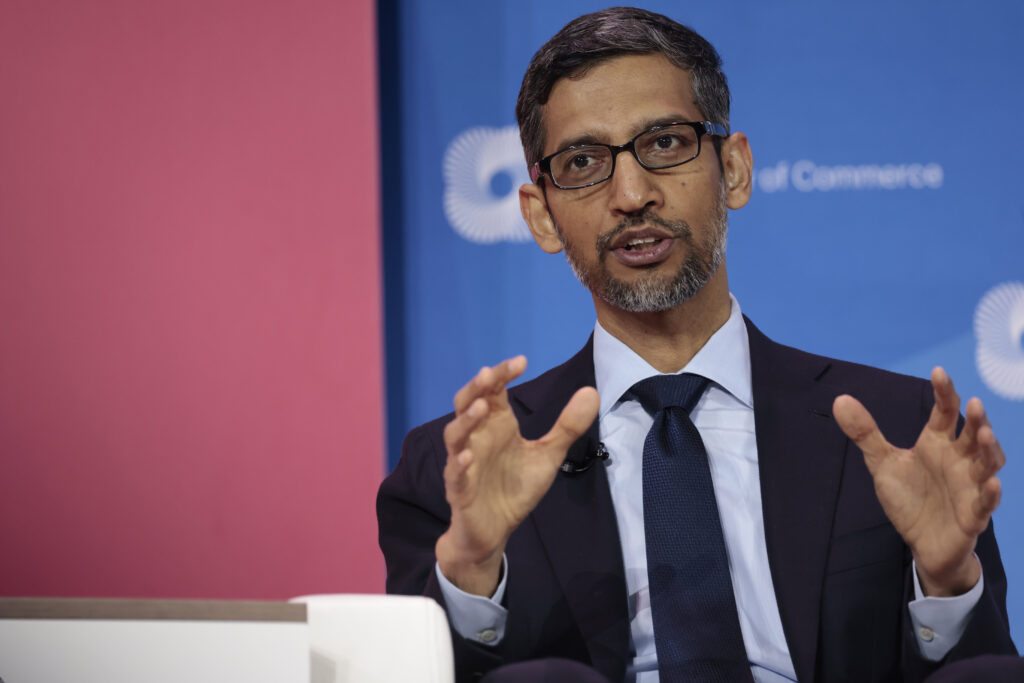
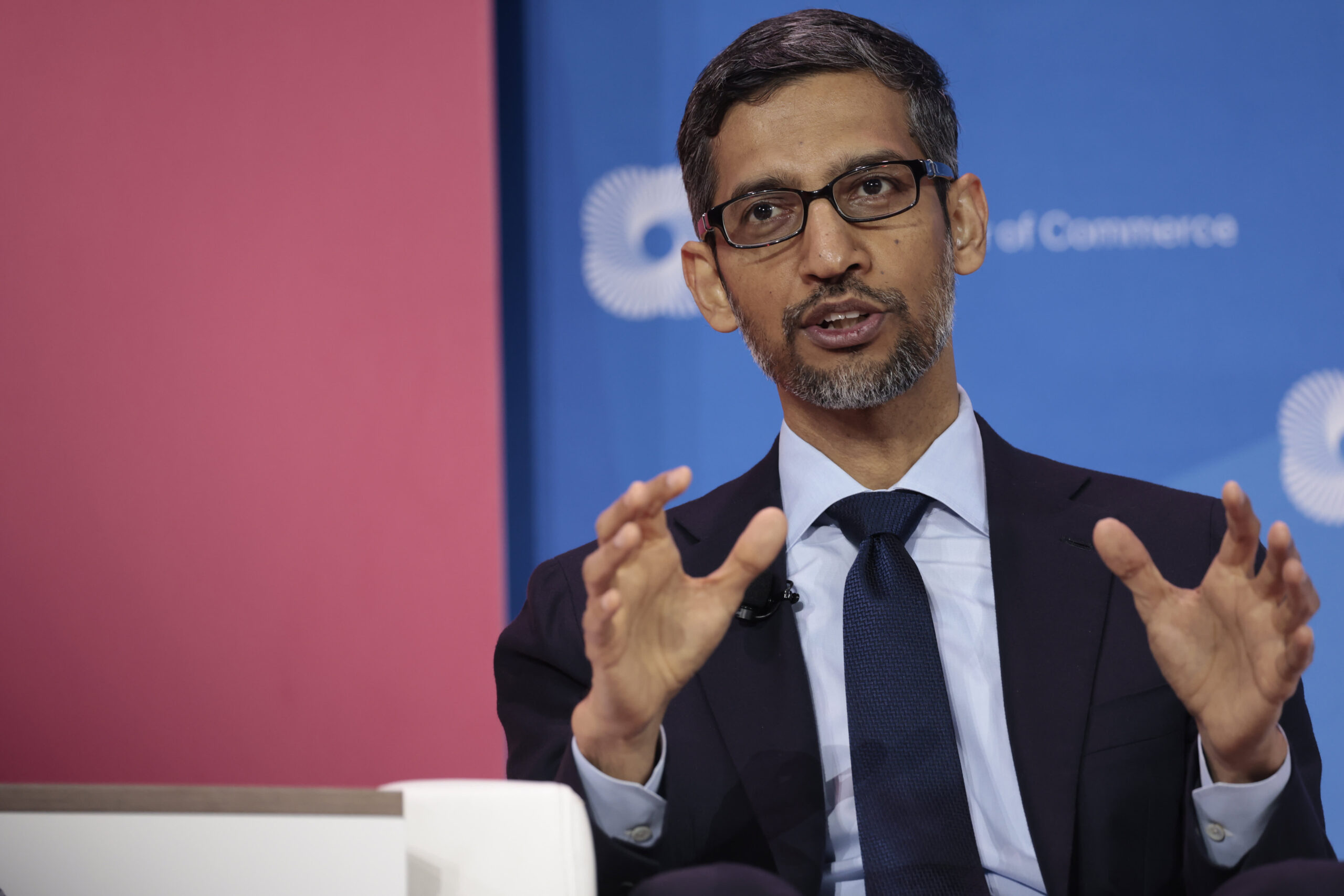
In a candid communication, Google’s CEO laid out the company’s plans for the coming year, including the tough decision to further reduce the workforce. The CEO’s message highlighted several key points, including the need for efficiency, the impact of global economic factors, and Google’s commitment to its long-term goals.
Impact of job cuts on Google staff
This announcement will undoubtedly have a significant impact on Google employees. This creates concerns about job security and has an impact on employee morale and future outlook. Maintaining employee morale in times of uncertainty becomes a serious challenge. How Google handles this phase will be important for its future.
Impact on Tech Industry
Google’s decision to cut jobs is not an isolated incident. It reflects broader trends in the tech industry, especially in the context of economic downturns and market volatility. Other tech giants are facing similar challenges, leading to a reassessment of workforce needs. This move by Google could set an example for how other companies deal with these challenges.
Reasons Behind Job Cuts
Several factors have contributed to Google’s decision to reduce its workforce. This includes economic factors, market conditions, and changes in business focus. The current global economic environment, characterized by uncertainty and change, has had a significant impact on Google’s decision-making process.
Advice for Employees
For those employees who may be affected by these job cuts, it is necessary to deal with this uncertain scenario. Here are some strategies for coping with job loss and looking forward. Career changes can be challenging, but they also provide opportunities for growth and new directions. Employees can explore various avenues to advance their careers after Google.
Despite the current challenges, Google is looking ahead. The company is focusing on innovation and adapting its business strategy to stay ahead in the tech landscape. Google’s future plans include a focus on new technologies and market opportunities, aiming to maintain its position as a leading tech company.
Conclusion
In conclusion, Google’s announcement of more job cuts reflects the realities of the changing tech landscape. How the company navigates this period will be critical to its future success.
In a surprising turn of events, Google recently admitted that it may collect data even when users are browsing in Chrome’s incognito mode. This revelation has raised concerns about privacy in the digital age. But what does this actually mean for Chrome users? Let’s delve deeper into this development.
Understanding Incognito Mode in Chrome
Incognito mode in Chrome involves recognizing its role as a private browsing feature that allows users to surf the Internet without saving browsing history, cookies, site data or form inputs on their device. Although it provides a level of privacy from other people using the same device, it does not offer complete anonymity online. Visited websites, employers, or Internet service providers may still track online activities during an incognito session. This mode is particularly useful for keeping a browsing session private from other users on the same device, but it’s important to be aware of its limitations in terms of overall online privacy and data security.
The Myth of Complete Privacy
However, the notion of complete privacy in incognito mode is a bit of a myth. Although this prevents certain types of data from being stored on your device, it does not offer complete anonymity online.
Google's Consent for Data Collection
Google’s recent admission highlights the limitations of Incognito Mode. The company has acknowledged that using this mode may still result in data collection in some circumstances.
What Data Could Be Collected?
The types of data that may be collected include information about websites visited, user interactions, and possibly location data, depending on the user’s settings and extensions used.
Privacy Concerns and User Trust
This revelation undoubtedly raises concerns about privacy and how much users can trust the private browsing modes offered by major browsers like Chrome.
The Legal Angle of Data Collection in Incognito Mode
From a legal perspective, Google’s data collection practices in incognito mode may raise questions about user consent and compliance with data protection laws.
User Consent and Data Protection Laws
In regions with strict data protection laws, such as the EU’s GDPR, this issue of consent and transparency in data collection becomes even more important.
Technically speaking, data collection in incognito mode involves several components such as cookies, trackers, and other technologies that can send information back to Google and other entities. Even in Incognito mode, some types of cookies and trackers may still function, thus allowing the collection of certain data.
Navigating Privacy in a Digital World
In conclusion, Google’s admission about data collection in incognito mode is a reminder of the complexities of privacy in the digital world. Users must remain informed and active in managing their digital footprint.
In an unexpected turn of events, Uber has announced the shutdown of its alcohol delivery service, Drizly. This decision marks a significant shift in Uber’s business strategy and has implications for consumers and the alcohol delivery market at large. This article delves into the reasons behind this move, its impact, and what the future may hold for Uber and its competitors.
Uber's Acquisition of Drizly
Image Source: vinepair.com
In 2021, Uber acquired Drizly, integrating it into its expansive portfolio of delivery services. This move was seen as a strategic step to diversify Uber’s offerings and tap into the growing market of on-demand alcohol delivery.
The Shocking News: Drizly's Service Closure
The announcement of Drizly’s shutdown came as a surprise to many. Customers who had become accustomed to the convenience of ordering their favorite drinks online were left wondering about the reasons behind this decision.
Behind the Decision: Why is Drizly Shutting Down?
The liquor delivery market is full of complex regulations and intense competition. These challenges may have played a significant role in Uber’s decision. With varying laws across states and countries, understanding the legal landscape of alcohol distribution is a difficult task. These regulatory challenges could create significant hurdles for companies like Drizly. Uber’s decision also reflects a strategic shift in its business model, potentially focusing more on its core services and other profitable areas.
How Will Drizly's Shutdown Affect Consumers?
Drizly’s closure will undoubtedly impact its regular users. However, there are many options in the market that consumers can turn to. With Drizly ending its service, customers may explore other alcohol delivery services that offer similar convenience and variety.
Drizly’s closure is not just an isolated incident but could have an impact on the entire liquor delivery industry. This creates an opportunity for other players in the market to fill the gap left by Drizly, potentially leading to new innovations and services.
Wrapping Up: The End of an Era for Drizly
The closure of Drizly marks the end of a significant chapter in the world of alcohol delivery services. As we bid farewell to Drizly, we look forward to seeing how the market adapts and evolves in response to this change.
Gmail is all set to enhance the user experience for Android users with the introduction of its much-awaited Unsubscribe button. Already popular among iOS and web users, this feature provides a streamlined way to manage email subscriptions.
Overview of Gmail's Unsubscribe Button
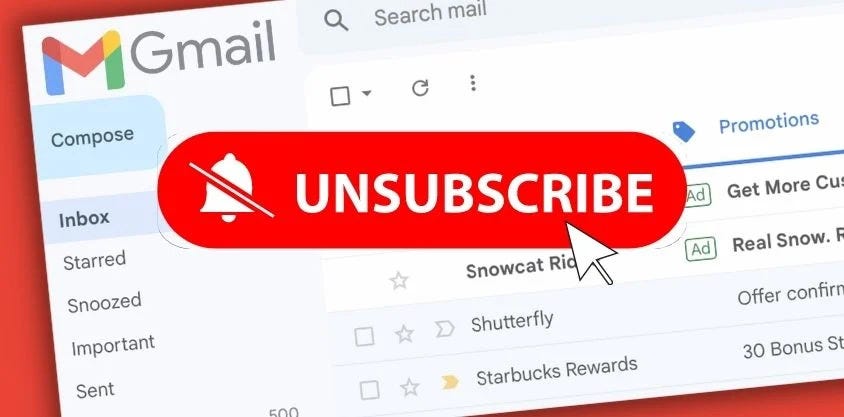
The unsubscribe button in Gmail allows users to easily opt out of email newsletters and promotional emails. This addition is a part of Google’s ongoing efforts to enhance user experience and email management efficiency.
Benefits of the Unsubscribe Button for Android Users
Image Source: medium.com
The Unsubscribe button in Gmail for Android streamlines email management by allowing users to quickly opt out of unwanted subscriptions. This feature reduces inbox clutter, saves time, and enhances overall productivity, making it easier for Android users to maintain a clean and organized email experience.
How the Unsubscribe Button Works
When a promotional email arrives, Gmail detects it and provides an unsubscribe option along with the sender’s details. With a simple click, users can remove themselves from mailing lists without going through multiple steps.
Impact on Email Management and Productivity
This feature significantly impacts how users manage their emails. By eliminating unnecessary emails, it allows users to focus on important communications, thereby increasing productivity.
Comparison with the iOS Gmail App
The introduction of the Unsubscribe button on Android reduces feature differences between the Android and iOS Gmail apps, providing a consistent experience across all platforms.
Potential Impact on Email Marketing
The unsubscribe button can create challenges for email marketers. Businesses will need to focus more on creating engaging content to reduce the chances of users dropping out.
In addition to the unsubscribe button, users can employ other strategies for efficient email management, such as using labels and filters and setting up priority inboxes in Gmail.
Conclusion
The introduction of the unsubscribe button on Gmail for Android marks a significant enhancement in email management. This empowers users to take control of their inbox, ensuring a more organized and productive email experience.
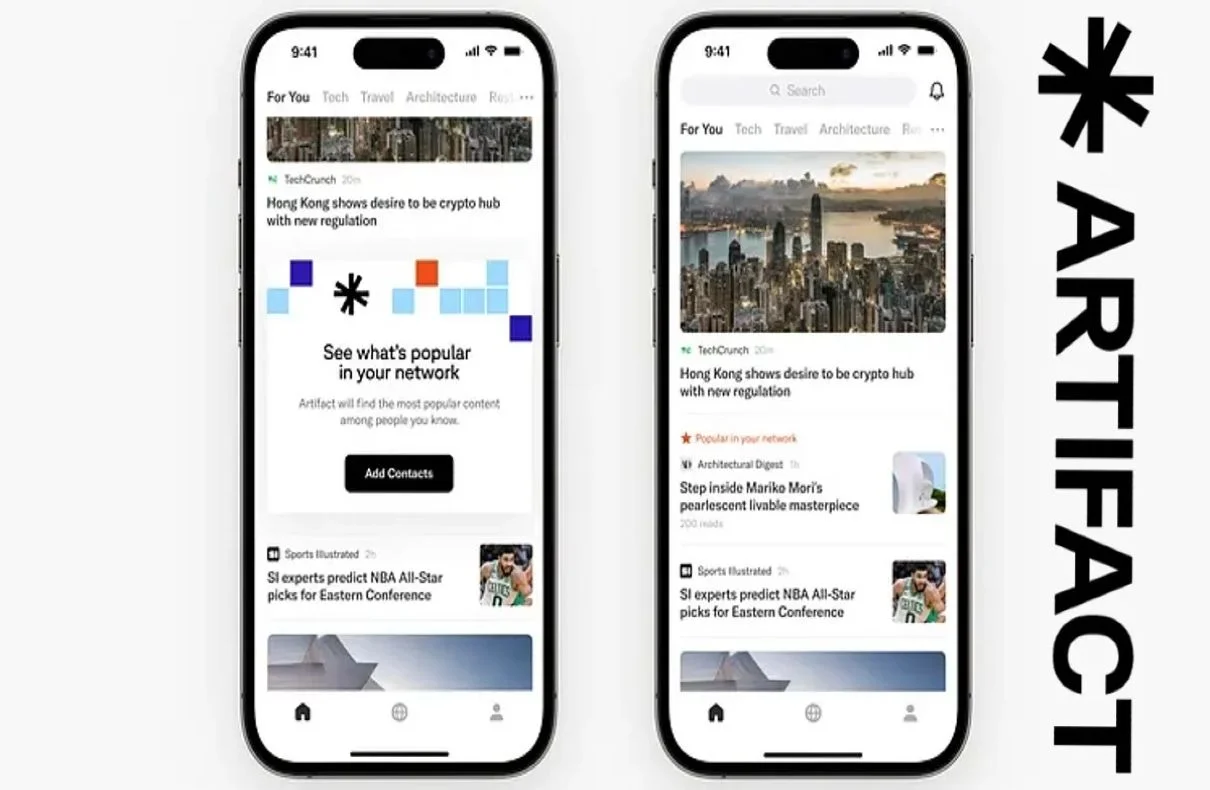
In a surprising turn of events, Artifact, the news app launched by the founders of Instagram, has announced its closure just a year after its much-anticipated debut. This article traces the artifact’s journey, examining the reasons behind its short lifespan.
Launch of Artifact
Image Source: pc-tablet.com
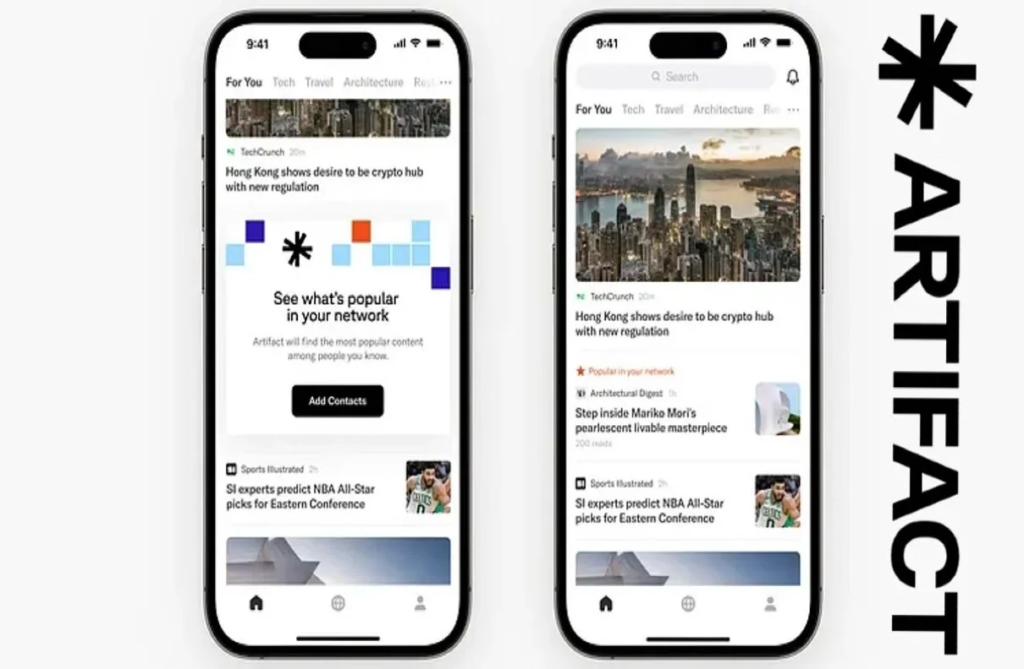
Artifact, a promising news app, was launched with a vision to revolutionize the way people consume news. It promised a personalized, AI-powered news experience leveraging the expertise of Instagram’s founding team.
User Response and Engagement
The app generated a lot of buzz at the time of its launch, with expectations sky-high due to the founders’ Instagram success story. However, the response from users was mixed, and Artifact struggled to maintain consistent engagement, a major factor in its ultimate decline.
Key Features of Artifact
Artifact was designed to present a tailored news feed based on user preferences using advanced AI algorithms. The app’s technology aimed to differentiate it from competitors, but it faced challenges in execution and user acceptance.
Competition in the News App Market
Artifact entered a crowded market, competing with established players who already captured significant user bases. Despite its innovative approach, Artifact found it challenging to differentiate itself and gain a foothold in the competitive landscape.
Decision to Shut Down
Artifact was forced to shut down due to a combination of lower-than-expected user engagement and strategic business decisions. The founders provided insight into their decision, emphasizing the difficulties faced in growing the app in a sustainable way.
Impact on the Tech Industry
Artifact’s shutdown offers valuable lessons about market research, user engagement, and the challenges of introducing new technology products. The tech industry has reacted with a mixture of surprise and understanding, acknowledging the difficulties of innovating in the digital news sector.
Role of Social Media in News Consumption
The rise of social media has dramatically changed the way news is consumed, driving a shift toward more personalized and on-demand content. Users are increasingly preferring news sources that offer customization and interactivity, a trend that Artifact sought to take advantage of.
The shutdown received a range of reactions from users ranging from disappointment to understanding, reflecting the mixed reception the app has received.
Conclusion
Artifact’s closure within a year of launch is a reminder of the unpredictable nature of the tech industry. This underlines the importance of user interaction and adaptability in the competitive digital news market. Although the artifact’s journey was brief, it leaves valuable insights for future digital news efforts.
In a landmark decision, OpenAI has recently lifted the ban on the use of ChatGPT for military and warfare purposes. This groundbreaking shift marks a new era in the application of AI technology, opening up many possibilities but also raising important ethical questions.
OpenAI's Policy Shift: An Overview
Image Source: commondreams.org
OpenAI’s decision to allow the use of ChatGPT in military and warfare contexts has attracted worldwide attention. This marks a significant change in the company’s policy, which previously focused on limiting AI applications to prevent potential abuse.
Implications of Using ChatGPT in Military and Warfare
ChatGPT can provide immense strategic benefits to military operations, including real-time data analysis, language translation, and decision-making support. The use of AI in warfare raises serious ethical considerations, from the potential loss of human control in decision-making to the consequences of automated warfare.
Global Reactions to the Policy Change
Various governments have responded differently, with some embracing the technology for defense, while others expressing concern over an AI arms race. Public reaction has been mixed, reflecting both excitement over technological advances and apprehension about the ethical implications of AI in warfare.
ChatGPT's Capabilities in a Military Context
ChatGPT’s advanced language processing capabilities make it a valuable tool for intelligence gathering and analysis. Its ability to quickly process large amounts of data can provide significant assistance in strategic decision-making and planning.
The Ethical Debate: AI in Warfare
The ethical debate centers around the ethical responsibilities of the use of AI in life-or-death situations and the potential dehumanization of war. Questions also arise about how international law views AI in warfare and the need for new rules and frameworks.
Security Measures and Safeguards
OpenAI emphasizes the importance of responsible AI use in military applications, advocating strict guidelines and ethical considerations. The company assures continuous monitoring and evaluation of the use of AI in warfare to prevent misuse and unintended consequences.
Potential Risks and Challenges
There is a significant risk of misuse of AI technology for harmful purposes, which requires strong control mechanisms. The integration of AI into military systems also raises cybersecurity concerns, highlighting the need for advanced security protocols to protect sensitive data and systems.
Future Scenarios: AI and Warfare
Looking ahead, the integration of AI like ChatGPT in military contexts could lead to significant changes in warfare, including autonomous systems and AI-powered strategy formulation.
OpenAI’s decision to lift the ban on ChatGPT for military use marks a turning point in AI development. This brings immense possibilities but also deep ethical and security challenges. As AI continues to develop, it is important that its application in sensitive areas such as military and warfare is guided by a strong ethical framework, international cooperation, and a commitment to global security and peace.