Your Tech Story

Technology

WhatsApp introduces a group call scheduling feature in Android Beta: How to use it?

WhatsApp introduces a group call scheduling feature in Android Beta: How to use it?

Scheduled group WhatsApp calls are now being made available to Android beta members. With the addition of the latest capability, WhatsApp has strengthened its service so that it can compete with Zoom as well as Google Meet. Particularly, Zoom & Meet have long allowed users to arrange calls and provide call invitations. WhatsApp now allows users to arrange calls after previously integrating call connections into its app.

WhatsApp introduces a group call scheduling feature in Android Beta: How to use it?
Image Source: gizmochina.com

After first revealing that the feature was under advancement, WABetaInfo has revealed that it is now being rolled out to a small group of beta users around the world.

The community call planning function is present in the most recent WhatsApp beta for Android 2.23.17.7, but it may also be accessible to owners of the 2.23.17.5 along with 2.23.17.6 versions, claims the well-known WhatsApp beta upgrade monitoring website.

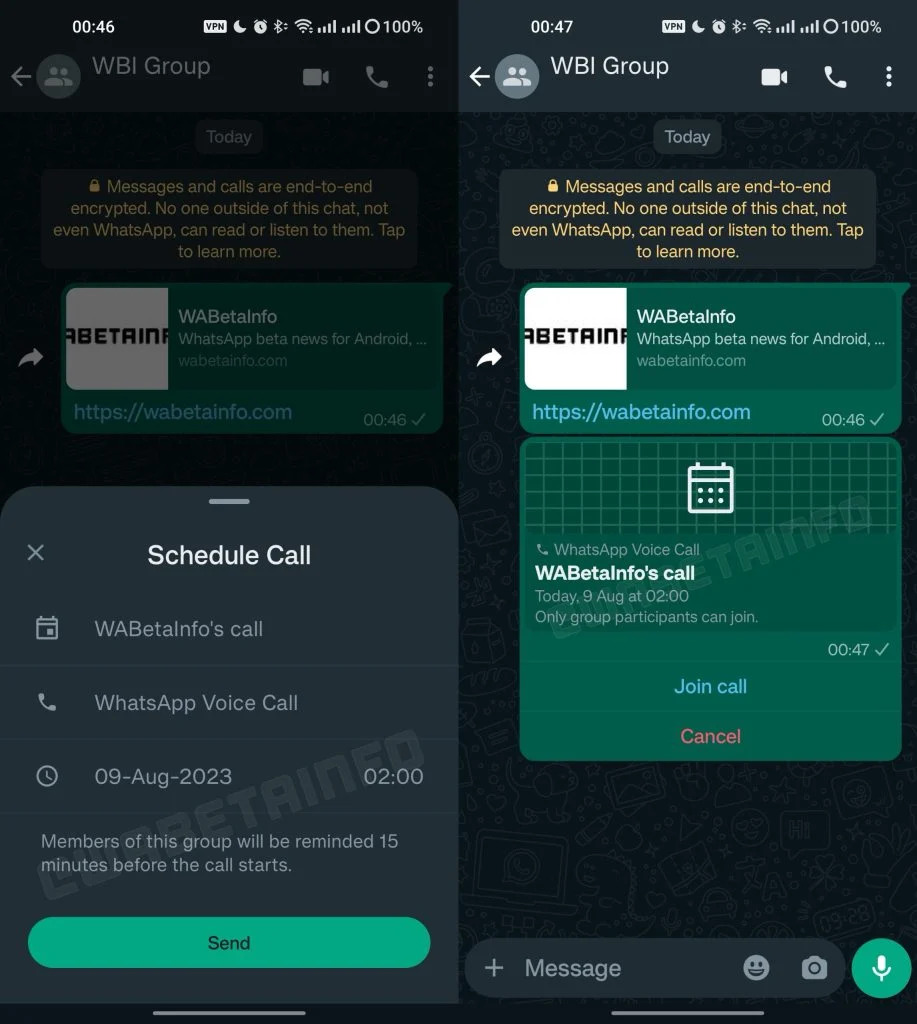
All it takes is a single push on the button for calling for group members to set up a conference call. Viewers will see an extra Schedule Call choice in the context panel that appears in addition to the standard Call Group selection. The user may choose the call subject, duration, and date after they select the Schedule Call option. The option to plan a phone or video conference with the group members is also available to users.

Only group members will be able to join the call after it has been scheduled thanks to a message that will be delivered to the group. The group members will receive a reminder 15 minutes prior to the meeting beginning when they select the Join this session button to ensure their attendance. Users may schedule a meeting with other group members using a procedure that is quite comparable to WhatsApp’s competitors.

Also Read: Google Docs Will Soon Introduce eSignatures, Beta Testing Started for Workspace Accounts

In recent times, WhatsApp has improved its group call capabilities. The platform raised the threshold for initiating a group call from seven to fifteen users. Although a group conference can still have 32 members, users could only begin a video call with 7 people and the rest had to be added afterwards.

The latest audio chat service by the company which is like Twitter Spaces, was just unveiled. The latest waveform icon will reportedly be introduced adjacent to the group name, as stated in the article.

google-digital-signature-yourtechstory

Google Docs Will Soon Introduce eSignatures, Beta Testing Started for Workspace Accounts

For Google Docs along with Google Drive in particular, Google has launched a publicly accessible beta for its recently added eSignature capability within Google Workspace.

google-digital-signature-yourtechstory
Image Source: thecurrent.pk

With the use of this functionality, various users’ signature collections for both individuals and groups of users will be improved. The statement, which Google made via a blog post, describes how this functionality will develop.

Google started alpha testing for asking and collecting eSignatures in Google Docs around June 2022. Based on the comments received throughout the testing phase, the business has now upgraded the electronic signatures feature for Google Workspace individual users to open beta.

In addition to this, Google intends to offer eSignature to a limited number of Google Workspace users in test mode. The executives and end users who utilise Google Workspace services are the development’s intended audience.

The Google Docs e-signature tool is designed to make it easier for those running independent businesses or small enterprises to ask for and append signatures to official papers.

Users may easily handle agreements, customer deals, and various other legally enforceable documents by simply integrating e-signature into Google Documents. The solution seeks to simplify processes and do away with the need to navigate between apps or tabs when signing documents.

Along with an expanded test including new personalised email designs in Gmail, the e-signature functionality will be made accessible in beta for a limited number of Google Workspace users, according to Google’s blog post.

Users have the option to change pre-existing designs, repurpose layouts across other email advertisements, or design new layouts using these email layouts.

Also Read: US starts process to restrict some investment in key tech in China

It is anticipated that the e-signature capability will begin to roll out to Workspace users on their starting on August 8. Requests will be approved, and consumers will be able to submit listings in the coming weeks for Workspace users keen on joining the beta.

Individual subscribers of Google Workspace are granted access to the electronic signature feature, and users of the Business Standard, Enterprise Starter, Enterprise Essentials, Enterprise Essentials Plus, Business Plus, Enterprise Standard, Enterprise Plus, Education Plus, and Nonprofits versions are accepted into beta testing.

US starts process to restrict some investment in key tech in China

US starts process to restrict some investment in key tech in China

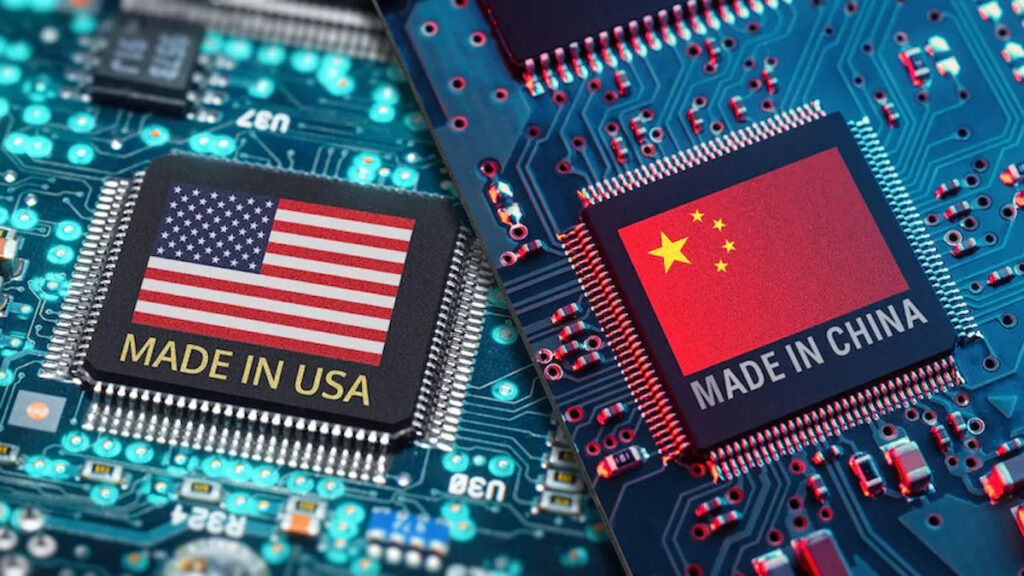
The White House has taken a significant step towards safeguarding sensitive technologies by initiating measures to restrict certain U.S. investments in China’s critical tech sectors. 

US starts process to restrict some investment in key tech in China
asiatimes.com

President Joe Biden signed an executive order on Wednesday, directing the U.S. Treasury Department to regulate investments in semiconductors, microelectronics, quantum computing, and artificial intelligence, with a particular focus on countries of concern, initially identifying China, Hong Kong, and Macau. The move aims to protect national security interests while setting the stage for a more controlled investment landscape.

The executive order establishes a framework where notification of investments will be required, and certain prohibitions will be applied to prevent the most acute national security risks. The targeted investments are those that could potentially provide China with military and intelligence advantages. Notably, these regulations will only apply to future investments and will not have retroactive effects.

The technology sectors under scrutiny are semiconductors, microelectronics, quantum computing, and artificial intelligence. These sectors hold immense strategic importance, and the United States has already imposed export restrictions on various technologies that are relevant to these fields. However, by restricting investments, the U.S. aims to prevent its funds from inadvertently aiding China in advancing its own domestic capabilities, which could undermine existing export controls.

While this executive order sets the groundwork for investment restrictions, it is important to note that the implementation process will be meticulous and may extend into 2024, coinciding with the presidential election year. The U.S. Treasury Department will undertake a rulemaking process that will include opportunities for public comment and stakeholder engagement. This thorough approach underscores the importance of these regulations for national security and international technological competition.

The Treasury Department’s proposed regulations target various aspects of technology investment in China. It is considering prohibiting investments in areas such as semiconductor manufacturing equipment, advanced integrated circuits, and certain quantum technologies. Additionally, the department is mulling over notification requirements for investments in less advanced integrated circuits and AI-related software with potential military or intelligence applications.

Also Read: Tokyo Electron’s Sales Dive 17% as Chip Market Malaise Persists

The U.S. has engaged in discussions with allies and partners to ensure that these measures are strategically sound and carefully tailored. Although no coordinated action was taken by allies on the day of the announcement, countries like Britain and the European Union have indicated their intention to implement similar investment restrictions. In fact, the Group of Seven advanced economies previously agreed that outbound investment restrictions should be part of the collective approach.

President Biden’s executive order represents a proactive stance towards protecting national interests and maintaining a competitive edge in crucial tech sectors. By establishing a regulatory framework for technology investments, the U.S. is working to strike a balance between economic engagement and safeguarding sensitive technologies. As the implementation process unfolds over the coming months, industry stakeholders, investors, and experts will closely monitor the developments that shape the future of U.S.-China technology interactions.

Tokyo Electron’s Sales Dive 17% as Chip Market Malaise Persists

Tokyo Electron’s Sales Dive 17% as Chip Market Malaise Persists

In the midst of a persisting chip market downturn, Tokyo Electron Ltd., Asia’s largest semiconductor equipment manufacturer, is finding solace in the accelerated investments by Chinese chip-makers. 

Tokyo Electron’s Sales Dive 17% as Chip Market Malaise Persists
capgemini.com

As the United States and its allies impose stricter export controls on cutting-edge technology, Chinese players are turning to mature semiconductor equipment, bolstering Tokyo Electron’s revenues. Tokyo Electron’s CEO, Toshiki Kawai, revealed on an earnings call that the company is experiencing “extremely strong investment” in China, leading to the acquisition of new customers. Kawai asserted that this trend is not a fleeting phenomenon limited to the current year but is anticipated to continue due to sustained demand.

This surge in demand from China is effectively compensating for the investment delays encountered among high-end logic chip manufacturers and foundries. Remarkably, China’s contribution accounted for 39% of Tokyo Electron’s revenues in the recent June quarter.

Tokyo Electron occupies a pivotal role in the chipmaking supply chain, supplying the machinery pivotal to Taiwan Semiconductor Manufacturing Co., Samsung Electronics Co., and Intel Corp. The company is weathering the storm by aligning its strategy with the prevalent market dynamics. It anticipates continued investment momentum in the automotive and industrial sectors, consistent with trends observed in the preceding fiscal year.

Despite a challenging global electronics market that led to a 17% sales drop in the June quarter, Tokyo Electron remains resolute in its full-year revenue forecast of ¥1.7 trillion ($11.8 billion). The company achieved an operating profit of ¥82.4 billion, slightly surpassing estimates. Hiroshi Kawamoto, Tokyo Electron’s finance unit head, stated that the Chinese clients are proactively adapting their strategies to circumvent restrictions, showcasing resilience in the face of evolving challenges.

Also Read:  Apple is working on its most powerful MacBook chip yet, the M3 Max

Notably, the company remains unscathed by Japan’s newly imposed constraints on chip-making equipment shipments, indicating its operational robustness. Tokyo Electron’s positive performance can be attributed to the advantageous boost from China, which counterbalances the subdued spending witnessed in other quarters due to the prevailing market slump. The global chip landscape has been marked by uncertainty, leading to July’s announcement by TSMC of a lowered annual sales projection and the postponement of its Arizona project’s production initiation to 2025.

However, despite the subdued market conditions, Tokyo Electron’s Hiroshi Kawamoto remains optimistic about the future. He revealed that the company has received numerous inquiries regarding artificial intelligence (AI)-related investments. Although the initial impact might be modest, the company believes that AI will gradually contribute to its earnings in the upcoming fiscal year. As the chip market experienced a probable bottoming out last quarter, Tokyo Electron positions itself to harness the evolving landscape, counting on innovation and strategic partnerships to navigate the ongoing challenges.

Amazon’s Robot

Amazon’s Robot Workers to Help Run Australia’s Largest Warehouse

Amazon’s Australian expansion takes a bold step forward as it prepares to operate within the country’s largest warehouse, leveraging advanced robotics for unprecedented efficiency.

Amazon’s Robot
Independent.co.uk

This move underscores Amazon’s commitment to innovation, efficiency, and blending cutting-edge technology with human expertise in its Australian operations. The upcoming fulfilment centre, sprawling over an impressive 209,000 square meters – equivalent to around 29 football fields, is slated for completion by 2025. Situated at Melbourne’s Craigieburn Logistics Estate, this monumental project is set to redefine the e-commerce landscape in Australia.

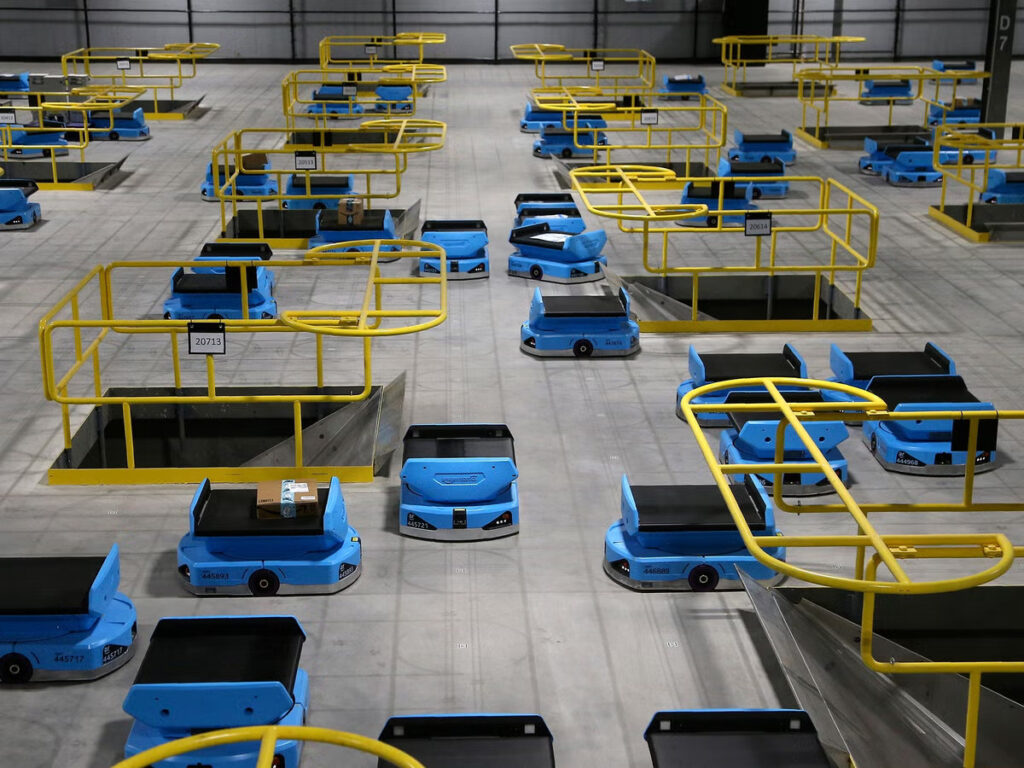
The true innovation lies in the seamless collaboration between human workers and a fleet of high-tech robots. These robots are designed to work alongside employees, optimising the order fulfilment process. By transporting inventory pods directly to human workers, these robots significantly reduce the time and physical strain associated with tasks like stocking items and picking orders. This harmonious man-machine partnership showcases how technology can augment human labour to achieve unmatched efficiency.

Beyond its technological marvel, this fulfilment centre is a cornerstone for job creation in Australia. In conjunction with the robot workforce, Amazon plans to generate approximately 2,000 job opportunities. Furthermore, an additional 2,000 jobs will emerge during the construction and fit-out phase of the facility. Amazon’s commitment to fostering employment growth while embracing automation reflects its dedication to progressive business practices.

This ambitious project marks a substantial expansion of 9,000 square meters when compared to Amazon’s existing Western Sydney robotics site, introduced with great success in 2022. The warehouse’s development is backed by Australian Super, the nation’s largest pension fund, with Logos at the helm of management and development. This underscores the growing trend of unlisted assets, particularly warehouses, gaining prominence within Australia’s A$3.5 trillion pension industry. The surge in online shopping has transformed the investment landscape, driving a shift towards digital economy-focused opportunities.

Also Read: Uber Is Developing an AI-Powered Chatbot to Integrate Into App

As Amazon’s Australian venture prepares to embrace this new paradigm, the integration of advanced technology and human prowess takes centre stage. The union of robotic precision and human skill amplifies operational efficiency, showcasing the trans-formative power of collaboration. With the fulfilment centre’s completion on the horizon, the business world anticipates Amazon’s pioneering role in shaping the future of warehousing in Australia.

In conclusion, Amazon’s adoption of robotics in Australia’s largest warehouse signifies a monumental leap towards enhanced efficiency and innovation in the e-commerce sector. This unprecedented synergy between cutting-edge technology and human expertise reaffirms Amazon’s commitment to redefining the retail landscape. As the countdown to the fulfilment centre’s completion begins, the business realm eagerly anticipates the dawn of a new era in Australian warehousing.

MacBook chip M3 Max.

Apple is working on its most powerful MacBook chip yet, the M3 Max

The extremely positive response to Apple’s M1 and M2 series CPU’s has led to the majority of users not noticing the absence of Intel chips in MacBook Air as well as MacBook Pro computers. The Apple M-series silicon offers outstanding efficiency in addition to exceptional performance. The MacBook Pro has even become a go-to device for many business customers since it is sufficiently capable to cope with everything they send at it. The latest MacBook Pro with an M3 Max processor from Apple may provide all you need if you’re on the lookout for a notebook with even greater capability.

MacBook chip M3 Max.
Image Source: macworld.com

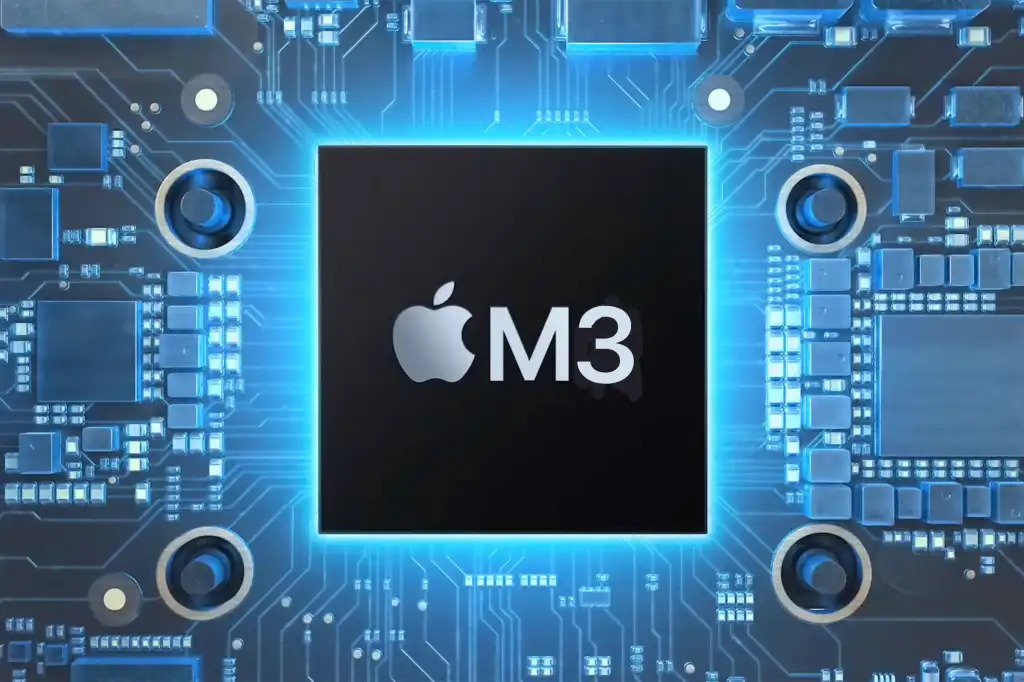
Mark Gurman, a reputed Apple leaker, disclosed to Bloomberg that Apple has started evaluating the M3 Max, their high-end laptop CPU.

In a minimum of one of its variants, the forthcoming M3 Mac might have 40 Graphics Processing Unit cores and 16 cores for the central processing unit (12 high-end along with four efficiency cores). 48GB of embedded RAM is also included in this setup for testing.

In contrast, the most advanced 16-inch MacBook Pro now available could come with up to 96GB of memory (RAM) as well as up to 8TB of storage on an SSD, along with a 38-core GPU, 12-core CPU, and 16-core Neural Engine. Although the current price of 6,500 dollars can appear eye-watering, several business scenarios can make this setup affordable.

To believe that the MacBook Pro with the M3 Max will be capable extend the limits of mobile computing further than before. The M3 processors increase the number of cores while switching from the TSMC 5nm manufacturing method used in the M2 range to the TSMC 3nm manufacturing technique. Only, this increase is anticipated to produce greater longevity of batteries and significant performance improvements.

Also Read: AI chip firm Tenstorrent raises $100 mln from Hyundai, Samsung

The only catch with this enormous, overbuilt computer is that its debut is not anticipated to happen very soon. The M3 Max-powered MacBook Pro model is anticipated in 2024, likely in January since that’s when Apple often updates the most expensive chips in its processor lineup.

If we may guess, the initial M3 computers should appear in October 2023. These are expected to be limited to the M3 base model, with the M3 Pro as well as M3 Max releases being postponed until early 2024. Therefore, we anticipate seeing the Mac mini,13-inch MacBook Air, iMac and 13-inch MacBook Pro, loaded with the M3 in October 2023.