Your Tech Story

Technology

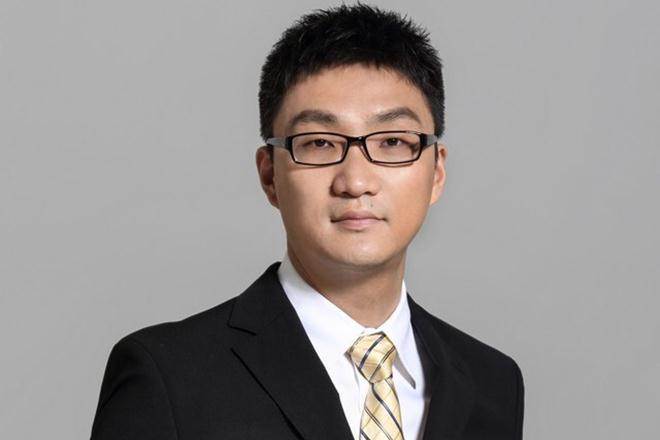
Colin Huang: A Profile in Leadership and Innovation at Pinduoduo

Colin Huang: A Profile in Leadership and Innovation at Pinduoduo

Colin Huang, born in 1980 in Hangzhou, China, has emerged as one of the most influential figures in the e-commerce industry. His journey to success is a testament to perseverance and innovation. Huang’s academic brilliance was evident early on. He earned a degree in Computer Science from Zhejiang University, one of China’s most prestigious institutions. His academic pursuits did not stop there; he later attended the University of Wisconsin-Madison, where he obtained a master’s degree in Computer Science.

Professional Beginnings

Colin Huang: A Profile in Leadership and Innovation at Pinduoduo

Image Source: financialexpress.com

Huang’s career began at Google, where he worked as an engineer. His time at Google provided him with invaluable experience and insight into the tech industry, particularly in search algorithms and data analysis. Working in Silicon Valley, he was exposed to the fast-paced, innovative environment that would later influence his entrepreneurial ventures. Despite the promising career at Google, Huang decided to return to China, where he saw immense potential in the burgeoning internet market.

Entrepreneurial Ventures

Upon returning to China, Huang launched several startups. One of his early ventures was Xinyoudi, a gaming company that achieved moderate success. He then founded Leqi, an online e-commerce platform. However, it was his next venture, Pinduoduo, that would catapult him to new heights.

Founding Pinduoduo

In 2015, Colin Huang founded Pinduoduo, a social commerce platform that revolutionized the online shopping experience in China. Pinduoduo combines traditional e-commerce with social networking, allowing users to form teams to purchase products at lower prices. This innovative model quickly gained traction, particularly among price-sensitive consumers in lower-tier cities. The platform’s rapid growth was fueled by its user-friendly interface, competitive pricing, and unique social shopping experience.

Under Huang’s leadership, Pinduoduo experienced exponential growth. The company went public on the NASDAQ in 2018, raising $1.6 billion in its initial public offering. Huang’s innovative approach to e-commerce disrupted the market, challenging established giants like Alibaba and JD.com. By leveraging social media and mobile technology, Pinduoduo attracted hundreds of millions of users, making it one of the fastest-growing tech companies in China.

Philanthropy and Personal Life

Despite his immense wealth and success, Colin Huang has remained relatively private. He is known for his philanthropic efforts, particularly in education and technology. Huang has donated significant sums to his alma mater, Zhejiang University, and other educational causes. His commitment to giving back to society underscores his belief in the transformative power of education and technology.

Legacy and Impact

Colin Huang’s success story is a remarkable example of innovation and perseverance. His ability to identify and capitalize on market opportunities has made Pinduoduo a household name in China. Huang’s journey from a computer science student to the CEO of one of the world’s largest e-commerce platforms is an inspiration to aspiring entrepreneurs worldwide. His legacy is not just in the success of Pinduoduo, but also in his contributions to education and philanthropy, demonstrating that business success can go hand-in-hand with social responsibility.

The Story of Alice Walton, Walmart Heiress

The Story of Alice Walton, Walmart Heiress

Born in Newport, Arkansas on October 7, 1949, Alice Louise Walton grew up in a family that would go on to become one of the richest in the country. Born into a family of three boys, Alice Walton, the daughter of Walmart owner Sam Walton, completed her education at Bentonville High School in 1966. She subsequently attended Trinity University in San Antonio, Texas, to obtain a Bachelor of Arts in economics. Her academic experience gave her a strong platform on which to build her future business and charitable efforts.

Career

The Story of Alice Walton, Walmart Heiress

Image Source: businessoutstanders.com

Alice Walton initiated her corporate phase of life with First Commerce Corporation as an equity strategist and financial manager. She worked in important positions at EF Hutton and Arvest Bank Group before starting Llama Company in 1988, where she served as the chief executive officer, president, as well as chairperson. She was a major contributor to the Arkansas-Northwest Regional Airport’s development, having personally provided $15 million for the airport’s development as well as $79.5 million in bonds. Her efforts brought her recognition, including the naming of an airport facility and her entry into the Arkansas Aviation Hall of Fame in the year 2001. When Llama Company closed its doors in 1998, she turned her focus to charitable work, art, and healthcare.

Art

Alice Walton had a strong interest in art from a young age, at the age of eleven, she bought her first important work, a Picasso print. She has a large collection of artwork by well-known artists like Edward Hopper,  Norman Rockwell, and Winslow Homer. The 2011 opening of the Crystal Bridges Museum of American Art in Bentonville, Arkansas, was made possible by this collection.  As of 2021, the museum, which was created by architect Moshe Safdie—had seen more than five million visitors. In an effort to increase the accessibility of art, Walton established the Art Bridges Foundation, which collaborates with small, local institutions to provide funding for art projects and exhibitions.

Contributions in Politics

Alice Walton has also actively contributed to politics. Her $2.6 million donation to the conservative group Progress for America made her the 20th-largest person who donated to 527 committees during the 2004 United States presidential election. Her impact in politics was demonstrated by her backing of the Hillary Victory Fund as well as Mitt Romney’s presidential campaign.

Philanthropy Walton has made significant contributions to a number of causes throughout his philanthropic path. She donated 225 million dollars to the Walton Family Holdings Trust in the year 2016 as part of the family’s charitable endeavours. The Alice L. Walton Foundation was founded by her in 2017 with an emphasis on educational opportunities, artistic endeavours, physical well-being, and economic opportunity. Notably, she financed initiatives to increase diversity in arts leadership and, in collaboration with the Ford Foundation, gave three million dollars to the University of Central Arkansas for its fine arts course

Medical Care

In an effort to provide access to holistic treatment, Walton established the entire Health Institute in 2019. Later, she revealed plans to establish the Bentonville-based Alice L. Walton School of Medicine, which would specialize in allopathic medicine. She assessed Northwest Arkansas’s healthcare system in partnership with the Cleveland Clinic and established a nonprofit medical facility for training in specialist care.

Individual Life

In her personal life, Alice Walton has seen both successes and setbacks. She has experienced several marriages and divorces in addition to a severe car accident that left her with lifelong injuries. After following her equestrian passion to a ranch near Millsap, Texas, she ultimately made her way back to Bentonville.

In summary

The narrative of Alice Walton is one of vision and commitment. Her reputation as a revolutionary character has been solidified by her contributions to healthcare, art, philanthropy, and community growth in Arkansas. She continues to have a tremendous impact on society through her fortune and authority, demonstrating the effectiveness of individual giving.

 
Who is Julia Koch? A Glimpse Into the Life of a Billionaire

Who is Julia Koch? A Glimpse Into the Life of a Billionaire

Julia Margaret Flesher Koch was born on April 12, 1962, in Des Moines, Iowa. Raised in Indianola, Iowa, she had a modest upbringing. Her father was a farmer and owner of a furniture store, while her mother was a homemaker. Julia attended the University of Central Arkansas, where she studied fashion design and merchandising, laying the foundation for her initial career path.

Career Beginnings

Julia moved to New York City in the 1980s to pursue a career in fashion. She worked as an assistant to fashion designer Adolfo, where she catered to high-profile clients, including Nancy Reagan. Her work in the fashion industry helped her build a network among the city’s elite, which would later play a pivotal role in her personal and professional life.

Marriage to David Koch

Who is Julia Koch? A Glimpse Into the Life of a Billionaire

Image Source: observer.com

Julia met David Koch, the industrialist and philanthropist, on a blind date in 1991. David was one of the Koch brothers, co-owners of Koch Industries, the second-largest privately held company in the United States. The couple married in 1996 and had three children together. Their marriage significantly elevated Julia’s social standing and influence, as David was deeply involved in both business and political circles.

Philanthropy and Social Engagement

Julia Koch has been actively involved in philanthropy, often alongside her late husband. They donated to numerous causes, including medical research, education, and the arts. Notably, they contributed to the New York-Presbyterian Hospital, the Lincoln Center for the Performing Arts, and the American Museum of Natural History. Julia continues this philanthropic legacy, focusing on health care, cultural institutions, and social services.

Inheritance and Wealth

David Koch passed away in August 2019, leaving Julia and their children a substantial portion of his wealth. This inheritance made her one of the world’s richest women. According to Forbes, as of 2023, Julia Koch’s net worth is estimated to be around $59 billion. Her wealth stems primarily from her stake in Koch Industries, which has interests in a diverse array of sectors, including chemicals, energy, and finance.

Influence and Public Perception

Despite her immense wealth, Julia Koch maintains a relatively low public profile. She avoids the limelight, focusing on her philanthropic efforts and managing her family’s affairs. Her reserved nature contrasts with the public activism of some other billionaires, making her an enigmatic figure in the realm of the ultra-wealthy.

Julia Koch’s journey from a modest upbringing in Iowa to becoming one of the world’s richest women is a remarkable story. Her life is marked by her early career in fashion, her marriage to David Koch, and her ongoing philanthropic work. Despite her vast wealth, she remains a private individual dedicated to giving back to society and preserving her family’s legacy.

Nexperia Invests $200 Million in German Chipmaking Facilities

Chinese-Owned Nexperia Invests $200 Million in German Chipmaking Facilities

Leading worldwide producer of fundamental semiconductors including diodes and transistors, Nexperia, revealed on Thursday that it will invest $200 million in further developing its Hamburg, Germany-based main manufacturing plant. With this large investment, Nexperia hopes to boost its European operations while increasing its German location’s capacity.

A Special Investment Devoid of Government Funding

Nexperia Invests $200 Million in German Chipmaking Facilities

Image Source: linkedin.com

With its main office in the Netherlands and possessed by the massive Chinese electronics company WingTech, Nexperia is investing a significant sum of money without depending on government grants thanks to the European Union’s Chips Act, which went into effect in 2023. This action is especially noteworthy because it’s one of the rare times that significant semiconductor investments in Europe happen without official government assistance.

At present, the European Union is investigating if China is wrongfully profiting from its domestic manufacturing of “legacy” chips, that serve as essential parts used in automobiles and home appliances. Nexperia is also the manufacturer of these chips, which emphasizes the importance of the organization’s investment in Germany.

Improving Vital Technologies

The digital revolution, green energy, and electric cars all rely significantly on semiconductors such as those made by Nexperia. According to the chief financial officer Stefan Tilger, they are the nuts and bolts that contribute to making new technologies possible, underscoring the essential significance of their products. With a yearly output of 100 billion chips and nearly a fifth of the world’s supply, Nexperia has an enormous manufacturing scale. After producing in Europe, the organization integrates and packages its goods in Malaysia, China, and the Philippines.

Handling Regulatory Obstacles

Following WingTech’s $3.6 billion acquisition of Nexperia in 2018, the European authorities have been closely monitoring the company. The British government ordered Nexperia to sell a Newport factory in 2022 because of safety issues. In a similar way in 2023, the Dutch government authorized Nexperia’s takeover of the firm Nowi following retroactive scrutiny, despite the German government excluding the company from receiving subsidies to produce battery efficiency technology.

Growing the Production of Advanced Chips

Production lines for two varieties of “wide bandgap” chips composed of silicon carbide (SiC) as well as gallium nitride (GaN) will be established in Hamburg by Nexperia. Because of their increased speed, efficiency, and capacity to withstand extreme temperatures and voltages, these chips are preferred over conventional silicon chips and are therefore essential for modern electrical infrastructure.

Nexperia, which was first separated from NXP, the erstwhile Philips chip division, in 2017, is still a major player in the worldwide semiconductor industry. This $200 million funding for Germany strengthens its standing as a major role in allowing future technology developments and its footprint throughout Europe.

SoftBank Invests in AI Startup Perplexity at $3 Billion Value

SoftBank Invests in AI Startup Perplexity at $3 Billion Value

SoftBank Group Corp.’s Vision Fund 2 is making a significant investment in US-based artificial intelligence startup Perplexity AI, valuing the company at $3 billion. This latest move by SoftBank’s founder, Masayoshi Son, underscores his commitment to the AI sector, which he views as vital for securing his legacy. According to sources familiar with the matter, SoftBank will invest between $10 million and $20 million in Perplexity as part of a larger $250 million funding round. This infusion of capital triples Perplexity’s valuation, positioning it as one of the industry’s most highly valued companies.

SoftBank Invests in AI Startup Perplexity at $3 Billion Value

Image Source: reuters.com

The deal highlights SoftBank’s strategy to accelerate its investments in AI. Recently, Son shared an ambitious vision for the future of AI, which includes developing “artificial super intelligence” (ASI), an AI system thousands of times smarter than any human. Speaking at an annual shareholders meeting, Son emphasized, “We’ve done many things, but all that’s been a warmup for my dream to realize ASI. This is what I was born to do.”

While the deal is not yet finalized and the terms could change, representatives for Perplexity and SoftBank have declined to comment on the ongoing discussions. Some details of the broader financing were initially reported by TechCrunch.

Strategic Partnerships and Controversies

SoftBank’s equity investment also reinforces an existing business relationship with Perplexity. Earlier this year, Perplexity announced a partnership to offer SoftBank’s Japanese wireless customers a free one-year subscription to its service. This collaboration has strengthened Perplexity’s presence in Japan, a significant market for the company.

Perplexity, established less than two years ago, has set itself apart from other AI chatbots by delivering more real-time information. Although primarily a search service, Perplexity describes itself as an “answer engine” that provides text-based results instead of traditional links. However, the startup has faced controversy regarding a product that summarizes news stories, raising questions about whether it adequately credits original news outlets.

SoftBank is expected to further intensify its focus on AI services. According to a Bloomberg report in February, SoftBank is planning to invest around $100 billion into AI-related chips under a project named Izanagi. When asked about Izanagi at the recent shareholders meeting, Son expressed his commitment to achieving tangible results but did not provide additional details.

In addition to Perplexity, SoftBank has been actively investing in other AI ventures. This year, the company invested $200 million directly into Tempus AI, a startup that analyzes medical data to improve treatment options for doctors and patients. They also plan to establish a ¥30 billion ($187 million) joint venture to offer similar services in Japan. Son explained his rationale for supporting Tempus during his recent address to shareholders, emphasizing his dedication to advancing AI technology.

Google and CME Collaborate on Cutting-Edge Facility for Cloud Trading

Google and CME Collaborate on Cutting-Edge Facility for Cloud Trading

Google, a division of Alphabet Inc., is working with CME Group Inc. to build an innovative cloud computing system with the goal of moving futures and options trading on the cloud. Their 10-year cooperation, which was started in 2021, took a big step forward with the announcement of this noteworthy development on Wednesday.

Location and Facility Development

Google and CME Collaborate on Cutting-Edge Facility for Cloud Trading

Image Source: linkedin.com

The present CME information centre located in Aurora, Illinois will be developed alongside the brand-new cloud and colocation sites. This choice was made because traders and high-speed trading companies would rather maintain their business operations in the Chicago region rather than incur the expenses and inconveniences of moving. Later this year, construction is expected to start, and the changeover will take place gradually.

Strategic Collaboration and Investment

Google gave CME a one-billion-dollar equity investment during the course of their partnership. Through this partnership, CME will be able to take advantage of Google’s cloud services, which include data analytics as well as artificial intelligence tools. chief executive officer of CME Terry Duffy claims that by combining specialized cloud-based services with current infrastructure, this endeavour would reduce customer disturbance and maximize productivity. Future Plans and Continuity of Operations.

Clients were promised by CME an 18-month notice period prior to market migration to the brand-new platform. The cash markets of the corporation will not move to the cloud; instead, they will continue to function out of their current locations. To improve trade efficiency, the matching engine—which is crucial for connecting buyers and sellers, will relocate to the cloud.

Comparisons and Trends in the Industry

The action fits in with larger industry trends, which show that exchanges are progressively implementing cloud-based technologies in order to cut expenses and boost productivity. To improve information resources and incorporate cloud services, for example, Cboe Global Markets Inc. in Chicago as well as Nasdaq Inc. have partnered with Amazon.com Inc., along with Snowflake Inc., as well, in comparable initiatives.

In summary

The new building from Google and CME represents a significant turn toward cloud-based trading. Through its close connection to Chicago’s trading network and utilization of Google’s cloud technologies, CME hopes to provide enhanced trading effectiveness and creativity with the least amount of disturbance to its clients.