Your Tech Story

Technology

Ex-Banker Behind Chipmaker Renesas Chases $100 Billion Value

Chipmaker Renesas Chases $100 Billion Value Under Ex-Banker’s Leadership
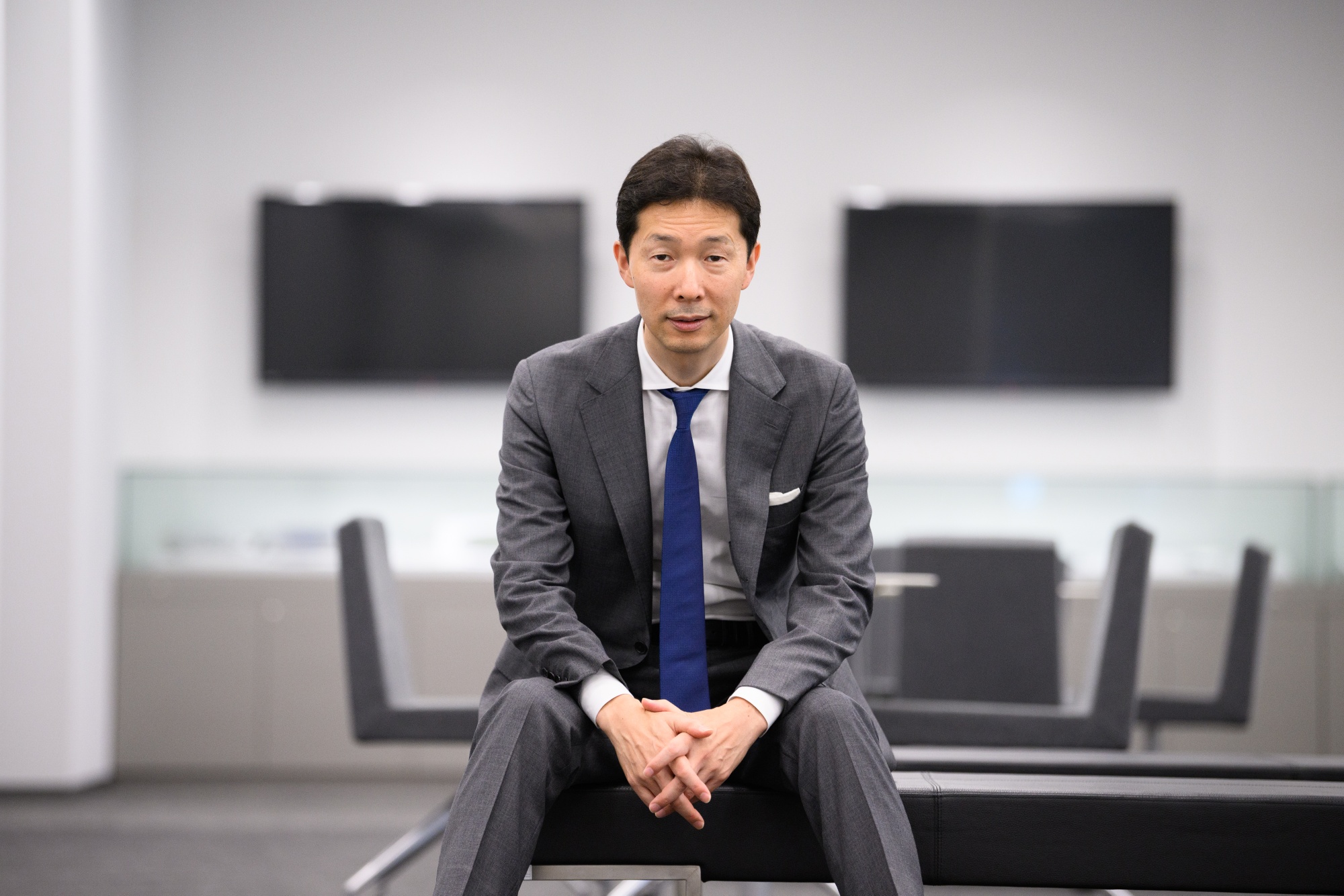

A decade ago, Renesas Electronics Corp. was struggling under government control, facing severe financial difficulties. Fast forward to the present, and the Japanese chipmaker, now valued at $35 billion, is ambitiously targeting a market value of $100 billion by 2030. The mastermind behind this remarkable turnaround is former Merrill Lynch banker, Hidetoshi Shibata. As the 51-year-old chief executive officer, Shibata has steered Renesas through a series of strategic overseas acquisitions, positioning the company for unprecedented growth.

Ex-Banker Behind Chipmaker Renesas Chases $100 Billion Value

Image Source: bloomberg.com

Under Shibata’s leadership, Renesas aims to double its annual revenue to $20 billion by the end of the decade. This ambitious goal is driven by new business opportunities in India and the development of AI-enabling microcontrollers. The recent surge in AI enthusiasm has significantly boosted Renesas’s shares, especially given its key role in supplying chips to automotive giants like Toyota Motor Corp., Honda Motor Co., and Nissan Motor Co.

On Wednesday, Renesas shares saw a notable rise of 5.1%, marking their highest level since the global financial crisis. This increase followed the announcement of the company’s aggressive expansion plans and its potential to reach a ¥16 trillion to ¥17 trillion valuation.

Strategic Acquisitions and Global Ambitions

Renesas’s journey from near-collapse to market contender is a testament to Shibata’s strategic vision. Formed from the chip divisions of NEC Corp., Hitachi Ltd., and Mitsubishi Electric Corp., Renesas was once the world’s third-largest chipmaker by sales, trailing only Intel Corp. and Samsung Electronics Co. However, a series of challenges, including the 2011 Japan earthquake that damaged a key factory, led to a decline in its fortunes.

Since joining Renesas as chief financial officer in 2013, Shibata has been instrumental in revitalizing the company through a series of high-profile acquisitions. This year, Renesas announced a $6 billion deal to acquire Australian software firm Altium Ltd., a move aimed at enhancing its capabilities in product development and electronics design. Shibata has also set his sights on the embedded semiconductor market, where Renesas aims to become the world’s third-largest player.

“We need to be a real global player,” Shibata stated in a recent interview. “It’s meaningless to be a major player in Japan. We have to be the top, globally. I want to make that happen.”

Shibata’s acquisition strategy has extended beyond the automotive sector. In 2021, Renesas acquired UK-based Dialog Semiconductor Plc for $6 billion. The company had previously purchased San Jose-based Integrated Device Technology Inc. and Milpitas, California-based Intersil Corp. These acquisitions have allowed Renesas to diversify into data centers and consumer devices, positioning the company for future growth. 

Looking ahead, Shibata has expressed interest in the potential of compound semiconductors, which are gaining popularity among electric vehicle manufacturers. With these strategic moves, Renesas is well on its way to achieving its ambitious $100 billion market value target by 2030.

China Says US Targeting of AI Not Helpful for Healthy Development

China Says US Targeting of AI Not Helpful for Healthy Development

China has expressed significant resistance to U.S. efforts that target investments in artificial intelligence (AI) within its territory, claiming that these moves could cause splits in the world and impede the advancement of AI technology. China’s U.N. Ambassador Fu Cong made this declaration on Monday in response to the U.N. General Assembly’s passage of a resolution that was written by China and intended to improve international cooperation on AI capacity-building.

US Draft AI Investment Regulations

China Says US Targeting of AI Not Helpful for Healthy Development

Image Source: foxnews.com

Citing possible risks to U.S. national security, the United States this month unveiled proposed regulations that would forbid or require notification of certain investments made in China in the fields of artificial intelligence and other technologies. 

These actions are part of a larger campaign to keep US knowledge from supporting China’s technological innovations and positioning it as a dominating player in international markets.

China's Resolute Reluctance

Ambassador Fu Cong stated their position is that these sanctions are not right. He underlined that American measures do not support the development of an inclusive and equitable economic climate and urged Washington to change course. According to Fu, the limitations would lead to inconsistent norms and regulations, which would fracture global governance in addition to impeding the development of AI technology.

Encouraging a Collaborative Enterprise Environment

The international community is urged to guarantee a just, transparent, inclusive, and non-discriminatory business environment throughout the lifecycle of AI systems, according to a recently adopted U.N. resolution that was drafted by China. 

In order to develop safe, secure, and reliable AI technology, international cooperation is essential, as this resolution emphasizes.

"We don't believe that the U.S. government's position or decision will be helpful to the healthy development of AI technology, and will, by extension, divide the world in terms of the standards and rules governing AI," Fu said, emphasizing the significance of international unity in AI governance.

reuters.com

An Appeal for Reversal

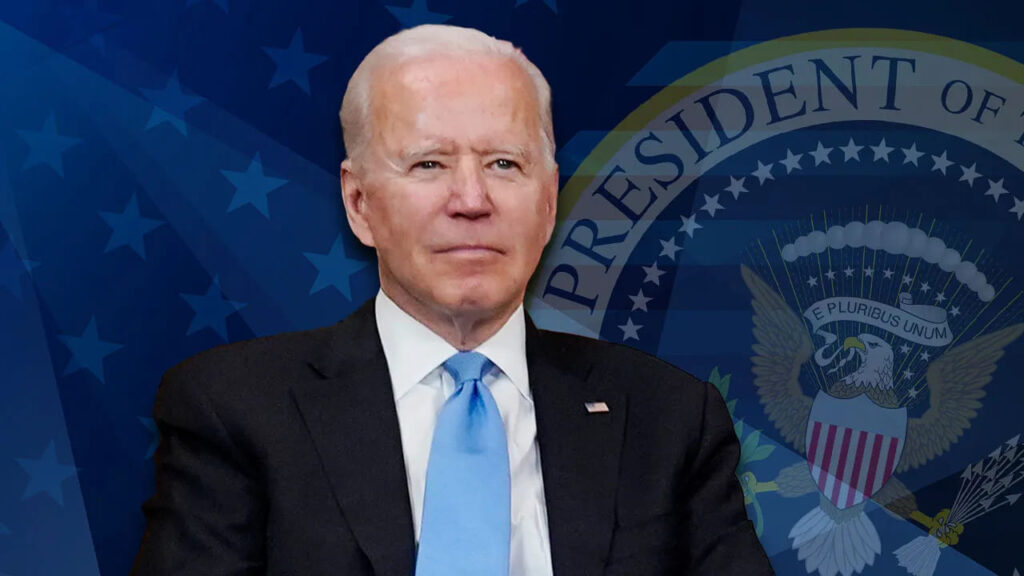
In response to an executive order that President Joe Biden signed in August of last year, the U.S. Treasury Department published these proposed regulations. This executive order is part of a larger strategic effort to protect American technological leadership and stop vital knowledge from being transferred to China, which might increase its technological might.

China’s call for lifting the U.S. limits on AI investments underscores the need for a more coordinated and cooperative approach to the development and regulation of AI technology, even while the debate over these investments rages on. The result of this geopolitical struggle will probably influence how international AI governance develops in the future.

 
Biden Administration Invests $504 Million to Develop 12 Nationwide Tech Hubs

Biden Administration Invests $504 Million to Develop 12 Nationwide Tech Hubs

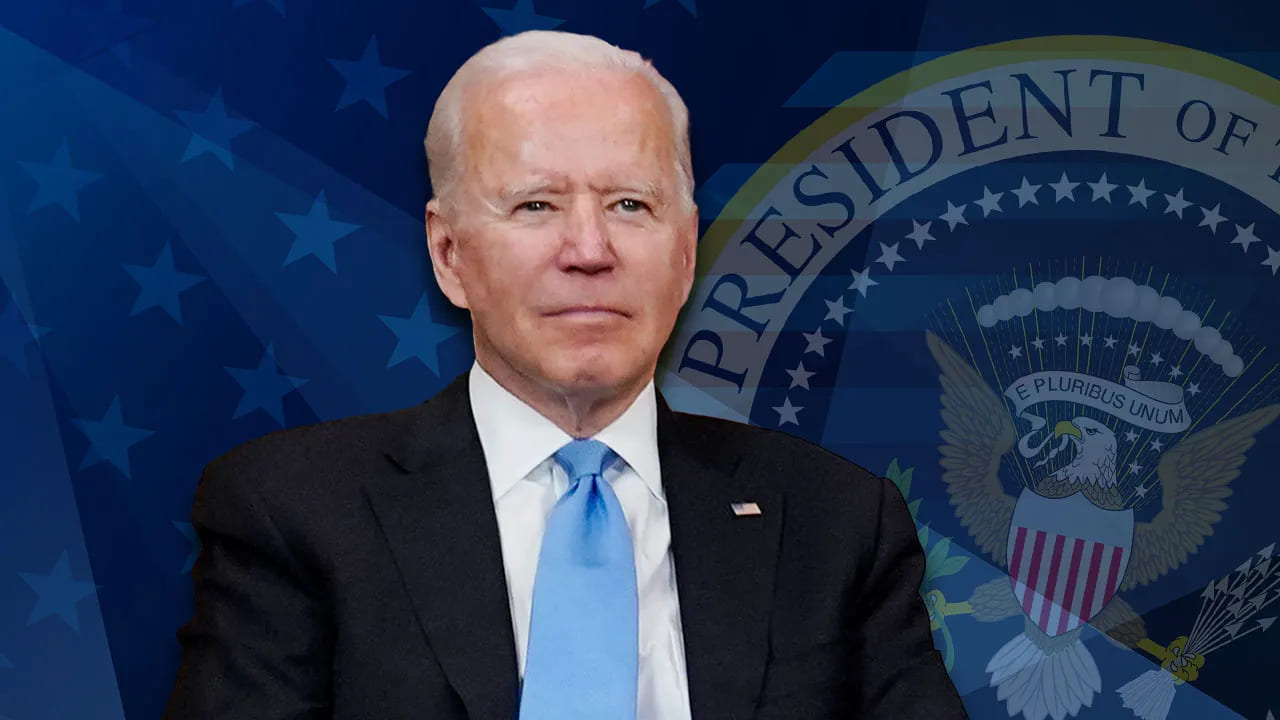
The Biden administration announced on Tuesday a significant investment of $504 million in implementation grants aimed at bolstering a dozen technology hubs spread across Ohio, Montana, Nevada, Florida, and other locations. This move is part of a broader strategy to foster technological advancement across the United States, ensuring that innovation is not confined to a handful of metropolitan areas like San Francisco, Seattle, Boston, and New York City.

Biden Administration Invests $504 Million to Develop 12 Nationwide Tech Hubs

Image Source: wkbn.com

The funds will support groundbreaking work in quantum computing, biomanufacturing, lithium batteries, computer chips, personalized medicine, and other cutting-edge technologies. Commerce Secretary Gina Raimondo emphasized the untapped potential spread throughout the nation, stating, “The reality is there are smart people, great entrepreneurs, and leading-edge research institutions all across the country. We’re leaving so much potential on the table if we don’t give them the resources to compete and win in the tech sectors that will define the 21st century global economy.”

Strategic Allocation of Funds

The $504 million investment is sourced from the Commerce Department’s Economic Development Administration. This strategic allocation follows President Joe Biden’s October 2023 designation of 31 tech hubs, as part of an effort to distribute technological growth and opportunities more evenly across the country. Raimondo highlighted the administration’s commitment to securing additional funding to ensure all designated tech hubs receive the necessary resources to thrive.

Nationwide Technological Renaissance

This comprehensive funding initiative aims to decentralize technological innovation, enabling a more balanced and inclusive growth of the tech industry. By investing in diverse regions, the Biden administration seeks to tap into the vast reservoir of talent and potential existing across the country, fostering a robust and competitive technological ecosystem.

The $504 million grants represent a significant step towards a more equitable distribution of resources, positioning various regions to become leaders in the next wave of technological advancements. As these tech hubs develop, they are expected to drive economic growth, create jobs, and pave the way for the United States to maintain its leadership in global technological innovation.

Billionaire Xavier Niel Bids $4.1 Billion to Take Over Millicom

Billionaire Xavier Niel Bids $4.1 Billion to Take Over Millicom

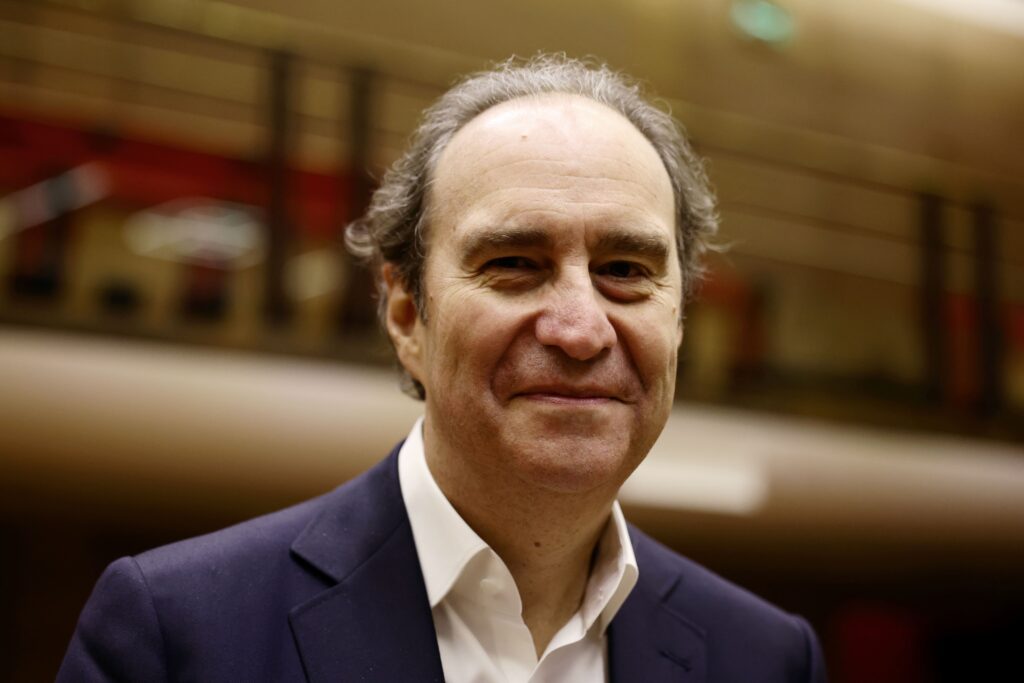
Billionaire Xavier Niel has made a substantial offer to buy all of the outstanding shares of Millicom International Cellular SA, valuing the telecom operator in Latin America at almost $4.1 billion. This is a daring move on his part.

The Specifics of the Offer

Billionaire Xavier Niel Bids $4.1 Billion to Take Over Millicom

Image Source: reuters.com

The proposal was made by Niel’s investment vehicle, Atlas Luxco Sarl, to buy Millicom shares for $24 in cash per share, which is marginally less than the business’s most recent closing price of $24.55. The independent board committee of Millicom has already determined that the offer is insufficient, stating that it “would significantly undervalue” the company given its financial performance in the second quarter, even though the board has not made a formal decision.

Money and Strategic Goals

The buyout proposal is completely financed by bank financing and available resources. Another chapter in Millicom’s takeover history Interest, Atlas, already the company’s largest shareholder, had been exploring this deal for months.

Niel purchased his interest in the company during discussions over a possible sale with Apollo Global Management Inc. as well as Claure Group last year.

The Market Position of Millicom

With its headquarters located in Luxembourg, Millicom provides landline and mobile telephony services to more than 50 million customers in Latin America under the Tigo brand. Due to market rivalry and economic uncertainty, Millicom has experienced inconsistent results in recent years; yet, the company generated $5.6 billion in revenues last year.

The decision by Atlas is interpreted by Analyst Insights BI analyst Matthew Bloxham as a conviction in Millicom’s underappreciated potential for cash production. He draws a comparison between Niel’s approach and French billionaire Patrick Drahi’s BT investment, pointing out that affluent telecom investors frequently exhibit confidence in generating large returns.

Advisory and Upcoming Actions

Niel is being advised on the transaction by BNP Paribas SA, Lazard Inc., Credit Agricole SA,  Societe Generale SA,  JPMorgan Chase & Co., and Svenska Handelsbanken AB. Financing is being provided by BNP, Credit Agricole, JPMorgan, Natixis, and Societe Generale. Market watchers and investors are waiting for more information about Millicom’s response and possible takeover as things stand.

 
SK Hynix Announces $75 Billion Investment in Chip Technology by 2028

SK Hynix Announces $75 Billion Investment in Chip Technology by 2028

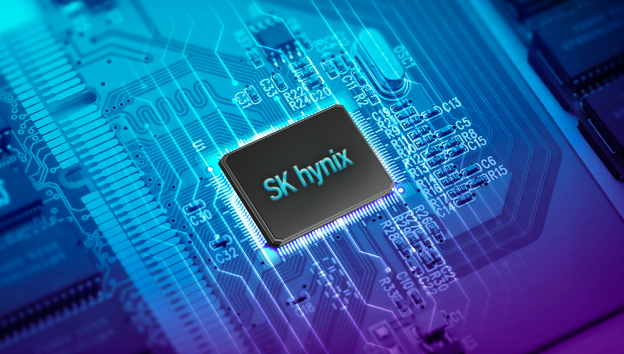
SK Hynix Inc., the semiconductor arm of South Korea’s SK Group, has unveiled an ambitious investment plan, announcing it will allocate 103 trillion won (approximately $74.8 billion) towards the chip sector by 2028. This substantial investment underscores SK Group’s strategic focus on the semiconductor industry, which is viewed as crucial for the conglomerate’s long-term sustainability and growth.

Focus on High-Bandwidth Memory Chips

SK Hynix Announces $75 Billion Investment in Chip Technology by 2028

Image Source: trendforce.com

A significant portion of the investment, about 80 percent or 82 trillion won, will be dedicated to high-bandwidth memory (HBM) chips, according to a statement released by SK Group on Sunday. These HBM chips are particularly optimized for use with Nvidia Corp.’s artificial intelligence accelerators, reflecting SK Hynix’s commitment to advancing AI technology. This move aligns with the broader industry trend of integrating AI capabilities into various technological applications, underscoring the critical role that memory chips play in supporting advanced computational tasks.

In addition to SK Hynix’s significant investment, SK Telecom Co. and SK Broadband Co. will also contribute 3.4 trillion won towards enhancing their data center businesses. This reflects SK Group’s broader strategy of bolstering its AI and data infrastructure to maintain a competitive edge in the rapidly evolving technology landscape.

Strategic Planning Amidst Challenges

This comprehensive investment plan follows a series of high-level strategy meetings led by SK Group Chairman Chey Tae-won. Over two days, Chey and approximately 20 top executives engaged in marathon discussions, totaling 20 hours, to chart the future course of South Korea’s second-largest conglomerate. The meetings emphasized the need for a thorough overhaul of the group’s diverse business operations, which span energy, chemicals, and batteries, in addition to semiconductors.

The stakes for SK Group are particularly high this year, as Chairman Chey faces the challenge of securing $1 billion for a divorce settlement. Speculators suggest that this financial pressure may drive Chey to implement measures aimed at boosting the conglomerate’s overall performance.

As part of its strategic goals, SK Group aims to generate 80 trillion won from operations and business restructuring by 2026. Additionally, the group plans to secure 30 trillion won in free cash flow over the next three years to maintain a debt-to-equity ratio below 100 percent. Despite recording a loss of 10 trillion won last year, SK Group projects a pretax profit of 22 trillion won for this year, with a target of increasing this figure to 40 trillion won by 2026.

This investment plan is the first time SK Group has disclosed its financial strategy through 2028. However, SK Hynix has already announced several significant investments this year, including $3.87 billion for constructing an advanced packaging plant and AI research center in Indiana, and $14.6 billion for a new memory chip complex in South Korea, among other domestic investments in the Yongin Semiconductor Cluster. These moves signal SK Hynix’s commitment to strengthening its position in the global semiconductor market and driving innovation in AI technology.

Stephen Schwarzman and The Rise of The Blackstone Group

Stephen Schwarzman and The Rise of The Blackstone Group

Pennsylvania’s Abington is where Stephen Schwarzman grew up after being born in Philadelphia. From an early age, he worked closely with his father in his grandfather’s drape business, where he formed an excellent work ethic. He was the class president and a track athlete in high school. At Yale University, Schwarzman studied social sciences and fell in love with corporate finance even though he wasn’t majoring in economics.  He began working at Donaldson, Lufkin & Jenrette after graduating from college and went on to study at Harvard Business School, where he was awarded a degree in 1972.

The Blackstone Group's Founding

Stephen Schwarzman and The Rise of The Blackstone Group

Image Source: investopedia.com

Following a prosperous career that saw him advance to the position of Managing Director at Lehman Brothers, Schwarzman and Peter G. Peterson founded The Blackstone Group in 1985 together.   They began with just two workers and $400,000, hoping to take on industry titans such as Morgan Stanley as well as Goldman Sachs. During a surge in leveraged buyouts, they generated close to $1 billion for Blackstone’s initial private equity fund by utilizing Schwarzman’s experience in acquisitions and mergers.

Development and Broadening

In the early 1990s, Blackstone broadened its initial concentration on private equity, particularly in real estate following a collapse in the market. The company took advantage of the rebound by purchasing properties at a discount. Blackstone was making investments in a number of industries by the 2000s, including technology and healthcare. The organization went on to purchase the Hilton hotel brand in 2007 following the completion of the largest leveraged buyout in history, a 34 billion-dollar acquisition of Equity Office Partners.

Releasing and Continuing Development

Schwarzman made Blackstone public in 2007, a revolutionary decision that allowed regular investors to share in the company’s prosperity. Blackstone kept expanding, stepping into the life sciences and purchasing businesses such as GSO Capital Partners and Clarus. Blackstone managed one trillion dollars in assets by 2023, making it the first corporation in its industry to do it. Schwarzman’s guidance and strategic acumen are noteworthy.

Charity and Heritage

Beyond his accomplishments in business, Schwarzman is renowned for his generosity. He has made significant gifts to universities like MIT and Yale that have advanced computing and artificial intelligence. Moreover, he established the Schwarzman Center for the Humanities at the University of Oxford with a $188.75 million donation. Schwarzman has left a lasting legacy by making a considerable impact on the economic and academic settings through these endeavours.