Your Tech Story

tech news

new policy

Elon Musk Slams PayPal’s ‘New Policy’ to Fine Users

Last week, according to a number of media sources, PayPal issued a new policy update prohibiting users of its services from engaging in actions it defined as “sending, publishing, or publication of any messages, content, or materials” disseminating misleading information.

new policy
Image Source: pgurus.com

According to reports, the policy change, which stated that users could be required to pay charges of $2,500 for every breach, was set to take effect on November 3. After receiving a barrage of condemnation from a number of well-known people, including the company’s former president, David Marcus, PayPal hastily apologized for what it termed “confusion” and claimed it was all just an oversight.

David Marcus, the former President of PayPal, criticized the new policy change on Twitter, noting that it runs against everything he believes in.

Marcus noted in his tweet, “A private company now gets to decide to take your money if you say something they disagree with. Insanity”.

Elon Musk, the co-founder of PayPal and the CEO of Tesla responded “Agreed” in response to Marcus’s tweet.

Musk, the CEO of Tesla and SpaceX, co-founded the online bank X.com in 1999. In 2000, X.com and Confinity merged to become PayPal. PayPal was purchased by the online auction site eBay in 2002 for $1.5 billion. eBay separated it in 2015.

Musk, who has reopened negotiations to purchase Twitter for over $44 billion, has also stated a desire to create a super app called X.com that will be accessible to everyone worldwide, similar to China’s WeChat.

On Monday, PayPal announced that it will not penalize users for false information and that a previous policy update stating that users would be required to pay damages of $2500 was sent incorrectly. The update, which PayPal claimed contained inaccurate information, provoked severe outrage on social media. The shares of the California-based corporation fell by about 6%.

The company states, “An acceptable use policy (AUP) notice recently went out in error that included incorrect information. PayPal is not fining people for misinformation and this language was never intended to be inserted in our policy.”

According to Google Trends data, global searches for “delete PayPal” increased by 1,392% after the update revelation and the company’s subsequent apologies.

PayPal has found itself in several controversies this year. On September 15, PayPal removed two right-leaning organizations from its platform in the UK. They were a campaign organization called The Free Speech Union and a news website called ‘The Daily Sceptic’. After a public outcry that reached Parliament, the accounts were subsequently reinstated.

Recently, Paypal also banned Gay Against Groomers, a group of LGBT individuals opposed to the sexualization and gender transformation of minor children.

This occurs during a crucial phase for PayPal. This year, pressure on tech and fintech companies as well as more specialized difficulties for businesses has caused PayPal shares to lose more than half of their value.

In order to adjust expectations to the new economic realities, the corporation lowered its prediction numerous times throughout 2022. Additionally, PayPal executives admitted that they had overestimated how pandemic-era trends would continue once the world reopened.

PayPal is a multinational financial tech company that operates an online payment platform in most countries that permit online money transfers. The business processes payments for internet retailers, auction sites, and several other business users for a fee.

Microsoft fall event

Microsoft Fall event 2022: What to expect

On Wednesday, October 12, the Microsoft fall event will most likely demonstrate how serious the company is about supporting Windows on ARM. Microsoft has yet to determine the future of Windows on ARM-based PCs, despite Apple’s shift to ARM-based silicon on its Mac. More information about Microsoft’s vision for Windows on ARM could be revealed at the company’s fall product launch next week.

Microsoft fall event
Image Source: windowscentral.com

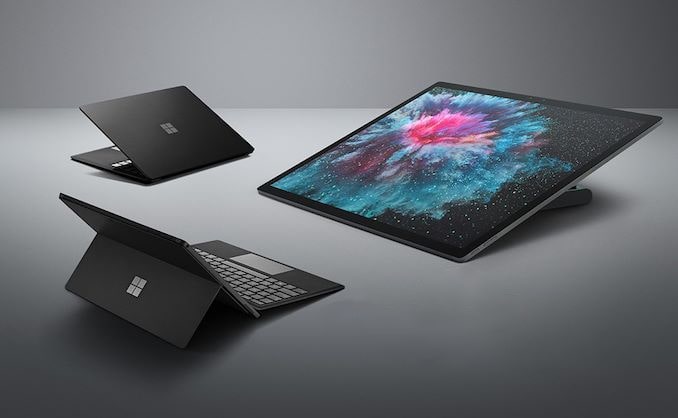
Meanwhile, Microsoft is preparing to launch several new Surface-branded computers, including a long-overdue Surface Studio refresh, next week. This Microsoft fall event will be broadcast live on Microsoft’s website and social media channels and will begin at 7:30 p.m. IST.

Here’s what we can expect.

Surface Pro 9

A Microsoft hardware event wouldn’t be complete without a new tablet, and the Surface Pro 9 could be one of the most significant updates to the lineup in recent memory.

According to Windows Central, the new model will incorporate the ARM-based Surface Pro X into the regular Pro family. If so, you’ll be able to choose between processor architectures without changing form factors, which is a first for the Pro series.

Whatever chip is used it would provide a significant speed boost. According to a source, Intel-based Surface Pro 9 models will use 12th-generation Core i5 and i7 U-series processors (significantly faster than the Pro 8’s 11th-generation parts), while ARM models will use the SQ3, a custom variant of the Snapdragon 8cx Gen 3.

Microsoft may stick with the previous maximum of 32GB of RAM and 1TB of storage, though cellular models will reportedly support 5G.

There are only a few changes to the tablet’s outlook. The Surface Pro 9 will be nearly similar to its previous model, with a 13-inch 120Hz display, two Thunderbolt 4 ports, a front 5-megapixel camera, a rear 10-megapixel camera, and support for the Slim Pen 2.

Although this is an iterative design, people liked the Pro 8 last year. It’s just a matter of if the cost is reasonable. According to WinFuture, Europeans may pay the equivalent of $1,300 for a Core i5 model with 256GB of storage, but this may not reflect American pricing.

Surface Laptop 5

The Surface Laptop hasn’t been touched by Microsoft since the spring of 2021, so it’s overdue for an update. Hopefully, the work is in progress. According to both Windows Central and WinFuture insiders, a Surface Laptop 5 with some minor but significant improvements is in the works.

The 13.5- and 15-inch portables would be equipped with 12th-generation Core i5 and i7 processors, which would represent significant improvements over previous chips. The most notable difference may be what you don’t get — WinFuture says there will be no AMD Ryzen-powered Surface Laptop 5 variants. However, the machine may be the first to support Thunderbolt 4.

The design of the Surface Laptop 5 could be nearly similar to that of its tablet counterpart. Cosmetic changes are unlikely, except for a possible sage green color option borrowed from the Laptop Go 2.

That won’t be a problem if you like Microsoft’s minimalist aesthetics, but it might be disappointing if you were hoping for a more eye-catching notebook like the XPS 13 Plus or MacBook Air M2 – especially given the rumored $1,200 asking price in Europe.

Surface Studio 3

The Surface Studio 3 is one of the most highly awaited products at the Microsoft fall event. Surface Studio’s most recent version was released in 2018, so it’s pending an update. The second-generation Surface Studio was excoriated for its high price as well as its out-of-date CPU and GPU. Microsoft will not make the same mistake with the Surface Studio 3.

According to rumors, the new all-in-one PC will use the same chassis as the first two Studios, including the signature tilting, stylus-friendly 28-inch display. However, the CPU and GPU will have been updated.

Wildcards: A mini-PC and Surface accessories

The biggest surprise may be the release of Project Volterra, a compact desktop aimed at developers creating ARM-native Windows apps with AI features. So it won’t be the Surface’s answer to the Mac mini.

The only other highlights could be the accessories. Windows Central’s Zac Bowden recently shared images of what he claims are updated Surface Keyboard and Surface Pen models that could be included with the Surface Studio 3 as well as sold separately. A Surface Mouse revision may also be available. Bowden also hinted at a “premium” speaker as well as a Teams-focused remote, but little else is known about them.

Galaxy Tab S9

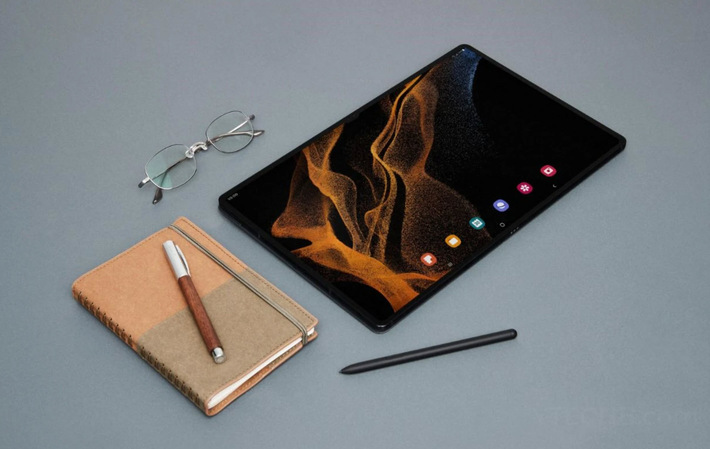
Samsung Delays Galaxy Tab S9 Series Launch

Due to recent economic uncertainties, South Korean electronics giant Samsung is reportedly delaying the release of its next-generation Galaxy Tab S9 series.

Galaxy Tab S9
Image Source: tablet-news.com

According to The Elec GizmoChina, Samsung introduced the Galaxy Tab S8 series earlier this year, one and a half years after the release of the Galaxy Tab S7 family. The company had planned to unveil its upcoming premium tablets in December. However, according to the source, they will now be released the following year.

According to the report, Samsung’s decision is the result of recent global economic uncertainty.

In accordance with the report, as the global pandemic of Covid-19 nears its end, demand for IT products has begun to fall globally. Samsung originally planned to produce 33.6 million tablets in 2022. However, due to low demand, the company may be unable to carry out its plans.

The global tablet market will contract by 8% this year, according to DSCC (Display Supply Chain Consultants). However, the premium tablet category (OLED and Mini LED) is supposed to grow by 22%.

According to reports, Samsung has devised a new strategy for its upcoming flagship tablets. The Galaxy Tab S9 series, like the Galaxy Tab S8 series, is said to have three versions.

In the last 24 hours, Samsung has sold over 1.2 million Galaxy devices in India, totaling Rs 1,000 crore. On the first day of the online festive sales, Samsung India said it sold more than 1.2 million Galaxy devices worth more than Rs 1,000 crore (by value). The Galaxy series of smartphones were among the most popular devices on both Amazon and Flipkart. In terms of monetary value, Samsung sold Galaxy devices worth over Rs 1,000 crore in 24 hours.

According to the company, the Galaxy M13 was the best-selling device, while the recently launched Galaxy M32 Prime Edition was among the top choices for Amazon’s Kickstarter deals. In less than 12 hours, the Samsung Galaxy Z Flip 4 and Galaxy Z Fold 4 received over 50,000 pre-orders.

On the first day of Flipkart’s Big Billion Days, Samsung doubled its platform market share. The Galaxy F13 was a top seller in the 4G segment, while the Galaxy F23 was the most popular 5G smartphone on Flipkart.

According to the company, the Galaxy S21 FE and Galaxy S22+ sold well in the premium segment on Flipkart. Samsung has also stated that it intends to consolidate its 5G and overall smartphone leadership in the country.

“Galaxy M33 was the top-selling 5G smartphone on Amazon. Galaxy S22, the biggest deal of the year on Amazon, and Galaxy S20 FE were among the top sellers in the premium segment on Amazon,” according to the company.

Source: latestly.com

Samsung is trying its best to enhance the user experience. In a real-world camera test, Samsung’s Galaxy S21 Ultra easily defeats Huawei’s P40 Pro. Huawei P40 Pro is the Chinese tech giant’s latest flagship. It is not, however, the best flagship available. In a real-world camera test, the Samsung Galaxy S21 Ultra outperforms the Huawei P40 Pro.

Samsung has also made the Buy Now, Pay Later option available for its Galaxy S22 Series, Galaxy Z Flip 3, and Galaxy Z Fold 4 smartphones. This offer is available at retail stores across India to ICICI Bank Credit cardholders with a minimum credit limit of Rs. 1.50 lakhs. Samsung’s Buy Now, Pay Later scheme also requires no down payment and charges a 1% processing fee.

It is also planning to consolidate its 5G and overall smartphone dominance in the country.

dementia

Sony device tests sense of smell to determine early signs of Dementia

The Japanese electronics behemoth Sony has developed a new device to gauge one’s sense of smell. The company anticipates using it in hospitals someday since olfactory assessment may aid in the early recognition of dementia.

dementia
Image Source: asia.nikkei.com

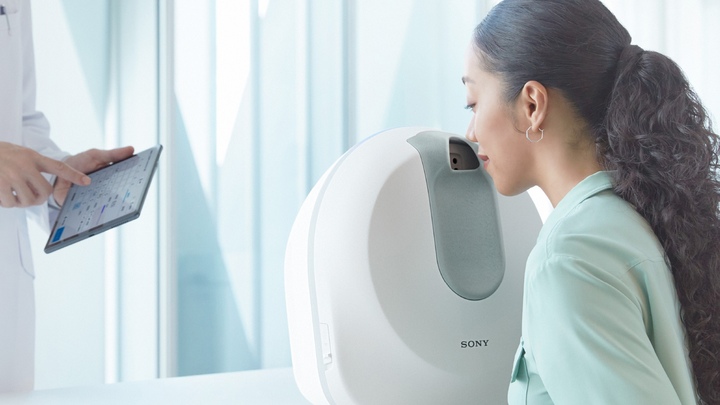
A new health-tech venture from Sony, evaluates an individual’s sense of smell and claims to be able to detect the early onset of dementia and other conditions. The device, which goes by the name NOS-DX1000 and is referred to as the “Odor Presentation Device,” makes use of Tensor Valve technology. The new Sony equipment will soon be made available to everyone and promises to introduce a new technique to determine if an individual is likely to eventually develop dementia.

As per Nikkei Asia, the Sony Group introduced the device on October 5. This new device will cost a staggering $15,900. The company refers to this new device not as a medical device but rather as a research tool that will aid in identifying any associations between the olfactory receptors and neurodegenerative diseases.

The primary function of the Odor Presentation Device is to assess a person’s sense of smell by presenting them with various scents or fragrances. It includes a Tensor Valve, which may completely eliminate an odor and seal in scents from inside the device. It functions as a smelling device that enables researchers to discover whether the patient has early symptoms of dementia as well as its associated disorders.

According to Sony, the device can produce 40 distinct odors. When the operator chooses a smell from a special app, it immediately emits that aroma. Additionally, test participants utilize the app to describe the smell they perceive.

Olfactory measurement is often performed by making the subject smell paper that has been soaked in an odor-emitting liquid. To avoid smell leaks impacting the test, though, a particular setting is needed. Since the new device is deodorizing and well-enclosed there is no need for a dedicated setting. 

In light of the coronavirus epidemic, olfactory assessment is becoming more and more important. There have been instances where persons infected with Covid experience issues with their ability to smell.

Fujita Shuji, who oversees Sony’s olfactory business development, claims he wants to make handling scents simpler by automating their measurement and lightening the load on examiners. In his opinion, the olfactory measurement might be utilized more broadly, particularly for health screenings, as a result of new technology that makes it simpler.

Dementia is a serious decline in brain function brought on by aging and degradation, though it can also develop in younger people. Memory loss, which affects patients’ short-term and long-term memories, is one of its early warning signs. Dementia is a symptom of many illnesses, and Alzheimer’s is among the most prevalent forms among patients.

Parkinson’s disease, which is also a degenerative brain disease that affects movement and similar functions, is a form of dementia that impairs a person’s motor skills. The Parkinson’s detector by the Apple Watch has received FDA clearance, and the company soon will be able to inform users about symptoms associated with the disease through the Apple Watch. 

By testing one’s sense of smell and looking for any signs of dementia, this new Sony equipment seeks to identify any abnormalities or problems with one’s neurological function.

The olfactory device that the parent company of the Sony Group announced on Wednesday will be on sale in the spring. The sale will primarily be for research purposes rather than as a medical device. 

OPPO A17

OPPO A17 and OPPO A77 launched in India: Check Specs

OPPO’s new smartphones A77s and A17 are now launched in India. The new models will be available in both physical stores and online stores. OPPO A17 is already on sale for Rs 12,499, while A77s will be available from October 7 for Rs 17,999.  Customers have the option of No Cost EMI for up to three months on A17s and six months on A77s. There is also a 10% cashback offer from top banks through online and offline channels. For A77s, zero down payment plans are also available.

OPPO A17
Image Source: newsbytesapp.com

OPPO A17 Specifications

OPPO A17 comes with a MediaTek MT6765 Helio G35 chipset and a 5,000 mAh battery. The price of this smartphone is Rs 12,499. The 6.56-inch HD+ display on the OPPO A17 has a waterdrop notch on top. If you want a smooth display, the panel’s 60Hz refresh rate can be a deal-breaker.

The phone has Android 12, ColorOS 12.1. It sports a 5-megapixel front camera in addition to a 50-megapixel double camera system on its rear. It has a 6.56-inch LCD display with a resolution of 720×1612. The smartphone will be available in sunlight orange and midnight black colors, with 4GB RAM and 68GB of internal storage. Other features include a 3.5mm headphone socket, a microSD card slot for additional storage and a side-mounted fingerprint scanner.

OPPO A77 Specifications

OPPO A77 is powered by a Qualcomm Snapdragon 680 4G processor. The smartphone boasts a 6.56-inch IPS LCD display with a 90 Hz refresh rate and a maximum brightness of 600 nits. It has 8GB RAM and 128GB of internal storage that is extendable with a microSD card. The new smartphone runs the Android 12-based ColorOS 12.1 operating system.

It sports a 50-megapixel main camera and an 8-megapixel front-facing camera. It also has a 2-megapixel monochrome sensor on its back. The smartphone is water and dust-resistant according to IP54 standards. It is powered by a 33W SUPERVOOCTM fast charger and a 5,000mAh battery. The OPPO A77 will have a fiberglass-leather design and come in two colors: starry black and sunset orange.

A side-mounted fingerprint scanner, twin Ultra-Linear stereo speakers featuring Dirac Sound, Bluetooth 5.0, and a 3.5mm headphone port are other features. The specifications of the A77s are a little better, thus the cost is also a bit higher. The phone is priced at Rs 17,999.

Both OPPO A17 and OPPO A77s feature the company’s Glow design style. This design is basically a finish with a touch of glitter that shimmers when light shines upon them but normally looks matte. Both OPPO A77s A17 and OPPO A17 are water-resistant to IPX4 standards.

The rear panel of the orange A77s, however, sports a Fibreglass-Leather design that we’ve earlier seen on other Oppo models, including the F21 Pro 4G. On the other hand, the orange color version of the A17’s back panel has a leather design attained through a composite procedure for a premium feel. The Oppo A77s appears to be a slightly modified version of the A77 and offers a smooth display panel and a fast-charging battery, while the Oppo A17 is a new phone designed for consumers who want a low-end smartphone with a 50-megapixel camera.

It seems that OPPO is hardly making any effort to include new technology in its entry-level and mid-range smartphones. The recently introduced A17 has a slightly modified back camera setup, but otherwise shares almost all of the same specs as the recently released A57 and A77 models.

OPPO is a Chinese company that produces consumer gadgets. Smartphones, audio devices, power banks, smart devices, and other electronic products are among its main product categories.

USB-C

EU warns Apple to Switch iPhone to USB-C

Recently the European Parliament passed a resolution mandating the use of USB-C as a common charging port by 2024. All smartphones, cameras, and tablets sold in the European Union must include a USB-C charging port end of 2024. The new rules will also be applicable to laptops starting 2026, providing manufacturers more time to adapt.

USB-C
Image Source: financialexpress.com

The new rule is a component of a larger EU initiative to minimise e-waste and give consumers more ability to make environmentally friendly decisions.

The new regulations will allow consumers to use a common charger for a wide variety of medium and small portable electronic gadgets, eliminating the need for a different charger each time they buy a new device. The new directive was supported by 602 members of the European Parliament.

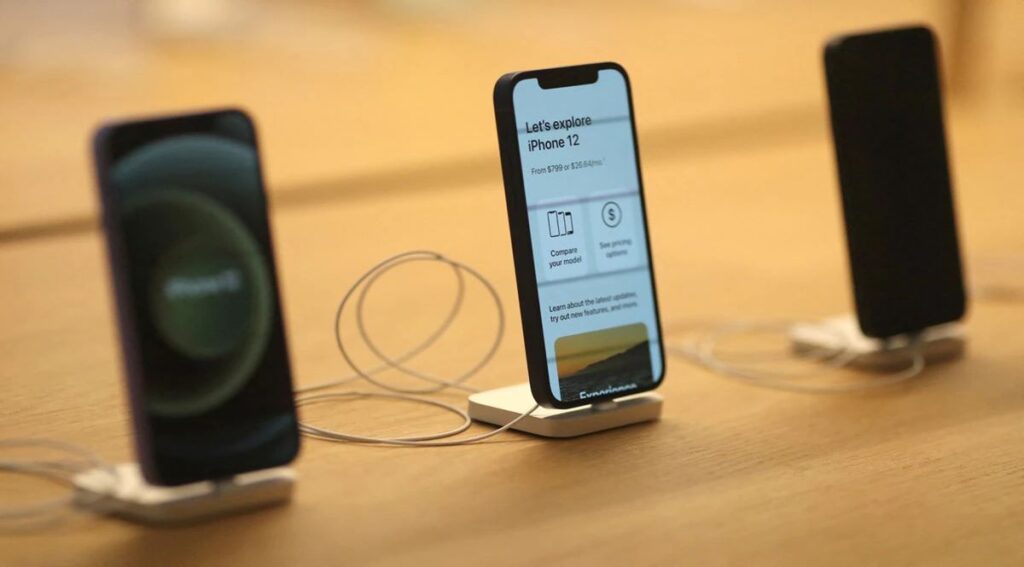
The USB-C ports used by Android-based gadgets are soon to become the norm across the 27-nation bloc Apple continues to offer its exclusive Lightning connector on the iPhones, AirPods, as well as other devices. As a result of the new regulation Apple will have to migrate to USB-C charging point by the end of 2024.

The reform, the first of its sort anywhere in the world, was voted by a resounding margin in the European Parliament on Tuesday. The move may boost the EU’s position as a leader in setting international standards for telecommunications. This “common port” restriction will affect Apple specifically because a significant chunk of Apple’s devices utilize the Lightning connector instead of USB-C.

MEPs claim that the modification will reduce electronic waste, enhance product sustainability, and enhance the usability of numerous products.  .According to Executive Vice President Margrethe Vestager, the move will reduce environmental waste and save customers approximately $247 million a year by eliminating the need to purchase a new charger for each device.

In 2018, the European Commission attempted to find a permanent solution to this issue, however it was not effective in becoming law. Apple said at the time that mandating a standard charging port would hinder innovation and result in electronic waste because customers would be compelled to purchase new cables.  Last year, the EU’s continued its efforts, with the European Commission leading the development of a revised version of the directive.

The Internal Market and Consumer Protection Committee backed the guideline in April with a vote of 43 in favour to 2 against. In June, the directive was introduced in the European Parliament.  Bloomberg reported in May that Apple is testing upcoming iPhone models that swap out the exclusive Lightning charging port for the more common USB-C connector. USB-C charging ports are already present in the iPad Pro models and Apple laptops.

All new smartphones, tablets, digital cameras, headphones, headsets, portable speakers, handheld game consoles, e-readers, keypads, portable navigation systems, earbuds, and laptops that can be charged  via a wired cable and operate with a power delivery of up to 100 Watts must have a USB Type-C port, regardless of the manufacturer.

Users will be able to charge their smartphones at the same pace with any suitable charger since all devices that enable rapid charging will now offer the same charging speed.

The new directive is expected to have the most effect on Apple’s iPhone. Apple has firmly remained with Lightning Connector it first debuted with the iPhone 5 back in 2012. The majority of the smartphone market has progressively focused on USB-C as a singular, standardised wired charging interface. Legislation from the EU may finally compel Apple change its charging port.