Your Tech Story

News

E-Commerce Startup Udaan to Trim Costs Ahead of 2025 IPO

E-Commerce Startup Udaan to Trim Costs Ahead of 2025 IPO

Before its anticipated IPO in 2025, Indian e-commerce firm Udaan is concentrating on cutting expenses and establishing partnerships with consumer goods companies. Operating profitability is the business’s goal, according to the chief executive officer Vaibhav Gupta, and it should happen in 18 months. Lightspeed Venture Partners-backed Udaan is among a slew of Indian startups aiming to capitalise on the expanding economy of the nation while satisfying investor expectations for profitability. With its financial technology division, Udaan, which provides small merchants with an online marketplace and logistical network, is also branching out into lending.

The priority “is steady and predictable financial performance,” Gupta said. “Second, strategically we want to ensure that we are top of mind with shopkeepers, with big manufacturers, and we maintain our relative market share”, he added.

retail.economictimes.indiatimes.com

Udaan Aims to capitalize on India's customer base

funded by Lightspeed Venture Partners Amongst the businesses attempting to capitalise on India’s customer base and economy’s explosive expansion is Udaan, which is also aiming to satisfy investor requests for revenue generation.

At the height of its employment, Udaan brought in thousands of people. Last year, it, along with other Indian startups, reduced employment and tightened internal controls as well as compliance.

With around 1,800 employees as of right now, Gupta would not say if more layoffs are necessary.

E-Commerce Startup Udaan to Trim Costs Ahead of 2025 IPO

Image Source: moneycontrol.com

Corporate governance errors at Byju’s, an Indian online teaching company that was once the country’s most valuable startup with a 22-billion-dollar value, exposed the particular difficulties encountered by South Asian entrepreneurs and encouraged other businesses to exercise greater caution.

“We continue to move towards more professionalized management, professionalized board and also institutionalized shareholders as we go towards public markets,” Gupta said.

retail.economictimes.indiatimes.com

Udaan has not yet decided if it will be listed internationally or in India. According to a report by September Business Standard, it was in discussions to raise a total of 400 million dollars and was estimated at more than three billion dollars in a 2021 investment round. Tencent Holdings Ltd. owns 6 percent of Udaan, while Lightspeed owns approximately 35 percent.

In 2016, three developers who worked before at Flipkart launched the firm. Until Vaibhav Gupta, who was among the founders, took on the role of the chief executive officer in 2021, the three of them jointly managed Udaan. Amod Malviya and Sujeet Kumar, the other two founders, are members of the board.

TikTok CEO to Discuss Data Protection, Disinformation With EU

TikTok CEO to Discuss Data Protection, Disinformation With EU

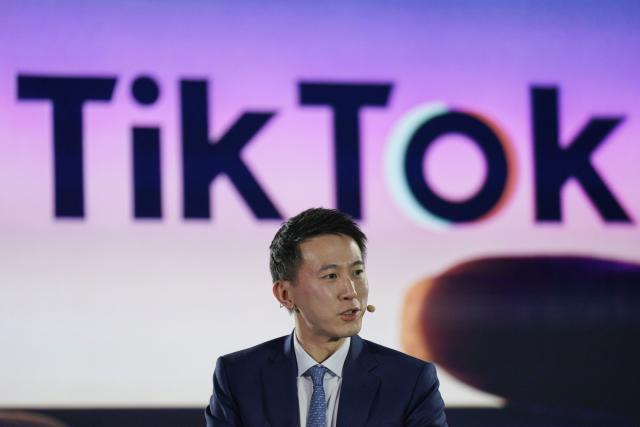
Shou Zi Chew, the CEO of TikTok’s parent company Bytedance Ltd., is set to engage in crucial discussions with European Union regulators in Brussels next week. The meetings will focus on pressing matters, including data protection, disinformation, and competition rules, marking the first official interaction between TikTok and EU authorities following a ban on government officials using the platform.

Chew’s visit to Brussels will involve high-level meetings with representatives from the European Commission, including Vice President Vera Jourova, Justice Commissioner Didier Reynders, and Internal Market Commissioner Thierry Breton. These discussions come at a time when social media platforms like TikTok are under increasing scrutiny, and the EU is keen to address concerns related to data protection, disinformation, and competition issues.

TikTok CEO to Discuss Data Protection, Disinformation With EU

Image Source: finance.yahoo.com

One of the key topics on the agenda will be “Project Clover,” an initiative by TikTok to place oversight of Europeans’ personal data in the hands of a third-party entity. This endeavor aims to address data protection concerns and build trust among EU users. With data privacy being a top priority in Europe, Chew is expected to provide insights into TikTok’s efforts to safeguard user information.

As the European Parliament elections are approaching in 2024, discussions are also likely to center around content moderation and countering disinformation on the platform. TikTok has been actively working to enhance its content moderation rules to ensure the platform remains a safe space for users. Ensuring the integrity of elections and preventing the spread of false information will be pivotal in these discussions.

The recent designation of Bytedance as a “gatekeeper” by the EU competition authorities will also be a topic of interest. This classification brings additional regulatory obligations, including stricter rules on data sharing and antitrust measures. Chew and EU representatives will delve into the implications of this designation and how it impacts TikTok’s operations in the EU.

TikTok's Perspective:

A spokesperson for TikTok confirmed the discussions, underscoring the company’s commitment to addressing the EU’s concerns and working collaboratively to ensure the safety and security of its users in the region. TikTok remains dedicated to being a responsible platform that complies with EU regulations and upholds the highest standards of data protection and content moderation.

As TikTok’s CEO embarks on these critical discussions, the outcome of the meetings may shape the future of the platform’s operations within the European Union, impacting millions of users and the broader digital landscape. Data protection, disinformation mitigation, and competition rules will continue to be key focal points in the evolving relationship between TikTok and EU authorities.

Skype, Flutterwave Founders Back $205 Million African Tech Fund

Skype, Flutterwave Founders Back $205 Million African Tech Fund

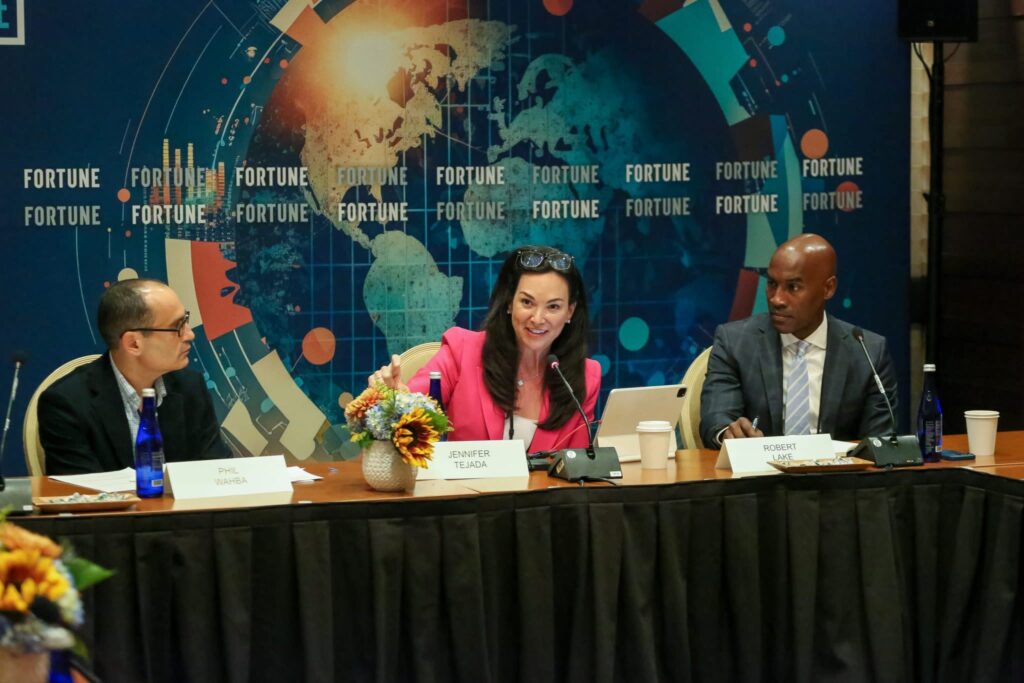
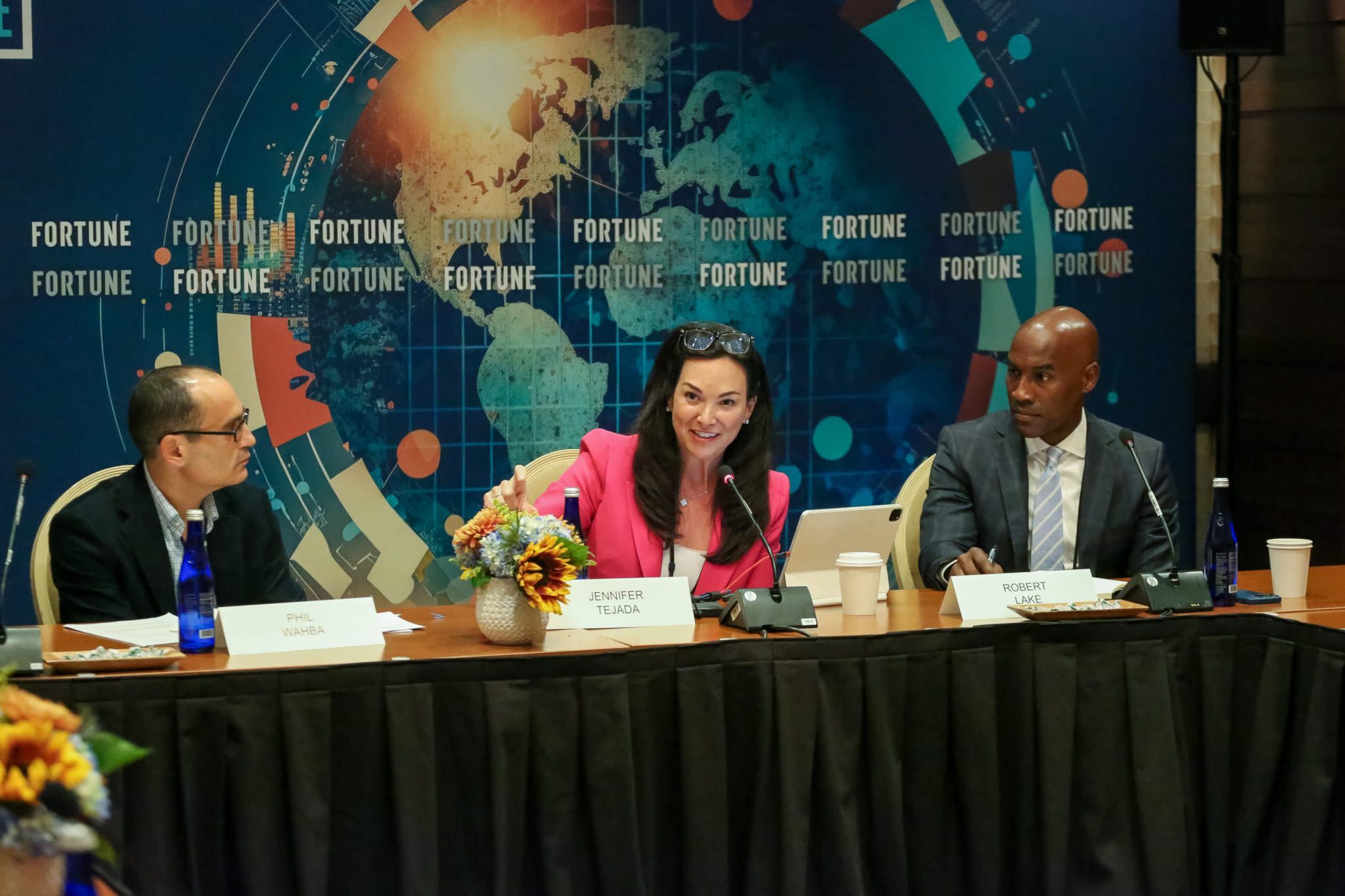
Norrsken22, an Africa-focused venture capital firm, is set to take the African tech scene by storm with its $205 million fund, backed by more than 30 unicorn founders and leading institutions. The fund, with high-profile investors such as Skype’s Niklas Zennström, Delivery Hero’s Niklas Östberg, and Flutterwave’s Olugbenga Agboola, aims to foster the next generation of African tech giants in key sectors like fintech, edtech, and meditech.

Where the fund will be invested

In an interview, Norrsken22’s managing partner, Natalie Kolbe, emphasized the fund’s mission to discover and support groundbreaking tech startups in Africa. The primary focus of investments will be on key African nations such as South Africa, Nigeria, Ghana, Kenya, and Egypt.

With five investments already under its belt, including TymeBank in South Africa, the firm’s ambition is to expand its portfolio to around 20 investments within Africa’s beacon economies.

Skype, Flutterwave Founders Back $205 Million African Tech Fund

Image Source: bloomberg.com

Africa’s young and tech-savvy population is a driving force behind the increasing demand for technology services, spanning from entertainment to banking. Norrsken22 recognizes this trend and is dedicated to fueling the growth of tech businesses on the continent. Digital infrastructure development and widespread smartphone adoption are providing a fertile ground for innovation and entrepreneurship in Africa. The urbanization and growing demand for financial and health services present exciting opportunities for tech startups looking to scale.

The impressive lineup of investors in Norrsken22’s fund further underscores its significance. Institutions like Standard Bank Group, Norfund, British International Investment, the International Finance Corporation, and the US International Development Finance Corporation are joining the movement to support Africa’s tech ecosystem.

Dwindling funding in Africa

This initiative comes at a crucial time when funding for startups in Africa has faced challenges due to a global slowdown. In the first half of the year, the continent attracted approximately $2.5 billion in investment, according to Briter Bridges. The injection of $205 million by Norrsken22 is a much-needed boost for the African tech industry.

Norrsken22 is not alone in recognizing the potential of the African tech landscape. Another venture capital fund, Partech, recently raised over $260 million for investments in the continent, highlighting the growing interest and optimism in Africa’s tech and innovation sector.

As Norrsken22 sets its sights on finding and nurturing the next African tech giants, it holds the promise of empowering innovation, creating jobs, and driving economic growth across the continent. With the support of visionary founders and leading institutions, the $205 million African Tech Fund is poised to make a significant impact and contribute to the realization of Africa’s tech-driven potential.

Elon Musk's Starlink achieves breakeven cash flow, says system is on all active satellites

Elon Musk’s Starlink achieves breakeven cash flow, says system is on all active satellites

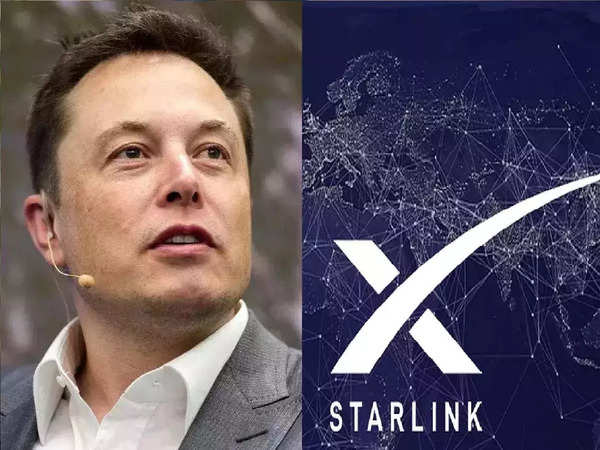
Elon Musk, the chief executive officer of SpaceX, announced on Thursday that the corporation’s four-year-old satellite internet business segment, Starlink, has reached breakeven cash flow. He shared the announcement on his own social media network, X (Formerly Twitter), in a post.

He said that Starlink “is also now a majority of all active satellites and will have launched a majority of all satellites cumulatively from Earth by next year.”

techcrunch.com

It needs to be clarified if the breakeven achievement applies to the entire quarter or just a certain amount of time. Whatever the case, the accomplishment raises the possibility that SpaceX is very close to going public with Starlink through an initial public offering (IPO), as Musk had previously stated the business would do if cash flow stabilised.

Gwynne Shotwell, president and chief operating officer of SpaceX, said previously this year that Starlink was on its way to a cashflow positive quarter in 2022, suggesting that its financial results were starting to become more predictable.

Defence-Focused Version of Starlink by SpaceX

Elon Musk's Starlink achieves breakeven cash flow, says system is on all active satellites

Image Source: economictimes.indiatimes.com

At present, there are over 5,000 satellites in Starlink’s mega-constellation, all of which were set up by SpaceX rockets. SpaceX released the first functional Starlink birds in 2019, and the business’s capacity to evolve to an extent that far outpaces competitors can be attributed to this vertical integration.

Following that time, the network has expanded to include almost 2 million users across a variety of sectors, including consumer, marine, and aviation.

Starlink has been in the headlines lately because of its involvement in a number of global conflicts, such as the recent war in Ukraine and, just lately, the confrontation between Israel and Hamas. Currently, SpaceX launched Starshield, a variant of Starlink which is primarily focused on defence, indicating the Pentagon’s intent on acquiring satellite internet capabilities.

SpaceX is estimated to be worth 150 billion dollars. The Wall Street Journal wrote in September that the corporation recorded a total of $1.4 billion in earnings the previous year.

Google Didn't Rush Bard Chatbot to Beat Microsoft, Executive Says, Prioritizing Quality Over Speed

Google Didn’t Rush Bard Chatbot to Beat Microsoft, Executive Says, Prioritizing Quality Over Speed

A top Google official denied claims that the business hastily released Bard, a chatbot powered by artificial intelligence, Previously, this year to outperform competitor Microsoft Corp.’s product.

The Vice President of Search, Elizabeth Reid, said amid Google’s defence testimony in the Justice Department’s antitrust lawsuit in opposition to the search engine giant that Bard provided a wrong answer when it was first unveiled to the people in February. However, she disregarded David Dahlquist, a government attorney, who said that Bard was hastily released following Microsoft’s announcement that it would be incorporating generative artificial intelligence into the company’s Bing search engine.

“I don’t think you can make that conclusion,” Reid said. “Microsoft’s announcement also had several errors in it. The technology is very nascent. It makes mistakes. That’s why we’ve been hesitant to put it forward.”

bnnbloomberg.ca

Google keeps its search engine monopoly by blocking competitors, DOJ Says

Google Didn't Rush Bard Chatbot to Beat Microsoft, Executive Says, Prioritizing Quality Over Speed

Image Source: finance.yahoo.com

The Justice Department is attempting to demonstrate in its historic competition case how Google keeps its search dominance by isolating competitors like Microsoft. Government solicitors have been attempting to demonstrate that, in addition to its supremacy, Google purposefully delayed technical advancements if they potentially jeopardise its position.

After years of developing Google Maps as well as local search tools, Reid joined Google, a division of Alphabet Inc., as a vice president of search in 2021. She discussed in her testimony the organization’s attempts to create local search and its latest foray into artificial intelligence (AI) with the Search Generative Service, a limited edition driven by generative Intelligence.

Throughout the trial, several Google officials have spoken about the business’s attempts to use machine learning and artificial intelligence in its products.

On Monday, February 6, Google revealed the release of Bard, referring to it as an essential next phase of its artificial intelligence a statement made by CEO Sundar Pichai. The next day, Microsoft announced that it was adding ChatGPT technology from Open AI to Bing.

The public display of Bard by Google failed to impress financiers. Bard was questioned once on recent findings from the James Webb Space Telescope. False information was provided by the chatbot about the usage of the telescope to capture the first images of a planet outside of our solar system.

In 2004, NASA took the first images of a planet known as an exoplanet, however, the Webb telescope became the first to take a picture of a specific planet outside of our solar system. Alphabet’s shares fell sharply as a result of the error.

“It’s a very subtle language difference,” Reid said in explaining the error in her testimony Wednesday. “The amount of effort to ensure that a paragraph is correct is quite a lot of work.”

“The challenges of fact-checking are hard,” she added.

bnnbloomberg.ca
Mozilla ‘Failed’ Bet on Yahoo Takes Spotlight in Google Trial

Mozilla ‘Failed’ Bet on Yahoo Takes Spotlight in Google Trial

In 2014, Mozilla Foundation made a significant decision to change the default search engine in its Firefox browser from Google to Yahoo. This bold move was based on Yahoo’s promises of a better search experience for Firefox users. However, in hindsight, Mozilla’s bet on Yahoo can be considered a significant failure, resulting in a degradation of the user experience.

The Rise and Fall of Mozilla's Yahoo Experiment

Mozilla’s Chief Executive Officer, Mitchell Baker, candidly admitted the failure of the Yahoo partnership during a videotaped interview from 2022, which was presented as part of Google’s defense in the Justice Department’s antitrust trial. This decision to switch to Yahoo’s technology was initiated under the leadership of Yahoo’s CEO at the time, Marissa Mayer, who pledged to make a substantial investment in Mozilla.

However, as Mitchell Baker emphasized, “That bet failed.” The once-promising search experience Yahoo was supposed to provide to Firefox users began to deteriorate. This significant shift in default search engine providers marked a unique case in the browser industry, making it a focal point in the ongoing antitrust trial between Google and the Justice Department.

The Broken Promises of the Yahoo-Mozilla Partnership

Mozilla ‘Failed’ Bet on Yahoo Takes Spotlight in Google Trial

Image Source: theedgemalaysia.com

One of the primary reasons behind Mozilla’s decision to switch from Google to Yahoo was the financial incentive. Yahoo agreed to pay Mozilla a minimum of $375 million, surpassing Google’s annual offering of $276 million. Additionally, Yahoo promised to reduce the number of ads and offer less user tracking compared to Google. These promises were appealing to both Mozilla and its users.

However, as time passed, Yahoo failed to live up to its commitments. Instead of providing a better user experience with fewer ads and reduced tracking, Yahoo began showing more advertising, ultimately diminishing the quality of the search experience for Firefox users. This shift in Yahoo’s approach not only affected Mozilla’s revenue but also resulted in a less desirable browsing experience for Firefox users.

In conclusion, Mozilla’s experiment with Yahoo as the default search engine in Firefox stands as a glaring example of a promising partnership that went awry. The decision to make a significant bet on Yahoo, based on their promises, ultimately resulted in a failed venture, leading to a deteriorated user experience and raising questions about the reliability of search engine partnerships in the tech industry. This case serves as a significant point of contention in the ongoing antitrust trial, with both Google and the Justice Department using it to support their respective arguments.