Your Tech Story

Apple

iPhone 6

iPhone 6 added to the vintage products list by Apple

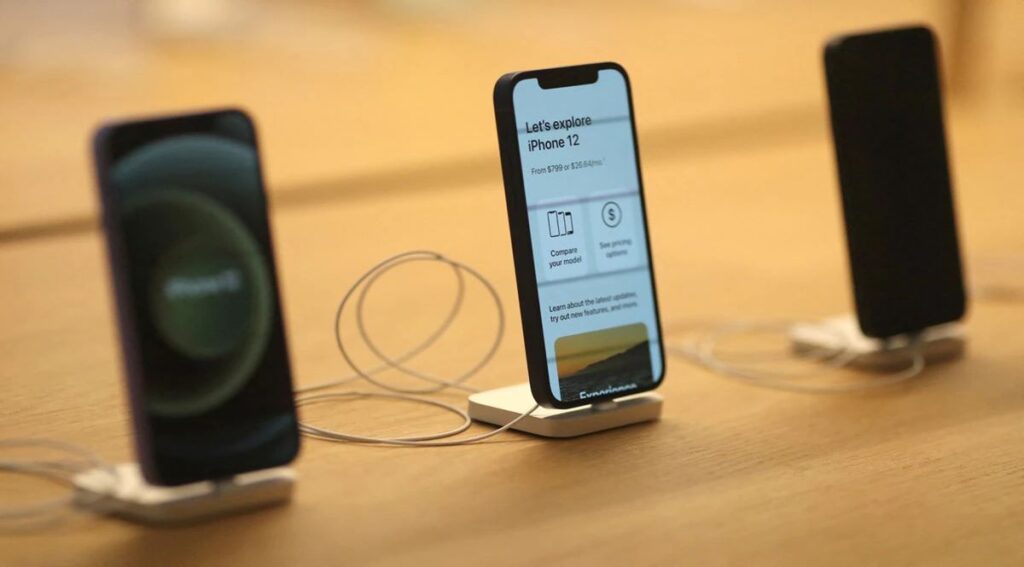
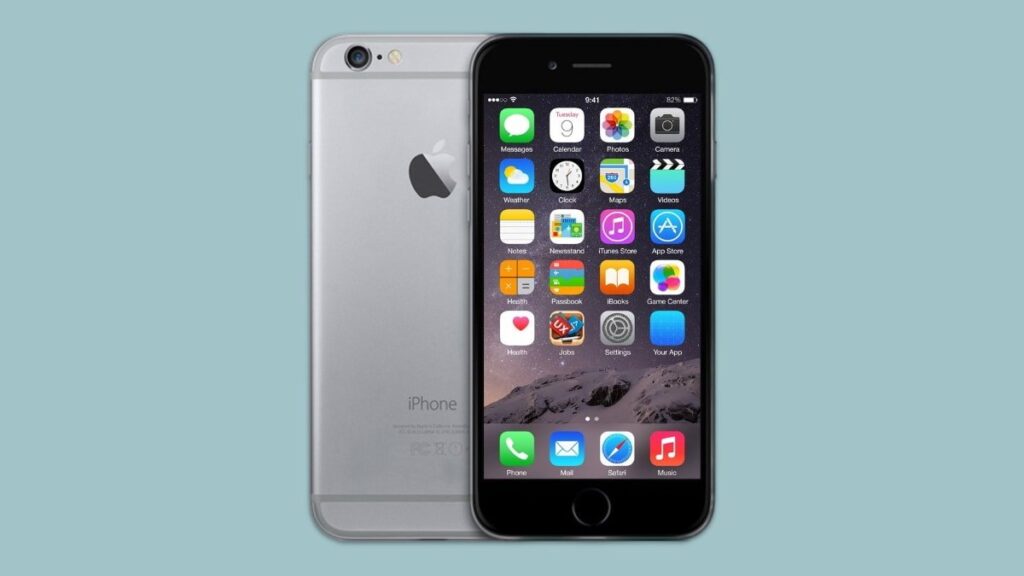
The iPhone 6 and 6s have been added by Apple to its list of obsolete and vintage products. In certain regions of the world, the technology will be seen as vintage, while in others, it will be deemed obsolete. The iPhone SE has also been included in Apple’s list of retro goods.

iPhone 6
Image Source: appleinsider.com

Products that haven’t been manufactured in more than five and fewer than seven years are on the list of vintage and obsolete products. Vintage products may not function properly with recent hardware and software versions since they are no longer receiving operating system updates.

Products that haven’t been produced for more than seven years are considered obsolete. Apple no longer formally offers parts and services for these outdated models.

It is not surprising that the iPhone 6 has been added to the list of obsolete and vintage devices since the gadget will soon be five years old.

The original releases of the iPhone 6 and 6s took place in 2014 and 2015, respectively. The iPhone 6 was first introduced in 2014, and the iPhone 6S followed it in 2015. The iPhone 6’s larger 4.7-inch display and stylish design helped it become one of the most well-liked iPhones ever produced. Since then, Apple has unveiled two additional versions of the iPhone, the iPhone 7 and the iPhone 8, both of which have internal upgrades but share much of the same external styling as the iPhone 6.

As of October 31, 2020, they will be regarded as vintage in the US, Canada, China, Hong Kong, and Macau. By October 31, 2021, the gadgets will no longer be regarded as being in use in the rest of the world.

Apple will no longer offer support for the iPhone 6 and iPhone 6s as a result of the devices being added to the list of “vintage products.” Additionally, the corporation would stop offering spare parts or maintenance for the gadgets.

If you have an iPhone 6 or 6s, you should back it up and get ready for it to become obsolete and you can still use it every day, but you won’t be able to benefit from any future software updates or new features from Apple. Finding a third-party service provider is necessary if you need your iPhone 6 repaired because Apple no longer offers parts or repairs for the model. The iPhone 6S Plus will be supported with software until September 2023.

Other products have been added to Apple’s list of vintage and obsolete goods in addition to the iPhone 6. The iPad 4 and the iPod Touch (5th generation) have also been added to the list by the business and the iMac, MacBook Pro, MacBook Air, Mac mini, Mac Pro, iPad, iPad Pro, iPad mini, iPod touch are also some additional products added to this list.

The iPhone SE has most recently been included on Apple’s list of vintage and obsolete items, according to other news. The iPhone 7 replaced the iPhone SE after its first 2016 release. Although the reason for Apple’s decision to designate the iPhone SE as one of its vintage items is unknown, it is probably because the company no longer makes or sells the handset. The first iPhone, the iPhone 3G, the iPhone 3GS, the iPhone 4, the iPhone 4S, the iPhone 5, the iPhone 5C, and the iPhone 5S are also included in the list.

USB-C

EU warns Apple to Switch iPhone to USB-C

Recently the European Parliament passed a resolution mandating the use of USB-C as a common charging port by 2024. All smartphones, cameras, and tablets sold in the European Union must include a USB-C charging port end of 2024. The new rules will also be applicable to laptops starting 2026, providing manufacturers more time to adapt.

USB-C
Image Source: financialexpress.com

The new rule is a component of a larger EU initiative to minimise e-waste and give consumers more ability to make environmentally friendly decisions.

The new regulations will allow consumers to use a common charger for a wide variety of medium and small portable electronic gadgets, eliminating the need for a different charger each time they buy a new device. The new directive was supported by 602 members of the European Parliament.

The USB-C ports used by Android-based gadgets are soon to become the norm across the 27-nation bloc Apple continues to offer its exclusive Lightning connector on the iPhones, AirPods, as well as other devices. As a result of the new regulation Apple will have to migrate to USB-C charging point by the end of 2024.

The reform, the first of its sort anywhere in the world, was voted by a resounding margin in the European Parliament on Tuesday. The move may boost the EU’s position as a leader in setting international standards for telecommunications. This “common port” restriction will affect Apple specifically because a significant chunk of Apple’s devices utilize the Lightning connector instead of USB-C.

MEPs claim that the modification will reduce electronic waste, enhance product sustainability, and enhance the usability of numerous products.  .According to Executive Vice President Margrethe Vestager, the move will reduce environmental waste and save customers approximately $247 million a year by eliminating the need to purchase a new charger for each device.

In 2018, the European Commission attempted to find a permanent solution to this issue, however it was not effective in becoming law. Apple said at the time that mandating a standard charging port would hinder innovation and result in electronic waste because customers would be compelled to purchase new cables.  Last year, the EU’s continued its efforts, with the European Commission leading the development of a revised version of the directive.

The Internal Market and Consumer Protection Committee backed the guideline in April with a vote of 43 in favour to 2 against. In June, the directive was introduced in the European Parliament.  Bloomberg reported in May that Apple is testing upcoming iPhone models that swap out the exclusive Lightning charging port for the more common USB-C connector. USB-C charging ports are already present in the iPad Pro models and Apple laptops.

All new smartphones, tablets, digital cameras, headphones, headsets, portable speakers, handheld game consoles, e-readers, keypads, portable navigation systems, earbuds, and laptops that can be charged  via a wired cable and operate with a power delivery of up to 100 Watts must have a USB Type-C port, regardless of the manufacturer.

Users will be able to charge their smartphones at the same pace with any suitable charger since all devices that enable rapid charging will now offer the same charging speed.

The new directive is expected to have the most effect on Apple’s iPhone. Apple has firmly remained with Lightning Connector it first debuted with the iPhone 5 back in 2012. The majority of the smartphone market has progressively focused on USB-C as a singular, standardised wired charging interface. Legislation from the EU may finally compel Apple change its charging port. 

TouchID

Apple may not bring TouchID to iPhone 15 or other high-end iPhone models

As per a report by Mark Gurman of Bloomberg Apple won’t be releasing new iPhones with the TouchID feature anytime soon. Gurman revealed that TouchID will not be included on the new iPhone 15 in his most recent Power On newsletter. He also stated that it is doubtful that TouchID will soon return to high-end flagship iPhone models.

TouchID
Image Source: livemint.com

Although TouchID was tested on later iPhones by Apple internally, it was not incorporated into the brand’s high-end models. Apple improved security without sacrificing convenience when it released the TouchID feature on the iPhone 5s model nine years ago. Later on, Touch ID was added by Apple to iPads and MacBooks.

Gurman comments in his newsletter,

“Over the past few years, there have been discussions within Apple about bringing Touch ID back to high-end iPhones. The company has tested in-screen Touch ID and even contemplated putting it on the power button. At this point, I believe Face ID is here to stay, and Touch ID won’t be returning to flagship iPhones—at least anytime in the foreseeable future.”

Gurman also speculated that a Touch ID-enabled iPhone SE may still be a possibility. If so, the company’s iPhone lineup will resemble this separation of Face ID and Touch ID. However, it seems Apple will need more time to refine the Touch ID tech before it is available on the newer iPhones. Ming-Chi Kuo, an Apple analyst, had predicted that Touch ID would make comeback in iPhones in 2025. He attributed the delay to production and development issues.

The report also notes that Apple’s October event is unlikely to happen. Gurman suggests that the anticipated iPad, Apple TV, and Mac product debuts might be publicized with media releases, briefings, and Apple store updates. The Bloomberg report noted that the huge iPhone 14 event in September was probably it for Apple in terms of significant presentations in 2022.

iPhone users would like to see the Touch ID feature return to the iPhone in the future. Facial ID has improved significantly over time, particularly now that it supports face masks and functions in landscape mode too. However, even now, there are scenarios in which adding the Touch ID feature as an alternative would be beneficial. The iPhone’s inclusion of both Touch ID and Face ID has security advantages. For instance, to protect really sensitive information, users can employ both a Touch ID and Face ID authentication.

Apple Inc. built and launched the electronic fingerprint scanner feature known as Touch ID. Users can use it to unlock various iPhone devices, and make purchases from different Apple stores like App Store, Apple Book Store, and iTunes. Using Touch ID users can also verify Apple Pay transactions online or in apps.

On the iPhone and iPad, it can also be utilized to unlock and lock password-protected notes. In 2013, Touch ID made its debut on iPhones with the release of the iPhone 5S. In 2015, a speedier second-generation Touch ID was introduced by Apple in the iPhone 6S. In 2016, the Touch ID feature made its desktop debut in the MacBook Pro.

Each user account on a MacBook can have a maximum of three fingerprints, and a total of five across the system. Since the 2014 release of the iPad Air 2, the Touch ID feature has been on all iPad models. After 2017, all other iPhones since the iPhone X and the more expensive iPad Pro switched to Face ID detection. Apple retained the Touch ID feature on the iPhone 8, second and third-generation iPhone SE, and base model iPads.

iPhone 14 in India

iPhone may get cheap as Apple starts manufacturing iPhone14 in India.

Apple Inc. revealed on Monday that it will make the newest iPhone 14 in India as the tech giant moves some of its manufacturing out of China. Since 2017, Apple has been producing iPhones in India, however often they were older models. Apple recently introduced the newest iPhone 14 model in its collection.

iPhone 14 in India
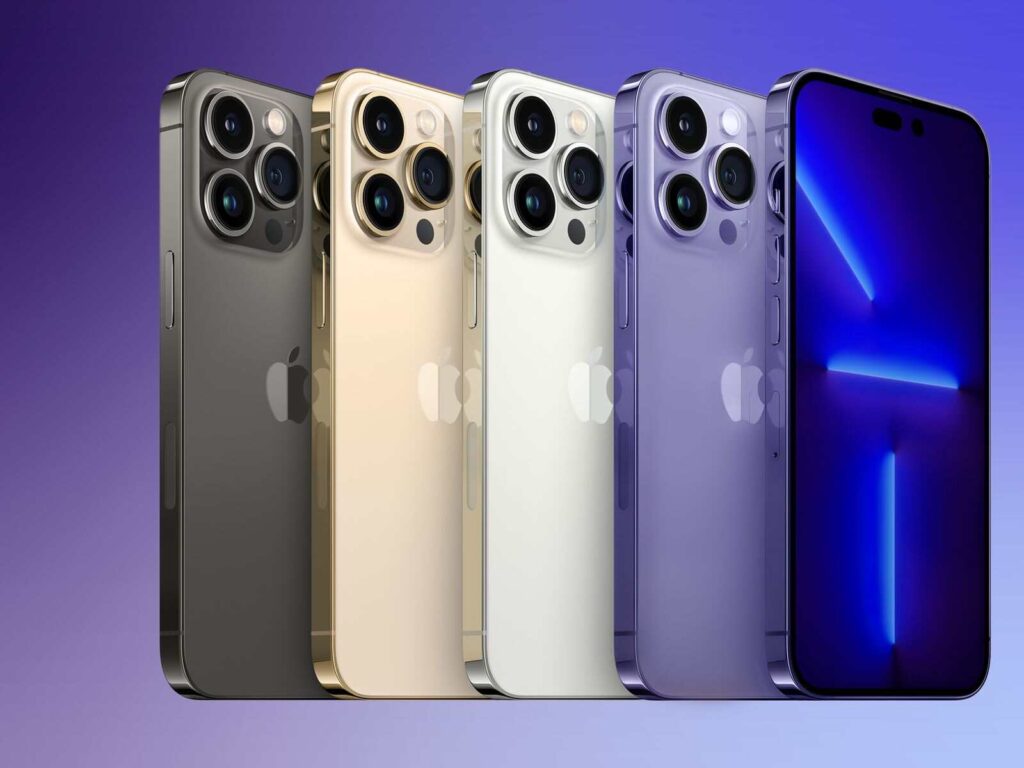
Image Source: macrumors.com

The device is being produced in the Sriperumbudur factory near Chennai by the company’s international partner Foxconn. Apple will sell phones made in India both domestically and internationally. In the next few days, users in India will start receiving the iPhones manufactured locally.

Apple continues to produce the majority of its iPhones primarily in China. Even while the majority of the world works to open its communities, Beijing has continued to use the tactic of lockdowns to quell Covid revivals. Production has been halted at facilities across China due to lockdowns caused by the zero-Covid policy, and certain possible weak links in Apple’s supply chain have been revealed.

Apple has been working to increase revenues in India, the second largest smartphone marketplace in the world, in the interim. According to Counterpoint Research, Apple only held a 3.8% market share in the country last year while cheaper rivals like Samsung and China’s Xiaomi continued to rule.

However, in the second quarter, Apple was the best top seller in the ultra-premium( phones over Rs. 45000) category. That’s because its iPhone 13 devices from the previous generation had good sales.

By 2025, according to analysts, Apple will gradually reduce its dependence on China, where it has been manufacturing the large bulk of its gadgets for more than a decade, and develop India into a worldwide hub for iPhone production.

According to research released earlier this month by JP Morgan analysts, Apple would increase its production capabilities in India to manufacture 25% of all its iPhones by 2025 and relocate 5% of worldwide iPhone 14 production there by late 2022. In recent years, India has drawn investments from Apple’s production partners Wistron and Foxconn by providing generous subsidies as Delhi works to establish the nation as a manufacturing hub.

JP Morgan analysts claim that India is a suitable location due to the presence of global production giants as well as “ample labor resources and competitive labor prices.”

As its capacity for domestic production of iPhone 14 in India grows, many people would anticipate a decrease in the price of Apple’s mobile devices there. The standard iPhone 14 model costs Rs. 79,900 which is equivalent to $799 in the United States. The entry-level iPhone Pro Max has a retail price of $1,099 in the United States, but it costs $1,717 in India.

Apple has boosted its investment in India during the past five years, despite the fact that it only has a small share of the country’s market. It introduced the country’s online Apple Store two years ago, and it has since announced that it’s working on the inauguration of the first-ever physical Apple Store in the nation.

Samsung, a rival to Apple, has already established one of its largest plants in India and views it as a crucial global manufacturing base. The market leader in smartphones, Xiaomi from China, as well as rivals Oppo, Vivo, and OnePlus all, assemble some of their products locally.

The Information recently reported that Google also plans to move some of the manufacturing of its Pixel products to India. The business announced last week that it would introduce the next Pixel 7 devices in India after forgoing shipping flagship models there for two generations.

Apple’s emphasis on production in India demonstrates the tech giant’s intention to spread production outside of China and grow its client base in India, which is currently a minor market for the business.

WhatsApp

Users of WhatsApp On iOS May Soon Be Able To Search Messages By Date.

WhatsApp is always working on various innovative updates which are in the best interest of its users. It made it seamless to make UPI payments on WhatsApp for Users last week. At present time, WhatsApp is also developing a new feature. Using this the WhatsApp users will be able to search for the messages in the chat according to the date they were sent. Users can swiftly go to a particular date to read messages from that time. This feature will be useful when the users want to find out which messages were sent on a specific date.

More details on “new feature”

This “search message by date” function is still under development. The instant messaging app Meta-owned WhatsApp is always working on different technologies to enhance the user experience by developing and integrating new features like the ability to react to a particular message using emojis, the feature to mute specific people on voice calls, and much more.

WhatsApp
Image Source: pragnews.com

According to a report by WaBetaInfo, it is still working to make it possible for users to search messages by date. The feature was initially found in 2020 by WaBetaInfo. However, at that time they did not make it available to the public after discarding the development. WhatsApp is planning to put this feature again after the test flight update is received for the WhatsApp beta (iOS 22.0.19.73).

“After releasing the WhatsApp beta for iOS 22.0.19.73 update from TestFlight, we discovered that WhatsApp is finally planning to release the feature in the future again,” the report stated.

Source: www.livemint.com

How will the WhatsApp “search by date” feature work?

While developers are still working on this feature, however, when it would be completed, WhatsApp users will see a new calendar icon on the left side of the screen when tap on the search button to search for a message in the chat. Users can quickly get to a particular date and read all the messages from that specific date with the help of a calendar icon.

By clicking on the calendar icon, they can set the date according to their needs and see the chats. Also, they can get rid of the date view by just scrolling through the chat. This feature will help out in extracting messages or media from a certain date. Currently, since it is not available to the public because it is incomplete, users can search for messages only using keywords. This is your old search feature.

The search feature enables WhatsApp users to search for chats using a keyword. Here are the steps involved:

  • Open your WhatsApp application.
  • Tap on the burger menu in the top right corner of your screen.
  • You will see the Search option showing up among others, click on it.
  • Enter the keyword of your chat you want to search and you’ll get your messages with that keyword to appear on the screen.

Apart from this, WhatsApp is also working on developing a new feature that would let the user send the message to himself while using the desktop version and also, the survey feature. In this WhatsApp survey feature, users can fill out various surveys about the latest products, innovative services, app reviews, and much more after receiving an invitation. It will bring a verified chat to send invitations for surveys.

It is not decided yet when these features will be available to the public, but soon users will be able to test these in the beta version of WhatsApp.

Apple

Apple To Add ‘Lockdown Mode’ To iPhone Will Help From Pegasus And Govt Spyware.

According to a group of journalists and Amnesty International, NSO Group’s software has been used for years to follow government employees, journalists, and human rights campaigners. That’s in spite of claims made by the Israeli spyware company that it exclusively sells to law enforcement organizations that use it to apprehend criminals. The Pegasus spyware is intricate. In a nutshell, it works by utilizing zero-day, zero-click exploits on Android and Apple mobile devices. Zero-day exploits are vulnerabilities that have not yet been discovered by phone manufacturers and may frequently be remotely installed on a target’s phone using just a text message or other emailed link, requiring no user participation (thus the name “zero-click”).

Once Pegasus is installed, the NSO customer targeting the user can access and observe almost everything the target does on the phone. Pegasus spyware from NSO has been referred to be a danger to democracy. One of the reasons Apple launched a lawsuit against the corporation, aiming to prevent it from using Apple’s devices and services, is that it uses them to target journalists and human rights advocates. The NSO would have a considerably harder time locating zero-day flaws for Apple devices as a result.

Apple
Image source: tudocdn.net

However, Apple is not just relying on the legal system in its conflict with the NSO Group, Pegasus, and spyware producers worldwide. According to the firm, “Lockdown Mode” will soon be available on its iPhones, iPads, and Macs.

The feature is what Apple refers to as an “extreme” solution for users who may be targeted by Pegasus and other very sophisticated spyware, and it will be available this autumn as part of iOS 16, iPadOS 16, and macOS Ventura. It is clear why Apple views Lockdown Mode as excessive given that many iPhone functionality would become inaccessible when customers enable it. This is how it goes: Users can instantly activate Lockdown Mode in the Privacy & Security section of the Settings app if they suspect they may be at risk of or are informed that they are the targets of a spyware assault.

Users’ iPhones, iPad, or Mac will restart after selecting Lockdown Mode, and the following features won’t be available:

  • Except for photographs, all message attachments are in the Messages app from all senders.
  • Calls on FaceTime from individuals you have never FaceTimed before.
  • Several online browsing technologies, including cutting-edge ones like just-in-time (JIT) JavaScript compilation, are prohibited.
  • Requests for new shared picture albums and shared photo albums in the Photos app.
  • If the iPhone is locked, wired connections (using a USB cable) from the iPhone to another device are possible.
  • Apple Services invitations from users you have never engaged with before.
  • configuration profiles, like those employed by school networks or VPNs.

These prohibited features share the trait of regularly serving as delivery vectors for zero-day, zero-click vulnerabilities.

The majority of Apple users, thankfully, won’t ever need to worry about Lockdown Mode because they are unlikely to be targeted by sophisticated malware like Pegasus. Lockdown Mode, however, should be a major help for individuals who are in danger because it instantly closes all known malware access points to an iPhone.

Lockdown Mode will be made available to all users with the public release of these operating systems this autumn and is now present in the development betas of iOS 16, iPadOS 16, and macOS Ventura. This news came over a month after Italian spyware vendors RCS Lab and Tykelab Srl stated that new spyware code-named Hermit was aimed at high-profile government figures. After allegations that a number of journalists, opposition politicians, activists, and businesspeople were targeted by the Pegasus spyware, a zero-click Trojan virus created by NSO Group, the Pegasus controversy gathered traction in 2021. In essence, it gives cybercriminals complete access to the victim’s smartphone and all of its contents, including its photos and messages.