Your Tech Story

Apple

WeChat

Apple opens store on China’s WeChat platform

According to Tencent, Apple has recently launched an online store on the popular Chinese app WeChat.

The store has been integrated into WeChat’s mini-programs, which are small applications within the platform that offer various services such as e-commerce, finance, and transportation.

WeChat
Image Source: thehindu.com

Apple’s store on WeChat will feature a range of its products, including iPhones, iPads, Apple Watches, and Macs. This is not the first time Apple has established a presence on a Chinese platform, as it already operates a store on Alibaba’s Tmall e-commerce platform, which is a competitor of Tencent.

In addition to this, Apple also experimented with live commerce in China earlier this year, attempting to sell its products through interactive live streaming.

China is a significant market for Apple outside of the United States. According to research firm Counterpoint, the iPhone 13 series dominated the top three spots in the list of best-selling phones in China in 2022.

Despite a decline in China’s smartphone market in the first quarter of 2023, Apple has managed to maintain its position as the leading handset vendor in the country, capturing a 20% market share. This represents a 2% increase compared to the same period in the previous year, as highlighted in a report by Counterpoint.

However, Apple has been actively working to diversify its manufacturing operations by reducing its reliance on China. JP Morgan analysts reported last year that the company plans to shift 25% of its iPhone production to India and 20% of its iPad and Apple Watch production to Vietnam by 2025.

Also Read: Binance chief strategy officer Patrick Hillmann steps down

This strategic move aims to mitigate risks associated with overdependence on a single manufacturing location and take advantage of the benefits offered by other countries in terms of cost, logistics, and supply chain resilience.

In summary, Apple has expanded its presence in the Chinese market by launching an online store on WeChat, one of China’s most popular apps. This move follows Apple’s existing store on Alibaba’s Tmall platform and its previous foray into live commerce.

While China remains a crucial market for Apple, the company is actively working to diversify its manufacturing operations by gradually shifting production to countries like India and Vietnam. These efforts align with Apple’s strategy to reduce its dependence on a single manufacturing base and leverage the advantages offered by different regions.

The launch of Apple’s online store on WeChat demonstrates the company’s commitment to reaching Chinese consumers through diverse channels and platforms

iPhone

Can the iPhone 16 be cheaper than the iPhone 15 Pro?

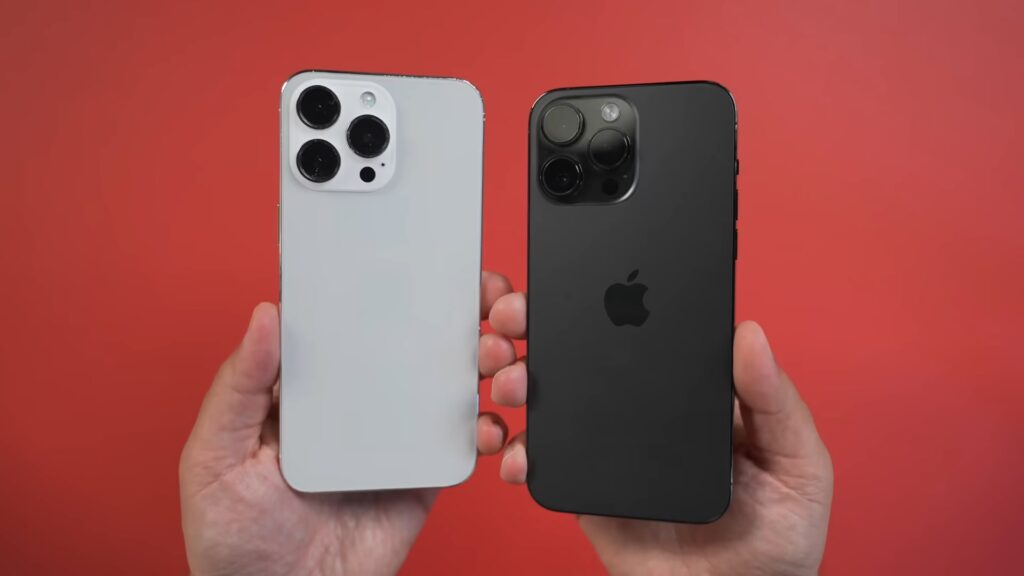
According to a recent rumor, there will be significant differences between the initial and future versions of Apple’s A17 Bionic chip, which is expected to debut in the iPhone 15 Pro and iPhone 15 Pro Max later this year.

The key distinction lies in the manufacturing process, with the initial A17 chip utilizing TSMC’s N3B process, while a later version will transition to the N3E process in 2024. The switch to N3E is primarily motivated by cost-cutting measures, potentially compromising some efficiency gains.

iphone
Image Source: notebookcheck.net

TSMC’s N3B process, developed in collaboration with Apple, represents the original 3nm node and has been ready for mass production for a longer period than N3E. However, N3B exhibits a lower yield and is not compatible with TSMC’s upcoming successor processes.

On the other hand, N3E is a more accessible node with fewer EUV layers and lower transistor density. While N3E may sacrifice some efficiency, it can offer improved performance. Apple had originally planned to use N3B for the A16 Bionic chip but had to settle for N4 due to time constraints.

Therefore, it is possible that the initial A17 chips will adopt the N3B CPU and GPU core design intended for the A16, before transitioning to the original A17 designs with N3E in 2024. Apple will likely continue refining this architecture through TSMC’s future nodes for subsequent chips like the “A18” and “A19.”

Also Read: Is Starfield coming to PS5 or PlayStation?

Considering the drastic nature of such a change, it is highly unlikely that Apple would introduce such a significant alteration to the A17 Bionic chip during the product cycle of the iPhone 15 Pro and iPhone 15 Pro Max. Therefore, it is more plausible that the N3E version of the chip will be incorporated into next year’s standard iPhone 16 and iPhone 16 Plus models.

This aligns with past practices where Apple has introduced variations in chip configurations across different iPhone generations while still utilizing the same chip base.

The source of this rumor is a Weibo user claiming to be an integrated circuit expert with 25 years of experience working on Intel’s Pentium processors.

This individual has previously made accurate predictions, such as the inclusion of a Lightning-like authenticator chip in the USB-C port and charging cables of the iPhone 15 and 15 Pro, a rumor that was later supported by established sources.

They also correctly indicated that the standard iPhone 14 models would feature the A15 Bionic chip, while the A16 would be exclusive to the iPhone 14 Pro models.

In summary, the rumor suggests that Apple’s A17 Bionic chip will undergo significant changes, with an initial version utilizing TSMC’s N3B process and a subsequent version transitioning to N3E for improved cost efficiency.

However, it is unlikely that these changes will occur within the product cycle of the iPhone 15 Pro and iPhone 15 Pro Max, making it more probable for the N3E version to appear in the iPhone 16 and iPhone 16 Plus models next year. The source of the rumor has a track record of accurate predictions, adding credibility to these claims.

Health Features

How Exciting Is The New Apple Health Features?

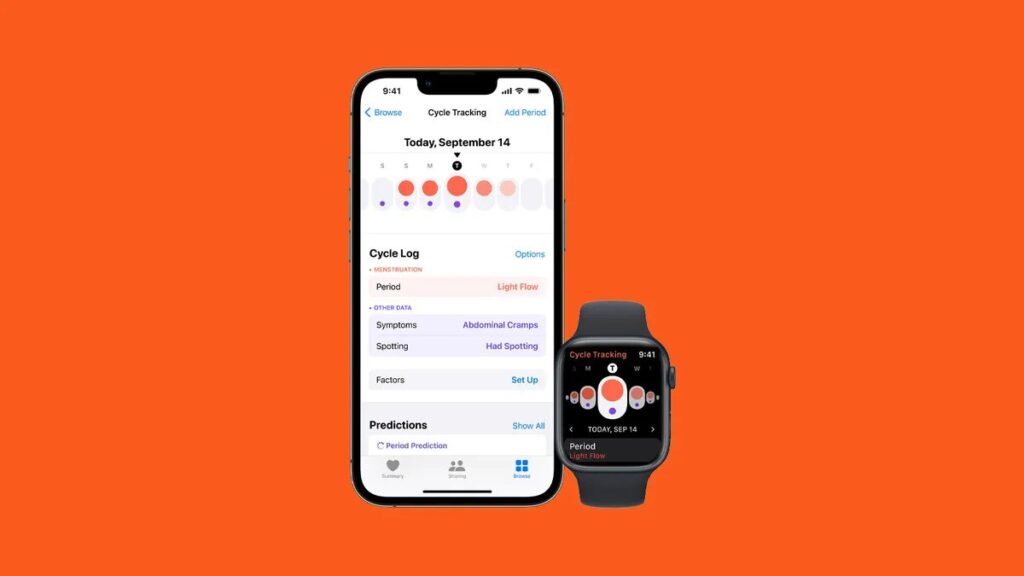
On Monday, Apple unveiled new health features for iOS 17, iPadOS 17, and watchOS 10, increasing the scope of the Health app to include eyesight and mental health.

While the new vision health features encourage good behaviors to reduce the risk of myopia, the new mental health features provide users the ability to track their feelings and moods. The most recent Apple software announcement won’t transform the healthcare industry.

health features
Image Source: cnet.com

As a result of their active approach to self-care and monitoring, consumers who don’t need significant healthcare services are instead encouraged to make little improvements.

Also Read: What’s so ‘pro’ about the Apple Vision Pro headset?

The Apple Health app in iOS 17 and iPadOS 17 and the Mindfulness app in watchOS 10 provides users with an appealing and user-friendly platform to consider their mental condition. Users can browse among multidimensional shapes to communicate their emotions, which can range from happy to terrible.

Two essential behaviors for kids are advised by eye care professionals to help lower the likelihood of myopia. These actions include spending more time in the sunlight and viewing objects like devices and books from a greater distance.

Apple Watch’s ambient light sensor can now track how much time users spend outdoors thanks to watchOS 10. On iOS 17 and iPadOS 17, users can check the amount of sun exposure time that their Apple Watch has detected.

Children can connect their Apple Watch to their parents’ iPhones using Family Setup, allowing parents to track their children’s exposure to sunshine through Health Sharing.

The TrueDepth camera is used by the new Screen Distance feature on the iPhone and iPad to prompt users to move their gadgets farther away after holding them up close for an extended period of time (closer than 12 inches). Myopia can be brought on by reading or using a device too closely, according to studies.

Younger users can benefit from screen distance by developing good viewing habits that reduce their risk of myopia, while older users can lessen digital eyestrain.

The demographic who needs healthcare the most frequently does not use the services that Apple Health provides for proactive health management. According to a survey by the Kaiser Family Foundation, around half of American adults had trouble paying for health care.

Also Read: Snap hires new head of engineering from Google

About 40% of American adults delayed or skipped getting medical care in the past year due to financial concerns. Adults without insurance, Black and Hispanic adults, and those with lower incomes are disproportionately affected by the high cost of healthcare. A larger percentage of American adults avoided or put off getting medical care in each of these groups because of the cost.

The target group who requires gadgets to manage their health proactively cannot afford Apple gear, despite it having technological advancements that might considerably help people manage their health.

Apple

Apple Plans Major Retail Push With New Stores Across China, US

Apple will not just refurbish its current stores but will additionally build new ones in an attempt to reenergize its offline retail footprint throughout the world.

When referring to its actual retail locations, Apple hardly totally disappears; instead, it frequently updates, modifies, or even adds new sites. However, the corporation will concentrate on reviving the in-person purchasing experience during the span of the following four years.

apple
Image Source: bqprime.com

Bloomberg describes the business’s efforts to embark on a more aggressive push into China as well as remodeling several sites in the US in an article recently published detailing Apple’s prospects for retail locations. Apple has ambitions for Paris and London so it won’t just overlook Europe.

Also Read: WhatsApp to bring screen sharing to Android phones

In addition to five brand-new shops in Europe including the Middle East, four newest shops in the United States alongside Canada, and an overall 15 more retail locations in the Asia-Pacific area, Apple is apparently in talks to open these new stores.

Regarding the refurbishments, the source claims that Apple will move or modify 13 locations in North America, about six in Asia, as well as nine in Europe. In total, this would mean that during the next four years, Apple will be constructing 53 new, relocated, or renovated stores.

If the preparations for real retail outlets go according to plan, Apple will achieve a minimum of a single goal along the way. This includes establishing three stores in India and building its first outlet in Malaysia, in Kuala Lumpur.

Apple is aiming to establish an additional location close to Battersea Power Station situated in London in addition to upgrading the Opera shopping area in Paris.

According to reports, an additional store will open in Miami, Florida, along with Apple may open a new retail location in Shanghai’s Jing’an Temple Plaza.

Also Read: Crypto exchange Gemini to soon operate in the UAE

A refurbishment is anticipated for the Shinsaibashi site of the future store, which is also scheduled to open in Osaka which is the Grand Front Plaza mall in Japan. According to the report, several of these situations are currently in the debate stage as they work with plans and estimates.

Given this, it’s probable that Apple’s bold intentions for its physical shop footprint won’t turn precisely as they are described here.

In Tysons Corner, Apple officially opened its first Apple Store ever to exist in the United States. The newly opened shop is not distant from the old one, but it has a completely different design and greater room for customers.

Apple

Why Apple is changing the ‘Hey Siri’ trigger to just ‘Siri’?

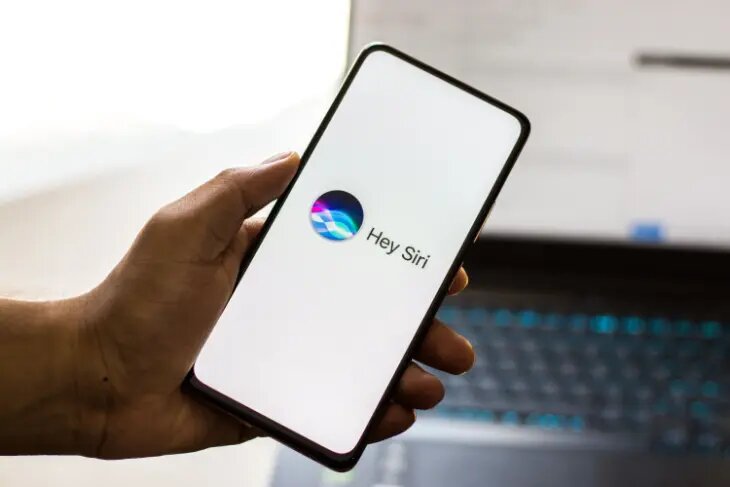
Apple announced plans to change the wake phrase used to activate the voice assistant from “Hey Siri” to just “Siri” at this year’s developers conference.

Apple is replacing “Hey Siri” with the simple phrase “Siri.” The modification, which is a feature of iOS 17, will make it simpler to call Siri on iPhones, iPads, Macs, and other devices. It comes in response to a Bloomberg story from November that claimed Apple was working on simplifying Siri’s wake phrase.

Apple
Image Source: beebom.com

Since the underlying technical and training work is simpler versus a two-word trigger phrase, Apple has been utilizing “Hey Siri” up to this point. Even though it may appear straightforward, switching to a single wake phrase is a substantial change.

Also Read: Is Apple AR/VR headset the future?

Even Microsoft allowed simply “Cortana” as a wake word before discontinuing its voice assistant on iOS and Android in 2021. Amazon users can activate the Alexa assistant with “Hey Alexa” or just “Alexa,” and Alexa users can trigger the assistant using just “Alexa.”

Instead of using a single “Google” wake word, Google Assistant still supports the “Hey Google” or “OK Google” utterances. Google would have to carefully consider how to stop the assistant from triggering during talks when Google is mentioned if it were to switch to a single wake phrase. After all, Google has evolved into a transitive verb as a result of its dominance in search.

There will be one more tweak to Siri that will somewhat alter how you use it. Users may now ask Siri many inquiries without using the trigger word each time thanks to a recent update from Apple. Now, you just need to speak “Siri” once to activate the assistant and ask subsequent inquiries back-to-back.

With the most recent software update, all devices now support both of these new Siri features. Unfortunately, despite what many enthusiasts might have anticipated after seeing recent advances in AI like ChatGPT, Apple did not make any improvements to the way Siri reacts to customer inquiries.

Also Read: Apple to open the first online shop in Vietnam

The WWDC developer conference began on June 5 and will run through June 9. During the event, the company is anticipated to reveal its first-ever mixed-reality headset, new Macs, and updates to iOS and macOS, among other things.

“Hey, Siri” is a phrase used to activate the voice-controlled personal assistant feature on Apple devices. Siri is an intelligent virtual assistant developed by Apple Inc. It is available on various Apple devices such as iPhones, iPads, Macs, Apple Watches, and HomePods.

Apple

Is Apple AR/VR headset the future?

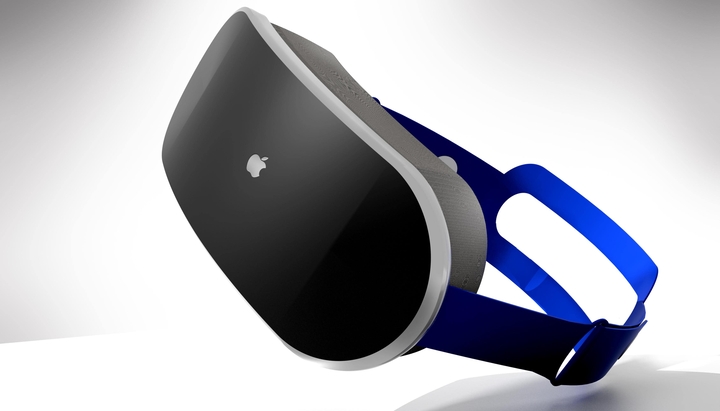
When it comes to new products, Apple prefers to wait and see rather than enter the market first, but the wait will soon be over. Apple’s headset is anticipated to be unveiled during WWDC 2023, the company’s developer conference, in 2023.

Apart from a few statements made by a few of Apple’s senior executives and a consistent stream of rumours, there is not much concrete proof that the headset actually exists despite years of rumours.

Apple
Image Source: tomsguide.com

Apple has most certainly not confirmed the headset’s existence. Analysts and enthusiasts, on the other hand, have been closely monitoring Apple’s operations and have been able to unearth hints regarding the headset’s specifications.

Also Read: Will startups have a shot in the enterprise AI race?

The AR/VR gear, which is rumoured to cost around $3,000, will reportedly function with current iPadOS apps like the Camera, FaceTime, Books, Home, Messages, Photos, Safari, and more, according to a recent Bloomberg article.

It is anticipated that the Apple AR/VR headset will prominently emphasise gaming, maybe as a new way to access Apple Arcade, and will include a new Fitness+ experience, similar to the Meta Quest Pro, HTC Vive Cosmos, and Sony Playstation VR.

According to reports, Apple is preparing to introduce fresh collaboration tools via the Apple Freeform app, which will enable users to talk about and collaborate on material together, as well as the ability to utilise the AR/VR headset as a separate display for a connected Mac in the workplace. Users will be able to have lifelike avatars in virtual meeting rooms with immersive videoconferencing in mixed reality.

The article also states that the headgear should be able to operate a wide range of games, reading apps, and health services, as well as hundreds of thousands of other third-party iPad apps, with little modification.

As the possibility of a metaverse is discussed, more businesses are creating AR/VR headsets, and interest in the field is rising. As is customary for Apple, the tech behemoth waited for other businesses to test the waters and for public interest to grow before entering the fray.

Also Read: Is Diablo 4 on Xbox Game Pass?

The Oculus Rift, the first contemporary AR/VR headset, went on sale in March 2016. Since then, Meta—which purchased Oculus in 2014—has continued to create and release VR/AR headsets, culminating in its most recent model, the Meta Quest Pro, which will be available in 2022.

When Apple ultimately made the decision to enter a market in the past, it revolutionised and dominated it, igniting interest and building expectations for the product. When the headset launches, it is reasonable to believe that Apple will have the same impact on the AR/VR space.