Your Tech Story

Tech News

How to Use Two WhatsApp Accounts on Your Phone at Once: Check Out WhatsApp's New Feature

How to Use Two WhatsApp Accounts on Your Phone at Once: A Step-by-Step Guide
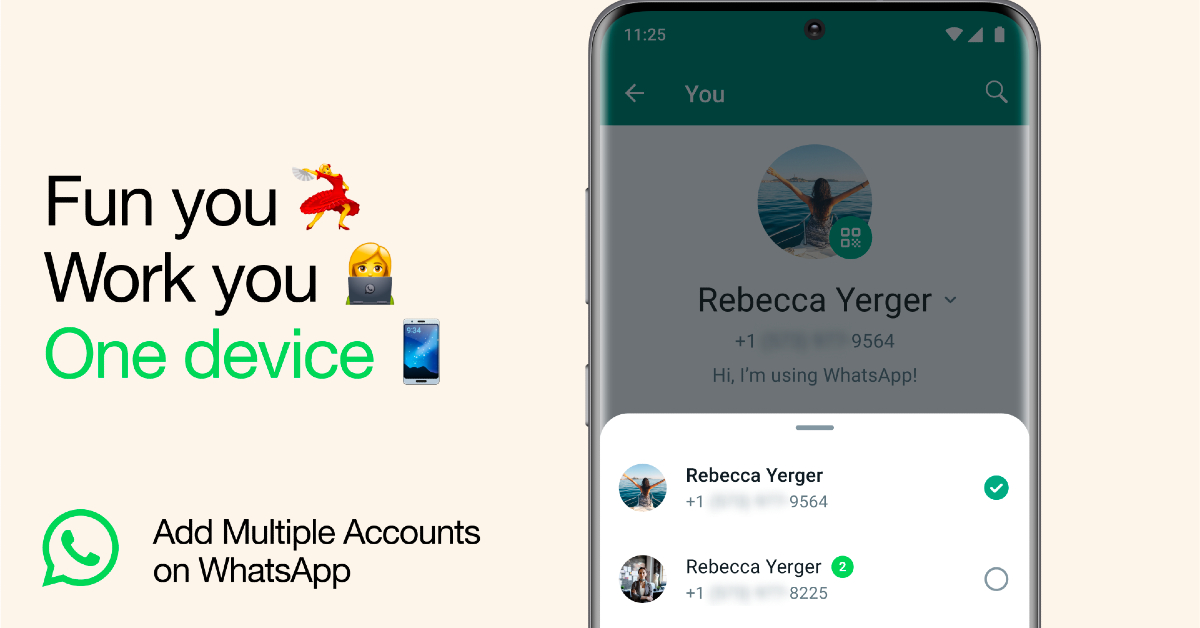

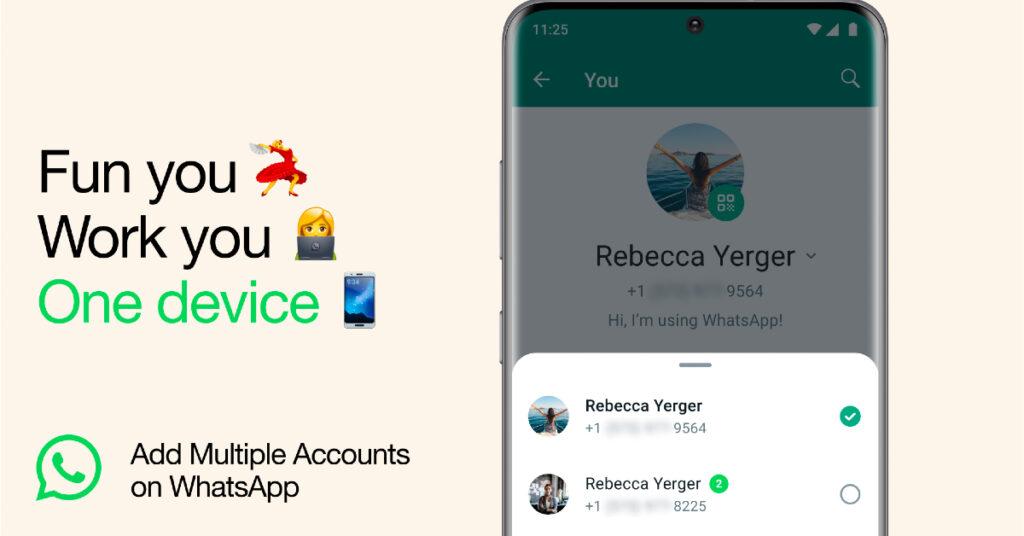
WhatsApp, the global leader in instant messaging, has always been at the forefront of innovation. Catering to the diverse needs of its billions of users, WhatsApp has introduced an unprecedented feature: the ability to use two accounts simultaneously on one phone. This feature addresses the growing demand to manage personal and professional life in a separate yet convenient way.

Understanding the Need for Two WhatsApp Accounts

Personal vs. Professional Use

In today’s fast-paced world, the line between personal and business communication is becoming increasingly blurred. Having two separate WhatsApp accounts allows users to maintain this important balance.

Managing Different Social Circles

With two accounts, users can easily separate their social circles, ensuring that messages and contacts don’t inadvertently overlap.

WhatsApp's New Feature: Dual Account Functionality

Announcement and Overview

How to Use Two WhatsApp Accounts on Your Phone at Once: Check Out WhatsApp's New Feature

Image Source: gadgetbridge.com

WhatsApp’s announcement of the dual account functionality has been met with enthusiasm. This feature allows users to have two different WhatsApp accounts on the same device.

Step-by-Step Guide to Setting Up Two Accounts

Initial Setup

The process starts with the standard setup of the primary WhatsApp account on the device.

Configuring the Second Account

Users can add a second account by following a series of simple steps, which will be detailed in the article.

Technical Requirements and Compatibility

Device Requirements

The article will outline the specific device requirements needed to support this feature.

OS Compatibility

Compatibility with various operating systems like Android and iOS will also be discussed.

Benefits of Using Two WhatsApp Accounts

Enhanced Privacy

This feature provides an additional layer of privacy, as users can keep their personal and business communications separate.

Better Organization

It also helps better organize chats and contacts, reducing clutter and confusion.

Security Considerations

Keeping Both Accounts Secure

Security is paramount, especially when handling two accounts. The article will discuss how to maintain the security of both accounts.

Best Practices for Privacy

Tips on privacy settings and best practices will be shared to help users keep their information secure.

Conclusion

Ultimately, WhatsApp’s new dual account feature is an important step in enhancing the user experience and functionality. This article provides a comprehensive guide on how to set up and use two WhatsApp accounts on one phone with tips, user feedback, and expert opinions. As WhatsApp continues to innovate, its commitment to user satisfaction remains evident.

FAQs

Can I use two WhatsApp accounts on any smartphone?

This feature requires specific technical specifications, which will be detailed in the article.

Is it possible to link the two accounts?

Currently, both accounts operate independently without linking feature.

Will I receive notifications from both accounts simultaneously?

Yes, users will receive notifications from both accounts, depending on their notification settings.

How does this feature impact data usage and storage?

Using two accounts may lead to increased data usage and storage. Tips on managing these will be provided.

Can I switch between accounts easily?

Yes, the article explains how users can switch between the two accounts seamlessly.

Samsung Announces "A New Era of Galaxy AI," Starting with AI Live Translate Call

Samsung Announces “A New Era of Galaxy AI,” Starting with AI Live Translate Call

In a groundbreaking move, Samsung has unveiled its ambitious plans for a revolutionary mobile AI experience, heralding a new era in communication, productivity, and creativity. Dubbed “Galaxy AI,” the comprehensive initiative aims to empower users globally through a fusion of on-device AI developed by Samsung and cloud-based AI collaborations with industry partners.

The flagship feature, AI Live Translate Call, takes center stage, offering real-time audio and text translations during phone calls with individuals speaking different languages. This innovation seamlessly integrates into the native calling function, eliminating the need for third-party translation apps. Crucially, Samsung emphasizes that translations occur directly on the device, prioritizing user privacy.

Samsung Announces "A New Era of Galaxy AI," Starting with AI Live Translate Call

Image Source: samsungmobilepress.com

While details on specific features remain elusive, Samsung’s press release hints at Galaxy AI’s broader missionโ€”breaking down communication barriers, streamlining productivity, and fostering creativity in key aspects of daily life. The tech giant assures users that these advancements will be coupled with a steadfast commitment to maintaining privacy and security.

Galaxy AI as a comprehensive intelligence offering

Wonjoon Choi, Executive Vice President and Head of R&D for Samsungโ€™s Mobile eXperience Business, envisions Galaxy AI as a “comprehensive intelligence offering” poised to “change how we think about our phones forever.” This sentiment underscores the transformative potential Samsung sees in integrating AI seamlessly into the mobile experience.

The anticipated launch of Galaxy AI in early 2023 has piqued the curiosity of tech enthusiasts and Samsung users alike. The promise of an AI-driven mobile future prompts questions about the specifics of how productivity and creativity will be redefined through Samsung devices.

This announcement follows Samsung’s earlier revelation of Gauss, the company’s proprietary large language model designed for tasks such as email composition, summarization, and image creation. While currently limited to internal use, Samsung hints at plans to release Gauss for Galaxy phones, further solidifying the company’s commitment to integrating cutting-edge AI into its consumer-facing products.

As the tech world eagerly awaits the rollout of Galaxy AI, Samsung appears poised to set a new standard for mobile intelligence, offering users a glimpse into the transformative potential of AI in enhancing the way we communicate, work, and create with our smartphones.

How to block pop-up ads and unwanted notifications on Android?

How to block pop-up ads and unwanted notifications on Android?

On Android devices, spam messages and advertisements have grown to be a serious issue over time. Although it is more prevalent on low-cost smartphones, several flagship and midrange handsets have recently begun to display pop-up and notification-spamming adverts. The best 4 methods for blocking pop-up advertisements and annoying alerts on your Android smartphone are listed in this article.

Why do pop-up advertisements constantly show up on Android?

Adware infection is among the most frequent causes, however, other variables may also be at work. Here are a few potential causes of persistent pop-ups on your Android device along with solutions:

Redirects and pop-up advertisements are permitted by the settings of your browser.

On your device, a malicious application has been downloaded and installed.

You unknowingly altered your browser’s settings after visiting an unauthorised website.

Turn off the app that pushes ads over other applications.

How to block pop-up ads and unwanted notifications on Android?

Image Source: adlock.com

Navigate to Settings and choose Apps. Choose Special access by tapping the ellipses in the right-hand corner of the screen. Toggle off the application that has been bombarding your phone with pop-up advertisements by tapping the Appear on top button.ย 

Disable the wallpaper providers.

Certain Android devices use custom wallpaper services to force advertisements into the lock screen of the device. Here’s how to turn it off.

first, choose Lock screen under Settings. Toggle between Wallpaper services. Press Apply after selecting None and flipping the toggle button for Swipe left to view the information page.

Removing App Notifications

Here’s how to deny an app permission to view your notifications if it continues to bombard your phone with unsolicited messages.

First, choose Apps from the Settings menu. The app that has been bombarding you with alerts can be tapped. On Notifications, tap. Switch off the Allow notifications toggle button.ย 

open the YouTube application on your phone, then press on your profile picture in the lower right corner of your display to turn down notifications for recommended videos.

To navigate to the settings, click on the gear icon located in the top-right of your display.ย  Tap Notifications after swiping down.ย 

Turn off the toggle option for the Recommended Videos and other types of alerts that you would like to stop receiving.ย 

Conclusion

On Android, you may prevent pop-up advertisements and annoying alerts in this way. Some devices may display more advertisements than others. Devices from Vivo and Xiaomi are infamous for this.

Got Your Amazon Account Suspended? Here Are Some Tips to Recover Your Account Back

Got Your Amazon Account Suspended? Here Are Some Tips to Recover Your Account Back

With more than 300 million active users worldwide, Amazon is the biggest online retailer in the world. Because of its vast user base, Amazon blocks questionable users to avoid misuse of its customer-friendly rules. On the other hand, these regulations may occasionally cause innocent consumers to have their Amazon accounts frozen.ย 

In certain situations, you may be able to get your Amazon account restricted, banned, or blacklisted. you can undo that by filing an appeal.

Reasons for Blocking Accounts on Amazon?

Users of Amazon have reported that inadequate personal information, faulty payment methods, frequent returns, and suspicions of reselling products are the main causes of account suspensions.

Amazon, however, can give several additional explanations for terminating your account. An unexpected login from a remote IP address is occasionally viewed as suspicious as well, and it may result in the suspension of your account. The following are various ways to get in touch with Amazon to get your banned account unblocked.

Speak with Amazon Support Using An App or Website

A soft ban is a situation in which Amazon suspends your account temporarily, allowing you to log in but preventing you from placing new orders. To swiftly reinstate your account in such circumstances, you may get in touch with Amazon Support directly via the website or app.

Got Your Amazon Account Suspended? Here Are Some Tips to Recover Your Account Back

Image Source: blog.trackerbot.me

It’s simpler for Amazon to validate your credentials because you’re contacting them while still signed into your account. There are two methods to get in touch with Amazon customer service: either the Amazon app or the Amazon website.

Send an Email to Amazon

Emailing Amazon is the best course of action if you are utterly shut out of your account and are not able to log in. But, it might take Amazon one to two business days to reply to your email.

You can send an email outlining your issue to Amazon atย cs-reply@amazon.com. Remember to replace theย .comย domain with your regional Amazon address. For India, for instance, useย cs-reply@amazon.in.

Connect with Amazon Using Tweet

Twitterโ€”or X, is more than simply a website. Nearly all companies utilise Twitter to interact with their clientele and get feedback and assistance. The user and the business benefit from this. The company gains a platform to not only assist consumers but also to publicise solutions to frequent issues, and the user has the option to make their concerns public.

Keep in mind to be kind and provide the employee with a thorough explanation of your issue. You will often be prompted for information on your most recent order or any open support requests you may have with Amazon. When asked, provide the representative with as much information as you can, including any documents or account verification data.

How To Remove Call Recording Warning On Android (2023)

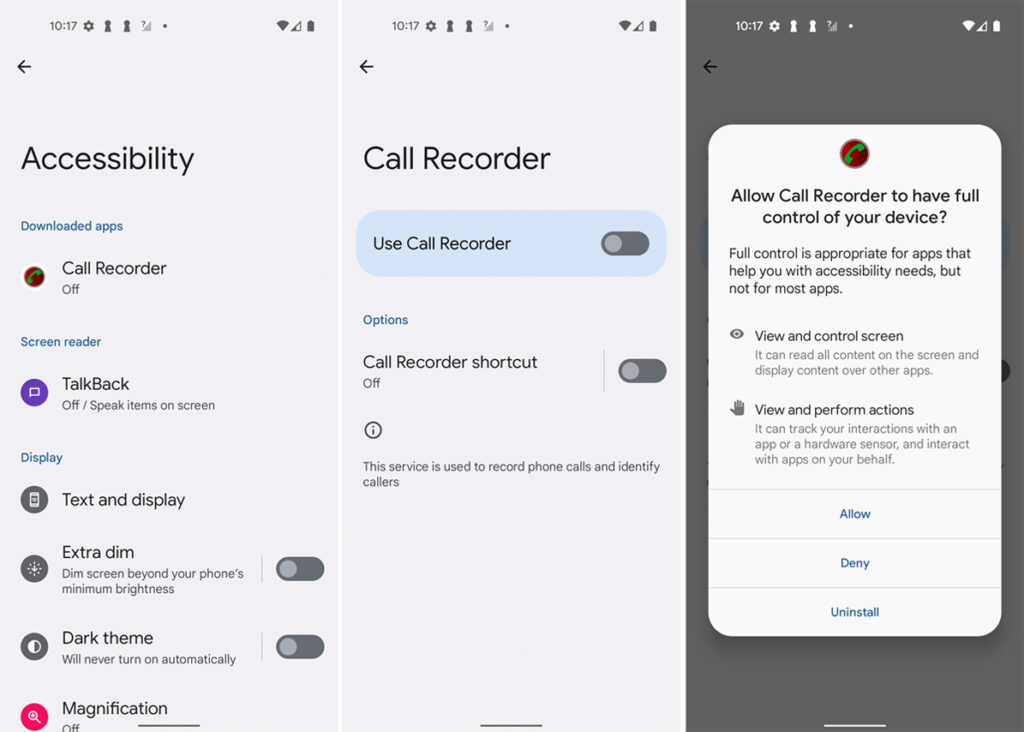
How To Remove Call Recording Warning On Android (2023)

In 2020, Google made a significant change by mandating Original Equipment Manufacturers (OEMs) to preinstall Google Dialer and Messages apps on Android devices, effectively replacing the stock dialer and messaging apps developed by individual device manufacturers. While this move standardized the user experience across Android devices, it also led to the removal of certain features that users had come to appreciate. One such feature was call recording without an announcement, which was available on some stock dialer apps but not on Google Dialer. In this article, we’ll explore ways to disable call recording announcements on various Android phones, including Realme, Oppo, OnePlus, Vivo, iQOO, Xiaomi, and more.

Why Does Google Dialer Announce Call Recording Warning?

The reason Google Dialer announces call recording is rooted in legal requirements and the varying laws regarding recording phone calls in different countries. Depending on your location, you may be required to seek consent or inform the other party before recording a call. In certain regions, call recording is strictly prohibited, and the laws governing this practice vary. For instance, in some U.S. states, both the caller and receiver must be aware that the call is being recorded, while in other regions, only one person needs to be informed.

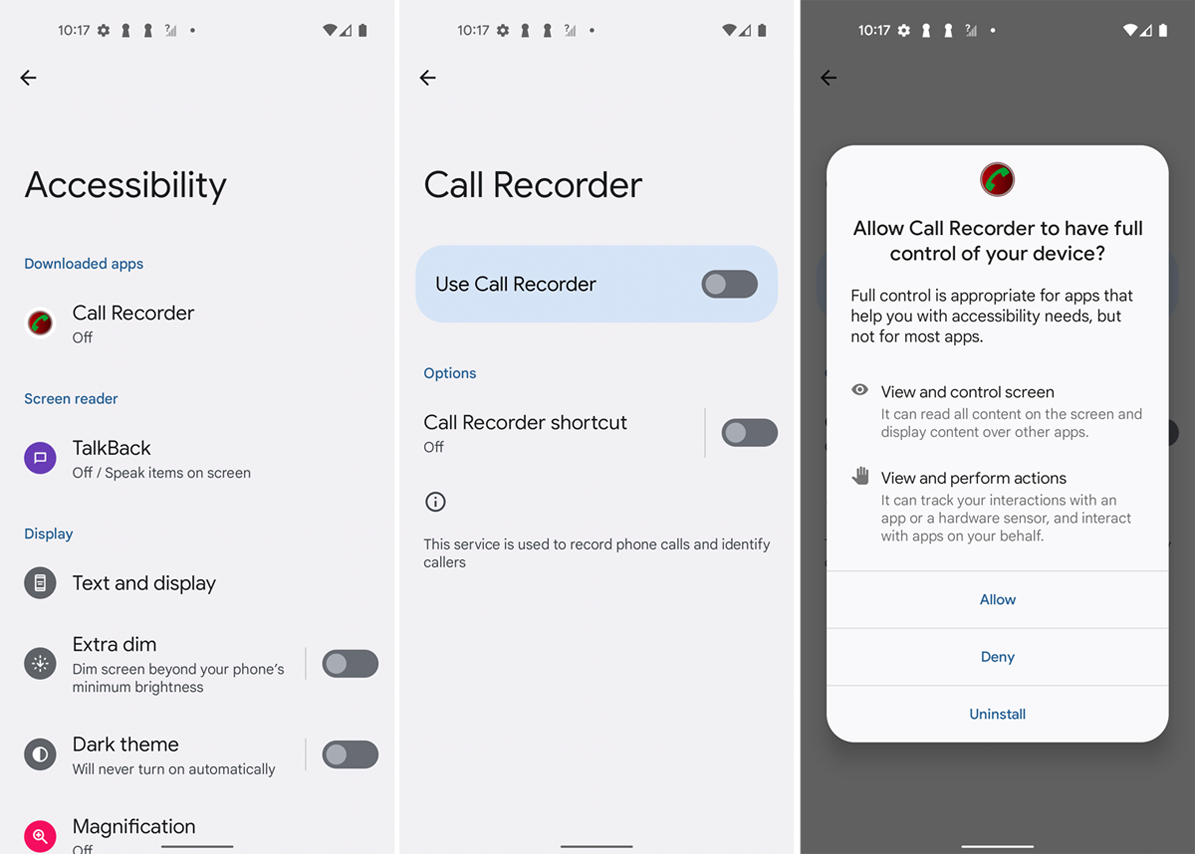
How To Remove Call Recording Warning On Android (2023)

Image Source: pcmag.com

In India, the Indian Telegraph Act 1885 permits only the Central or State Government to tap conversations, and there are established legal procedures to follow. Google Dialer’s call recording feature is designed to comply with these legal requirements, ensuring that the recipient is informed of the recording to avoid any potential legal issues.

Enable Call Recording Without Announcement on OnePlus and Oppo Phones

If you own a OnePlus or Oppo phone, you can sideload the old ColorOS Dialer app to record calls without any announcement. Here’s how:

  1. Install ODialer (Free) on your smartphone, which is the stock dialer app offered by the ColorOS team.
  2. Set ODialer as your default dialer and grant the necessary permissions.
  3. Open ODialer (Phone app), make a call, and tap on “Record.” The call will be recorded without any announcement or warning.

Enable Call Recording Without Announcement on Vivo and iQOO Phones

Vivo and iQOO phones come with a hidden stock Phone app that supports call recording without an announcement. To enable it:

  1. Open the Google Dialer (Phone) app and enter the code “*#*#556688#*#*”.
  2. Enable the toggle for the “Alternate Phone and Contacts” page and set the alternate Phone app as your default dialer.
  3. Make a call with the new Phone app, tap on “Record,” and the call will be recorded without the receiver knowing.

Disable Call Recording Announcement on Google Dialer (Realme, Xiaomi, Moto, etc)

For smartphones from manufacturers like Realme or Xiaomi that use the stock Google Dialer app, you can disable call recording announcements with the following steps:

  1. Open the Play Store and search for “Google Dialer.” Uninstall the app to restore it to the older version that shipped with your device, as newer versions may have patched workarounds.
  2. Disable “Enable auto-update” to prevent automatic updates.
  3. Install the TTSLexx app (Free) from the Play Store, which can be used as a workaround to disable call recording announcements.
  4. In your phone’s Settings, go to “text to speech” and select the “TTSLexx” app as the preferred engine.
  5. Clear the data of the Google Dialer app.
  6. Restart your Android phone and make a call with the Google Dialer. This time, the call will be recorded without an announcement.

If you encounter issues, uninstall the latest update, as mentioned in step 1, and clear the existing app data to ensure the method works effectively.

By following these methods, you can regain the ability to record calls without any announcement on various Android devices, respecting the legal requirements of your region.

How to Create and Join a Channel on WhatsApp?

How to Create and Join a Channel on WhatsApp?

Meta, the parent company of WhatsApp, is constantly working on enhancing the user experience by introducing new features and updates. One of the latest additions to the WhatsApp platform is Channels. WhatsApp Channels offer an exciting new way for individuals and organizations to share updates and information with their followers. In this article, we’ll walk you through how to create and join a channel on WhatsApp.

What Is a WhatsApp Channel?

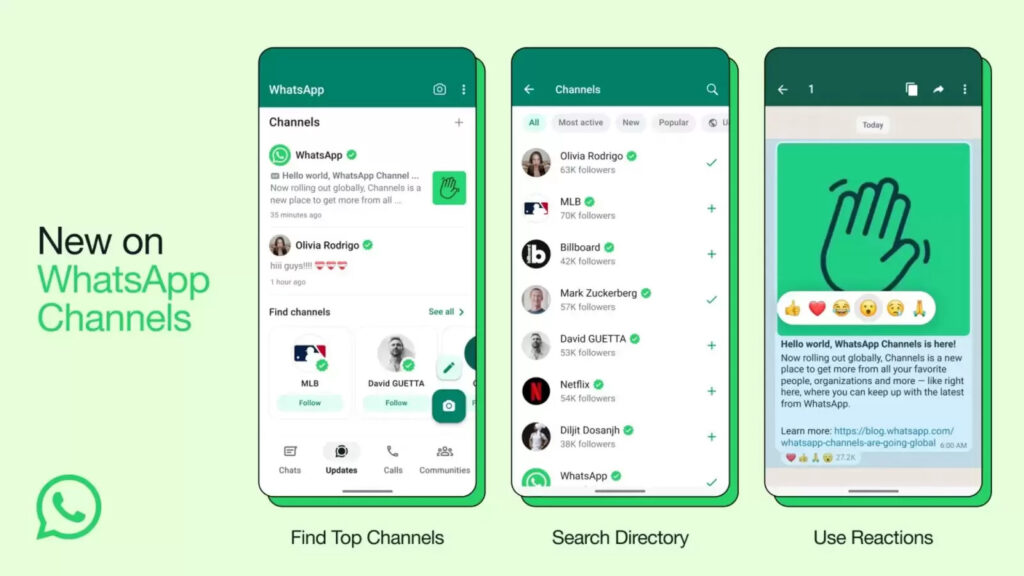
A WhatsApp Channel is a platform for people to receive the latest information and updates from individuals or organizations they follow. This could include news portals, sports teams, politicians, or even businesses and brands. WhatsApp Channels enable one-way communication, allowing administrators to broadcast updates and share information with their followers using text, media (photos, videos, stickers), and even conduct polls to gather feedback.

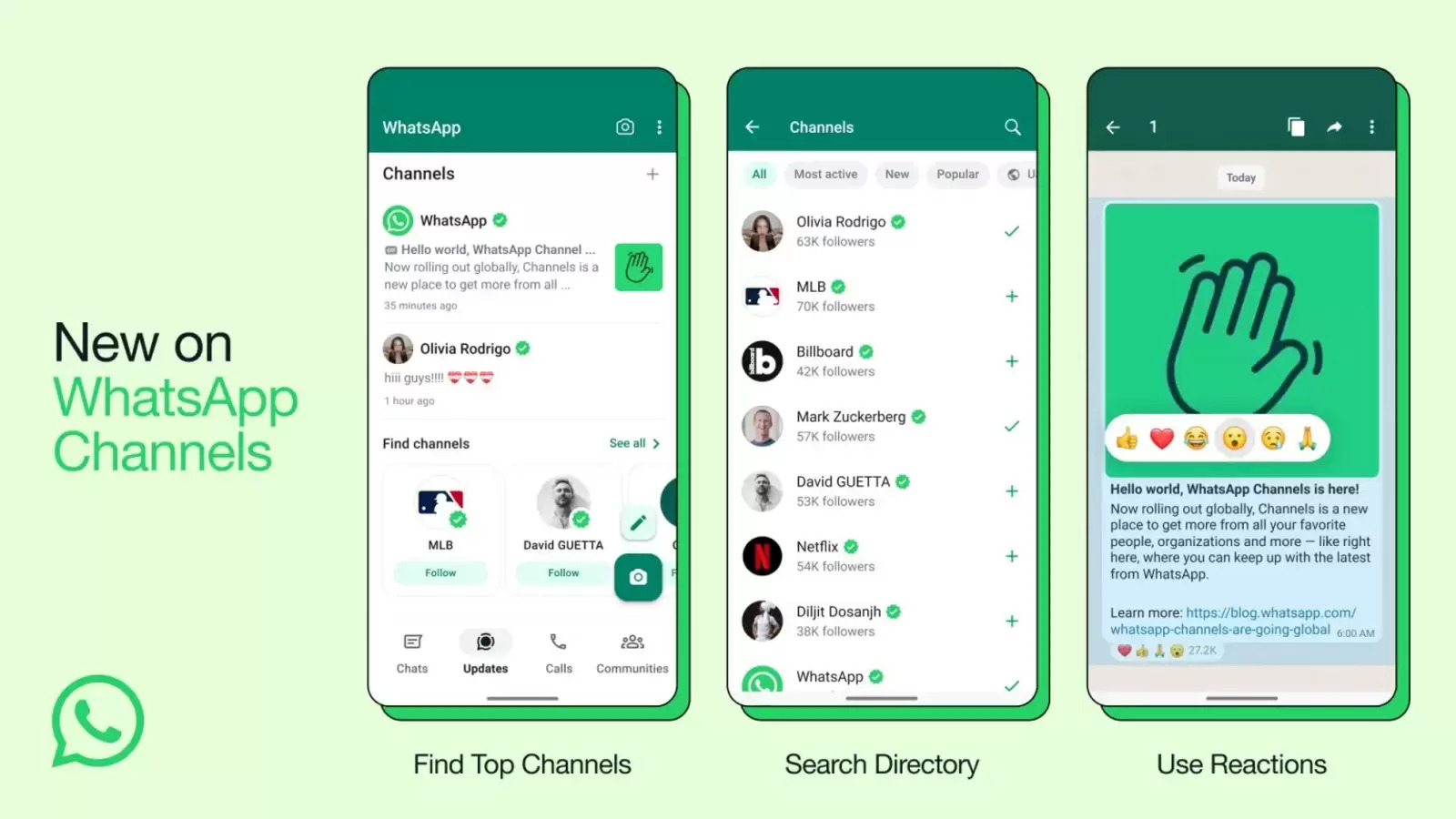
How to Create and Join a Channel on WhatsApp?

Image Source: livemint.com

Privacy is a key aspect of WhatsApp Channels. When you join a Channel, your phone number remains hidden from the admin and other followers, and likewise, the admin’s phone number is not visible to Channel members. These Channels are accessible via the Updates tab, which was previously known as Status. According to Meta, Channel updates are stored on their servers for up to 30 days.

Getting Channels on WhatsApp

To access the Channels feature, you need to make sure you have the latest version of WhatsApp. Here’s how to update the app:

  1. If you’re using an Android device, open the Play Store. If you have an iPhone, open the App Store.
  2. Navigate to the Updates section in your respective app store.
  3. If there’s a pending WhatsApp update, install it.

Once you’ve updated WhatsApp, you’ll have access to Channels.

Joining a WhatsApp Channel

After updating WhatsApp, follow these steps to join a WhatsApp Channel:

  1. Open WhatsApp and head to the Updates tab.
  2. Below the Status section, you’ll find the Channels section.
  3. Tap the “Find Channels” button to see a list of Channel recommendations.
  4. You can use filters and country settings to customize your search.
  5. Click on a Channel to view the type of content it broadcasts. You can also forward and share the Channel with others from this page.

If you want to follow a Channel, hit the “Follow” button in the top-right corner. Alternatively, you can join a Channel by tapping the plus (+) button next to a Channel name in the suggested list.

By default, notifications from the Channels you join are muted. You can unmute them by clicking the bell icon to the left of the three-dot menu in the top-right corner or by toggling off the switch for “Muted” on the Channel’s page.

Creating a WhatsApp Channel

WhatsApp allows anyone to create their own Channel. If you have a following and want to share important information or updates, follow these steps to create a WhatsApp Channel:

  1. Open WhatsApp and go to the Updates tab.
  2. Tap the plus (+) button next to the Channels section and select “Create channel.”
  3. Click “Continue.”
  4. Provide a name for your Channel and write a description to inform potential followers about its purpose.
  5. Choose a profile icon for your Channel to make it more recognizable.
  6. Finally, click the “Create channel” button to create your Channel.

Once your WhatsApp Channel is created, you can start posting messages and updates. You can also share the link to your Channel with your followers by clicking the “Channel Link” button in the top-right corner and selecting the contacts you want to share it with. Followers can react to your updates using emojis or participate in polls, but they cannot send direct messages to the admin.

Your own Channel, along with the Channels you follow, can be found in the Channels section within the Updates tab. This section serves as a hub for all your Channel-related activities on WhatsApp.