Your Tech Story

Tech News

Apple and Intel

Apple and Intel Agrees on Apple Acquiring the Intel’s Smartphone Modem Business for $1B

Apple, through a blog post, announced on Thursday that it is going to acquire the majority of Intel’s smartphone modem business. According to the post, over 2200 Intel employees will switch to Apple. The agreement between Apple and Intel also includes the acquisition of IP and equipment from Intel and the payable amount for Apple is set to be $1 billion.

The deal between Apple and Intel is no surprise for most of the people, as there have been rumours making rounds that Apple will be taking over the Intel’s modem business so that it will not have to rely on other companies for the modems for its smartphones.

After the deal is closed, Apple will be independently building its own 5G modems for iPhones. Recently the company settled its dispute with its longtime modem supplier Qualcomm. But it seems Apple is no more interested in taking the help of a third party supplier for the equipment. The company will also be taking over the right on Intel’s 17,000 wireless technology patents.

Apple and Intel
Image Source: appleworld

“We’ve worked with Intel for many years and know this team shares Apple’s passion for designing technologies that deliver the world’s best experiences for our users. Apple is excited to have so many excellent engineers join our growing cellular technologies group, and know they’ll thrive in Apple’s creative and dynamic environment. They, together with our significant acquisition of innovative IP, will help expedite our development on future products and allow Apple to further differentiate moving forward.” said Johny Srouji SVP Apple.

Apple leads towards in-house production

Apple and Intel broke the news two months after the former made a settlement with Qualcomm in April. In fact, Intel had also announced that it plans to stop all its operations of producing smartphone modems after the two companies had ended their years’ long-running dispute. However, Intel will still be developing the modems for PCs, laptops, Internet of Things, etc.

According to Apple, the two companies will close the deal by the end of 2019, after going through all the legalities. Beliving the rumours, Apple may start 5G modem production as soon as the mid of 2020. The deal will lead Apple towards in-house production, and this way, it can focus better on the quality of its products as well as save a lot of money.

Samsung Galaxy fold

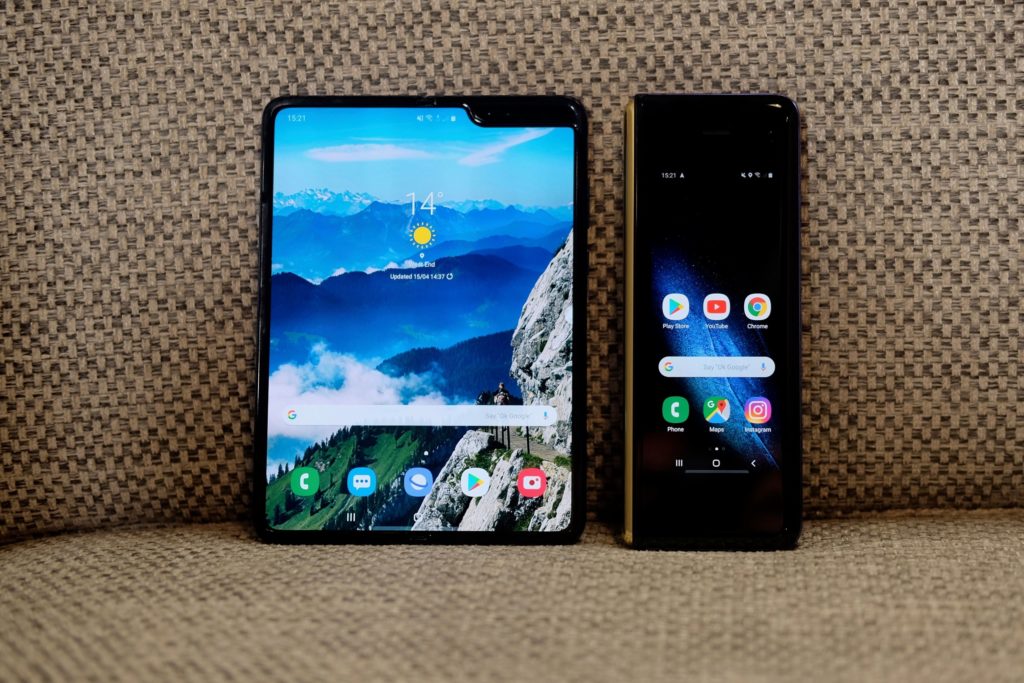
Galaxy Fold : Samsung to Finally Launch its ‘Improved’ Foldable in September

Though not required, many of the smartphone development companies have announced their own foldable smartphones Samsung being one of the first to do so. Samsung had revealed that it is working on a foldable smartphone, Galaxy Fold, earlier this year, and even got to launch one. But the foldable from Samsung had numerous problems. This led to many controversies, and it became a fail.

But now the company has again come up with its foldable smartphone Galaxy Fold, and that, according to an announcement made by Samsung, will be launched in September. The company said that it has made all the required improvements to its Galaxy Fold, and it is ready for the launch.

“Earlier this year, we announced Galaxy Fold-Samsung’s first foldable device and the beginning of an entirely new mobile category. Since then, we’ve made improvements to the Galaxy Fold to ensure consumers have the best possible experience.” said one of the spokespersons from Galaxy Fold development division.

Samsung Galaxy fold
Image Source: trustedreviews.com

The main issue with the previous version of the foldable was the cracking of the screen when folded. But now the company has made some good changes to the smartphone that, according to the company claims, will protect the screen.

What are the New Improvements?

The foldable has a protective layer over the Infinity Flex Display. Samsung has extended this very protective layer beyond the bezel of the phone, making it attached to the phone. Thus the user cannot remove it by mere scratching.

The company has added the protection caps to the top and bottom of the hinge area of the smartphone. This way, it becomes even stronger. The company also took time to reduce the space between the body of the phone and the hinge.

To provide extra protection to the screen, Samsung has added an extra metal layer under the Infinity Flex Display.

“Samsung has taken the time to fully evaluate the product design, make necessary improvements and run rigorous tests to validate the changes we made,” said Samsung.

Reportedly, the company is aiming to improve the user experience and has even made some changes to the UX/UI of the smartphone. The company has not specified a particular date for the launch, but before September, it will be undertaking all sort of tests over the new Galaxy Fold.

nest max hub

Google to (may) Launch the Nest Max Hub in the Coming September

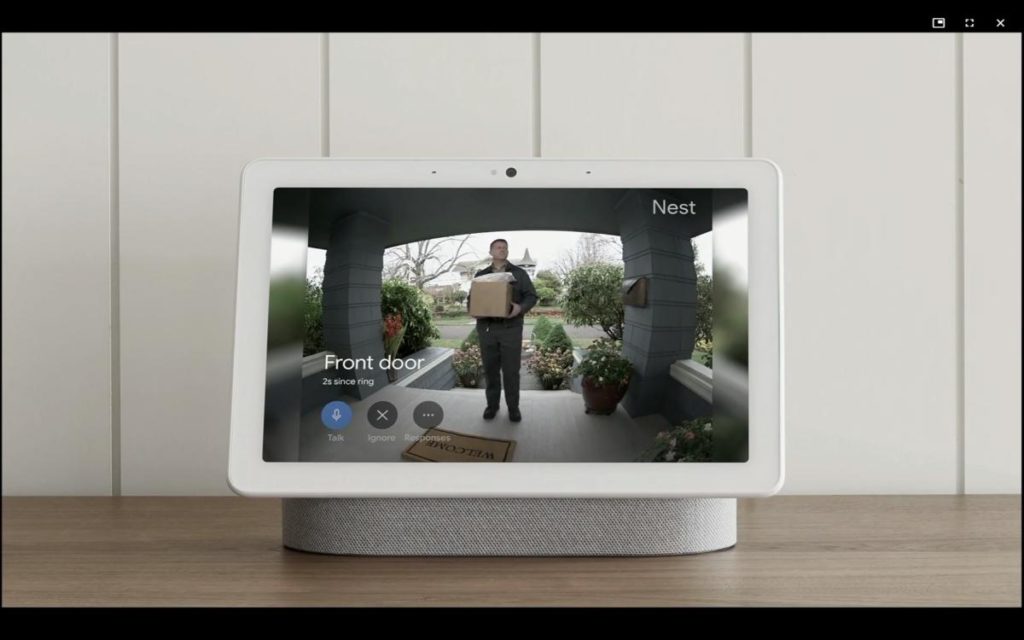
Recently, Alphabet’s subsidiary smart home device maker was rebranded to Nest from Google Home, and in the last Google I/O 2019 event, the company announced a new and big Smart Display, i.e. Nest Max Hub. Well, the company has also mistakenly revealed the date of launch for the said product. The revealed date though was 9th of the coming Septemeber, but the company has just removed the date from its support page.

Previously the company had launched the Nest Hub, a 7” display, that opened the door to things like guided recipes, song lyrics, appointment calendars, etc. The brand new Smart Display from Google is 10” HD display and is empowered with Google Assistant.

This time, the company has also included Nest Cam to the display, such that if the user is away from home, and the Nest Cam captures any new faces, it alerts the user. For the alerts, the company has included the Nest Aware subscription service into the display. The camera uses the Face Match technology to identify faces and can recognize up to six people. For these six people, it then creates personalised settings, too.

nest max hub
Image Source: techhive.com

The camera offers a 127-degree field of view that covers a larger area. The display also lets the user scroll through the recording history. Having a camera on the display, the users can also make video calls through it using Google’s Duo app.

Having the assistance of the Google Assistant, the Smart Display can create personalised calendars for the users, and on their preferences, it can also incorporate new playlists.

Quick Gestures is another new feature added to the display, such that the user can control some of its apps through the hand gestures only. Like for the music, the user can ask the smart display to reduce or increase the volume through their hand’s gestures.

The new Smart Display has also inherited a few features from its previous version. Like Nest Hub, it will render built-in Chromecast and will also have access to Google Photos. It has also got a 2-channel speaker setup, that includes two tweeters and a woofer.

The Nest Max Hub is an all-in-one device that has been designed to serve almost every type of solutions to the user. According to the company’s keynote at the Google I/O conference, the Nest Max Hub, for users, is their kitchen TV, a security camera, a smart home controller as well as their Smart Display.

According to the announcement, the Smart Display will be first available in the U.S., UK and Australia. The price of the product has been set at around $299, which is a bit pricier than its ancestor. But based on the various specifications of the new Smart Display, it is quite a steal deal.

Nasa Orion

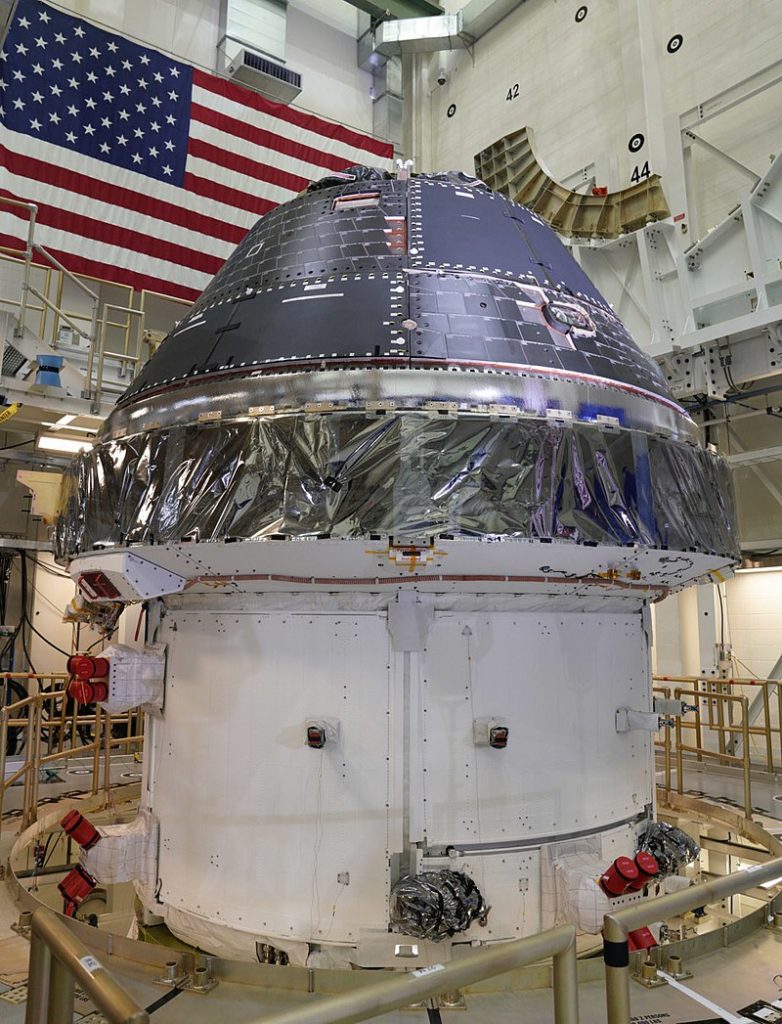
NASA is All Set to Carry Out its Next Moon Mission with Orion Crew Capsule

Fifty years ago the first moon mission took place and last week was nothing but a celebration of the 50th anniversary of the same. Along with celebrating the whole event, NASA also revealed that it is going to carry out another mission to the moon using its newly developed Orion spacecraft, that will return humans to the moon by 2024.

During the 50th anniversary event at the Kennedy Space Center, the agency confirmed that the Orion crew capsule is ready for its trip to the moon and it will be carrying out its first mission after June 2020.

In the first mission of Orion next year, i.e., Artemis 1, the spacecraft will not carry any humans to the moon. It will be propelled through Boeing‘s new Space Launch System and will spend three weeks in the space. During this time, it will stay in the orbit of the moon for over six days. The mission will also carry out a test on the spacecraft while returning to the earth. During the mission, the agency will be testing the thermal shielding of Orion the time it will be entering the atmosphere of the earth at the highest of speed. This very mission is estimated to cost a total of $20-30 billion.

Nasa Orion
Image source: wikimedia.org

In the second mission to the moon, i.e. Artemis 2, in 2022 the spacecraft will carry a proper crew, and later in 2024, with the mission Artemis 3, it will take the astronauts to the surface of the moon.

During the event, Vice President Mike Pence talked about the first successful moon mission and the spaceflight, Apollo 11, that first landed humans on the moon. He also talked about the new Orion spacecraft and the missions that it will be carrying out in the coming future.

“Thanks to the hard work of the men of NASA, men and women of NASA, and American industry, the Orion crew vehicle for the Artemis 1 mission is complete and ready to begin preparations for its historic first flight,” said Pence during his speech.

It won’t be the first time that Orion will go into space. It took its first four hours flight into space back in 2014. It was a test flight in which it took two complete rounds of the earth.

Along with the moon mission, NASA is also working with other private companies like SpaceX and Boeing for its other space missions. The first mission that Orion will carry out will only be possible in 2020 if Boeing builds its most powerful Space Launch System rocket on time.

Encouraging the astronauts and scientists present at the event, Pence also stated, “It will be American men and the first American woman who will step on the surface of the moon in the coming five years.”

Hongmeng OS

Hongmeng OS is not Designed to Replace Android : Huawei

The past few months have been quite challenging for the Chinese tech company Huawei. It has faced partial ban in one of the biggest smartphone markets of the US and Australis and has been the centre of criticism for having ties with China.

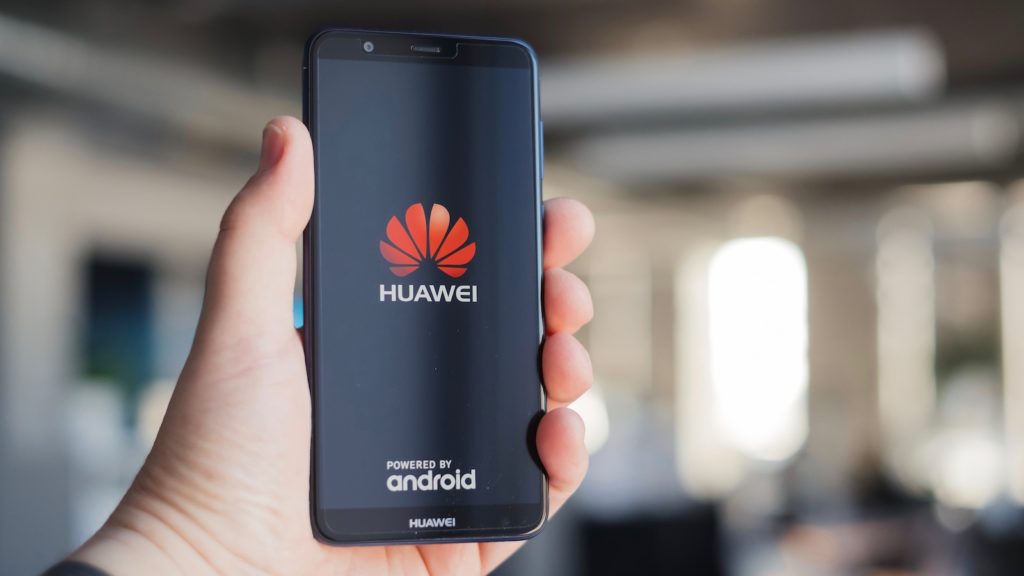
Amid all there issues, the company is trying to improve its grip on the smartphone industry, and reportedly, had plans to replace Google’s Android OS with its homegrown Hongmeng operating system. But the company now has completely denied the reports and has claimed that Android will remain the OS for its smartphones.

Huawei’s senior vice president Catherine Chen told the reporters in Brussels that Hongmeng is not a smartphone OS, and the company has no plans to use a self-developed OS for its smartphones as well as the other mobile devices.

Hongmeng OS
Image Source: techradar.com

According to Chen, the OS has been developed for the industrial usage, and its development started even before the company started facing the issues with the U.S. The company chairman Liang Hua also gave a statement stating that the very operating system is designed for internet-of-things (IoT) devices.

But if we go back to June, the statement given by Huawei VP, Andrew Williamson, was a bit different. He had told the Reuters, “Huawei is in the process of potentially launching a replacement. It’d be ready in months in the event of an Android blacklisting. It’s not something Huawei wants. We’re very happy being part of the Android family, but Hongmeng is being tested, mostly in China.”

In fact, after the blacklisting of Huawei by most of the U.S. companies, the Huawei CEO Richard Yu had also said that Huawei would be ready to use its alternatives. He had also mentioned that the upcoming OS will be used in a variety of devices like routers, network switches, tablets, computers and data centres, etc.

Based on the past reports, Huawei even was conducting tests for the OS on smartphones, and according to a few testers, Hongmeng is based on open-source Android and offers 60 per cent faster performance than Android.

But now, it seems that the company no more wants to replace the OS. This change in the decision can be due to Trump’s announcement that permitted the U.S. companies to come back in business with Huawei. So now Huawei can regain its access to the Android OS and does not need another OS to embed into its smartphones.