Your Tech Story

Tech News

Google Meet

Google Meet to Limit Meeting to 60 Minutes on Free Plans after September 30

With the global pandemic striking earlier this year, videoconferencing apps faced a larger crowd and growth in terms of new users. Due to the lockdown, from classes to business meetings, from chatting with friends to giving exams everything started taking place virtually. So, many videoconferencing platforms made their app free for everyone. One such company is Google that made Google Meet free for everyone which means video conferencing for an unlimited time.

When the pandemic started taking monstrous shape, people understood that this is not going to end anytime soon. So, Google Meet made the platform free for all users in April. The company also mentioned that this free plan would be until 30th September 2020. And, yesterday the company made it clear that it is sticking to its words.

Google Meet Free till 30th September of this year

In the last week of April, Google announced making Google Meet free for everyone. The company said the privilege of enjoying unlimited video conferencing time will not just be limited to enterprise and education customers. So, anybody with a Google account easily created a meeting in Google Meet with 100 participants maximum and no time limit. But, the company gave a hint at the beginning that the time slot will be reduced to 60 minutes after 30th September. But, the users might have thought with time the deadline might have extended.

Google used the free for all strategy to also outrun Zoom in terms of the user base. When the lockdown started, the first videoconferencing platform that escalated to unlimited height was Zoom. But, very soon due to the compromised security system of Zoom or callous safety measures, Zoombombing took place. Google Meet saw it as a golden opportunity to take control of the market by both free meetings and ensuring safety. When Google made the platform free it made clear that Google will focus more on the safety measures. Thus, whenever a person will try to join a meeting using a link, first he will wait in the green room until and unless the host lets him in. This made Meet better and safer than Zoom.
Google Meet
Image Source: arstechnica.com

Advanced features for G Suite

With the unlimited video conferencing time, Google also made the advanced free features free for everyone. At first, the features were made free till 1st July which was then extended to 30th September. But, along with the time limit reducing to 60 minutes, free users cannot enjoy the advanced features of G Suite anymore. When the G Suite features were also made available it allowed the G Suite for education customers to host meetings with up to 250 participants. The platform also allowed live-stream to up to 100,000 users within a single domain. And, these meetings recording could be saved in Google Drive as well. Unfortunately, all these privileges will go away after a couple of days with only the “Enterprise” tier of G Suite using it for $25 per user per month.

After the pandemic started, Javier Soltero, VP and General Manager of G Suite, said that in the time of needs the company wants to give everyone access to features that they enjoy. G Suite is one of the best products to win by choice and they are trying nothing but to help people around the globe. The company also noticed that the daily user base of Google Meet increased 25 folds as it was in January. So, free access even though for a limited time was immensely profitable for the company.

Other video conferencing platforms 

In April, Google Meet witnessed a daily participant count of 100 million or more. After Zoombombing, every video conferencing company including Google Meet wanted to take its position in the market, thus ruling it. Among all these apps, it was Zoom to achieve great success within a very small period. The other companies eventually started chasing the meteoric rise of Zoom. But, with the virtual mode becoming the new normal for every purpose, it is time for Google Meet to get back to its normal plans.

So, the decision of ending free plans for all is fixed. Free users can still enjoy videoconferencing but with a time constraint of 60 minutes.

Amazon

Amazon Announces Ring – A New Indoor Security Camera Drone That Flies

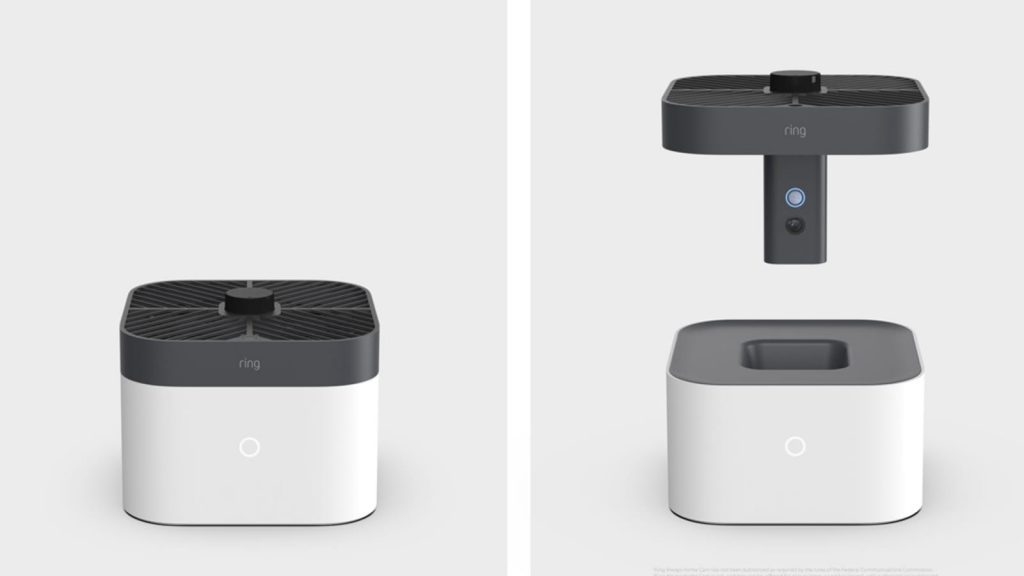
Amazon has been a significant player in the indoor home security space for a while now. The tech giant has also been growing within the smart devices space with several entries, such as smart cameras and speakers. However, it recently announced that its indoor home security camera drone named Ring would literally be taking flight soon enough. This new Always Home Cam will serve as an autonomous indoor drone that flies around your home, helping you keep an eye out while outside. Here’s a quick look at everything you need to know about the Ring and its expected launch date.

Always at Home with Amazon Ring

Amazon new indoor Home Cam will enable users to keep an eye on their homes at all times. Furthermore, once the drone is done flying and taking a look everywhere, it will return to its charging dock to power up again. The new drone will start shipping next year and will cost their buyers a whopping $249.99. Ring’s founder, Jamie Siminoff, said the inspiration for such a drone came as a way to receive multiple perspectives of your home without the need for several cameras. With such an autonomous drone, the owners can gain a look into all their rooms, without paying for several separate security cameras. According to Jamie, the company spent the last two years working on this device.

Taking to the Skies

The Always Home Cam is an “obvious” product, according to the parent company Ring, but one which took a lot of effort to develop. Jamie credits recent advancements in the field of drone technology, for helping his team build a product like this. The autonomous drone carries a camera on it to help provide users with live-footage of their houses. The owners also have the option of telling the drone where they want it to go, and which patch to take. After buying the product, the owners will help set up a map of the home, and also set viewpoints, such as a bedroom or kitchen. The drone starts flying either on command or when it detects a disturbance though its linked Ring Alarm system.

Amazon Ring
Image Source: cnbc.com

Other Features and Details

Since the charging dock blocks the drone’s camera, it will record only when in flight. Also, the device makes an audible noise while flying so that the people are aware that footage is being recorded. Ring states that the drone can help check anything from a stove being left open to whether a door is shut properly. The drone comes packed with obstacle detection and avoidance technology to help avoid collisions and other mishaps. Furthermore, it has shrouded propellers to help prevent damage to things in the room, pets, and other humans if there is a collision.

The project is Ring’s most ambitious yet and seems to be one from the future. It will be interesting to see whether the project kicks off and how effective it proves to be. Amazon, through such collaborations, is trying to bring the future to us, and it will be exciting to see how the drone performs next year. For years now, experts have debated whether such intrusive technology might hinder our privacy. The introduction of such a drone raises various questions, such as; 

  1. Where do the pictures regarding the mapping of the house go?
  2. Could someone at Ring fly the drone around?
  3. How safe is the system against hacking and other such threats?
  4. How long can it fly, what is the average flight speed, and what is the battery life?
  5. What happens when it runs out of charge?

While these questions remain unanswered, it looks like Amazon will have to clarify regarding the privacy issues related to the product. That being said, it will be exciting to see such cutting-edge drone technology being accessible to ordinary people. Also, since the new system collaborates with the Ring Alarm system, users are unsure regarding the systems that can be used individually. All the systems in place might also lead to the Ring H having a bird’s eye view of our homes. How safe will people feel in such an atmosphere? Only time will tell whether such autonomous drones help make us feel safer and in control, but it sure is an exciting time for techies and enthusiasts!

Qualcomm

Qualcomm announced Snapdragon 750G SoC, Enabling Truly Global 5G, and HDR Gaming

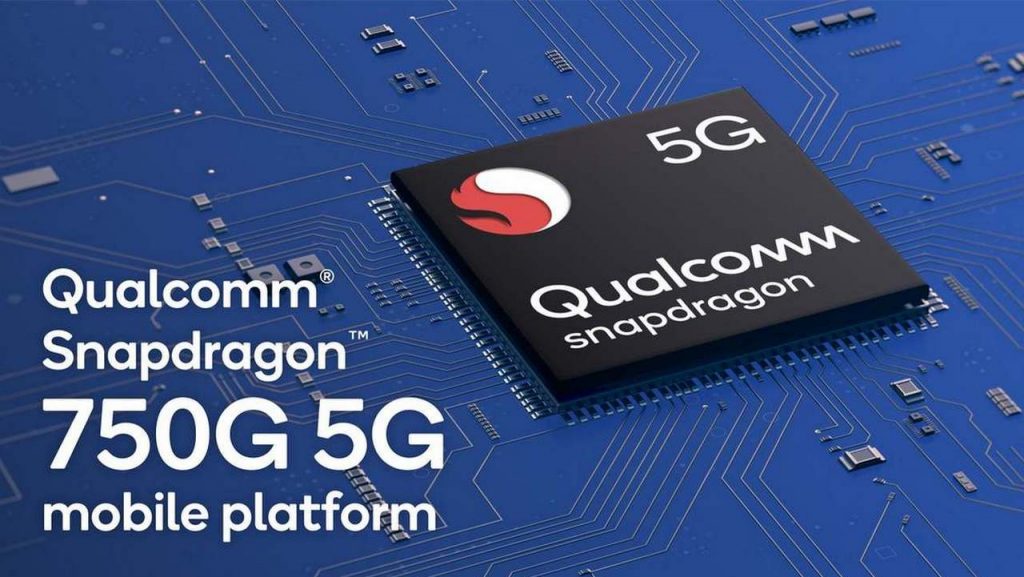
Qualcomm Technologies are always on top when it comes to global connectivity and leading wireless technology. Many multinational companies are working tirelessly to bring more advancement incorporated in the 5G network, but currently, Qualcomm is playing its ace. On 22nd September 2020, Qualcomm Technologies announced a new mobile platform, Qualcomm Snapdragon 750G 5G Mobile Platform. This is a true 5G mobile platform offered by the company and will be added to the Snapdragon 7-Series.

The 750G 5G will offer a truly impeccable 5G mobile platform for the users that will ensure excellent global connectivity, high-quality gaming, and on-device AI. The Snapdragon 7-Series has witnessed a lot of new design launches and every time it has turned out to be a bit hit. And, with the 5G global connectivity, the excitement among users will increase by several folds.

Kedar Kondap, VP of product management, Qualcomm Technologies, said that the company is looking for more ways to support the needs of OEM customers as they are growing every day. The new Snapdragon 750G Mobile Platform will provide a handful of premium features to a wider user base. Now, let’s have a more detailed look at its features.

Features of the new Qualcomm Snapdragon 750G

The Snapdragon 750G 5G Mobile Platform runs in an X52 5G Modern-RF System. The system supports mmWave and sub-6GHz, both standalone (SA) and non-standalone (NSA) nodes, TDD, FDD, and Dynamic Spectrum Sharing (DSS) as well. The platform provides both global roaming and global multi-SIM. With these highlighted features any device that runs in Snapdragon 750G will support multi-gigabit connections. This means the users can download and upload files within the blink of an eye. Gone are those when we use to have 2G speed internet connectivity even to download big files. Both the speed and the limit of data have expanded just in a couple of years.

Qualcomm Snapdragon 750G SoC
Image Source: firstpost.com

As I mentioned earlier, the platform has been made compatible with high-quality gaming as well, the new Snapdragon 750G offers Qualcomm Snapdragon Elite Gaming. This new feature allows low-latency gameplay thus making the platform smoother and better in terms of quality. The platform has also incorporated Qualcomm Adreno 619 GPU that will provide better graphics quality making the scenes look more real. The users can also stream games from 5G cloud gaming platforms.

5th Generation Qualcomm AI Engine

AI has already taken over most of the industries in a diversified field. The capability of a machine to understand human intelligence has unlocked many new opportunities and paved a way for a better understanding of the customers. After all, the main goal is to give a better experience to the users. The Qualcomm AI Engine creates a better interaction with the smart camera and video, voice recognition and translation, advanced imaging based on AI, etc. The new Qualcomm AI Engine powering the Snapdragon 750G provides a 20% sharp improvement in functioning (smart detections and functions that are based on AI) than 730G. In 750G Mobile Platform, the AI engine provides 4.0 Trillion Operations Per Second (TOPS).

The platform also has Qualcomm Kryo 570 CPU that enhances the overall performance consequently user experience as well. The 750G mobile platform also has Qualcomm Sensing Hub that combines multiple data streams to work in a better way. For example, the Snapdragon 750G 5G Mobile Platform has Qualcomm’s AI-based audio and voice communication suite. This helps in canceling the noise or background voices as the system enables AI-based echo cancellation automatically. Thus it provides a better experience while voice calling or voice assistant tasks.

What experts have to say?

Andreas Bussmann, Program Manager 5G devices, Deutsche Telekom, said that Deutsche and Qualcomm have a very strategic collaboration. They hope this new Snapdragon 750G 5G will scale the 5G network and improve user experience. Chris Emmons, Executive Director Device and Product Marketing, Verizon said that with Qualcomm coming up with superior solutions, it will help run the 5G devices their customer relies on. Xiaomi works in collaboration with Qualcomm and they will launch the first commercial smartphone that will have Snapdragon 750G 5G connectivity. The commercial devices having Snapdragon 750G are expected to roll out by the end of this year.

Realme Logo

Look at Realme UI 2.0 Features and Expected Timeline

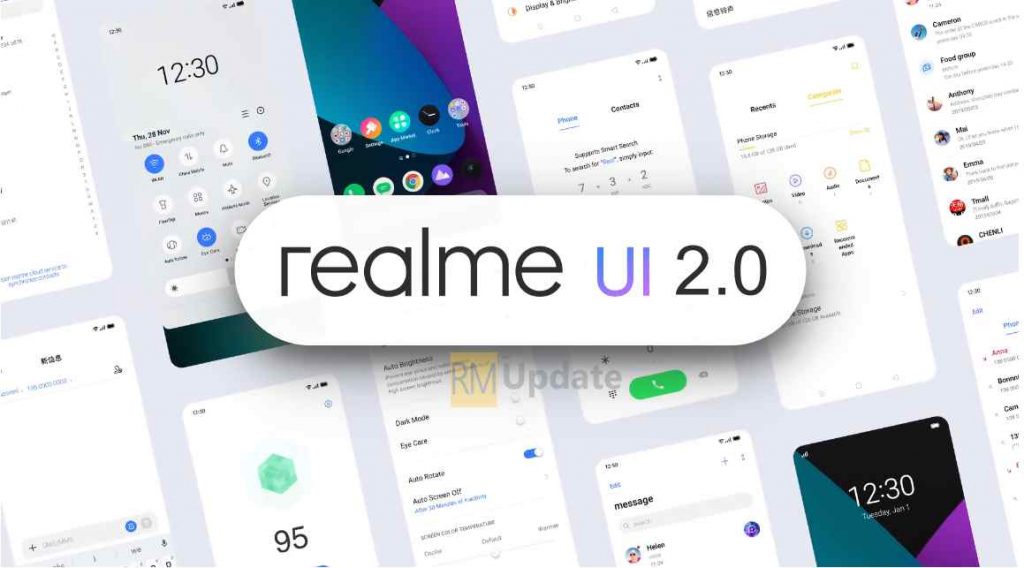
The recent months have been witnessing the massive unveiling of tech and smartphone plans and programs. Several big companies, from Apple to Oppo, have unraveled their projects which include online stores and new UI releases. Not wanting to be left far behind, Realme too has unveiled its latest Android 11-based UI named Realme UI 2.0. The UI focuses heavily on customization and comes packed with a slew of new features. Here’s a look at everything you need to know about the Realme UI 2.0.

Realme Launching New OS

Realme’s UI 2.0 features options to customize your notification bar colors, several different dark modes, and comes with a Dual Music Share. The company is in the process of unraveling the update in steps, with the Realme X50 Pro being the first device to receive the upgrade. The phone had already received a preview version of the new OS and will be their first device to become available with the newest UI. Also, the company unveiled the UI 2.0 through an online event, which also led to the launch of the latest Realme Narzo 20 series. 

What’s New?

The Realme UI 2.0 allows users to pick colors for their interface, notification bar, shortcut button, and other interfaces. It also comes with a Global Theme Colour function which features five pre-set schemes and ten individual and unique single colors for users to choose from. The Always-on Display function also comes with five different themes, allowing users to customize their visual experience truly. The Realme X50 Pro was the first phone to receive a preview version of the OS, and will also be the first to the market with the new UI. A beta version of the device will release on Thursday (24th September), with the open market version hitting stores by late October. The stable version is expected to go on sale by the end of November after enough testing on the beta version.

The OS also brings to the table three different Dark Modes, namely Enhanced, Gentle, and Medium. The OS supports intelligent light adjustment, which leads to the screen, adjusting the contrast levels according to the amount of ambient light. The new OS also allows users to customize their icons and also provides them with a slew of font options. The UI enables third-party launching apps to access its desktop design providing further compatibility and customisability to users.

Image Source: rmupdate.com

Further Features

The Realme UI 2.0 also promotes digital wellbeing, including modules such as the Sleep Capsule which allows users to track their sleep cycle. Other features include a Floating Windows function which enables you to multitask, by allowing the usage of multiple windows. Hence, using the Realme UI 2.0, you can text your friends while watching videos on YouTube. The interface which the company will shop atop Android allows for better performance and higher efficiency. The company claims that its interface has led to a 45% improvement in resource utilization, leading to increased productivity. Furthermore, the OS also helps in increasing system speed by 32% and increasing the stability of frame rate rendering by 17%.

The new OS also comes packed with better security and privacy features, including a Deep Sea Privacy Plan.  This plan features a Security Shield, Invisible Door, and Private Space helping keep the user’s information safe and secure. To enable users to share links easily, the new system comes with a subtitle stitching feature. Other methods to share information and photos include the Dual Mode Music Share and Realme Share. Furthermore, the operating system also has additional features such as Bubble notifications, output switcher for media outlets, and media controls.

It is safe to say that these are exciting times for the smartphone manufacturer.  The company unveiled four phones and a new OS within hours via its two special virtual events. While the Realme C17 came first, a trio from the Narzo 20 Series followed suit, right after it unveiled the new Realme UI 2.0. It will be interesting to see whether the UI delivers with regards to its areas of improvement, which include sociability, productivity, and creativity.

While the addition of new colors and themes improve creativity by allowing users to express themselves, the company has also pushed sociability via its sharing options. The upgraded Realme Share feature allows for seamless file transfer over Wi-Fi, whereas the Dual Mode Music Share enables quick sharing of audio tracks, much to the delight of music-lovers. The sociability features also allow high levels of privacy with the help of security drawers which require PINs to open and functions like Call blocking and Pseudo Site blocking. The Realme UI shares a lot in common with the Oppo ColorOS, which recently launched a new version. It will be interesting to see how the Realme UI 2.0 stacks up against its competitor, and how much freshness this new OS can infuse into Realme devices.

Paytm

Google takes down Paytm from Play Store

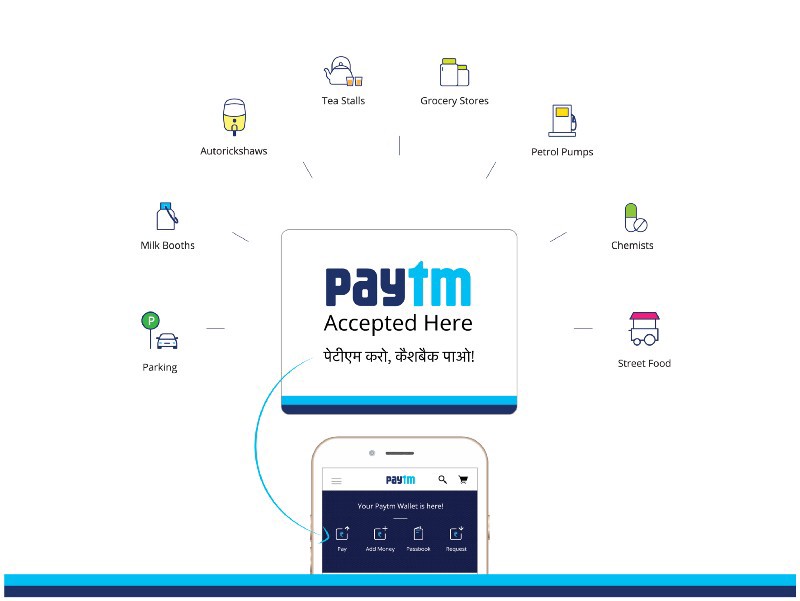
Earlier on 18th September 2020, Google took down Paytm, India’s most reliable and valuable digital payment app from Play Store. Google accused Paytm of violating the Play Store gambling policies and thus the app disappeared from the Play Store all of a sudden. Paytm has a monthly active user base of 50 million thus becoming Google Pay the biggest competitor in the country. Paytm accused Google of restricting the financial service app from adding new users. Let’s have a more detailed look into this.

Why Paytm has been taken down by Google?

Sports betting is banned in India. But, escaping the strong vigilance, many online sites arrange sports betting illegally. According to Google, Play Store doesn’t allow online casinos in its list and other gambling apps that promote and welcome users for sports betting in India. TechCrunch was informed by two unnamed people that Paytm has introduced a fantasy sports service (Paytm First Games) in its marquee app that violated many times the policies of the Play Store. 

The Android-maker also maintains similar guidelines around gambling. There are many apps made by Indian companies that lead the users to an external website where one can participate in paid tournaments and betting related to sports in India. And, all such apps violet the policies of Google Play Store thus bringing doom on themselves. Suzanne Frey, VP, Product, Android Security, and Privacy, wrote in a blog post that the rules are made to protect users from potential harm that can be caused by these misleading apps. She also further mentioned that even after warning the developer if the app is not brought into compliance it might also result in permanently terminating the Google Play Developers account.

After Paytm was taken down by Google, Paytm tweeted addressing all its users that the app is temporarily unavailable and it will be back soon. The company also assured that all the money is safe and they don’t need to worry.

Paytm
Image Source: blog.paytm.com

Sports betting in India

Google taking down Paytm accused of illegal sports betting might be a loud and clear message to all developers across the country. Since India is a country with a huge base of cricket lovers and IPL that started on 19th September, it might be a gentle warning. Google wanted to warn everyone that the betting policies of the Play Store should be taken seriously. The previous seasons of IPL have witnessed the interest of millions of Indians in such apps where they can participate in sports betting.

Apart from Paytm, Google has also asked Disney+ Hotstar to display a warning before showing ads of fantasy sports app.  

Paytm accused Google

Vijay Shekhar Sharma, co-founder and CEO of Paytm in response to this accusation by Google said that Google is not allowing Paytm to acquire new users. Google took down the app of Paytm hours after it rolled out cricket-themed scratch cards for cashback. He said that though Google has previously raised concern about Paytm First Games, this time it was about “nothing but” provided cashback to the users. He further said if cashback is the issue, the same rule should apply for Google Pay and PhonePe as well. The company has pulled the new feature and revised the app’s current version.

In response to Google taking down Paytm, FIFS (Federation of Indian Fantasy Sports) said that it has launched a complaint to Google about allowing some big companies like Paytm to launch and promote cash contest. The FIFS said that the guidelines of Google regarding Fantasy Sports should be imposed on everyone equally.

Is it back on the Play Store again?

The app was taken down from Play Store on Friday morning. It was back again in the evening after the company submitted its regulated version of the app to Play Store. The app was banned as the company rolled out a new feature called “Paytm Cricket League”, a day before IPL. The CEO of the company said the feature was cricket-themed cashback for users but Google said it violated policies against “simulated gambling content”. Though Google says Paytm violated policies, some industry experts are looking at it as a potential conflict of interest as Paytm is Google Pay’s biggest rival in the country.

Apple

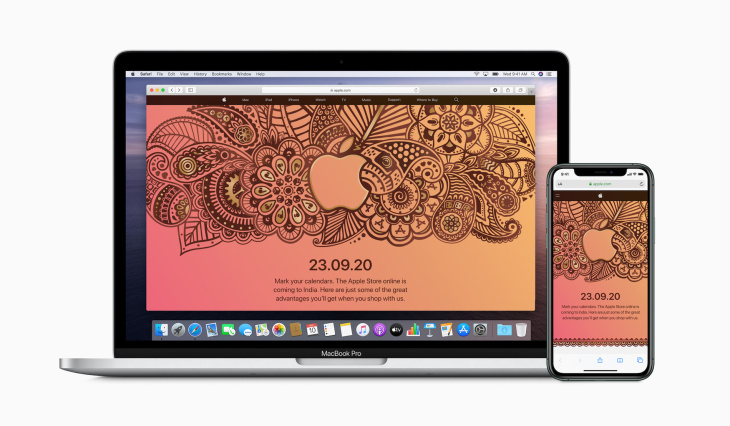
Apple launching its online store in India on September 23.

There’s some good news coming the way of Apple fanatics in India! The tech giant announced today that it would be unveiling an Apple Store in India on the 23rd of September via online means.  The online store will feature a slew of Apple products. While Apple products mostly sell online in India via Amazon and Flipkart, Bloomberg reported that the company was planning on establishing a unique store in time for Diwali. Furthermore, for the first time, the store will offer customers directly to clients throughout the country. Here’s a look at everything you need to know about the announcement, and why Apple fans are excited.

Apple Online Store in India

Apple’s online store will go live on 23rd September and will offer its full range of products. The store will offer all clients the premium experience that clients around the world receive. The model will try to replicate the service delivered at Apple stores worldwide with the help of an experienced online team. Deirdre O’Brien, who serves as the VP of Apple Retail and People, said that the company is proud to be expanding in India. He also said that the team is looking forward to serving its Indian customers in the best way possible. Since the COVID-19 pandemic has left everyone relying heavily on technology, the company felt it was the right time to make the transition. Brien said that the team hopes bringing the Apple Store to India would help their customers during such a vital time.

Apple Online Store
Image Source: techcrunch.com

Digital Transformation

The Apple online store will serve as a convenient one-stop shopping destination for all fans of the American tech company. The shop will have Apple Specialists in place to help customers with choosing the right products and explaining technical details. They will also help customers with configuring their devices and setting up newly bought ones to suit their requirements. The store will also help customers get advice, learn about new products, and receive guidance on a variety of matters in both Hindi and English. 

Special Features

The Apple Store also features various financing and trade-in programs, helping make their products more affordable. For instance, students can shop for iPads and Macs at exceptional prices, and also receive discounts on AppleCare+ plans and other accessories. By October, clients can expect the store to start free Today at Apple sessions online. The sessions will be led by Creative Pros from local areas and will focus on music and photography. Also, the store will make gift wrapping options and personalized engraving available by the festive season. Engravings on AirPods will be available in the following languages;

  • English
  • Hindi
  • Marathi
  • Kannada
  • Gujarati
  • Bengali,
  • Tamil
  • Telugu

For engraving on the iPad and Apple Pencil, the language available will be English for now. To keep with modern requirements of health and safety regulations, the Apple team will enable contactless delivery for all services. Orders which do not need a signature to complete will be left at the door, while the ones that do will be completed via verbal confirmation. BlueDart will handle the delivery fulfillment within 24 to 72 hours of order placement by following all the required safety protocols.

Other Efforts and Investments

Apple has been a presence in India for over two decades now. The American tech giant has invested in creating and sustaining over 900,000 jobs across the country. Furthermore, Apple’s App Design and Development Accelerator provides frequent support to local developers in Bengaluru. Indian apps have become crucial now, with ones like AI-based Wysa helping provide mental wellness support to millions. Similarly, YogiFi has become quite popular due to its innovative use of computer vision to help with posture-correction. The app also makes use of Machine Learning to curate personalized yoga plans and programs, helping and encouraging people to stay fit during this pandemic.

While the COVID-19 threat looms over the country, Apple is doing all it can to provide local support to organizations promoting remote learning. It will be interesting to see how big a hit this store becomes as Indians will now get a taste of the exemplary Apple service for the first time. Also, with reports stating that the tech giant plans on unveiling physical stores in Mumbai and Bengaluru from next year, this will act as a test to see whether the idea holds true.