Your Tech Story

Tech News

Ginni Rometty: Pioneering Leadership at IBM

Ginni Rometty: Pioneering Leadership at IBM

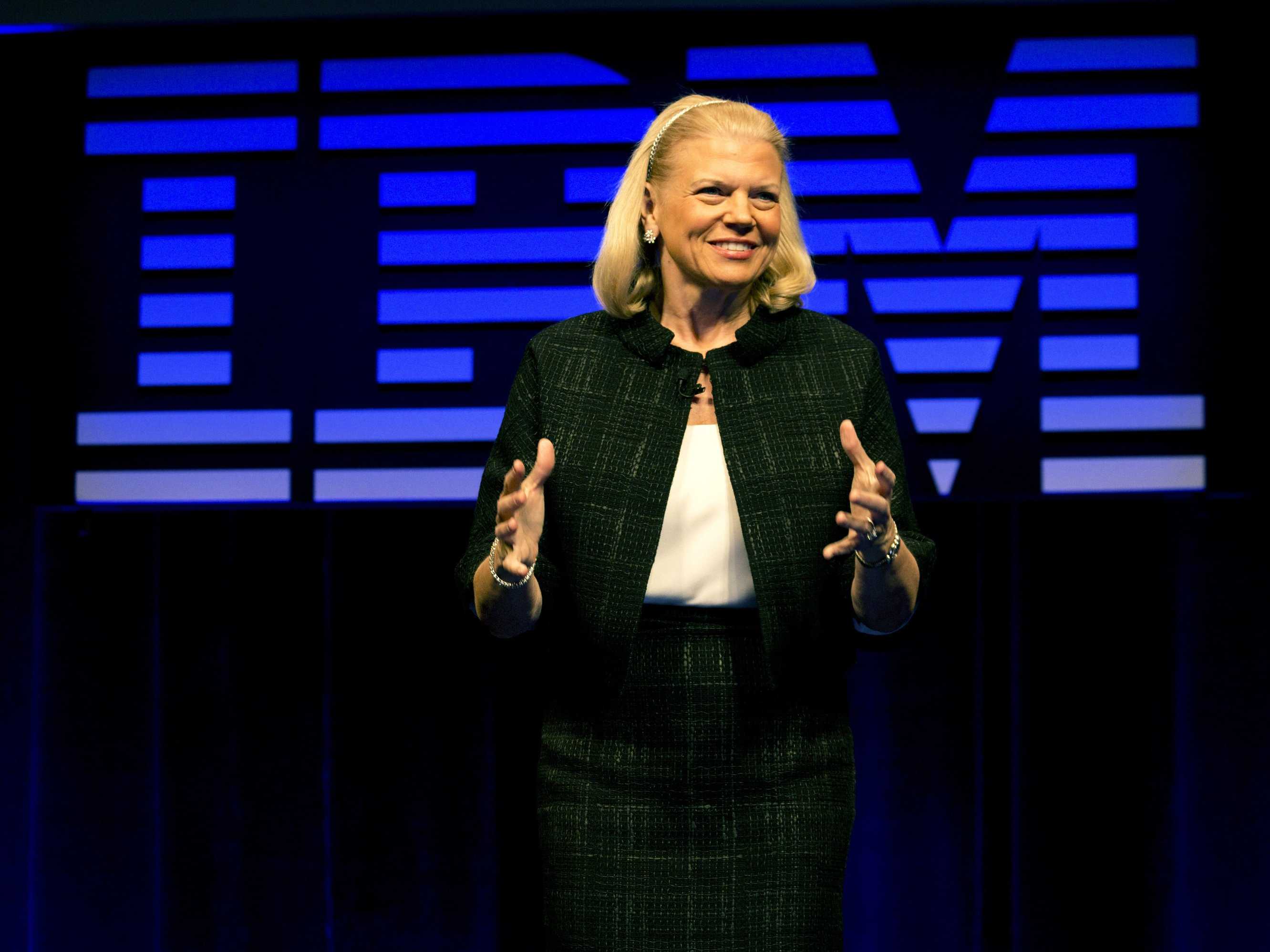
In the fast-paced world of business, where innovation is the currency of progress, leaders like Ginni Rometty shine as guiding stars. As the former CEO of IBM, Rometty’s journey is not just a testament to her individual success but a treasure trove of invaluable lessons for aspiring entrepreneurs and executives alike. Let’s delve into the secrets that propelled Ginni Rometty to the summits of success.

Visionary Leadership: Pioneering Tomorrow's Solutions

Ginni Rometty: Pioneering Leadership at IBM

Image Source: thesoftwarereport.com

At the heart of Rometty’s success lies her visionary leadership style. She understood early on that the key to thriving in a rapidly evolving tech landscape is not just about keeping up with change but actively driving it. Under her leadership, IBM transitioned from a traditional hardware-centric company to a global leader in cloud computing and artificial intelligence. Rometty’s ability to anticipate industry shifts and steer her organization towards future-ready solutions has been instrumental in IBM’s enduring relevance.

Fearless Innovation: Embracing Disruption

Innovation thrives in environments where risk-taking is encouraged and failure is seen as a stepping stone to success. Ginni Rometty epitomizes this ethos. Throughout her tenure, she championed a culture of fearless innovation within IBM, fostering an ecosystem where employees were empowered to experiment and think outside the box. This relentless pursuit of groundbreaking ideas enabled IBM to stay ahead of the curve and maintain its position as an industry trailblazer.

Empowering People: Harnessing the Power of Diversity

One of Rometty’s most enduring legacies is her unwavering commitment to diversity and inclusion. She recognized that true innovation stems from harnessing the collective brilliance of individuals from diverse backgrounds and experiences. By championing initiatives aimed at increasing gender and racial diversity within IBM, Rometty not only cultivated a more inclusive work environment but also unlocked new perspectives and insights crucial for driving innovation in a rapidly changing world.

Resilience in Adversity: Turning Challenges into Opportunities

The path to success is rarely smooth, and Ginni Rometty’s journey is no exception. From navigating economic downturns to steering IBM through periods of transformational change, Rometty’s resilience in the face of adversity is truly inspiring. Instead of being deterred by challenges, she viewed them as opportunities for growth and transformation. This resilience not only helped IBM weather storms but also emerge stronger and more resilient than ever before.

Legacy of Purpose: Making a Meaningful Impact

Beyond the boardroom, Ginni Rometty’s legacy is defined by her commitment to making a meaningful impact in the world. Whether it’s spearheading initiatives to address global challenges like climate change or championing STEM education for underprivileged communities, Rometty has always believed in the power of technology to drive positive change. Her unwavering dedication to leaving the world a better place than she found it serves as an enduring reminder of the true purpose of success.

In conclusion, Ginni Rometty’s journey is a testament to the transformative power of visionary leadership, fearless innovation, and unwavering resilience. By embracing these principles, aspiring entrepreneurs and executives can chart their own paths to success, leaving a lasting legacy that transcends the bottom line.

Honor's New Smartphones to Feature Google AI, Including Gemini

Honor’s New Smartphones to Feature Google AI, Including Gemini

Honor, a Chinese smartphone manufacturer, has announced a major collaboration with Google to integrate cutting-edge artificial intelligence (AI) capabilities into its next-generation smartphones. Thanks to this partnership, Honor’s upcoming smartphones will incorporate Google’s AI assistant Gemini and Imagen 2, a tool for generating text to images.

Honor Gives Google AI

Honor's New Smartphones to Feature Google AI, Including Gemini

Image Source: silicon.co.uk

Honor unveiled its strategy on Wednesday to include Google’s state-of-the-art AI capabilities in the next smartphones. Honor’s representative verified to CNBC that the company’s upcoming smartphones will utilise Google’s AI assistant Gemini and Imagen 2, an advanced text-to-image generating tool

Experiences with Generative AI

As it works to improve user experience with cutting-edge generative AI technology, Honor has made a significant advancement with the integration of these AI capabilities. This action fits into a larger pattern of smartphone makers implementing AI capabilities in an effort to lure customers to the newest flagship models.

Collaboration with Google Cloud

By working together with Google Cloud, Honor will be able to seamlessly integrate these AI features, expanding on the Android operating system that is now used in Honor smartphones. Honor can rapidly and efficiently provide its users with the newest generative AI apps by collaborating with Google, all without having to make the large financial commitment that would normally be necessary to build such technology internally.

Google AI Tools Exclusive Access

Honor has become one of the few businesses devoted to utilising Google’s AI resources. In January of this year, Samsung also declared that it would be collaborating with Google Cloud to deliver comparable AI capabilities to its products, such as Imagen 2 and Gemini Pro. This tactical alignment emphasises how AI is becoming more and more significant in the cutthroat smartphone industry.

AI Developments for Honor's Devices

Throughout the year, Honor has aggressively promoted the AI capabilities of its products. The Magic 6 Pro, which the company introduced in February, included an inventive AI function that lets users activate an app by just glancing at their phone. By responding with notifications to user interaction, this eye-tracking technology offers a more smooth and intuitive user experience.

In summary, Honor has advanced its technology offerings significantly with the integration of Google’s AI helper Gemini and Imagen 2 into its forthcoming devices. This collaboration demonstrates Honor’s dedication to using cutting-edge AI to improve user experience and maintain its competitiveness in the rapidly changing smartphone market. Collaborations like the one between Honor and Google are expected to grow more frequent as AI continues to play a significant role in consumer electronics, spurring innovation and giving consumers access to more sophisticated and user-friendly technological solutions.

European Commission Official Foresees $100 Billion in Private Chip Investment by 2030

European Commission Official Foresees $100 Billion in Private Chip Investment by 2030

The European Chips Act is poised to attract over 100 billion euros ($108.41 billion) in private investment to the European semiconductor industry by 2030, according to a European Commission official. Speaking at a conference on the future of the initiative in Antwerp on Wednesday, Thomas Skordas highlighted the Act’s significant potential to boost Europe’s chip manufacturing capacity.

European Commission Official Foresees $100 Billion in Private Chip Investment by 2030
Image Source: theprint.in

Promising Investment Landscape

Thomas Skordas, a senior official in the European Commission’s digital unit, detailed the impact of the European Chips Act during his speech. He noted that the Act has already spurred “promises for investments of the order of 100 billion euros to expand the manufacturing capacity within the EU by 2030.” The initiative is Europe’s strategic response to similar semiconductor support programs in the United States, Japan, and China.

Also Read: US Invests $120 Million in Chipmaker to Expand Facility in Minnesota

The European Chips Act, which offers funding of 43 billion euros, has faced some challenges in securing immediate financial support. Thus far, the Commission has approved only a limited amount of actual funding. Nonetheless, major industry players such as Intel and Taiwan Semiconductor Manufacturing Company (TSMC) have announced substantial investments, including plans to build plants in Germany at a combined cost exceeding 30 billion euros this year alone.

Focus on Research and Development

In addition to expanding manufacturing capacity, the European Chips Act emphasizes research and development (R&D). Skordas announced that the Commission expects to finalize funding for R&D pilot lines in four key sub-sectors of the chip industry by September. This includes a significant 2.5 billion euro grant dedicated to developing extremely advanced chips within Europe.

Moreover, Skordas mentioned ongoing efforts to secure funding for a pilot line focused on photonics—chips that utilize light instead of electricity. This innovative approach could revolutionize chip technology and further strengthen Europe’s position in the global semiconductor market.

The European Commission is also working on establishing a European design platform. This platform aims to provide companies, academics, and startups with access to the essential software tools required to design their own chips. By July, the Commission plans to open a call for the consortium responsible for designing and developing this platform at the European level.

Also Read: EU Finalizes World’s First Major Law Governing Artificial Intelligence

“In July, we expect to open the call for the consortium that will be responsible for designing and developing this platform at the European level,” Skordas said, underscoring the Commission’s commitment to fostering innovation and collaboration within the European semiconductor industry.

As the European Chips Act continues to evolve, its ambitious targets and strategic initiatives are set to position Europe as a key player in the global semiconductor landscape, attracting substantial private investment and driving technological advancement.

EU Finalizes World’s First Major Law Governing Artificial Intelligence

In a landmark decision, European Union member states on Tuesday gave their final approval to the AI Act, the world’s first major legislative framework designed to regulate artificial intelligence. This pioneering law sets comprehensive rules for the use and development of AI technologies, aiming to balance innovation with essential safeguards.

“The adoption of the AI Act is a significant milestone for the European Union,” stated Mathieu Michel, Belgium’s Secretary of State for Digitization. “With the AI Act, Europe emphasizes the importance of trust, transparency, and accountability when dealing with new technologies while ensuring that this fast-changing technology can flourish and boost European innovation.”

The AI Act introduces a risk-based regulatory approach, categorizing AI applications according to the level of risk they pose. Applications deemed “unacceptable,” such as social scoring systems, predictive policing, and emotional recognition in schools and workplaces, are outright banned. High-risk AI systems, including those used in autonomous vehicles, medical devices, financial services, and education, will undergo stringent scrutiny to protect public safety and fundamental rights.

Impact on U.S. Tech Giants

The new regulations are expected to have profound implications for companies worldwide, especially for major U.S. tech firms that operate within the EU. Matthew Holman, a partner at the law firm Cripps, highlighted the unprecedented nature of the AI Act. “The EU AI Act is unlike any law anywhere else on earth,” he explained. “It establishes a detailed regulatory regime for AI for the first time.”

Holman noted that U.S. technology companies have been closely monitoring the development of this legislation. “There has been substantial investment in public-facing generative AI systems, and these companies will need to ensure compliance with the new, sometimes onerous, requirements,” he added.

The EU Commission will enforce the law, with potential fines for non-compliance reaching up to 35 million euros ($38 million) or 7% of a company’s annual global revenue, whichever is higher. The necessity for updated legislation became clear after the launch of OpenAI’s ChatGPT in November 2022, which exposed gaps in existing laws concerning advanced AI capabilities and the use of copyrighted material.

Implementation Process

Despite its adoption, the AI Act’s stringent requirements will not be implemented immediately. Dessi Savova, a partner at Clifford Chance, pointed out that the restrictions on general-purpose AI systems, which include generative AI technologies, will begin 12 months after the Act comes into force. Furthermore, currently available generative AI systems, such as OpenAI’s ChatGPT, Google’s Gemini, and Microsoft’s Copilot, will benefit from a 36-month transition period to achieve full compliance.

“Agreement has been reached on the AI Act, and now the focus must shift to its effective implementation and enforcement,” Savova commented. This phased approach aims to give companies sufficient time to adapt to the new regulations, ensuring a smooth transition while maintaining the integrity and safety of AI innovations within the EU.

This new legislative framework marks a significant step in global efforts to regulate AI, setting a precedent that could influence future policies worldwide.

Sonos Enters Headphone Market with $449 Ace Model

Sonos Enters Headphone Market with $449 Ace Model

Sonos Enters Headphone Market with $449 Ace Model

Image Source: bloomberg.com

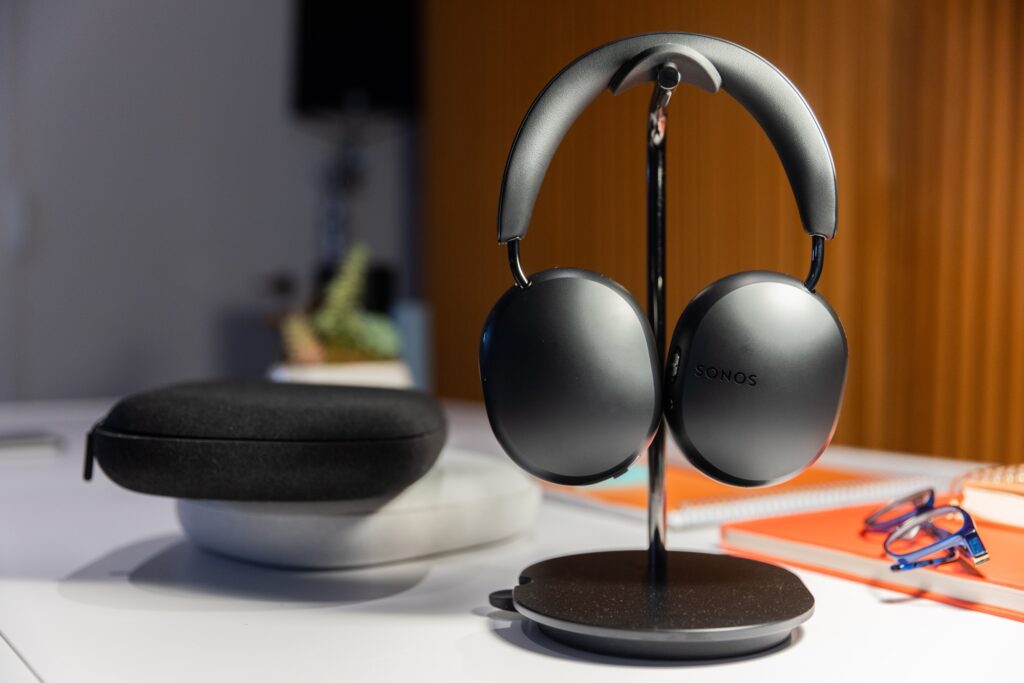
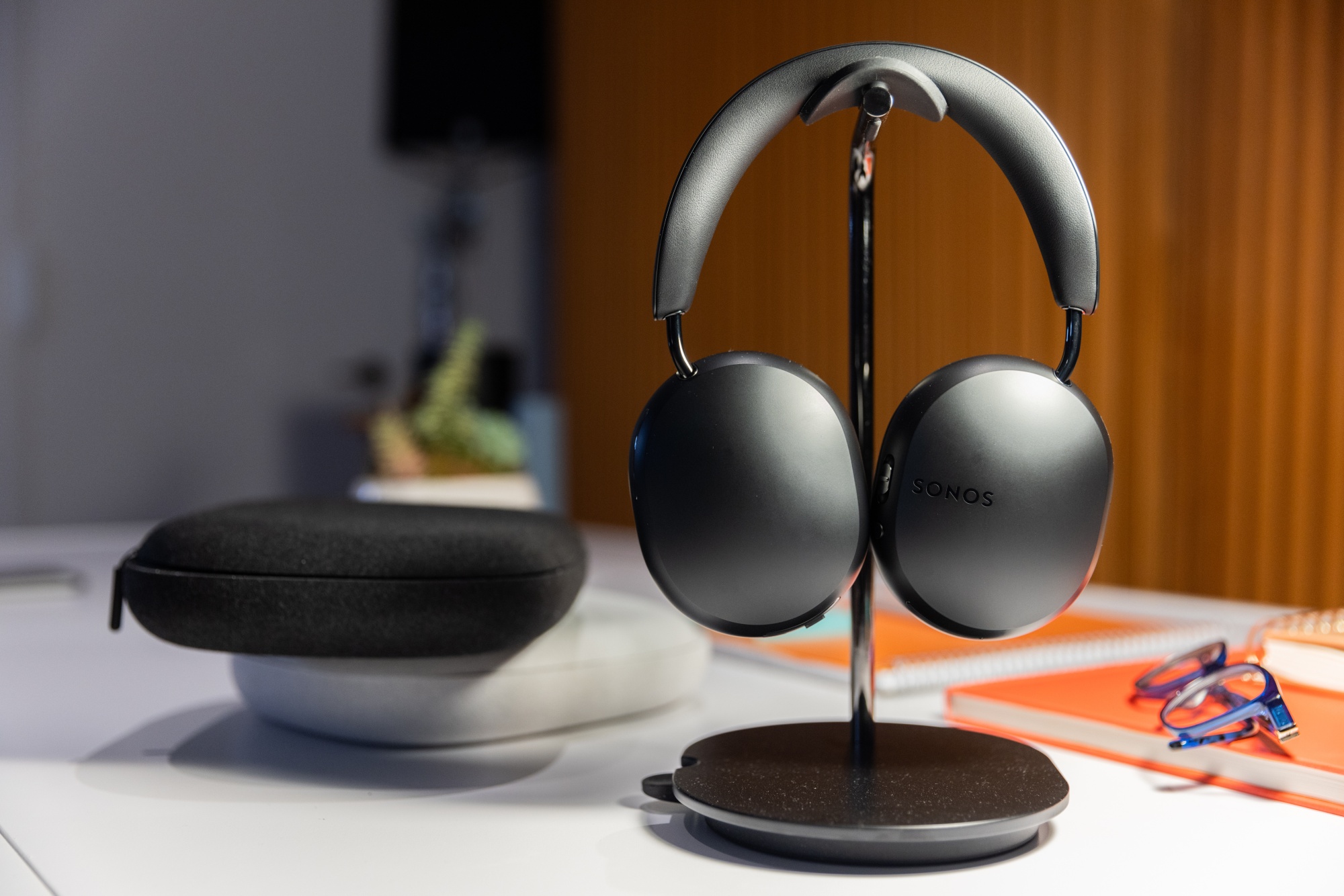
Sonos has introduced the Sonos Ace, the company’s first over-the-ear headphones, as part of a major product line extension. With a $449 price tag, these headphones represent the company’s debut in the highly competitive high-end headphone market, which has historically been dominated by companies such as Apple, Bose, and Sony. The Ace headphones, which come in black and soft white, will go on sale on June 5, 2024.

Important features and details

The Sonos Ace headphones have a number of cutting-edge features that cater to both casual listeners and audiophiles:

  • Dynamic Drivers: Ace claims to have high-quality sound thanks to its 40mm dynamic drivers.

  • Lossless Audio: Allows Android devices to stream lossless audio wirelessly using Qualcomm Snapdragon Sound AptX or via a 3.5mm connection.

  • Active Noise-Cancelling: Utilises eight in-built microphones to enable active noise-cancelling (ANC) and transparency mode. 

  • Battery Life: With ANC turned on, the battery can last up to 30 hours. It also has a rapid charge feature that can charge the battery in only three minutes and give three hours of use.

  • TV Audio Swap: A special function that lets owners of Sonos Arc soundbars switch the audio on their TV to their headphones by pushing a designated button. Soon, the first-generation Beam and all current Sonos soundbars will also have this feature.

Both Functionality and User Experience

First impressions of the Ace headphones were favourable at a press conference. The physical comfort was cited as a noteworthy feature, and the clarity and strong bass of the sound quality was acknowledged. The large ear cups and memory foam cushioning help the headphones’ overall comfort, even though their 11 ounces (312 grams) weight makes them slightly heavier than some rival models.

Design and Develop

The practicality of the design of the Ace headphones is seen in its usage of physical buttons rather than touch controls. Their design is recognisable, emulating the appearance and texture of other high-end headphones available, which may appeal to those looking for a straightforward, classic headphone experience.

Manoeuvre Strategic

Sonos’s foray into the headphone market is a calculated move to expand its product line beyond speakers. The company intends to capitalise on its reputation for providing high-quality audio and smooth interaction with its current devices, even though the Ace relies on Bluetooth instead of Wi-Fi. The launch of TV Audio Swap and the soon-to-be TrueCinema room-scanning effect are examples of Sonos’ dedication to improving the home theatre experience.

Position in the Market and Prospects for the Future

Although there is fierce competition from well-known manufacturers for the Ace headphones, Sonos thinks it can carve out a niche by providing excellent comfort and sound quality, especially for owners of Sonos soundbars. It may have been a lost opportunity, but Sonos’ whole-home music systems do not integrate the headphones. The business does stress, though, that user testing indicated a preference for simple, conventional Bluetooth headphones over more intricate models.

In summary, The Ace headphones from Sonos reflect a daring entry into a brand-new market niche. With a focus on comfort, sound quality, and connection with home theatre systems, the Ace is poised to draw in both current Sonos users and new ones. The Ace headphones may be essential in determining Sonos’s future in the larger audio industry as the business innovates and broadens its product line.

Elon Musk Launches SpaceX’s Starlink Internet Services in Indonesia

Elon Musk Launches SpaceX’s Starlink Internet Services in Indonesia

The CEO of SpaceX and Tesla, Elon Musk, launched SpaceX’s satellite-based internet service Starlink in Indonesia, marking a momentous occasion. The initiative’s potential to transform internet accessibility throughout the huge archipelago was highlighted at the launch ceremony, which took place on Sunday in Bali and was attended by both Musk and Indonesia’s President Joko Widodo.

An Important Visit

Musk is visiting Indonesia for the first time, and Minister of Coordinating Maritime Affairs and Investment Luhut Pandjaitan welcomed him. Using his official Instagram account, Minister Pandjaitan announced the news and expressed delight over the partnership. 

The Possible Impact of Starlink

Elon Musk Launches SpaceX’s Starlink Internet Services in Indonesia

Image Source: edition.cnn.com

over Indonesia, a country of approximately 270 million people dispersed over multiple islands and time zones, Starlink seeks to deliver high-speed internet. The program is expected to close the digital gap, particularly in isolated and underdeveloped areas. Musk highlighted, “If you have access to the internet, you can learn anything,” pointing out the revolutionary possibilities of connectedness.


The Possible Impact of Starlink

over Indonesia, a country of approximately 270 million people dispersed over multiple islands and time zones, Starlink seeks to deliver high-speed internet. The program is expected to close the digital gap, particularly in isolated and underdeveloped areas. Musk highlighted, “If you have access to the internet, you can learn anything,” pointing out the revolutionary possibilities of connectedness.

Focus on the Health Sector

Musk and Indonesian Health Minister Budi Gunadi Sadikin launched Starlink services at three health facilities—two in Bali and one on the isolated island of Aru in Maluku—during the launch in Denpasar. During the occasion, a video presentation showed how dependable internet speeds may improve real-time data input to more successfully address health issues like stunting and malnutrition.

Obstacles and Fortitude

Starlink recently encountered difficulties as a result of a strong geomagnetic storm that affected satellite performance. The business stated that “Starlink’s service is currently being degraded, their staff is looking into it. On X, Musk went on to emphasise the storm’s intensity, calling it “the biggest in a long time.” The launch went forward in spite of these obstacles, demonstrating Starlink’s tenacity and dedication to worldwide connectivity.

Commercial Accessibility and Upcoming Projects

The required licences for Starlink to conduct business as an internet service provider in Indonesia have finally been obtained, according to Communications Minister Budi Arie Setiadi. The initial focus will be on remote and impoverished areas where commercial services are already accessible. Following Malaysia and the Philippines, Indonesia is the third nation in Southeast Asia to avail Starlink’s services.

Beyond Interaction

Although Starlink is the government’s primary emphasis at the moment, given Indonesia’s abundant nickel resources, which are essential for EV batteries, the government has long sought Musk’s involvement in the country’s electric vehicle (EV) sector. Musk would not rule out making future investments in the electric vehicle industry, despite his continued lack of commitment. He informed that the occasion was focused on Starlink and the advantages that connectivity brings to isolated islands, highlighting the urgent need to improve internet connectivity.

In summary, Elon Musk’s Starlink launch in Indonesia is a big step toward bettering internet connection in one of the most populous and geographically separated countries in the world. Starlink hopes to improve healthcare, education, and general quality of life by giving priority to underserved and distant communities. This will also open the door for future technology improvements in the area.