Your Tech Story

News

How to Use Apple's Stolen Device Protection on iOS 17.3

How to Use Apple’s Stolen Device Protection on iOS 17.3

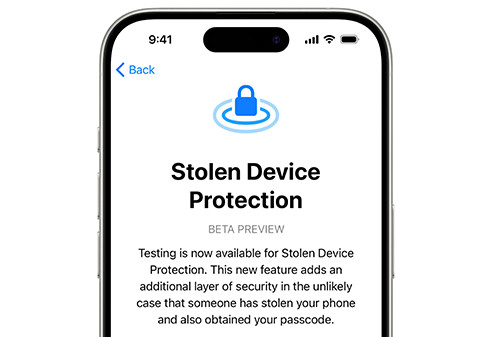
In today’s digital age, safeguarding our devices and personal data is paramount. With the advent of iOS 17.3, Apple has introduced a robust feature called Stolen Device Protection, designed to thwart unauthorized access to your iPhone in the unfortunate event of theft. This article will guide you through the process of activating and utilizing this invaluable security measure.

Understanding Stolen Device Protection

How to Use Apple's Stolen Device Protection on iOS 17.3

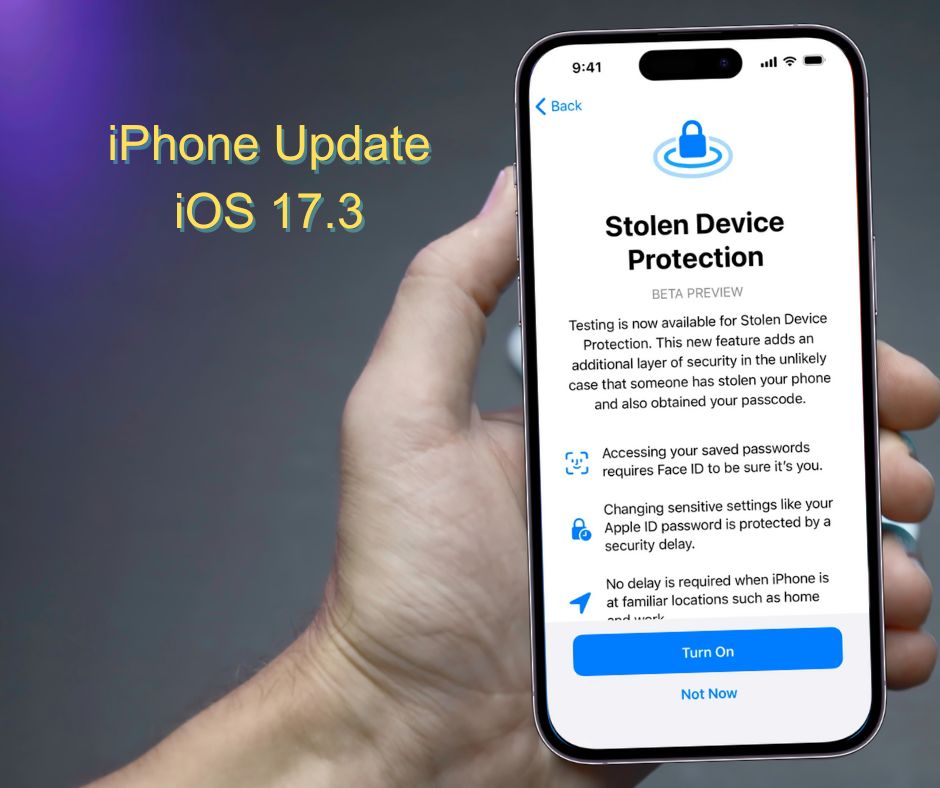
Stolen Device Protection serves as a shield against unauthorized access to your iPhone, particularly when someone has stolen it and possesses knowledge of your passcode. This feature becomes particularly crucial when you find yourself in unfamiliar surroundings, away from the safety of your home or workplace. By implementing Stolen Device Protection, crucial device and Apple ID account operations such as altering your device passcode or Apple ID password become inaccessible to unauthorized individuals without biometric authentication via Face ID or Touch ID, with no passcode fallback option.

Activating Stolen Device Protection

Activating Stolen Device Protection is a straightforward process:

  • Access Settings: Navigate to the Settings app on your iPhone.
  • Set Up Biometric Authentication: Depending on your iPhone model, either tap on “Face ID & Passcode” or “Touch ID & Passcode” and enter your passcode when prompted.
  • Enable Stolen Device Protection: Scroll down to locate the “Stolen Device Protection” section within the settings menu and tap on “Turn On Protection.”

Note: If you don’t immediately see the Stolen Device Protection section, ensure that you’ve set up Face ID or Touch ID on your device beforehand.

Utilizing Stolen Device Protection

Once activated, Stolen Device Protection fortifies your device against unauthorized access. However, it’s crucial to understand how to navigate this feature effectively:

Security Delay: Certain sensitive operations trigger a Security Delay, which requires a successful biometric authentication (Face ID or Touch ID), followed by an hour-long waiting period, and then another successful biometric authentication. This delay mechanism acts as an additional layer of defense, preventing unauthorized individuals from making changes that could compromise your device or Apple ID account. 

Activation of Lost Mode: In the event of theft or loss, Stolen Device Protection provides you with crucial time to activate Lost Mode using the Find My app or Find Devices feature on iCloud.com. This feature helps track and secure your device remotely, mitigating potential data breaches or misuse.

Deactivating Stolen Device Protection

Should the need arise to deactivate Stolen Device Protection, follow these steps:

  • Access Settings: Open the Settings app on your iPhone.
  • Biometric Authentication: Tap on either “Face ID & Passcode” or “Touch ID & Passcode” and enter your passcode as prompted.
  • Disable Stolen Device Protection: Scroll down to the “Stolen Device Protection” section and tap on “Turn Off Protection.”
  • Security Delay: If you’re not in a familiar location, initiating the deactivation process will prompt a Security Delay. Simply tap on “Start Security Delay” and follow the on-screen instructions to proceed.

By adhering to these steps, you can effectively activate, utilize, and deactivate Stolen Device Protection, bolstering the security of your iPhone and safeguarding your sensitive data against unauthorized access.

In conclusion, Stolen Device Protection emerges as a crucial security feature within iOS 17.3, offering users peace of mind and robust protection against the threat of device theft or unauthorized access. By leveraging biometric authentication and implementing Security Delays, Apple empowers users to take proactive measures in safeguarding their digital assets. So, ensure you activate Stolen Device Protection on your iPhone today and stay one step ahead in protecting your personal information.

What is the Rabbit R1 and why is everyone going crazy about it?

What is the Rabbit R1 and why is everyone going crazy about it?

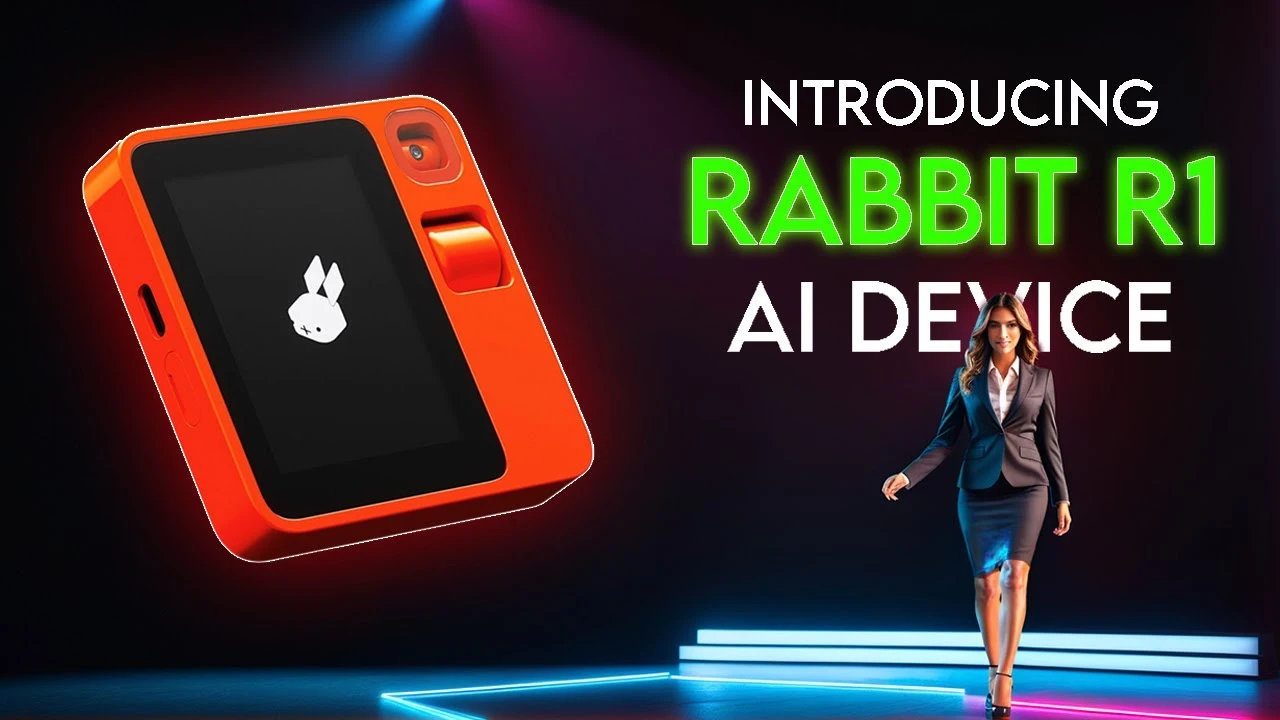
Rabbit r1, a peculiar orange device “powered by AI,” has taken the tech world by storm, surpassing its creators’ expectations in the pre-order phase. Initially projecting sales of 500 units, the Rabbit r1 has already garnered a staggering 30,000 pre-purchases, leaving many intrigued about its allure.

The Pocket-sized Marvel

What is the Rabbit R1 and why is everyone going crazy about it?

Image Source: wireunwired.com

Measuring a mere 78x78x13 millimeters and weighing in at 115 grams, Rabbit r1 packs a punch within its compact frame. Housing a 2.3 GHz MediaTek Helio P35 SoC, 4 GB of RAM, and 128 GB of storage, this device boasts a 2.88-inch touch TFT LCD screen, an 8 MP camera, and two microphones. Notably, it operates independently via 4G LTE, eliminating the need for smartphone connectivity, although Bluetooth 5.0 and WiFi are still on board.

Beyond the Surface: What Rabbit R1 Does

While Rabbit r1’s hardware might seem modest, its functionality extends far beyond expectations. It serves as more than just a chatbot confined to a smartphone, as it actively executes commands. Users can instruct Rabbit r1 to perform various tasks, from booking an Uber or ordering food to searching and streaming music.

This device is a pioneer in applying generative artificial intelligence to digital assistants, elevating it above traditional counterparts like Siri, Assistant, and Alexa. Rabbit r1’s capabilities encompass generating text and photos, acting as a multilingual translator, providing information about framed objects, and even taking voice-dictated notes.

The Smartphone Challenger?

The question arises: Could Rabbit r1 replace the ubiquitous smartphone? Despite its intuitive and user-friendly interface, it currently stands as a product from an AI startup, with its destiny uncertain. While enthusiasts believe in its potential to revolutionize human-AI interaction, skeptics question its long-term viability.

The remarkable pre-sale success hints at a promising future, with speculation that tech giants like Amazon, Microsoft, or Google might acquire Rabbit r1. In the best-case scenario, this could lead to innovations and widespread adoption. However, the worst-case scenario looms—a potential flop, relegating Rabbit r1 to the annals of unsuccessful ventures.

In conclusion, Rabbit r1, with its enigmatic blend of innovation and uncertainty, has captivated the market’s attention. Only time will reveal whether it evolves into a transformative force or fades into the background of fleeting tech trends.

Samsung Galaxy S24 Series to Launch on January 17, 2024

Samsung Galaxy S24 Series Breaks Records with 2.5 Lakh Pre-Orders in India in 3 Days

In just three days after its launch, Samsung India has announced an incredible feat: 2,50,000 pre-orders for its newest flagship Galaxy S24 series smartphones have been placed. This surpasses the pre-booking numbers of the previous Galaxy S23 series, which hit 2,50,000 within a three-week period last year, and creates a new milestone for the Galaxy S series. The resounding response highlights how well-liked and in high demand the Galaxy S24 series is in India.

Samsung has officially declared that the Galaxy S24 series will be produced in India in line with the ‘Make in India’ campaign of the government. In addition to demonstrating Samsung’s dedication to the Indian market, the action supports the nation’s indigenous manufacturing sector.

Samsung Galaxy S24 Series to Launch on January 17, 2024

The starting price of the Galaxy S24 series is Rs 79,999. The Galaxy S24 is available for Rs 79,999 for the 256GB model and Rs 89,999 for the 512GB variant. The price of the Galaxy S24 Plus is Rs 1,09,999 for the 512GB model and Rs 99,999 for the 256GB version. Three versions of the flagship Galaxy S24 Ultra are available: the 256GB model costs Rs 1,29,999, the 512GB variation is priced at Rs 1,39,999, and the 1TB option is priced at Rs 1,59,999.

In order to entice early adopters, Samsung is providing alluring perks. perks worth Rs 22,000 are available to those who pre-book the Galaxy S24 Ultra and Galaxy S24 Plus; perks worth Rs 15,000 are available to those who choose the Galaxy S24. On January 31st, the Samsung Galaxy S24 Series will go on formal sale in India.

Samsung integrates Galaxy AI functionalities including Live Translate, Interpreter, Chat Assist, Note Assist, and Transcript Assist to showcase the sophisticated features of the Galaxy S24 series. The Samsung Keyboard can now translate text in 13 languages, including Hindi, in real time. Android Auto will intelligently summarize incoming messages in the context of a car and recommend pertinent responses and actions.

The Galaxy S24 series features AMOLED displays that have a maximum brightness of 2600 nits. Seven years of Android and security upgrades are planned for all models, guaranteeing a durable and current user experience. 

Samsung’s dominance and ubiquity among smartphone fans are highlighted by the remarkable pre-order statistics for the Galaxy S24 series, which point to a solid start in the Indian market as excitement grows.

Upgrade to iOS 17.3: Apple Adds Powerful Stolen Device Security to iPhone

Upgrade to iOS 17.3: Apple Adds Powerful Stolen Device Security to iPhone

With the release of iOS 17.3, Apple has significantly improved iPhone security by introducing Stolen Device Protection. The purpose of this new function is to prevent hackers from accessing private data kept in iCloud or other important accounts. Stolen Device Protection forces users to utilise biometric identification, such as fingerprint scanning or Face ID, for some tasks, like accessing stored passwords or requesting a new Apple Card, in contrast to conventional passcode methods on the lock screen.

The update adds a Security Delay for more sensitive operations, such as resetting your iPhone passcode or Apple ID password, to further improve security. Apple claims that this Security Delay requires Face ID or Touch ID, which is followed by an additional successful biometric authentication and an hour-long delay. 

Upgrade to iOS 17.3: Apple Adds Powerful Stolen Device Security to iPhone

Only the legitimate owner will be able to do important operations on the device thanks to this multi-step procedure, which provides an additional degree of security. Notably, context-aware security measures are added when users are away from familiar places like home or work and additional authentication is triggered.

It’s simple to activate stolen device protection. Toggle the function on by going to the Settings app, choosing Face ID & Passcode, entering their device passcode, and so on. Apple highlights that there is strong protection against unwanted access with this latest security upgrade.

iOS 17.3 Brings Group Playlists

Together with security-related changes, iOS 17.3 brings group playlists to the Apple Music app. By enabling friends to join and contribute to playlists, this feature improves the social and interactive elements of sharing music.

Additionally, Apple gives customers more alternatives for entertainment while travelling by expanding the ability to stream content to TVs in a limited number of hotels.

Apple has released upgrades for devices running iOS 9, 15, and 16 in addition to iOS 17.3. Although specific details regarding these upgrades are not given, it is indicated that they could contain significant security fixes, demonstrating Apple’s dedication to preserving the ecosystem’s overall security.

These upgrades help to provide a safer and more robust environment for iPhone users, as Apple continues to prioritise user security. This ensures that their sensitive and personal data is secured against possible threats and unauthorised access.

AI Voice-Cloning Leader ElevenLabs Achieves $1.1 Billion Valuation Milestone

AI Voice-Cloning Leader ElevenLabs Achieves $1.1 Billion Valuation Milestone

AI startup ElevenLabs has recently achieved unicorn status following a successful Series B funding round, raising $80 million from notable investors like Andreessen Horowitz, Nat Friedman, and Daniel Gross. The round, undisclosed by ElevenLabs but estimated to value the company at $1.1 billion, highlights the escalating interest in generative AI technology among investors.

In just two years, ElevenLabs has seen a remarkable surge in valuation, leaping from $100 million in its previous funding round in 2023 to the current billion-dollar status. This growth, as indicated by PitchBook data, mirrors the increasing anticipation surrounding the widespread adoption of AI voice generation across various industries.

Diverse AI Voice Generation Capabilities

AI Voice-Cloning Leader ElevenLabs Achieves $1.1 Billion Valuation Milestone

Headquartered in London, ElevenLabs specializes in developing AI models and tools for creating diverse AI-generated voices, encompassing different languages, accents, and emotions. The startup, currently employing around 40 remote workers globally, plans to expand its workforce to 100 by the end of the year, according to CEO Mati Staniszewski.

ElevenLabs boasts a growing customer base that includes individual content creators and enterprises such as Storytel, Paradox Interactive, and The Washington Post. Notably, the startup plays a pivotal role in political campaigns in the United States, enabling campaign staff to connect with voters who speak foreign languages.

AI Content Detection Advocacy

Mati Staniszewski emphasizes the importance of transparency in AI-generated content. As AI continues to proliferate across social media campaigns, ElevenLabs advocates for robust methods to detect AI content and trace its origins. The startup’s tools, including the AI Speech Classifier, aim to identify AI-generated audio content, promoting awareness of the use of AI in various applications.

Marketplace and Future Endeavors

Beyond its current offerings, ElevenLabs is developing a marketplace where users can generate AI voices and monetize them through licensing. With a focus on building both research capabilities and a comprehensive workflow layer, the startup distinguishes itself in a competitive landscape that includes giants like OpenAI, known for its ChatGPT that popularized generative AI.

In conclusion, ElevenLabs’ valuation milestone underscores the growing significance of AI voice generation technology, with the startup positioned as a key player in an evolving landscape of generative AI startups.

China Boosts Chip Gear Purchases to $40B to Counter US Tech Curbs

China Boosts Chip Gear Purchases to $40B to Counter US Tech Curbs

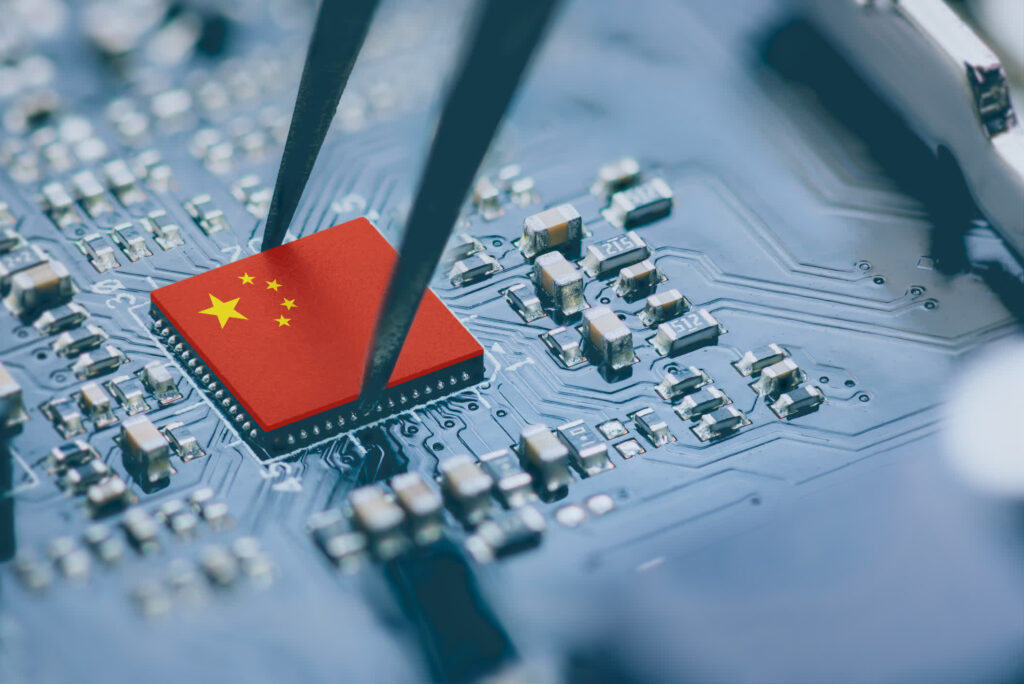
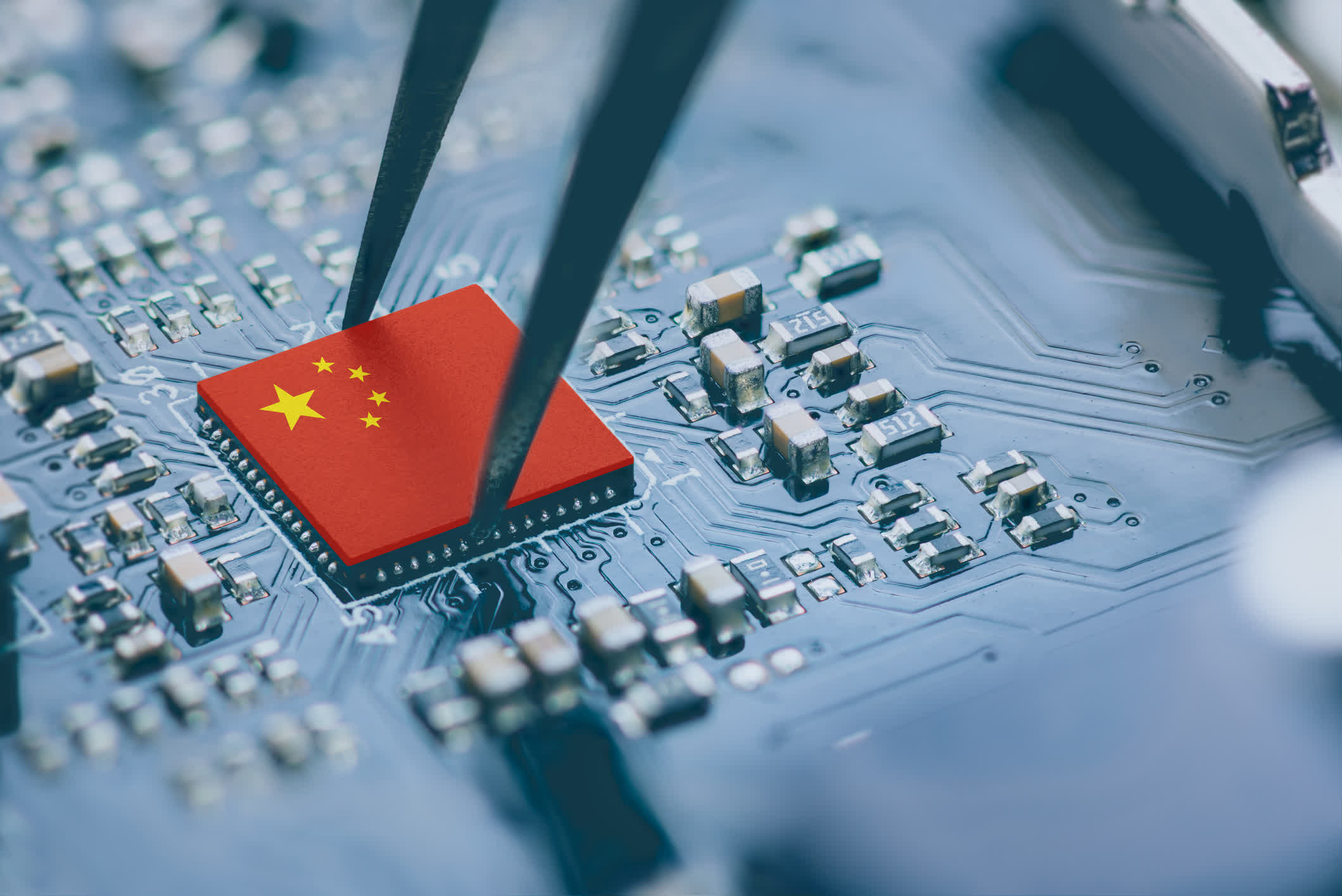
China dramatically expanded its imports of chipmaking gear in 2023 as a calculated attempt to support its semiconductor sector and overcome limitations set by the US. Based on official customs statistics, Bloomberg calculated that imports of computer chip-related equipment increased by 14% to around $40 billion, the second-highest amount since 2015. This increase happened in the midst of a 5.5% overall dip in China’s total imports during the same time frame.

China Boosts Chip Gear Purchases to $40B to Counter US Tech Curbs

Image Source: techspot.com

Achieving self-sufficiency in chip manufacturing has been accorded top priority by the Chinese government and the semiconductor industry, especially in light of the difficulties caused by export restrictions enforced by the US and its allies. 

The US sees China’s high-tech sector as a possible danger, and these limitations have made it harder for Chinese enterprises to have access to state-of-the-art chipmaking gear.

Chinese Chip Businesses are Making Significant Investments

Chinese chip businesses are making significant investments in constructing new semiconductor production facilities to boost national capabilities and get around export control obstacles. Crucially, these restrictions have restricted Chinese companies’ access to the equipment needed to manufacture the strongest and most sophisticated semiconductors.

Notably, in anticipation of increased export restrictions, China saw a spike in imports from the Netherlands. The Netherlands has enforced regulations that impede Chinese enterprises, such as Semiconductor Manufacturing International Corp., from obtaining the newest equipment for producing chips. Lithography equipment imports from the Netherlands surged by about 1,000% year over year in December, totalling $1.1 billion, as businesses hurried to stock up before this month’s Dutch limitations went into effect.

The US government apparently requested that Dutch business ASML Holding NV stop shipments of some of its cutting-edge machinery to China even before the new limitations went into force. These cancellations happened just before export restrictions on expensive machinery used to make chips were supposed to go into force.

China’s significant investment in chip manufacturing equipment demonstrates its determination to become technologically independent and to get past international barriers. A crucial component of the country’s long-term economic plan continues to be its emphasis on developing a strong semiconductor sector.

The significant rise in imported chipmaking equipment demonstrates China’s will to maintain its leadership in the global semiconductor market in spite of outside obstacles.