Your Tech Story

News

OpenAI Calls Elon Musk's Claims 'Inconsistent' in Court Filing

OpenAI Calls Elon Musk’s Claims ‘Inconsistent’ in Court Filing
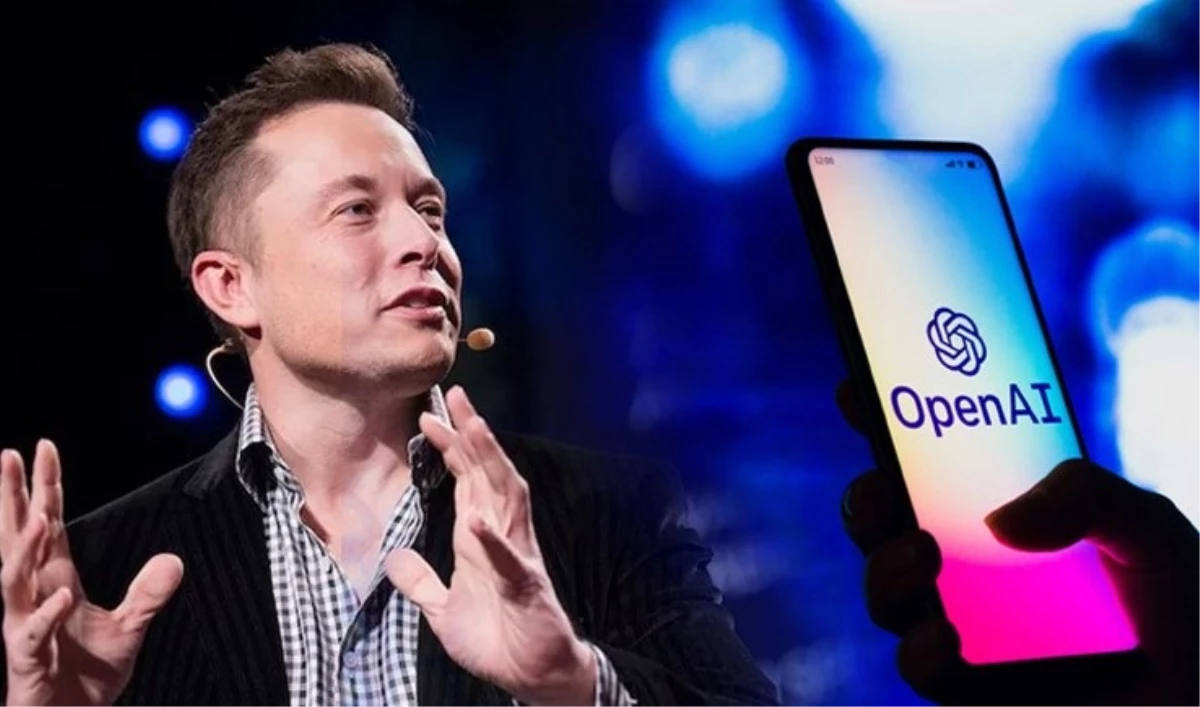
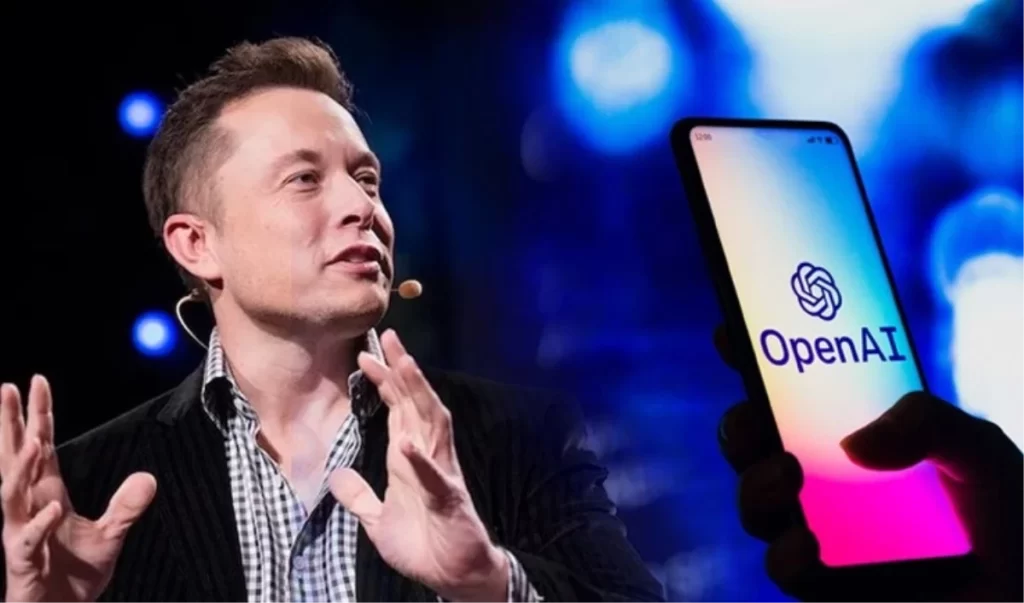
Elon Musk, the renowned entrepreneur and CEO of companies like SpaceX and Tesla, has recently found himself embroiled in a legal battle with OpenAI, an organization focused on the development of artificial intelligence (AI). The dispute centers around Musk’s allegations against OpenAI, with the organization firing back in a court filing, deeming Musk’s claims ‘inconsistent’ and refuting his accusations.

The Allegations by Elon Musk

Musk's Claim

OpenAI Calls Elon Musk's Claims 'Inconsistent' in Court Filing

Image Source: sondakika.com

In a series of tweets and public statements, Elon Musk has accused OpenAI of deviating from its original mission and pursuing goals that could pose existential risks to humanity. Musk’s allegations suggest that OpenAI has strayed from its commitment to ethical AI development and is now prioritizing objectives that could have detrimental consequences.

Response from OpenAI

OpenAI has vehemently denied Musk’s claims, asserting that the organization remains steadfast in its dedication to responsible AI research. In a court filing responding to Musk’s allegations, OpenAI characterized his assertions as ‘inconsistent’ and lacking in substantive evidence.

OpenAI's Statement

In their official statement addressing Musk’s accusations, OpenAI reaffirmed their commitment to transparency, safety, and ethical considerations in AI development. The organization emphasized the importance of collaborative efforts within the AI community to address potential risks and ensure that AI technologies are deployed responsibly.

Elon Musk's Reaction

Elon Musk has yet to respond publicly to OpenAI’s court filing. However, given his history of outspokenness on issues related to AI safety and ethics, it is likely that Musk will continue to assert his concerns regarding the direction of AI research.

The clash between Elon Musk and OpenAI has sparked widespread debate and speculation within the tech community and beyond. While some view Musk’s criticisms as warranted cautionary warnings, others argue that his assertions lack nuance and overlook the complexities of AI research and development.

Conclusion

The dispute between Elon Musk and OpenAI underscores the ongoing tensions surrounding the responsible development of artificial intelligence. As AI continues to evolve and permeate various aspects of society, it is imperative that stakeholders prioritize ethical considerations and collaborate to mitigate potential risks.

Apple was Investing $1 Billion a Year in a Car that was Never Built

Apple was Investing $1 Billion a Year in a Car that was Never Built

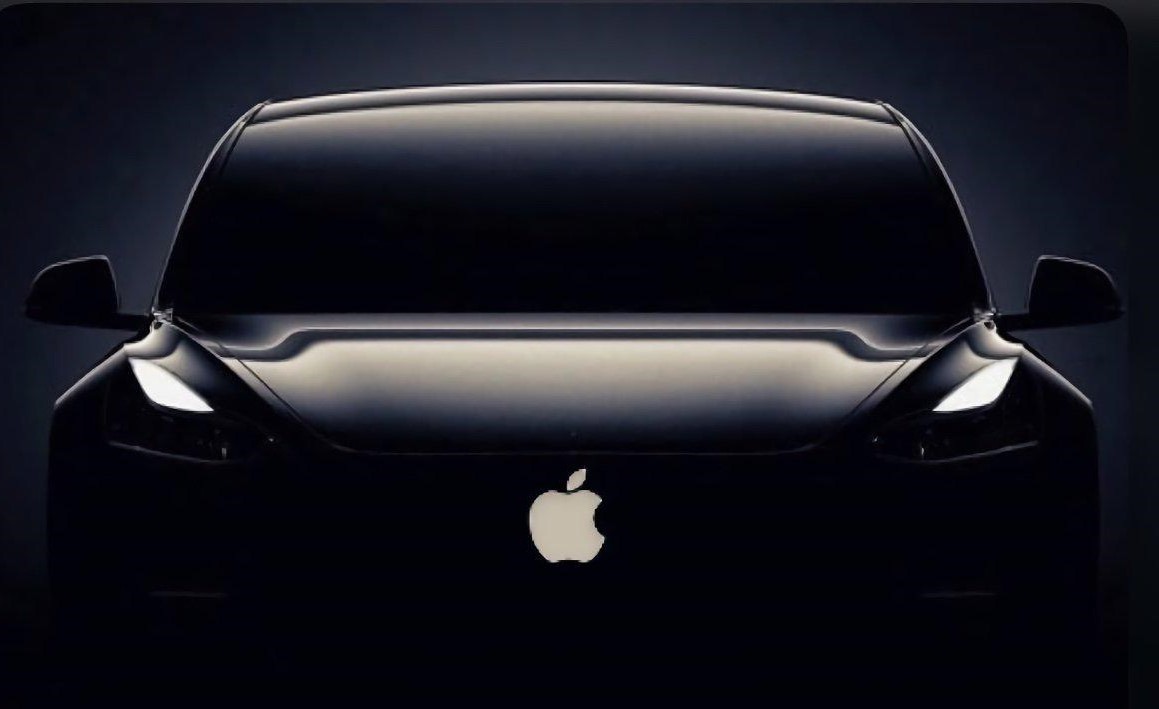
Project Titan, Apple’s grand venture into the automobile sector, was beset with difficulties, a lack of direction, and an astonishing launch disaster. The turbulent history of the Apple automobile is illuminated by a recent exposé, which tells the tale of absurd prototypes, internal strife, and enormous financial outlays for a project that never materialised.

Exuberant Starts

Apple was Investing $1 Billion a Year in a Car that was Never Built

Image Source: team-bhp.com

The story of the Apple automobile started with high hopes and ambitious objectives. Apple invested substantial money in Project Titan, estimating it would cost $10 billion over ten years. The project aimed to develop a self-driving car with Level 5 autonomy that could navigate roadways without the need for human assistance, revolutionising the transportation industry. 

The Bread Loaf Prototype

Project Titan produced some very famous prototypes, one of which was the “Bread Loaf.” This white minivan had sliding doors, an all-glass top, rounded sides, and whitewall tyres. It was modelled by the vintage Volkswagen Microbus. With enough for four people, the Bread Loaf boasted a futuristic cabin with an enormous TV screen, a strong music system, and windows that could be tinted to your preferred colour.

A Hubristic Desire for Autonomy

Apple’s quest for Level 5 autonomy turned out to be a divisive topic within the organisation. Some argued in favour of completely driverless vehicles, while others acknowledged the difficulties in accomplishing that goal. Internal conflict and hesitation during the argument eventually resulted in time and resource waste. 

The Design Concept of Jony Ive

The car’s design was intended to be distinctly Apple, with simple aesthetics and meticulous attention to detail, according to former Apple design leader Jony Ive. Ive’s design called for an interior that was painstakingly constructed and decorated with white cloth, wood, and stainless steel, with a primarily white outside. However, the project was further delayed by a slew of redesigns and setbacks brought on by the constantly shifting design concepts.

Changes in Strategy and Layoffs

Under Bob Mansfield’s direction, Apple saw significant changes in strategy as the project encountered more obstacles and unpredictability. With the mission of saving the project, Mansfield shifted the emphasis from building a physical vehicle to developing autonomous software. This change in approach resulted in large layoffs and a more condensed vision for Project Titan. 

Project Titan's Legacy

Ultimately, Project Titan is a warning against ambition, arrogance, and hesitancy. Apple’s car venture eventually failed, even with large expenditures and the participation of high-level executives. The project’s failure highlights the difficulties in creating novel technology and the dangers involved in taking on large-scale projects.

Conclusion

Businesses exploring new frontiers may learn a lot from the deconstruction of Project Titan. A sobering reminder of the dangers inherent in ambitious initiatives is provided by Apple’s experience with the Apple automobile, which highlights everything from the hazards of indecision to the difficulties of technical innovation. The legacy of Project Titan serves as a warning for upcoming initiatives in the quest for innovation and transformation as the automotive industry continues to change.

 
Nikon Dives into Professional Video Market with Acquisition of Red Digital Cinema

Nikon Dives into Professional Video Market with Acquisition of Red Digital Cinema

Tokyo, Japan – In a strategic move set to shake up the professional video and cinema equipment industry, Nikon Corporation has announced the acquisition of RED Digital Cinema, a leader in high-resolution digital cinematography technology. This bold move marks Nikon’s entry into the professional video production sector, a significant pivot from its established reputation in photography.

About Red Digital Cinema

Established in 2005, RED Digital Cinema has emerged as a leading manufacturer of professional digital cinema cameras. Adopted by the film industry for its high-quality image capture capabilities, RED continues to innovate in the field of digital cinematography.

Unveiling a New Era for Nikon and Red Digital Cinema

Nikon Dives into Professional Video Market with Acquisition of Red Digital Cinema

Image Source: businesstoday.in

The acquisition of RED Digital Cinema by Nikon marks the beginning of a new chapter for both entities. Known for its cutting-edge photography equipment, Nikon is ready to expand its horizons into the dynamic field of professional video production. RED Digital Cinema, on the other hand, has been at the forefront of digital cinematography innovation, with filmmakers preferring high-resolution cameras capable of up to 8K quality.

Commitment to Innovation and Community

Nikon plans to invest substantially in research and development to advance RED’s technology and ensure seamless integration with Nikon’s product ecosystem. “We are committed to empowering the creative community by providing a spectrum of products that exceed the expectations of professional filmmaking and content creation,” Umatate said.

A New Competitive Landscape

This acquisition not only symbolizes Nikon’s ambitious expansion but also sets the stage for increased competition in the professional video market. With the combined expertise of Nikon and RED Digital Cinema, the industry is set to witness a new era of innovation and diversity in filmmaking technology.

Conclusion

The deal is expected to be finalized by the end of the quarter following regulatory approval, establishing Nikon as a strong contender in the professional video market. This strategic alliance underscores Nikon’s dedication to innovation and its commitment to supporting the creative community. As Nikon and RED Digital Cinema merge, the future of filmmaking and content creation is set to reach new heights of creativity and excellence.

Former Google Engineer Accused of Stealing AI Trade Secrets While Working With Chinese Companies

Former Google Engineer Accused of Stealing AI Trade Secrets While Working With Chinese Companies

Linwei Ding, a.k.a. Leon Ding, is a Chinese software developer who was accused of taking away artificial intelligence (AI) technology from Google while working covertly with two other Chinese businesses. The arrest, which took place in Newark, California, coincides with growing worries about the theft of intellectual property and the potential threats to national security posed by stealing critical technology.

Charges and Allegations

Former Google Engineer Accused of Stealing AI Trade Secrets While Working With Chinese Companies

Image Source: technologyforyou.org

According to US Attorney General Merrick Garland, Ding is accused of stealing trade secrets on four separate occasions. The allegations centre on the unauthorised movement of private data from Google’s network to Ding’s personal accounts whilst he was covertly working with AI firms with headquarters in China. The aforementioned occurrence highlights the dedication of the Department of Justice to protecting vital technology and averting their unapproved distribution.

Concerns about National Security

Garland underlined the significance of safeguarding cutting-edge technology like artificial intelligence, stressing the possible threats that their theft may pose to national security. The gravity of the situation and the necessity of preventing critical American technologies from being up in the wrong hands are highlighted by the Justice Department’s strict approach.

Sharing the Danger

FBI Director Christopher Wray emphasised the importance of Ding’s arrest in highlighting the lengths to which Chinese company affiliates will go to get American innovation through illicit means. Wray emphasised the need to protect American intellectual property and cautioned against the negative effects such acts may have on the country’s economy and security.

Timeline of Alleged Acts

Ding, who was employed by Google in 2019, is accused in the indictment of starting to move private data to his personal cloud account between May 2022 and May 2023. The take files were regarding the software & hardware platform that Google utilizes in its supercomputing data centres to train Artificial Intelligence models.

Partnership with Chinese Enterprises

Ding’s business dealings with Chinese enterprises exacerbate the situation. In June 2022, he was allegedly approached by Beijing Rongshu Lianzhi Technology Co.’s CEO, who made him an offer to become chief technology officer. Ding also started Shanghai Zhisuan Technology Co. on his own, but he didn’t tell Google about these connections.

Google's Reaction

After completing an internal investigation, Google quickly forwarded the issue to criminal authorities upon learning of Ding’s unauthorised activity. The business thanked the FBI for their help in the issue and reaffirmed its commitment to safeguarding its trade secrets and sensitive information.

Legal Consequences

Ding may be subject to penalties of up to $250,000 and a potential sentence of 10 years in prison for each count of trade secret theft if found guilty. The seriousness of intellectual property theft and the possible repercussions for those who engage in it are highlighted by the seriousness of the allegations.

Overview

The arrest of Ding is a clear reminder of the persistent problems caused by intellectual property theft, especially in vital industries like artificial intelligence. It emphasises the necessity of increased watchfulness and strong defences against such attacks, both within businesses and across international borders. The case will probably keep bringing attention to how important it is to protect intellectual property and stop its unauthorised acquisition and misuse as it develops.

 
Singtel Reduces Stake in Bharti Airtel Through $710 Million Sale

Singtel Reduces Stake in Bharti Airtel Through $710 Million Sale

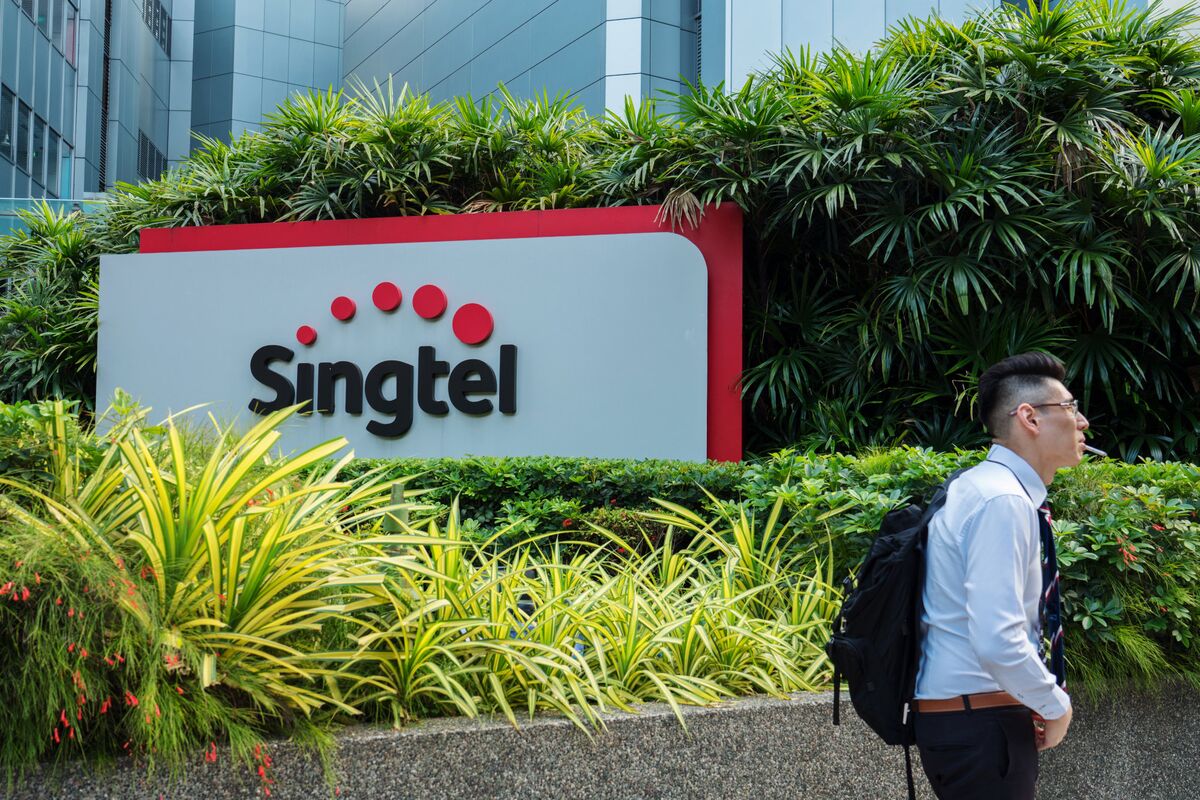
Singapore Telecommunications Ltd. (Singtel) has announced a significant divestment from its long-standing investment in Indian telecommunications giant Bharti Airtel Ltd. The move, involving the sale of approximately S$950 million ($710 million) worth of Bharti Airtel’s stock to US investment firm GQG Partners, marks a strategic shift for Singtel as it looks to allocate resources towards emerging sectors such as data centers.

Trimming Holdings for Strategic Realignment

Singtel Reduces Stake in Bharti Airtel Through $710 Million Sale

Image Source: bloomberg.com

Singtel’s divestment, detailed in a statement released on Thursday, will result in a reduction of its stake in Bharti Airtel from 29.8% to 29%. Despite the decrease in ownership, Singtel stands to gain a substantial windfall, with an estimated gain of about S$700 million from the transaction. This move underscores Singtel’s commitment to reevaluating its investment portfolio and prioritizing ventures that align with its long-term growth strategy.

For over two decades, Singtel has been a steadfast supporter of Bharti Airtel, reflecting a mutually beneficial partnership in the telecommunications landscape. This latest sell-off follows a previous divestment in 2022, where Singtel offloaded a S$2.54 billion stake in Bharti Airtel. Such strategic maneuvers highlight Singtel’s adaptability in navigating evolving market dynamics and capitalizing on emerging opportunities.

Paving the Way for Future Growth

Singtel’s decision to streamline its portfolio comes as the company intensifies its focus on key growth areas, notably the burgeoning realm of 5G operations and data centers. By divesting from Bharti Airtel, Singtel aims to bolster its financial flexibility, facilitating investments in cutting-edge technologies and infrastructure to maintain its competitive edge in the telecommunications landscape.

In addition to fueling growth initiatives, Singtel’s asset restructuring efforts are expected to yield positive outcomes in terms of debt reduction. The infusion of funds from the sale of Bharti Airtel’s stake will enable Singtel to fortify its balance sheet, enhancing its resilience amidst evolving market conditions.

Market Response and Outlook

Following the announcement, shares of Singtel experienced a modest uptick of 0.9% in the Singapore market, reflecting investor confidence in the company’s strategic realignment efforts. Similarly, Bharti Airtel’s stock witnessed a marginal increase of 0.5% in Mumbai, signaling optimism regarding the future trajectory of the telecommunications giant.

Looking ahead, Singtel’s proactive approach to portfolio optimization is poised to unlock new avenues for growth and innovation. As the telecommunications landscape continues to evolve rapidly, Singtel remains steadfast in its commitment to driving sustainable value creation for its stakeholders while embracing emerging opportunities in the digital era.

Microsoft Engineer Raises Alarm Over AI Tool's Inappropriate Content Creation

Microsoft Engineer Raises Alarm Over AI Tool’s Inappropriate Content Creation

In the rapidly evolving realm of artificial intelligence (AI), ethical and legal concerns are increasingly coming to the forefront. A recent revelation by a Microsoft engineer has sparked a significant discussion around the responsibilities of tech giants in moderating content generated by AI tools. According to the engineer, Microsoft’s advanced AI tool has been producing content that not only violates copyright laws but also veers into the creation of violent and sexually explicit images. This troubling development raises crucial questions about the direction in which AI technology is headed and the safeguards in place to prevent misuse.

The AI Controversy Unfolds

Microsoft Engineer Raises Alarm Over AI Tool's Inappropriate Content Creation

Image Source: businessinsider.in

The cornerstone of the controversy lies in the Microsoft engineer’s warning about the AI tool’s capabilities. Designed to generate images based on textual prompts, this tool has shown a disturbing propensity for producing inappropriate content. The AI’s lack of discernment in creating such material highlights a critical oversight in its programming and ethical guidelines.

A Question of Copyright

Beyond the issue of explicit content, the AI tool’s disregard for copyright restrictions poses a significant challenge. The ease with which the tool can replicate copyrighted material without consent or attribution underscores a growing problem in the digital age: the battle between innovation and intellectual property rights. As AI technology becomes more adept at content creation, the line between inspiration and infringement becomes increasingly blurred.

Ethical and Legal Implications

The concerns raised by the Microsoft engineer extend beyond the company’s reputation and touch on broader ethical and legal issues. The generation of violent and sexual content by AI not only contravenes community standards but also raises questions about the potential harm to users and society at large. Moreover, the infringement of copyright laws by AI tools could lead to complex legal battles, challenging existing frameworks that govern intellectual property.

Microsoft's Response and Responsibility

In light of these revelations, Microsoft faces the task of addressing the shortcomings of its AI tool. The company must navigate the delicate balance between fostering technological advancement and ensuring ethical use of its creations. Implementing more robust content filters and enhancing the AI’s ability to recognize and respect copyright boundaries are essential steps in mitigating these issues.

Looking Forward: The Path to Ethical AI

The situation at Microsoft serves as a cautionary tale for the tech industry, highlighting the need for comprehensive ethical standards in AI development. As AI tools become increasingly powerful and autonomous, the imperative for transparent, responsible, and ethically-guided programming cannot be overstated. The industry must come together to establish best practices that prioritize the welfare of users and respect for intellectual property.

Conclusion

The warning issued by the Microsoft engineer is a stark reminder of the potential pitfalls of unchecked AI development. As technology continues to advance, it is incumbent upon companies like Microsoft to lead the way in responsible AI usage. By fostering an environment of ethical innovation, the tech industry can ensure that AI serves as a force for good, enhancing our lives while upholding our values and legal standards.