Your Tech Story

News

How Xiaomi Launched a Car in 3 Years While Apple is Still Trying After 10

How Xiaomi Launched a Car in 3 Years While Apple is Still Trying After 10

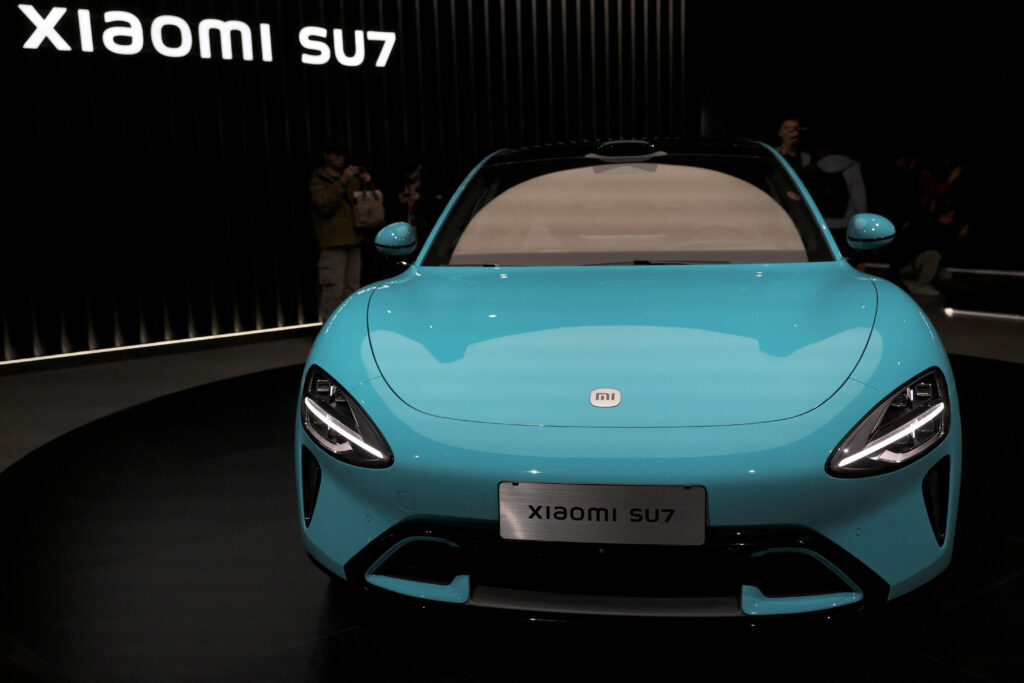
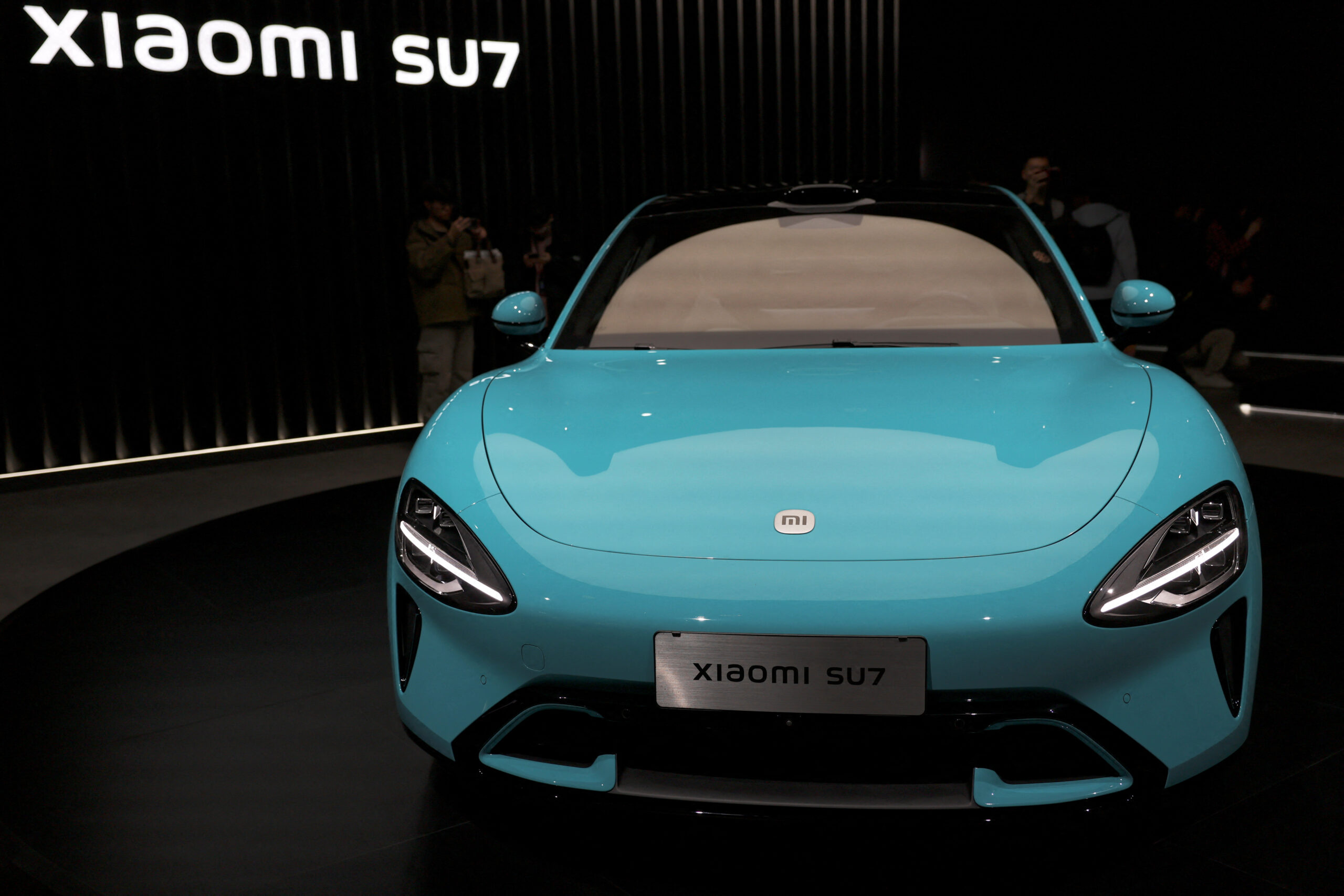
Xiaomi, one of Apple’s main rivals in China, is showing how to quickly make the switch from smartphones to electric automobiles, whereas Apple just said goodbye to its hopes for electric vehicles. Three years after entering the EV market, the Beijing-based IT giant said that it will introduce its first range of electric vehicles, the Speed Ultra 7 (SU7), on March 28 in around 30 Chinese cities.

The Outstanding Achievement of Lei Jun

How Xiaomi Launched a Car in 3 Years While Apple is Still Trying After 10

Image Source: reuters.com

This milestone is an amazing achievement for Xiaomi’s CEO and billionaire founder, Lei Jun. Lei’s will to be successful in the automotive sector is demonstrated by Xiaomi’s move into electric vehicles (EVs), which is a shift from the company’s typical consumer electronics business.

Xiaomi's Strategic Approach

To accelerate its entry into the market, Xiaomi took advantage of China’s pre-existing EV infrastructure, in contrast to Apple, which had several manufacturing issues and ultimately scrapped its EV project. With the help of the Beijing Automotive Group, Xiaomi was able to quickly secure a production permit, which allowed it to go forward with its ambitious aspirations to create some 200,000 electric vehicles (EVs) a year.

Navigating a Competitive Landscape

The Chinese EV industry is extremely competitive, with well-established firms such as Tesla and BYD leading the scene, despite Xiaomi’s quick rise. With the SU7, Xiaomi hopes to enter the luxury market, but it will have to contend with a decrease in the demand for EVs and growing pricing rivalry among manufacturers.

Thoughts on Apple's Journey

Growing manufacturing challenges and budgetary constraints finally caused Apple’s ten-year quest for an electric car to collapse. Apple found it difficult to defend the large yearly investment in its automobile programme, even after dedicating huge resources to the development of autonomous vehicles.

In summary, Xiaomi’s triumphant debut in the electric vehicle sector is evidence of its adaptability and astute alliances. Xiaomi’s rapid development highlights the dynamic nature of the tech sector and the potential for unorthodox companies to upend established industries, whereas Apple’s hopes for an electric vehicle have come to an end. As Xiaomi is ready to launch its electric cars, it represents an important turning point in the development of the business and offers an engaging story of creativity and adaptability in the automobile industry.

Kevin Plank Reclaims CEO Position at Under Armour in Strategic Return

Kevin Plank Reclaims CEO Position at Under Armour in Strategic Return

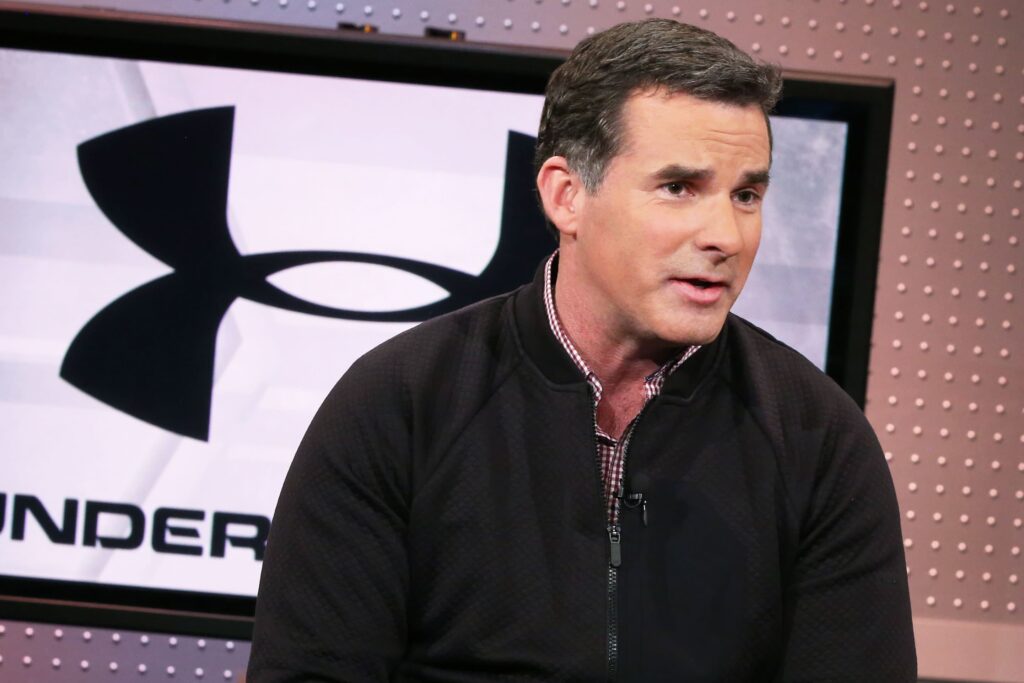
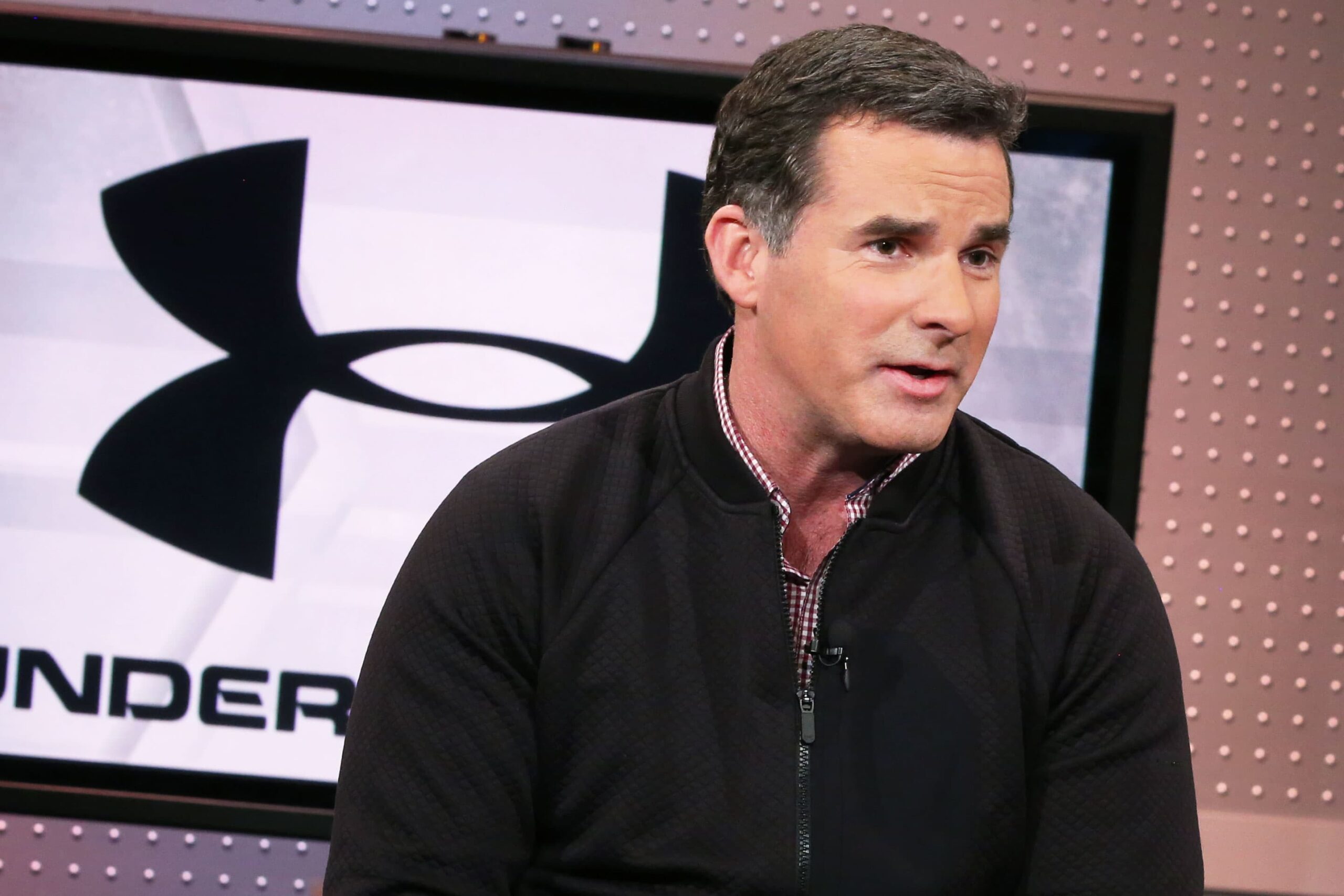
Kevin Plank, the visionary founder of Under Armour, is set to reclaim the helm as CEO of the sportswear giant. This move marks a significant return to leadership for Plank, who originally stepped down from his CEO role in 2019, transitioning to the position of Executive Chairman and Brand Chief. The announcement has sparked interest across the business world, with stakeholders keen to see how Plank’s return will influence the direction and innovation of Under Armour.

Kevin Plank's Bold Comeback to Under Armour

Kevin Plank Reclaims CEO Position at Under Armour in Strategic Return

Image Source: cnbc.com

Under Armour announced that its founder, Kevin Plank, will be returning as CEO, a decision that has sent waves of anticipation through the industry. Plank, who started the company in 1996 from his grandmother’s basement, transformed Under Armour into a global sportswear powerhouse. His return is seen as a strategic move to steer the company through its next phase of growth and innovation.

The Journey of Under Armour Under Plank

Kevin Plank’s original tenure as CEO of Under Armour was characterized by rapid growth and aggressive expansion. The company saw a meteoric rise, challenging established sportswear brands and introducing innovative products that resonated with athletes and consumers alike. Plank’s leadership was instrumental in establishing Under Armour’s reputation as a major player in the sportswear market.

Strategic Shifts and Challenges

Since stepping down as CEO, Plank has remained deeply involved in Under Armour’s strategic direction. The company has faced its share of challenges, including increased competition, market shifts, and the need for digital transformation. Under Plank’s guidance, Under Armour has begun addressing these challenges, focusing on innovation, brand strength, and consumer engagement.

Plank's Vision for the Future

With Kevin Plank’s return as CEO, there is renewed focus on innovation, product development, and market expansion. Plank has emphasized the importance of staying true to Under Armour’s core values while also pushing the boundaries of what the brand can achieve. His vision for the future includes leveraging technology and data to enhance product offerings and customer experience.

The Impact on Under Armour's Market Position

Industry analysts are closely watching the impact of Plank’s return on Under Armour’s market position and financial performance. There is optimism that Plank’s leadership and entrepreneurial spirit will invigorate the company’s strategies for growth and competitiveness. The move is seen as a positive step towards reinforcing Under Armour’s position in the global sportswear market.

Conclusion

Kevin Plank’s return as CEO of Under Armour marks the beginning of a new chapter for the company. With Plank at the helm, there is anticipation for a renewed focus on innovation, growth, and strategic initiatives that will drive Under Armour forward. As the sportswear industry continues to evolve, Under Armour, under Plank’s leadership, is poised to make significant strides in shaping the future of athletic wear.

Singtel Shares Skyrocket Following News of $11 Billion Optus Sale Discussions

Singtel Shares Skyrocket Following News of $11 Billion Optus Sale Discussions

Singapore Telecommunications Ltd. (Singtel) witnessed a remarkable surge in its stock value, marking its most significant upswing in nearly two years. The catalyst behind this rally was a report by the Australian Financial Review (AFR), suggesting advanced discussions between Singtel and private equity giant Brookfield for the potential sale of its Australian carrier, Optus, in a deal valued at approximately A$16 billion ($10.6 billion).

Advanced Negotiations Propel Singtel Stocks

Singtel Shares Skyrocket Following News of $11 Billion Optus Sale Discussions

Image Source: finance.yahoo.com

Singtel shares soared by as much as 4.2%, experiencing their most substantial intraday gain since May 2022. The exchange halted trading momentarily amidst the flurry of activity spurred by the reported talks. According to AFR, Brookfield is considering bringing in consortium partners, potentially including the Canada Pension Plan Investment Board, in a move that could push Optus’s valuation to as high as A$18 billion.

In response to the escalating speculation, Singtel issued a statement clarifying that no imminent deal to offload Optus for the speculated sum was in progress. Emphasizing Optus’s integral role within the broader Singtel group, the statement hinted at the significance of the Australian operation to the telecommunications giant’s overall strategy.

Potential Windfall Amid Security Challenges

A successful deal would represent a significant windfall for Singtel, which has held a stake in Optus for over two decades. However, the reported negotiations come at a critical juncture for Optus, as the carrier grapples with the aftermath of major security breaches and operational challenges. Last year, Optus faced scrutiny following a widespread outage and a cyberattack that compromised the personal data of millions of customers, leading to the departure of its former CEO.

The proposed sale of Optus comes amid broader strategic maneuvers by Singtel to bolster its financial position and pursue new growth avenues. Recently, Singtel reduced its stake in Indian telecom giant Bharti Airtel Ltd., generating over $700 million to fund expansion initiatives, including ventures into burgeoning sectors like data centers.

Analyst Insights and Future Prospects

Bloomberg Intelligence analysts weigh in on the potential implications of the Optus sale, noting that while it may reduce Singtel’s scale and diversity, strategic use of proceeds could mitigate risks and maintain current ratings. With Optus contributing a significant portion of Singtel’s revenue and EBITDA, the outcome of these negotiations could reshape the telecommunications landscape in the Asia-Pacific region.

As Singtel navigates through these pivotal discussions, the outcome will not only impact its financial trajectory but also shape the competitive dynamics of the telecom sector, both in Australia and beyond.

Roku Account Breached as Hackers Illegally Purchase Subscriptions and Devices

Roku Account Breached as Hackers Illegally Purchase Subscriptions and Devices

Roku, the popular TV streaming platform, has fallen victim to a recent cyber attack affecting over 15,000 users across the United States. The breach, which occurred between December 28, 2023, and February 21, 2024, targeted unsuspecting Roku account holders, allowing hackers to gain unauthorized access and make illicit purchases.

Breach Details and Modus Operandi

Roku Account Breached as Hackers Illegally Purchase Subscriptions and Devices

Image Source: cybernews.com

The intrusion came to light when Roku notified authorities in California and Maine about the breach, disclosing that 15,363 US residents had their accounts compromised. According to Roku’s data breach notice, cybercriminals exploited login/password combinations leaked from previous third-party breaches to infiltrate user accounts. By capitalizing on the tendency of users to reuse login credentials across multiple platforms, the hackers were able to manipulate account details and, in some cases, attempt to purchase unauthorized streaming subscriptions.

In a concerning twist, it was revealed that hackers weren’t solely interested in exploiting the compromised accounts for personal use. BleepingComputer reported that these infiltrators were peddling access to Roku accounts for as little as $0.50 each. With access in hand, buyers could perpetrate fraudulent transactions, including the acquisition of Roku streaming devices and associated peripherals.

Roku Responds and Addresses Concerns

The breach disclosure has raised questions about Roku’s security measures and user protections. While the company has urged affected users to secure their accounts with unique passwords, concerns linger over the absence of two-factor authentication—a standard security feature that could fortify account defenses against unauthorized access.

Despite recent controversies surrounding Roku’s dispute-resolution terms, the company maintains that the breach disclosure is unrelated to these policies. Earlier, Roku faced backlash for prompting users to agree to new dispute-resolution terms, effectively limiting their ability to take legal action against the company. However, Roku clarified to PCMag that the breach notification is solely aimed at safeguarding user accounts and does not intersect with dispute-resolution negotiations.

As Roku grapples with the aftermath of this breach, users are advised to take proactive measures to protect their accounts. Implementing unique and robust passwords, avoiding password reuse, and remaining vigilant against phishing attempts are crucial steps in fortifying account security.

Moving forward, stakeholders will closely monitor Roku’s response to the breach, with hopes of witnessing enhanced security protocols and user protections to prevent similar incidents from occurring in the future.

Joe Biden Says he'll Ban TikTok if Congress Passes Bill, But he's Campaigning on it Until Then

Joe Biden Says he’ll Ban TikTok if Congress Passes Bill, But he’s Campaigning on it Until Then

In an era where the digital landscape is as contentious as the physical, the stance of a political figure—hypothetically, President Joe Biden—on a platform as influential as TikTok captures the intricate dance between leveraging modern communication tools and upholding national security interests. The recent declaration that a ban on TikTok could be considered if Congress passes relevant legislation, juxtaposed with the platform’s use in campaign strategies, paints a vivid picture of the complexities facing today’s political leaders.

The Power of Social Media in Politics

Joe Biden Says he'll Ban TikTok if Congress Passes Bill, But he's Campaigning on it Until Then

Image Source: pbs.org

The role of social media in shaping political discourse cannot be overstated. Platforms like TikTok have revolutionized how politicians engage with the electorate, breaking down barriers and fostering a sense of direct communication. However, the pervasive reach of these platforms also raises significant concerns regarding privacy, misinformation, and foreign influence, leading to discussions about regulation and control.

The Legislative Landscape

The push for legislation to potentially ban TikTok reflects growing apprehensions about the influence of foreign-owned technology companies on national security. This concern is not isolated to any one political party or figure but is a broad issue that resonates with lawmakers across the spectrum. The hypothetical stance of President Biden to support a ban if Congress acts underscores the delicate balance between national interests and the freedoms that define democratic societies.

Campaigning in the Age of Social Media

Despite the controversies surrounding platforms like TikTok, their effectiveness as tools for political campaigning is undeniable. The ability to reach millions of users, particularly younger demographics traditionally less engaged in politics, is invaluable. This dual-edged sword presents a unique challenge: how to reconcile the use of a platform that may be deemed a security risk with the benefits it offers in connecting with a broad audience.

Public Reaction and the Path Forward

Public reaction to these developments is varied, reflecting the diverse opinions on technology, privacy, and government regulation. Advocates for a ban cite concerns over data privacy and foreign influence, while opponents argue for the importance of free speech and the innovative ways social media enables political engagement.

Conclusion

The debate over TikTok and its place in American politics is emblematic of the broader challenges facing a society navigating the complexities of the digital age. As hypothetical figures like President Biden weigh the benefits of social media in campaign strategies against the potential risks, the path forward requires a nuanced approach that considers both the imperatives of national security and the values of open communication and innovation.

Meta Takes Legal Action Against Former Employee Accused of Document Theft

Meta Takes Legal Action Against Former Employee Accused of Document Theft

For what it calls a “stunning” act of treachery, Meta Platforms Inc., the company that was once known as Facebook, has launched a lawsuit against Dipinder Singh Khurana, one of its previous vice presidents. Khurana, who held the position of vice president of infrastructure at Meta for 12 years, is charged with stealing a significant quantity of secret and private data when he left to work for a rival Artificial Intelligence cloud computing business.

The Allegations

Meta Takes Legal Action Against Former Employee Accused of Document Theft

Image Source: businessworld.in

Before departing the firm, Meta claims that Khurana secretly moved a large amount of confidential data to his personal Dropbox and Google Drive accounts, in violation of his contractual responsibilities. These records allegedly contained details on non-public commercial contracts, performance reviews, and staff salaries. Furthermore, according to Meta, at least eight of the workers mentioned in the records later quit to work for Khurana’s new company.

Meta's Reaction

Citing Khurana’s conduct as evidence of a flagrant contempt for his legal as well as contractual duties, Meta has filed a lawsuit in reaction to his acts. A Meta representative underlined the gravity of this kind of behaviour and said that the company is still dedicated to protecting employees and business secrets.

The case

Khurana is accused of violating fiduciary responsibilities, loyalty, and contractual commitments in the case brought by Meta. It claims that Khurana obtained and misused confidential data on Meta’s data centres, supply chain, and employee pay through illegal means. Khurana’s activities, according to Meta, seriously jeopardise its competitive edge, especially in the domains of AI technology, data centre infrastructure, and talent retention.

The Impact

Meta’s “Top Talent” dossier, which includes extensive details about the business’s finest employees, such as performance appraisals and salary data, is one of the papers that Khurana is accused of stealing. According to Meta, the release of such private data would make it more difficult for the company to decide on appropriate pay and to keep important personnel.

In conclusion, Meta’s legal action against Dipinder Singh Khurana demonstrates how dedicated the business is to safeguarding its proprietary knowledge and sensitive data. The case’s development serves as a reminder of how crucial it is to honour agreements and preserve honesty and trust in the workplace.