Your Tech Story

Sandhya Gupta

I am a law graduate from NLU Lucknow. I have a flair for creative writing and hence in my free time work as a freelance content writer.

Salesforce

Salesforce hires activist lawyer from Wachtell, Lipton as legal chief

Salesforce, the renowned business software provider, has announced the appointment of Sabastian Niles, a prominent activist lawyer from Wachtell, Lipton, Rosen & Katz, as its new chief legal officer. Niles played a vital role in defending Salesforce against several hedge funds that were advocating for changes within the company.

The addition of Niles to Salesforce’s management team was welcomed by CEO Marc Benioff, who expressed his excitement about the new hire. Niles brings a wealth of experience and expertise in dealing with corporate legal matters and navigating the complexities of activist investments.

salesforce
Image Source: reuters.com

Wachtell, Lipton, Rosen & Katz is widely recognized as a leading law firm that handles merger deals and addresses the demands of activist investment firms.

Over the course of his nearly 17-year career at the firm, Niles successfully advised corporations facing pressure from influential activist investors such as Bill Ackman’s Pershing Square Capital Management, Jeffrey Ubben, and Mason Morfit’s ValueAct Capital Management.

Niles joined Wachtell as a summer associate after obtaining his law degree from Harvard. His dedication and skills allowed him to ascend the ranks and eventually become a partner at the esteemed law firm. His impressive track record in handling high-stakes legal matters made him a valuable asset to the team.

Also Read: Meta now lets you make video calls using a cartoon avatar

Notably, Niles was involved in providing legal counsel to Salesforce when it faced pressure from Starboard Value, ValueAct, and Elliott Investment Management earlier this year. These prominent activist investors had urged the company to implement significant changes. Niles’ expertise played a crucial role in guiding Salesforce through this challenging period.

Despite his recent appointment, Niles has refrained from commenting on his new position at Salesforce. Reuters reached out to him for a statement, but he did not respond.

Sebastian Niles specializes in securities litigation and enforcement matters. He is a partner at the law firm Wachtell, Lipton, Rosen & Katz, based in New York City. Niles has extensive experience representing clients in complex securities litigation cases, internal investigations, and regulatory enforcement actions. He has worked on notable cases involving corporate governance, shareholder activism, and securities fraud.

With Niles joining Salesforce as chief legal officer, the company is well-positioned to navigate legal complexities and address potential challenges in the future. His extensive experience in dealing with activist investors and his legal acumen make him an ideal choice for the role. Salesforce continues to strengthen its management team with top-tier talent, ensuring the company’s ability to thrive in an ever-evolving business landscape.

Coinbase

Coinbase CEO Brian Armstrong Set to Meet With House Democrats

Coinbase CEO Brian Armstrong is scheduled to have a private meeting with a group of U.S. House of Representatives Democrats on Wednesday morning to discuss the future of digital asset legislation.

The meeting holds significance as it takes place amidst ongoing legal battles faced by Coinbase and Binance, two of the world’s largest cryptocurrency exchanges, with the U.S. Securities and Exchange Commission (SEC).

coinbase
Image Source: bitcoinist.com

The lawsuits filed by the SEC allege that both Coinbase and Binance failed to register their operations with the agency. If successful, these legal actions could have far-reaching implications for the entire crypto market, as they would establish the SEC’s jurisdiction over the industry.

This would contradict the industry’s long-standing argument that tokens should not be classified as securities and therefore should not be subject to regulation by the commission.

In addition to discussing the future of digital asset legislation, Armstrong is expected to address other pertinent issues during the meeting, including tax regulations, national security concerns, privacy considerations, and the climate impact of cryptocurrency operations. A spokesperson for the New Democrat Coalition confirmed these topics in an emailed statement.

Also Read: Elon Musk launches AI firm xAI as he looks to take on OpenAI

Coinbase has yet to comment on the meeting, as the request for comment was made outside of their business hours. However, the exchange has previously stated that it vehemently denies the SEC’s allegations and is fully prepared to vigorously defend itself in court. Binance has taken a similar stance, rejecting the SEC’s claims and affirming its commitment to fighting the lawsuit.

Brian Armstrong, known for his outspoken criticism of the SEC, has been particularly vocal about his disagreement with SEC Chair Gary Gensler. He has referred to Gensler as an “outlier” among Washington policymakers, expressing his differing views on cryptocurrency regulation.

The upcoming meeting with House Democrats provides Armstrong with an opportunity to present his perspectives and engage in a dialogue on the future of digital asset legislation.

The outcome of this meeting could have significant implications for the regulatory landscape surrounding cryptocurrencies in the United States. As the crypto industry continues to grow and evolve, discussions between industry leaders and lawmakers will play a crucial role in shaping the future of digital asset regulation, with potential ramifications for investors, businesses, and the broader financial system.

The meeting between Coinbase CEO Brian Armstrong and House Democrats holds promise for constructive discussions on digital asset legislation and regulatory concerns in the cryptocurrency industry.

WormGPT

What is WormGPT? The new AI behind the cyberattacks

In recent news, a dangerous AI tool named WormGPT has been gaining popularity on cybercrime forums within the dark web. Marketed as a “sophisticated AI model,” WormGPT is specifically designed to generate human-like text for hacking campaigns, enabling cybercriminals to execute attacks on an unprecedented scale.

According to cybersecurity expert Daniel Kelley, who shared his findings on the platform Slashnext, WormGPT was trained on a diverse range of data sources, with a particular emphasis on malware-related data. This training allows the AI tool to create text that can be utilized for various malicious activities.

WormGPT
Image Source: dataconomy.com

The implications of WormGPT’s emergence are concerning for everyday internet users and businesses alike. One of the key issues lies in the speed and volume of scams that a language model like this can generate simultaneously.

The rapid text generation capability of AI models, combined with WormGPT’s malicious intent, poses a significant threat. Cyberattacks such as phishing emails can now be replicated easily, even by those with minimal cybercriminal skills.

Adding to the danger is the promotion of “jailbreaks” on ChatGPT, a similar AI language model by OpenAI, which essentially allows for the manipulation of prompts and inputs to create harmful content or reveal sensitive information. The consequences of such manipulation can be severe, leading to potential data breaches, inappropriate content dissemination, and the development of harmful code.

Also Read: The Future of AI: How Artificial Intelligence Will Change Future

Kelley pointed out that generative AI, like WormGPT, can produce emails with impeccable grammar, making them appear legitimate and decreasing the chances of being flagged as suspicious. This democratizes the execution of sophisticated Business Email Compromise (BEC) attacks, providing access to powerful hacking tools for a broader spectrum of cybercriminals, including those with limited technical expertise.

While companies such as OpenAI ChatGPT and Google Bard are actively working to combat the misuse of large language models (LLMs), there are concerns about the capabilities of these countermeasures.

A recent report by Check Point highlighted that Bard’s anti-abuse restrictors in the realm of cybersecurity are significantly lower compared to ChatGPT, making it easier to generate malicious content using Bard’s capabilities.

The introduction of WormGPT to the dark web follows a disconcerting trend. Researchers from Mithril Security recently revealed their successful modification of an existing open-source AI model named PoisonGPT, aimed at spreading disinformation. The potential consequences of such AI technology are still largely unknown.

As AI has already demonstrated the ability to generate and spread disinformation, manipulate public opinion, and even influence political campaigns, the emergence of bootleg AI models like WormGPT only exacerbates the risks faced by unsuspecting users.

In conclusion, the rise of WormGPT on the dark web signifies a troubling development in the world of cybercrime. The ease with which this AI tool can generate realistic and malicious content poses a significant threat to cybersecurity.

As cyber threat actors find new ways to exploit AI technology, it becomes crucial for AI developers and cybersecurity experts to remain vigilant and take proactive measures to safeguard against potential abuses of AI language models.

Additionally, internet users and organizations must stay informed about these developments and implement robust security measures to protect themselves from the ever-evolving landscape of cyber threats.

Artificial Intelligence

The Future of AI: How Artificial Intelligence Will Change Future

The rapid advancements in artificial intelligence (AI) over the past few decades have left an indelible mark on society, revolutionizing numerous industries and reshaping our daily lives.

As AI continues to evolve, it holds the potential to bring about even more transformative changes in the future. AI is already at the forefront of automation, replacing repetitive and labor-intensive tasks in various industries. In the future, we can expect a significant surge in automation across sectors such as manufacturing, logistics, and customer service.

Artificial Intelligence
Image Source: simplilearn.com

While this might lead to increased efficiency and reduced operational costs for businesses, it could also result in job displacement for certain segments of the workforce.

The healthcare industry will witness a profound transformation with the integration of AI. Advancements in machine learning algorithms will enable the development of personalized medicine tailored to individual patients based on their genetic makeup, lifestyle, and medical history. AI-powered diagnostic tools will offer quicker and more accurate assessments, leading to earlier disease detection and improved treatment outcomes.

As AI continues to advance, addressing ethical concerns and establishing robust governance frameworks will become paramount. The potential for AI to make autonomous decisions raises questions about accountability and transparency.

Also Read: AI and robotics are transforming healthcare. But How?

Striking the right balance between AI autonomy and human oversight will be essential to avoid undesirable outcomes. AI bias is another challenge that needs urgent attention. Ensuring fairness and inclusivity in AI algorithms will be crucial in avoiding discrimination and promoting a more equitable society.

The future of transportation is autonomous. Self-driving cars, buses, and drones are already in development and will revolutionize the way we move. With AI-driven transportation systems, traffic congestion can be reduced, accidents minimized, and energy efficiency enhanced. In tandem with autonomous vehicles, smart cities will become more prevalent.

AI will optimize urban planning, manage resources more efficiently, and create sustainable living environments. Enhanced data analytics will enable cities to be more responsive to citizens’ needs and challenges.

Education will experience a seismic shift as AI-powered platforms deliver personalized learning experiences to students. AI algorithms will analyze individual learning patterns and preferences, enabling educators to tailor educational content to meet each student’s needs effectively.

Furthermore, AI will become a valuable tool in skill development and professional training. As job requirements change rapidly, AI-driven training programs will help workers acquire new skills and stay relevant in the job market.

The future of AI holds tremendous promise and potential for both positive and negative impacts on society. While AI will undoubtedly bring about unprecedented convenience, efficiency, and advancements, it also raises significant challenges that require proactive and ethical solutions.

To harness the full potential of AI for the betterment of humanity, a collaborative effort between governments, industries, and researchers is necessary. By addressing ethical concerns, embracing the changing workforce landscape, and leveraging AI for social good, we can build a future where artificial intelligence becomes a powerful force for positive transformation, benefitting all of humanity.

crypto

What makes a crypto asset a security in the US?

The recent legal actions taken by the U.S. Securities and Exchange Commission (SEC) against prominent crypto platforms Coinbase and Binance have sparked a significant debate regarding the classification of digital tokens as securities.

Accusing these platforms of operating illegally and evading disclosure requirements, the SEC’s lawsuits seek to determine whether certain cryptocurrencies should have been registered as securities. As the United States leads the regulatory crackdown on cryptocurrencies, this case becomes a crucial test of the SEC’s jurisdiction over the industry.

Crypto
Image Source: zawya.com

The SEC alleges that Coinbase allowed users to trade at least 13 crypto assets that should have been registered as securities, including tokens like Solana, Cardano, and Polygon.

However, Coinbase and other industry players vehemently deny listing any securities, contending that most cryptocurrencies, which operate on blockchain networks, do not meet the definition of securities under U.S. law.

Industry participants argue that the SEC’s determination of whether digital assets are securities has been vague and inconsistent, making it challenging for market players to navigate regulatory requirements.

Also Read: How to install the macOS Sonoma public beta?

To determine whether crypto assets should be classified as securities, the SEC relies on the Howey Test. This test stems from a landmark 1946 U.S. Supreme Court case involving investors in Florida orange groves.

It established that an investment involving money in a common enterprise with profits derived solely from the efforts of others falls under the definition of an investment contract or security. This precedent empowers the SEC to intervene when investments resemble this type of arrangement, indicating the potential classification of certain cryptocurrencies as securities.

Previous Rulings and Settlements (approx. 120 words): In cases that have reached court, judges have generally sided with the SEC, determining that specific crypto assets are securities. These decisions have been based on developers’ statements linking the value of digital assets to the efforts of others, thereby establishing that investor profits depend on external factors.

Furthermore, courts have concluded that investors participate in a common enterprise when their funds are pooled by the token issuer and used for system development. Many crypto-related cases brought by the SEC have ended in settlements, with companies paying fines and committing to comply with U.S. securities laws, sometimes resulting in companies leaving the U.S. market or discontinuing their crypto projects.

The outcome of the SEC’s case against Ripple Labs over the cryptocurrency XRP holds substantial implications for the classification of crypto assets as securities. Ripple argues that there was no common enterprise involved since the associated blockchain was fully operational before XRP was ever sold.

In contrast, Bitcoin is generally not considered a security due to its anonymous and open-source origins, where investor profits are not dependent on the efforts of developers or managers. The Ripple case’s resolution will likely provide further clarity on the SEC’s stance regarding securities classification.

The ongoing legal battle between the SEC and major crypto platforms like Coinbase and Binance centers around the classification of cryptocurrencies as securities. As the industry calls for clearer regulations and guidance, the outcomes of current cases will significantly shape the regulatory landscape for the U.S. crypto industry.

macOS

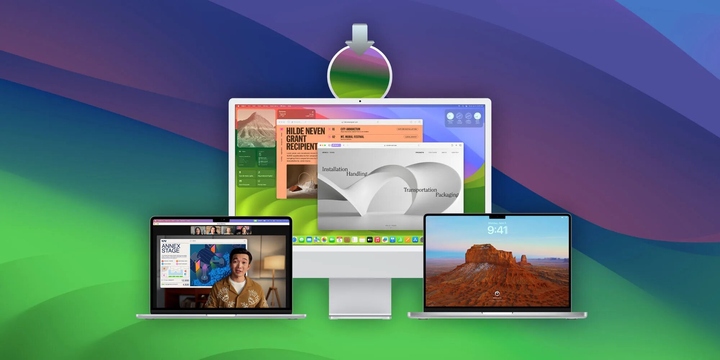
How to install the macOS Sonoma public beta?

Apple regularly releases beta versions of its operating systems to allow users to test new features and provide feedback before the official release. If you’re eager to try out the latest macOS Sonoma public beta, follow these steps to install it on your Mac. However, keep in mind that beta software may contain bugs and compatibility issues, so it’s advisable to back up your data before proceeding.

Before installing any beta software, it’s crucial to create a backup of your data using Time Machine. This ensures that you can revert to a stable version if any issues arise during the beta installation process.

macOS
Image Source: 9to5mac.com

Ensure that you have approximately 20GB of free space on your storage drive before attempting to install the beta. This ensures that you have enough room for the installation process.

Open Safari and navigate to Apple’s beta software portal. If you haven’t previously installed a public beta, you’ll need to sign up for access using your Apple ID. If you have already enrolled, click “Enroll Your Devices” in the top-right corner of the webpage. On the beta software portal, click on the macOS option, which is located in the center of the page.

Also Read: What is Netflix’s new ‘Profile Transfer” feature?

Scroll down the page until you find a button that says “Download the macOS Public Beta Access Utility.” Click on it to download a .DMG file. Once the download is complete, run the .PKG file within the disk image to sign up for receiving beta updates. After launching the installer, it will check for a Time Machine backup. If no backup is detected, a prompt will appear reminding you to perform a backup before proceeding.

Once you have completed the above steps, open the System Preferences app and navigate to Software Update. If it doesn’t open automatically, manually open it.

If you’re enrolled in the beta program, you should see a message stating, “This Mac is enrolled in the Apple Beta Software Program” below the Software Update icon. Note that the download may not be immediately available, and you’ll receive a notification once it is ready.

The updated file will take some time to download. Once the download is complete, click on “Upgrade Now” and follow the on-screen instructions to install the macOS Sonoma public beta on your Mac.

Remember, beta software is still in development, and unexpected issues may arise. It’s advisable to install the beta on a secondary machine or create a separate partition on your primary machine to keep your stable macOS installation unaffected. This allows you to test the new features without compromising your daily workflow.

By following these steps, you’ll be able to install the macOS Sonoma public beta and explore the latest features and improvements Apple has to offer. Enjoy testing the beta and providing valuable feedback to contribute to the development process!