Your Tech Story

Technology

Google Announces Subscription Requirement for Bard Advanced Access


Google Announces Subscription Requirement for Bard Advanced Access

Google’s latest move in the realm of AI subscription services is set to shake up the market once again. With the announcement of Bard Advanced, the tech giant is signaling a shift towards offering premium features through a subscription model. Here’s what you need to know about this latest development:

Google Announces Subscription Requirement for Bard Advanced Access

Image Source: ridelikesk.xyz

Alphabet, Google’s parent company, recently unveiled its fourth-quarter earnings for 2023, revealing a staggering $15 billion in annual subscription revenue. This surge underscores the growing importance of subscription-based services in Google’s revenue stream. With Bard Advanced, Google aims to capitalize further on this trend by offering enhanced AI capabilities through a subscription package.

Introducing Bard Advanced

Bard Advanced represents the pinnacle of Google’s conversational AI technology, powered by the cutting-edge Gemini Ultra architecture. This advanced AI assistant is equipped to handle complex tasks across various modalities, including text, images, audio, video, and even code. With Gemini Ultra at its core, Bard Advanced promises unparalleled understanding, summarization, reasoning, coding, and planning capabilities.

The Subscription Model

During Google’s Q4 earnings call, Alphabet CEO Sundar Pichai confirmed that Bard Advanced would be available exclusively through a subscription model. While details regarding pricing and release dates remain scarce, it’s evident that Google is doubling down on its subscription strategy to unlock the full potential of Bard Advanced. Early testers can expect to get their hands on this powerful AI assistant before a wider rollout ensues.

Pricing Speculations

As Bard Advanced gears up for its debut, speculation abounds regarding its pricing structure. Given Google’s existing subscription offerings, such as ChatGPT Plus priced at $20 per month, it’s reasonable to assume that Bard Advanced will fall within a similar range. However, until Google releases official pricing details, users can only speculate on the cost of unlocking the advanced features of Bard.

In conclusion, Google’s decision to require a subscription for Bard Advanced marks a significant shift in its AI strategy. By leveraging the Gemini Ultra architecture and embracing a subscription model, Google aims to deliver a sophisticated AI experience tailored to the evolving needs of users worldwide. As the tech landscape continues to evolve, Bard Advanced signifies Google’s commitment to pushing the boundaries of AI innovation while embracing new monetization avenues.

Neuralink Implant Successfully Installed in Human, Elon Musk Confirms

Neuralink Implant Successfully Installed in Human, Elon Musk Confirms

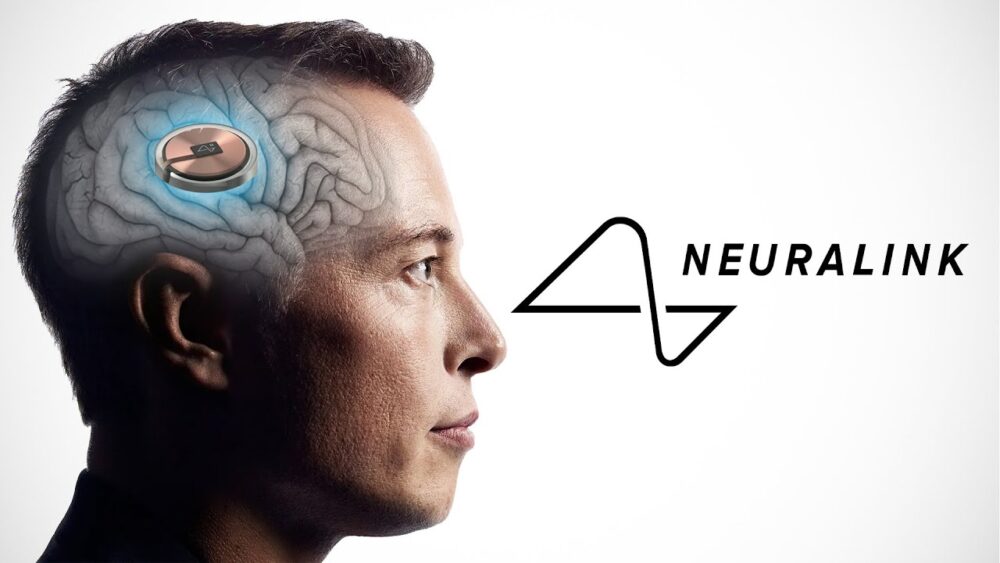
Elon Musk announced that the first human patient had gotten a brain implant from Neuralink, his brain-computer interface (BCI) technology business, on the social networking site X. The invention, called “Telepathy,” seeks to bridge the gap between artificial intelligence and the human brain.

Informing about the human trial via a post on X (formerly Twitter), Musk wrote, “The first human received an implant from @Neuralink yesterday and is recovering well. Initial results show promising neuron spike detection."

“Enables control of your phone or computer, and through them almost any device, just by thinking. Initial users will be those who have lost the use of their limbs. Imagine if Stephen Hawking could communicate faster than a speed typist or auctioneer. That is the goal." Musk followed up in another post.

livemint.com

Neuralink’s Sucess Story

Neuralink Implant Successfully Installed in Human, Elon Musk Confirms

Last autumn, Neuralink began patient recruitment for a clinical study following permission from the US Food and Drug Administration and a hospital ethics board. Participants in the study must be at least 22 years old and have quadriplegia as a result of either amyotrophic lateral sclerosis (ALS) or cervical spinal cord injury. The trial should last for six years.

The original intention of Neuralink was to allow paralysed people to use their brain impulses to control a keyboard or mouse. The business implants a coin-sized gadget into the part of the brain that controls movement intention using a surgical robot that it designed. Brain impulses are wirelessly recorded and sent by this gadget to an app that decodes them.

The patient is recovering properly, according to Elon Musk’s statement, and the initial findings show encouraging neuron spike detection. It will take some time for the patient to recuperate from surgery and complete a training phase, which usually lasts several weeks, before evaluating their ability to operate a computer or other device with the implant.

Despite being the first to investigate BCIs, Neuralink’s accomplishments represent a substantial step towards the eventual integration of artificial intelligence and humans. Academic labs have been working on brain-computer interfaces (BCIs) for years; early adopters took part in tests that allowed paralysed people to manipulate robotic limbs, play video games, and send emails with their thoughts.

With more than 1,000 electrodes spaced over 64 threads as thin as a human hair, Neuralink’s wireless BCI device is a significant improvement over conventional configurations. The company’s strategy tries to make BCIs more useful for at-home use.

Neuralink has encountered controversy despite its technological advancements, especially concerning how it handles study animals. A government probe was prompted after an examination in September found that several monkeys had died while undergoing brain implant testing. The business also had to pay fines for breaking hazardous material transportation regulations set out by the US Department of Transportation.

Neuralink is in competition with other businesses in the developing BCI market, but its new statement highlights how important it is to the advancement of neurotechnology. While there may be obstacles in the way of Musk’s goal of a seamless human-AI merger, Neuralink’s continued efforts mark a significant turning point in this exciting subject.

How does Apple's Vision Pro Improve Your Zoom Call Experience?

How does Apple’s Vision Pro Improve Your Zoom Call Experience?

Zoom, the renowned teleconferencing platform, is gearing up to revolutionize virtual meetings with its integration into Apple’s Vision Pro. Scheduled for launch on Feb. 2, this innovative collaboration promises to redefine the way we perceive and engage in video calls.

Overcoming Technical Challenges

How does Apple's Vision Pro Improve Your Zoom Call Experience?

Image Source: techcrunch.com

One of the primary challenges faced by Apple in incorporating video calls into an augmented reality headset was the absence of a traditional webcam setup. With your face covered by the headset, the conventional approach to video conferencing became obsolete. However, Apple ingeniously introduced “Personas” to address this issue. By scanning your face with the Vision Pro headset, users can create digital avatars that mimic their gestures and facial expressions, enhancing the naturalness of interactions during calls.

Zooming into the Features

Zoom’s adaptation to the Vision Pro environment marks a significant leap in telecommunication technology. Users will have access to familiar features such as starting, joining, and scheduling meetings directly from the Vision Pro app. Additionally, the integration of Persona support ensures seamless collaboration, while the inclusion of a chat box enables real-time communication during calls.

While the initial launch of Zoom on Vision Pro promises an immersive teleconferencing experience, the future holds even more exciting developments. Zoom has teased forthcoming features like 3D Object Sharing, Team Chat, and Real World Pinning. These additions capitalize on the Vision Pro’s augmented reality capabilities, offering users innovative ways to interact and collaborate within virtual environments.

Navigating the Landscape

Despite its promising features, the Vision Pro faces some limitations, notably the absence of native apps from streaming giants like Netflix, YouTube, and Spotify. While users can access these services through the Vision Pro’s browser, the lack of dedicated applications may deter some consumers. Moreover, with a starting price of $3,499, the accessibility of the Vision Pro remains a concern for budget-conscious individuals and businesses alike.

As Zoom prepares to make its mark on Apple’s Vision Pro, the landscape of virtual meetings is poised for a transformational shift. With its integration of Persona support and innovative features, Zoom on Vision Pro promises to deliver a truly immersive and engaging teleconferencing experience. However, challenges such as accessibility and comfort may influence the widespread adoption of this technology. Nevertheless, the convergence of Zoom and Vision Pro heralds a new era in telecommunication, one where virtual meetings transcend boundaries and redefine connectivity.

Why Has X (Twitter) Blocked Searches For 'Taylor Swift'?

Why Has X (Twitter) Blocked Searches For ‘Taylor Swift’?

In a recent move, Twitter has taken the step to temporarily block searches related to Taylor Swift on its platform. This action comes in response to an influx of explicit and digitally fabricated images of the renowned singer circulating on the site, as reported by The Wall Street Journal.

Why Has X (Twitter) Blocked Searches For 'Taylor Swift'?

Image Source: thepostmillennial.com

Users attempting to search for Taylor Swift on Twitter are greeted with a message stating, “Posts not loading right now” along with a suggestion to “Try again later.” This measure aims to curb the spread of the offensive content and protect users from encountering inappropriate material.

In an effort to combat the dissemination of fake images, loyal fans of Taylor Swift flooded the platform with authentic photos of the singer. The intention behind this move was to drown out the false content in search results and restore the platform’s integrity.

Additionally, Swift’s fanbase took proactive steps to flag accounts responsible for sharing the counterfeit images. Their vigilance contributed to the suspension or restriction of numerous accounts involved in the distribution of inappropriate content.

Twitter's Commitment to Safety

Joe Benarroch, head of business operations at Twitter, emphasized that the decision to block searches is a temporary measure enacted with a focus on user safety. Twitter reaffirmed its commitment to maintaining a safe environment for users by implementing a zero-tolerance policy towards such objectionable content.

Despite the suspension of several accounts, some of the offending images persist on the platform. Twitter continues to work diligently to address the issue and ensure that users can engage with the platform without encountering inappropriate or harmful content.

Twitter’s temporary block on searches related to Taylor Swift underscores the platform’s dedication to prioritizing user safety and combating the spread of false and explicit content. Through collective efforts from both the platform and Swift’s dedicated fanbase, steps are being taken to mitigate the impact of harmful material and uphold the integrity of the online community.

Next-Generation Siri in iOS 18: ChatGPT Style Capabilities Unleashed

Next-Generation Siri in iOS 18: ChatGPT Style Capabilities Unleashed

With the expected release of iOS 18 at this year’s Worldwide Developers Conference, Apple is preparing to take a major step into the artificial intelligence (AI) space, according to Financial Times sources. Even while Apple doesn’t seem part of the current AI buzz, it has been subtly preparing for a big AI reveal.

Next-Generation Siri in iOS 18: ChatGPT Style Capabilities Unleashed

Image Source: indianexpress.com

Apple, renowned for taking its time and being extremely careful, has always entered technological races after allowing rivals to try their hand first. This approach, comparable to the tortoise and the hare—has worked in the past, and experts anticipate that Apple’s AI initiatives will follow a similar path. As reported by the Financial Times, since 2017, the corporation has strategically bought 21 AI companies, surpassing the combined acquisitions of Microsoft and Google.

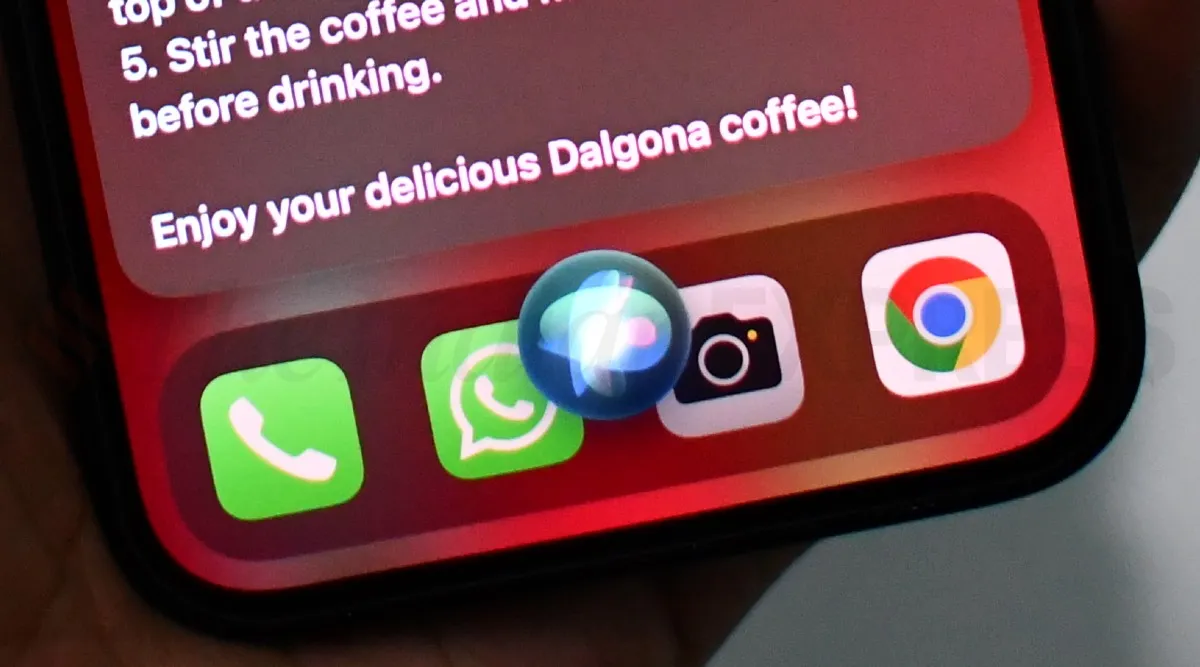
Even while it likes to keep its AI initiatives quiet, Apple has been actively involved in machine learning, as shown by the most recent iPhones and Apple Watches, which come with potent on-device AI technology. Large language model-powered Siri is supposedly being developed, according to code discovered in the iOS 17.4 beta. Apple reportedly conducts internal testing with OpenAI’s ChatGPT API to create its artificial intelligence models.

In an attempt to take a calculated risk and learn from the mistakes made by early innovators such as OpenAI, the business has been looking at partnering with news publishers to train its AI systems. 

Apple Released a Research Report Describing a Breakthrough

In December, Apple released a research report describing a breakthrough in the flash memory-based on-device operation of large language models (LLMs). This advancement has the potential to democratise generative AI by making it available on a wider variety of devices, such as MacBooks and iPhones.

The key concern is still how AI will be smoothly incorporated into iOS; many believe that Siri will be the main beneficiary of an advancement in AI technology. Recent developments, like the speech capabilities of ChatGPT, highlight the potential to greatly improve digital assistants. It has been suggested that Apple and Amazon are developing AI-powered versions of Alexa, which might give Siri features similar to ChatGPT.

Industry watchers are closely observing how Apple will employ its AI innovations to change the user experience as the countdown to iOS 18 gets underway, particularly concerning the Siri ecosystem. If it is effective, the next version of Siri may represent a major advancement in artificial intelligence, providing consumers with a more sophisticated and user-friendly virtual assistant.

Apple’s strategic manoeuvres, acquisitions, and research achievements indicate a well-thought-out plan to put the company at the vanguard of the AI revolution in the fast-changing field of artificial intelligence. Apple is ready to reveal its AI goals with the upcoming release of iOS 18, which might change the story about the company’s place in the quickly developing artificial intelligence space.

Exploring ChatGPT Plus: Subscription Cost, Benefits, and User Guide

Exploring ChatGPT Plus: Subscription Cost, Benefits, and User Guide

In the rapidly evolving landscape of artificial intelligence, ChatGPT Plus has emerged as a subscription-based offering, promising enhanced features and a more seamless user experience. As users weigh the decision to invest in ChatGPT Plus, a careful examination of the costs and benefits becomes esessential.

The Price Point: Balancing Affordability and Value

Exploring ChatGPT Plus: Subscription Cost, Benefits, and User Guide

One key aspect to consider is the subscription cost. ChatGPT Plus is priced at $20 per month, a premium compared to the free access. Users must assess whether the additional features justify this expense, especially when evaluating their budget constraints and the value placed on premium AI language capabilities.

Enhanced Performance: A Premium User Experience

ChatGPT Plus subscribers benefit from faster response times and priority access during peak usage periods. This enhancement can be particularly advantageous for users who heavily rely on ChatGPT for time-sensitive tasks or wish to optimize their workflow. The question then arises: does the boost in performance align with your specific needs and usage patterns?

Privacy Considerations: Weighing the Value of Ad-Free Interaction

For privacy-conscious users, the ad-free experience offered by ChatGPT Plus might hold significant value. Without distractions, users can engage more deeply with the AI model, enhancing the overall user experience. However, individuals with less concern about ads may question whether this feature justifies the subscription cost.

Supporting Continued Free Access: A Moral Imperative?

Purchasing ChatGPT Plus not only unlocks premium features but also supports the availability of free access to ChatGPT for users worldwide. For those who value the democratization of AI and wish to contribute to the provision of free services, subscribing to ChatGPT Plus becomes a choice that extends beyond personal benefits.

In conclusion, whether ChatGPT Plus is worth it depends on individual priorities, budget considerations, and the importance placed on the offered features. For some, the enhanced performance and ad-free interaction may justify the subscription cost, while others may find the free access sufficient for their needs. Balancing these factors will enable users to make an informed decision on whether ChatGPT Plus aligns with their expectations and requirements in the evolving landscape of AI accessibility.