Your Tech Story

Technology

Snowflake CEO Steps Down From Post Richer Than Tim Cook or Satya Nadella

Snowflake CEO Steps Down From Post Richer Than Tim Cook or Satya Nadella

In a surprising turn of events, Frank Slootman, the CEO of Snowflake Inc., renowned for his astute leadership and remarkable wealth accumulation, has announced his departure from the company. Slootman’s journey to immense wealth is a testament to his adept navigation of the tech industry’s complexities, marked by successful IPOs and strategic leadership roles.

A Legacy of Success and Tough Leadership

Snowflake CEO Steps Down From Post Richer Than Tim Cook or Satya Nadella

Image Source: finance.yahoo.com

Slootman’s tenure at Snowflake saw unprecedented growth, culminating in the largest software IPO in history. His adept leadership also earned him a reputation for being confrontational and straightforward—a trait that garnered both admiration and criticism within the industry. Despite controversies surrounding his statements on hiring practices and political affiliations, Slootman’s track record remained impressive, with his net worth surpassing even industry giants like Tim Cook and Satya Nadella.

The announcement of Slootman’s departure, coupled with a lackluster sales outlook, sent shockwaves through the market, resulting in an 18% drop in Snowflake’s stock—the company’s worst day ever. Analysts speculate that this sudden change may be linked to recent disappointments in revenue growth, although Slootman vehemently denies any correlation.

Slootman’s successor, Sridhar Ramaswamy, brings a wealth of experience from Alphabet Inc.’s Google and is poised to continue Snowflake’s legacy of innovation. With a lucrative compensation package exceeding $100 million in stock awards over the next five years, Ramaswamy’s appointment signifies a new chapter for the company.

While Slootman’s departure marks the end of an era, his legacy as a non-founder who amassed immense wealth in the tech industry serves as a testament to his unparalleled leadership and strategic vision. As Snowflake transitions to new leadership, the tech world watches with anticipation to see what the future holds for this pioneering company.

Lenovo Sets New Standards with Transparent Display ThinkBook Concept

Lenovo Sets New Standards with Transparent Display ThinkBook Concept

In the ever-evolving world of technology, Lenovo has once again set the bar high with its latest innovation: a concept ThinkBook laptop featuring a transparent display. This groundbreaking development not only pushes the boundaries of conventional laptop design but also integrates futuristic aesthetics with cutting-edge functionality. Let’s delve into what makes this concept ThinkBook a beacon of technological advancement.

The Dawn of Transparency in Technology

Lenovo Sets New Standards with Transparent Display ThinkBook Concept

Image Source: imboldn.com

The concept of transparent displays is not entirely new, yet integrating this technology into a fully functional laptop is a feat that Lenovo is pioneering. The transparent display on the ThinkBook concept model offers users a glimpse into the future of personal computing, where design and technology seamlessly blend to create not just a tool, but an experience.

Design and Aesthetics: A Visual Marvel

At first glance, the transparent display ThinkBook captivates with its sleek and minimalist design. The transparency isn’t just a novelty; it serves a purpose. It offers a new layer of interaction and engagement, making the laptop not just a device, but a piece of modern art.

Functionality Meets Futurism

Beyond its striking appearance, the transparent display of the ThinkBook concept is designed to enhance user experience. It promises new modes of working and creativity, potentially allowing for augmented reality applications, immersive presentations, and a new level of multitasking capabilities.

Technology Behind the Transparency

The magic behind the transparent display involves cutting-edge materials and display technologies. Lenovo has not disclosed all the technical specifics, but it’s clear that innovations in OLED technology and transparent electronics play a crucial role. This leap forward could not have been possible without significant advancements in these areas.

Potential Use Cases

Imagine giving a presentation where your audience can see through to the other side of the screen, or working on confidential documents in public without worrying about shoulder surfers. The possibilities are as vast as they are exciting, opening up new ways to interact with digital content.

Challenges and Considerations

With any pioneering technology, there are challenges. Durability, privacy, and battery life are potential concerns with transparent displays. Lenovo’s concept ThinkBook will need to address these to move from concept to reality effectively.

Impact on the Market

The introduction of a laptop with a transparent display could significantly impact the laptop market, setting new standards for design and functionality. It positions Lenovo as a leader in innovation, potentially influencing future designs across the industry.

Looking to the Future

As we stand on the brink of this new technological era, it’s clear that Lenovo’s concept ThinkBook is just the beginning. The transparent display opens up a world of possibilities for the future of personal computing, challenging other manufacturers to think outside the traditional laptop box.

Conclusion

Lenovo’s concept ThinkBook laptop with a transparent display is a bold step into the future of technology. It combines design, functionality, and innovation in a way that could redefine our expectations of personal computing devices. As we await further details and the potential realization of this concept, one thing is clear: the future of technology is transparent.

Google Unveils 'App Mall': A Unified App Store for Chromebooks

Google Unveils ‘App Mall’: A Unified App Store for Chromebooks

Users of Chromebooks have long struggled with the fragmented app store spanning Linux, Android, and the web. Google is now intervening to provide a single approach to expedite this process.

Presenting "App Mall"

Google Unveils 'App Mall': A Unified App Store for Chromebooks

Image Source: pune.news

Google’s most recent project, the “App Mall,” is a centralised location where users can find and install a wide variety of programmes. Though it’s still in the early phases, code fragments suggest that it may soon be released.

Improved User Experience

To improve the Chromebook user experience, the “App Mall” unifies software discovery into a single platform. It is anticipated to include a variety of apps, including web-based and Android ones, and should make navigating easier while maximising user utility.

Google's Ongoing Developments

Apart from the “App Mall,” Google is always improving the Chrome web browser. AI-driven features like Custom Themes and Tab Groups are included in recent upgrades to improve personalisation and efficiency.

Taking Care of App Fragmentation

Currently, Chromebook users have to switch between several sources for software, which makes for a disorganised experience. By providing a one-stop shop for app discovery, the “App Mall” aims to address this and may completely change the way people use their smartphones.

What to Anticipate

Although the “App Mall” is still in the early stages of development, it is expected to have a broad selection of apps that will satisfy a wide spectrum of user tastes. The “App Mall” strives to meet all needs, whether they are for educational materials, leisure alternatives, or productivity tools. In addition to making app discovery easier, Google’s “App Mall” is a big advancement for Chromebooks. Google has the potential to completely change how people interact with their devices by standardising app access and improving user experience. For Chromebook users, this creative method not only increases convenience but also creates new opportunities by enabling them to fully use their machines with unmatched efficiency and comfort.

Chromebook users should expect an easier way to find apps as Google gets ready to launch the “App Mall.” They’ll easily be able to realise the full potential of their gadgets with a single platform at their disposal.

Waymo Gets Green Light to Expand Robotaxi Service in Los Angeles and San Francisco Peninsula

Waymo Gets Green Light to Expand Robotaxi Service in Los Angeles and San Francisco Peninsula

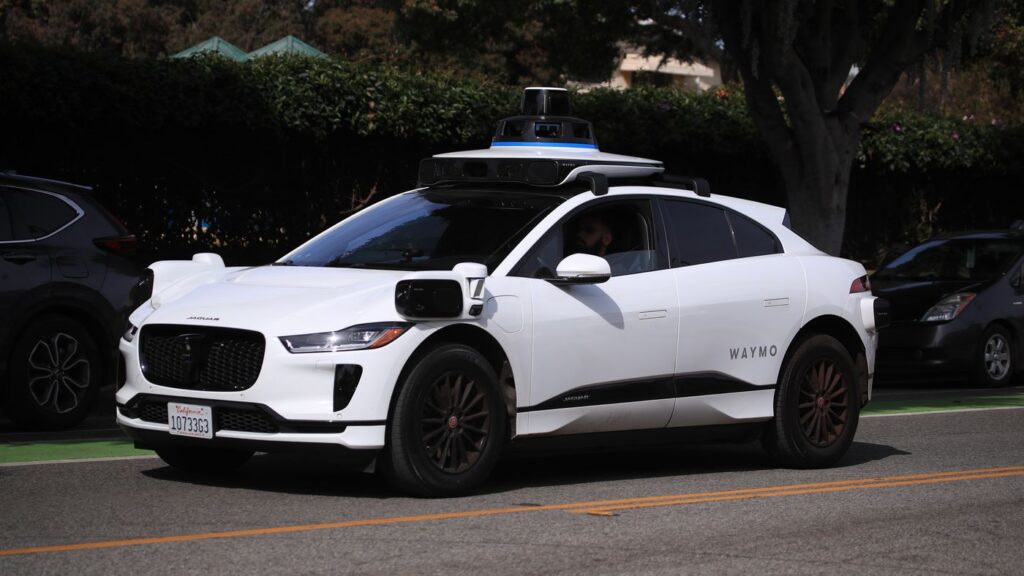
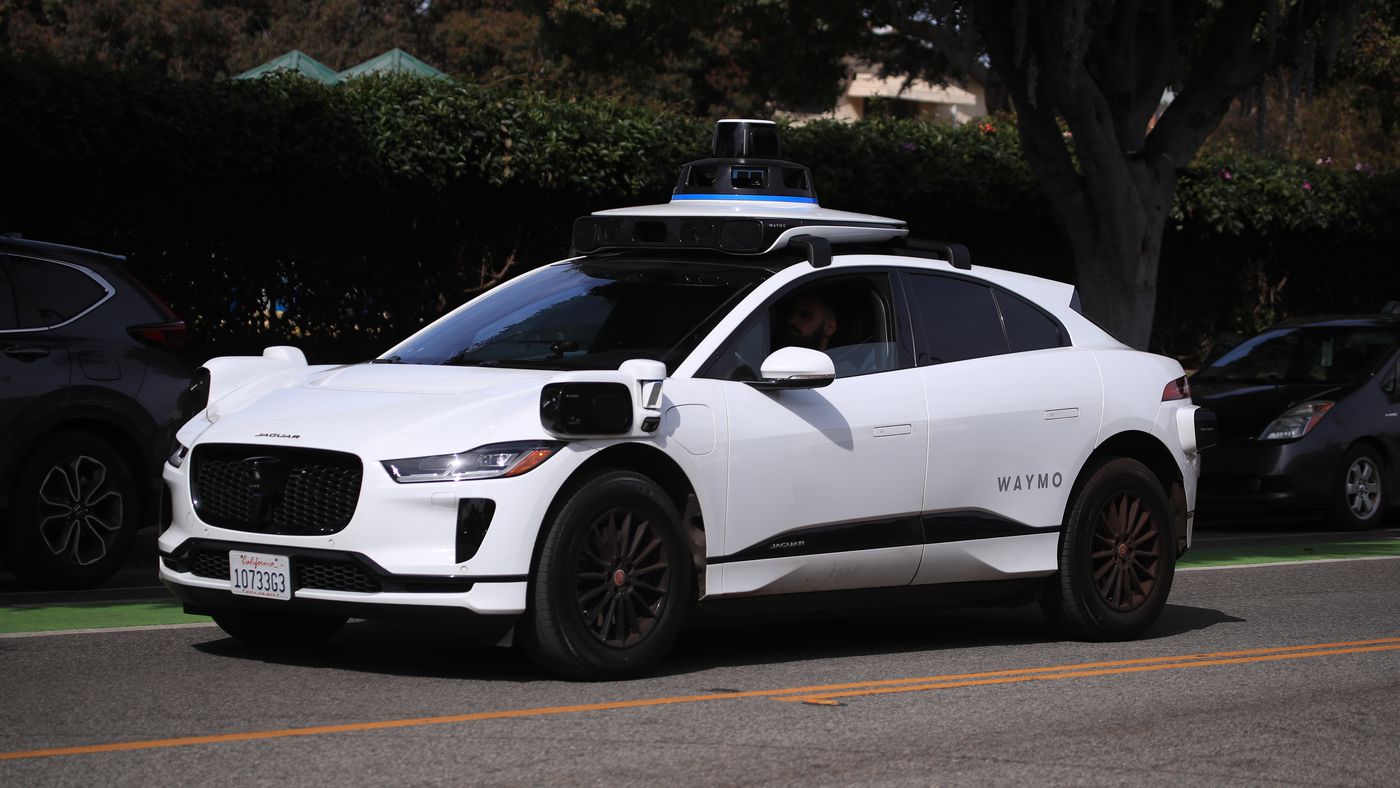
Alphabet’s Waymo, a leading player in the autonomous vehicle space, has been given the green light by the California Public Utilities Commission (CPUC) to extend its robotaxi service to parts of Los Angeles and the Bay Area. The regulatory approval, announced via a notice on the CPUC’s website on Friday, marks a significant milestone in the company’s journey towards widespread deployment.

Overcoming Hurdles and Safety Concerns

Waymo Gets Green Light to Expand Robotaxi Service in Los Angeles and San Francisco Peninsula

Image Source: theverge.com

Waymo’s path to expansion hasn’t been without its challenges. In mid-February, the company submitted a voluntary recall filing notice to the National Highway Traffic Safety Administration, addressing software issues following two incidents in Phoenix. Despite these setbacks, Waymo has remained steadfast in its commitment to safety and regulatory compliance.

The CPUC’s decision to suspend Waymo’s expansion efforts for additional review underscores the cautious approach towards autonomous vehicle deployment. However, the approval of Waymo’s updated Passenger Safety Plan and operational design domain by both the CPUC and the California Department of Motor Vehicles demonstrates confidence in the company’s capabilities.

Waymo's Advancement Amidst Industry Changes

Waymo’s progress in California comes at a pivotal moment in the autonomous vehicle industry. With General Motors-owned Cruise and Apple stepping back from the autonomous vehicle business in the state, Waymo’s expansion signifies its resilience and determination to lead the way in self-driving technology. Meanwhile, Tesla, under Elon Musk’s leadership, continues to pursue autonomous vehicle development, albeit facing challenges in achieving fully driverless operation.

The approval allows Waymo to operate its robotaxis in close proximity to Tesla’s engineering headquarters in San Mateo County, positioning the two tech giants at the forefront of autonomous transportation innovation.

Looking Ahead

The approval granted by the CPUC is a testament to Waymo’s ongoing efforts to revolutionize transportation through autonomous technology. As the company gears up to launch its commercial Waymo One service in Los Angeles and the San Francisco Peninsula, it is poised to transform the way people commute and travel in urban areas.

With safety as a top priority, Waymo’s expansion heralds a new era of mobility, offering passengers a convenient and efficient transportation option while addressing concerns surrounding job displacement and regulatory oversight. As Waymo continues to refine its technology and operational processes, the future of autonomous transportation in California and beyond looks promising.

Apple's Vision Pro Headset Launching Soon - Here's What You Need to Know About Price and Availability

Why Does Apple Vision Pro Cost $3,500? An In-Depth Look at Its Premium Pricing

Cutting-Edge Technology at a Premium

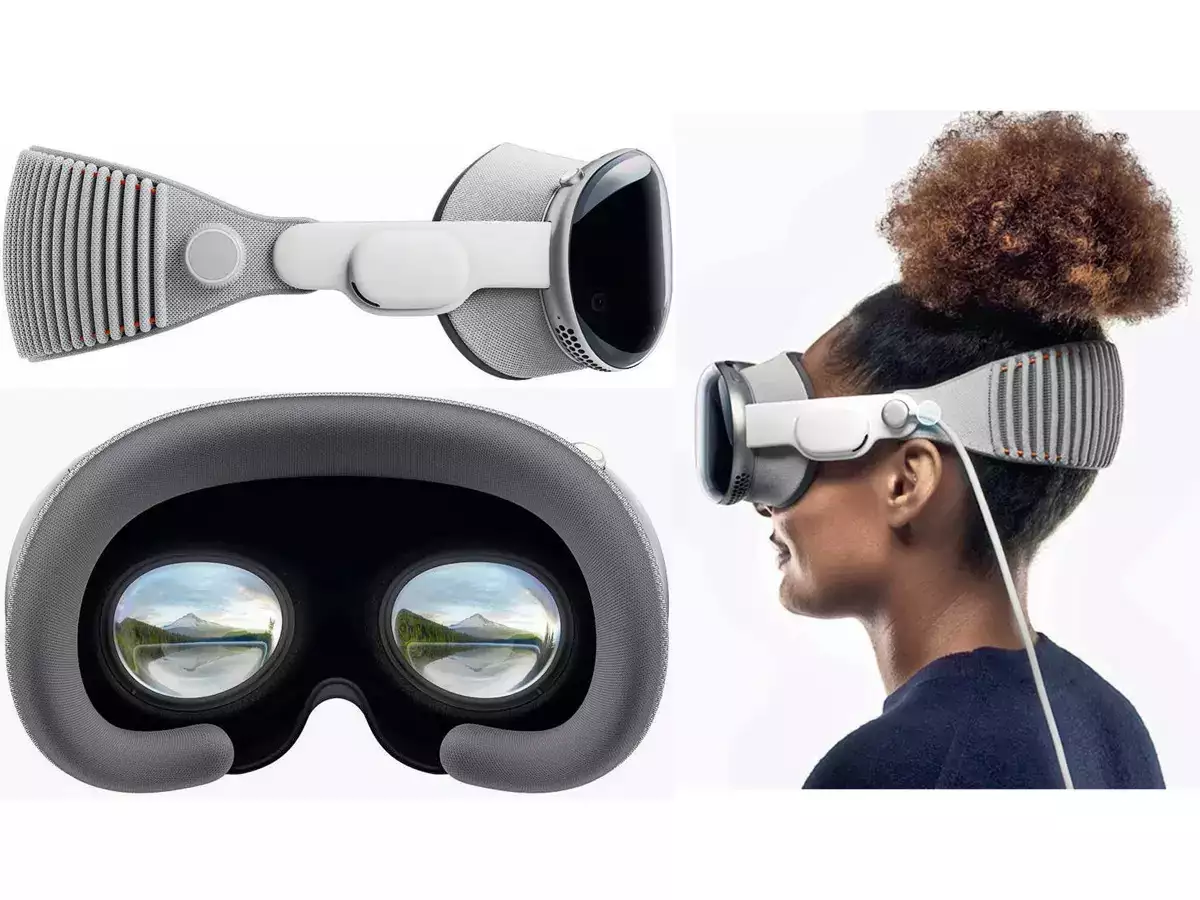
With its unmatched realism, Apple’s Vision Pro headset promises an immersive experience unlike anything other, taking users to virtual worlds. The Vision Pro’s steep price tag of $3,499 for the base model and up to $4,500 for extra accessories, however, raises questions and leaves many wondering: what makes this expensive?

Modern Display Technology

Apple's Vision Pro Headset Launching Soon - Here's What You Need to Know About Price and Availability

The cutting-edge display technology of the Vision Pro is the primary factor driving up its cost. Each headset has a Micro OLED display made by Sony Semiconductor, which offers remarkable pixel density and accurate colour reproduction. The Vision Pro’s screens revolutionise visual fidelity in the virtual reality space with over 23 million total pixels and a pixel density that even beats the most recent iPhone.

Modern Manufacturing Methods

Modern production techniques are required to produce the displays for the Vision Pro. A silicon backplane, similar to that used in semiconductor production, supports the pixel-dense panels of the Vision Pro, in contrast to standard displays constructed on glass backplanes. This novel method improves resilience and makes pixel-rich displays possible that replicate reality with unmatched accuracy.

Supercomputer for Computation

Video Source: Apple

The Vision Pro’s powerful primary processor, which includes both Apple’s M2 chip and the specially created R1 chip, powers its immersive experiences. These parts manage intricate video streams, sensor information, and AI-powered features, guaranteeing smooth operation and captivating images.

Research and Development

Extensive research and development efforts are responsible for the technical wonders of the Vision Pro. Apple has spent a lot of money refining every part of the headset, from display technology to AI-driven capabilities like hand tracking and environment mapping, and has over 5,000 patents integrated into the device.

Supply Chain and Market Dynamics

Apple’s use of advanced display technologies frequently establishes benchmarks for the industry and shapes consumer behaviour. Being one of the biggest participants in the display market, Apple’s requirement for high-end parts stimulates supplier rivalry and innovation, which in turn shapes the price environment for new technologies.

Upcoming prospects

Even though Vision Pro’s present pricing may appear exorbitant, expenses should decrease in the upcoming years due to continuous developments in manufacturing techniques and display technology. High-resolution display entry barriers are expected to drop as vendors increase output and vie for Apple’s business, opening the door for more widely available VR experiences.

Tim Cook's Opinion

Tim Cook, the CEO of Apple, highlights the revolutionary technology included in the Vision Pro and highlights its value proposition. Cook highlights the significant R&D expenditure and inventiveness that propelled the headset’s advancement, underscoring its capacity to completely transform the virtual reality domain.

In conclusion, the cost of the Vision Pro represents not just the purchase price of its individual parts but also the result of years of technical advancements, research, and creativity. With more people embracing immersive experiences and demanding high-fidelity VR, Apple’s dedication to expanding the realm of virtual reality’s potential is demonstrated by the Vision Pro.

This Women-Led Healthcare Startup Raises $3.3 Million in Funding to Tackle the need for Better Menopause Care

This Women-Led Healthcare Startup Raises $3.3 Million in Funding to Tackle the need for Better Menopause Care

Elektra Health, a groundbreaking digital health startup catering to women navigating menopause, has announced a significant milestone in its journey. The company revealed on Wednesday that it has secured $3.3 million in extended seed funding, a testament to its commitment to improving menopause care. This latest influx of capital is poised to propel Elektra Health towards its mission of expanding access to high-quality menopause care for women across the United States.

Bridging the Gap in Women's Health

This Women-Led Healthcare Startup Raises $3.3 Million in Funding to Tackle the need for Better Menopause Care

Image Source: techcrunch.com

Founded in 2019 and headquartered in New York City, Elektra Health has emerged as a beacon of hope for women grappling with the challenges of menopause. The company’s innovative approach encompasses virtual clinical care, personalized wellness plans, educational resources, and robust community support. Elektra Health’s services transcend geographical boundaries, with operations spanning New York, Connecticut, Florida, and soon Massachusetts and Pennsylvania. Moreover, the company collaborates with health plans, employers, and individual consumers to ensure accessibility and affordability.

Jannine Versi, co-founder and COO of Elektra Health, underscored the pressing need for comprehensive menopause care, stating, “The healthcare system today privileges the reproductive window and really anything related to family building and maternal health. … I fully agree that we need much better care and support for the maternal health journey, but it should not come at the exclusion of how we care for women so that they can live in good health and have good quality outcomes for those years that follow that menopause transition.”

Strategic Funding Partnerships

The $3.3 million funding round was spearheaded by UPMC Enterprises, the venture capital arm of UPMC, with notable participation from Wavemaker 360, Flare Capital Partners, and Seven Seven Six Fund. Kathryn Heffernan, senior director of strategic product management at UPMC Enterprises, emphasized the alignment between Elektra Health’s vision and UPMC’s commitment to advancing women’s health. Heffernan stated, “Elektra proved to have all the elements UPMC values in this space: evidence-based education and care that prioritizes women’s health needs and drives outcomes.”

With a total funding of $7.6 million, Elektra Health is poised for substantial growth. Co-founder Jannine Versi outlined the company’s strategic focus, which includes forging partnerships with additional payers, expanding its geographic footprint, and bolstering its team. This strategic approach underscores Elektra Health’s unwavering dedication to bridging the gap in menopause care and empowering women to navigate this transformative life stage with confidence and dignity.

As menopause care gains traction in the healthcare landscape, Elektra Health stands at the forefront of innovation, poised to revolutionize women’s health and redefine the standards of care for generations to come. With increasing recognition of the diverse needs within women’s health, Elektra Health’s funding milestone signals a pivotal moment in the journey towards equitable and inclusive healthcare solutions.