Your Tech Story

Technology

Samsung's $6 Billion Investment Plan Set to Expand US Reach

Samsung’s $6 Billion Investment Plan Set to Expand US Reach

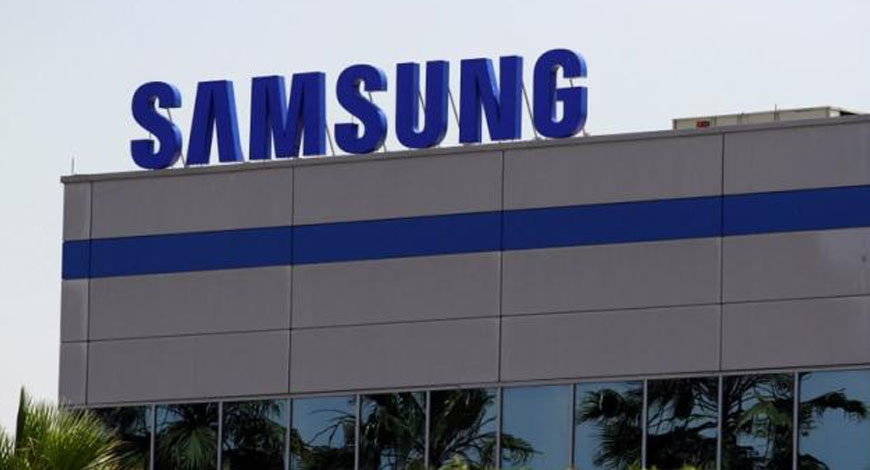
In an ambitious leap forward, Samsung Electronics is set to secure an investment exceeding $6 billion, marking a significant expansion of its manufacturing capabilities within the United States. This strategic decision underscores Samsung’s commitment to enhancing its global footprint in the semiconductor and display manufacturing sectors, areas where it has already established dominance.

Enhancing US Tech Leadership

Samsung's $6 Billion Investment Plan Set to Expand US Reach
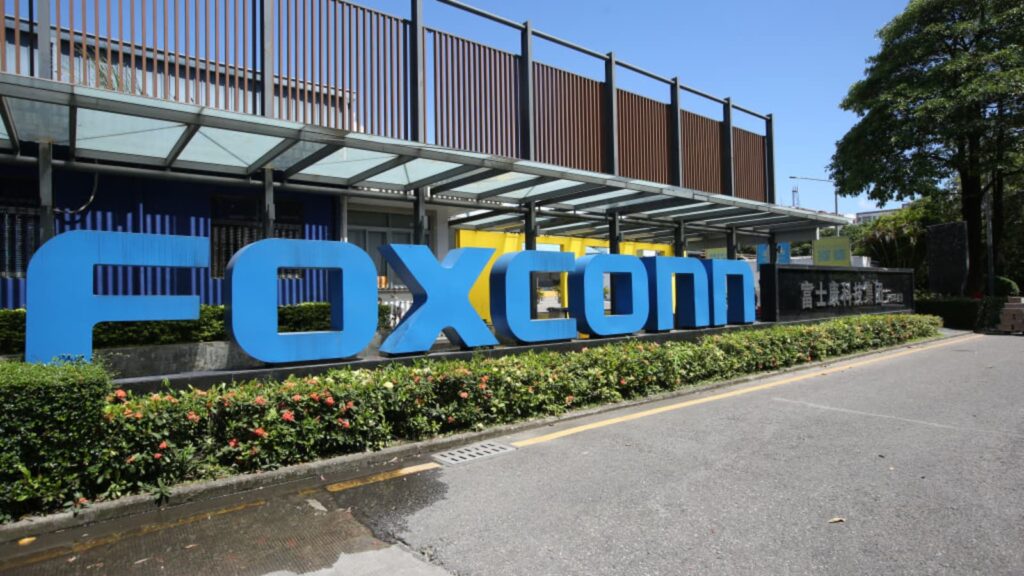
Image Source: communicationstoday.co.in

The investment aims to solidify the U.S.’s position at the forefront of technological innovation and manufacturing. By increasing production capacity and fostering advancements in semiconductor technology, Samsung is not just expanding its business but also contributing to the strengthening of the American tech industry’s competitive edge on the global stage.

Job Creation and Economic Growth

This monumental investment is expected to create thousands of jobs, driving substantial economic growth in the regions poised to host Samsung’s new facilities. The initiative is a clear signal of the tech giant’s long-term commitment to its U.S. operations and the broader American economy.

A Strategic Response to Global Demand

Amidst a global surge in demand for semiconductors, fueled by rapid advancements in technology and an accelerating shift towards digital solutions, Samsung’s investment is timely. It aims to alleviate the pressures of the ongoing semiconductor shortage that has impacted various industries worldwide, from automotive to consumer electronics.

Locations and Future Plans

While specific locations for the expansion have yet to be disclosed, industry insiders suggest Samsung is evaluating several potential sites with the goal of bolstering its semiconductor production capabilities. This expansion is a strategic move to not only meet current market demands but also to prepare for future technological advancements.

Conclusion

Samsung’s planned investment is a win-win, promising to bring about significant economic and technological benefits for both the company and the United States. As negotiations finalize, the tech world eagerly awaits the ripple effects this deal will have on the global supply chain, technological innovation, and economic growth in the coming years.

Apple Supplier Foxconn Sees Strong 2024 as Fourth Quarter beats Forecasts

Apple Supplier Foxconn Sees Strong 2024 as Fourth Quarter beats Forecasts

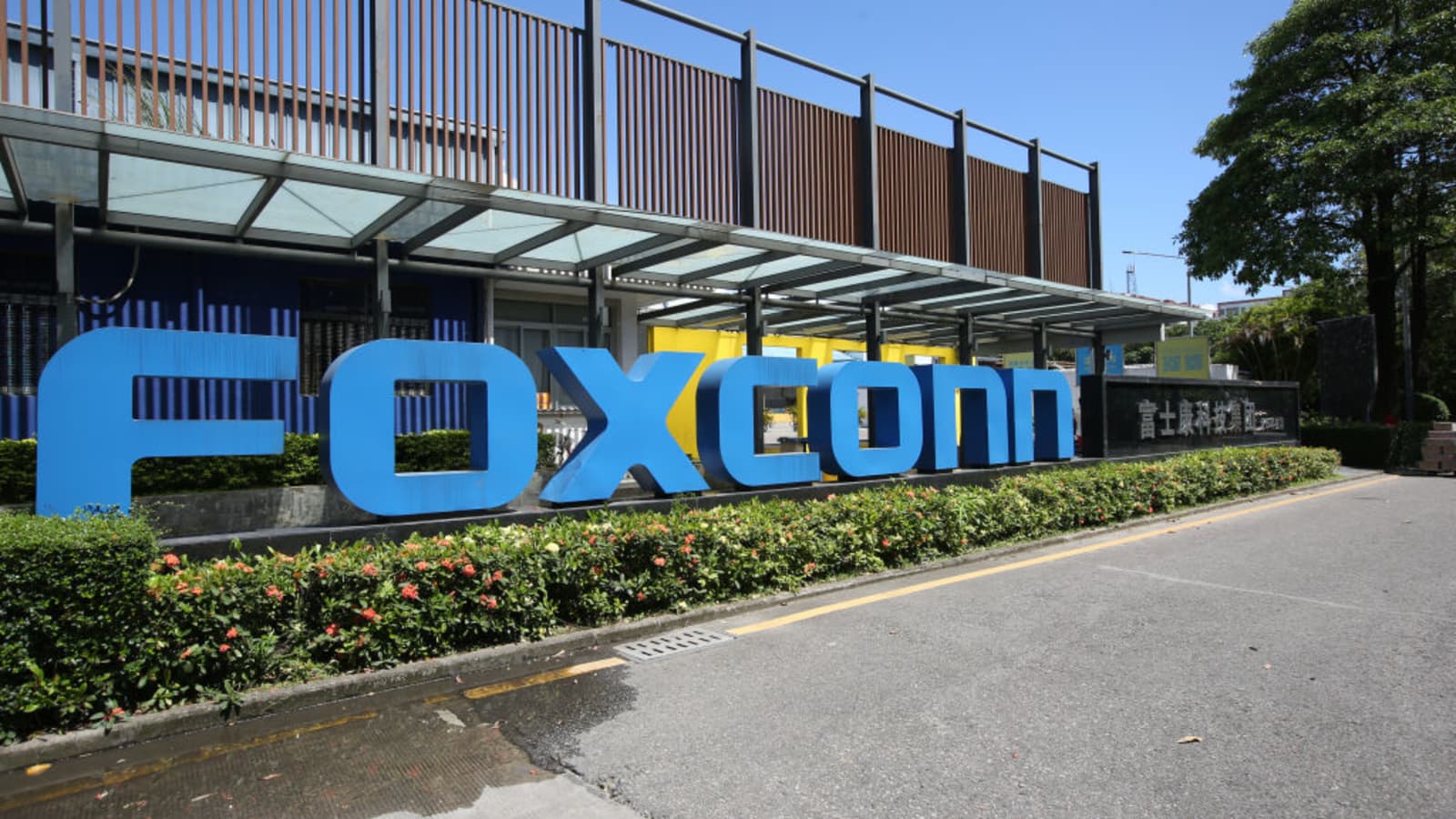
Foxconn, a major supplier to Apple, the computer behemoth, released a positive outlook for 2024 that calls for a sharp rise in sales. This optimistic forecast comes after a strong fourth-quarter performance that was fueled by an increase in the demand for AI servers.

Increase in Fourth-Quarter Profit

Apple Supplier Foxconn Sees Strong 2024 as Fourth Quarter beats Forecasts

Image Source: cnbc.com

An astounding 33% increase in net profit for the October–December period was revealed by Foxconn, amounting to T$53.14 billion ($1.69 billion). This represents a jump in fourth-quarter earnings. The firm attributes its success to the strong demand for AI servers and strong sales over the year-end Christmas season. This remarkable increase has surpassed market estimates.

High Need for AI Servers

Foxconn Chairman Young Liu underlined the company’s forecast of over 40% sales growth in this area for the year, highlighting the growing demand for AI servers. Foxconn hopes to benefit from the steady yearly growth that the AI server market is expected to have, matching or even exceeding industry projections for growth.

Strategies for Diversification and Expansion

Foxconn’s success may be attributed to its deliberate diversification into networking and cloud goods, as well as its foray into artificial intelligence (AI) servers, beyond its core industry of consumer electronics. Chief Financial Officer David Huang of the corporation stated that plans for increased capital expenditure growth in 2024 will be fueled by efforts to enter new markets including semiconductors and electric cars.

Caution Regarding First-Quarter Projections

Foxconn issued a warning stating that although it expects a successful year, first-quarter revenue is predicted to decrease when compared to the same period in the previous year. This drop is explained by the difficult market circumstances and the remarkable spike in sales that followed China’s lifting of its pandemic restrictions.

Apple's Influence

Foxconn’s great success is a result of its tight partnership with Apple, whose impressive smartphone sales results have had a favourable effect on Foxconn’s income streams. Nevertheless, Foxconn is still committed to growing its business outside of traditional consumer electronics, even in light of Apple’s recent success.

In conclusion, Foxconn’s optimistic 2024 view highlights its flexibility and resilience in negotiating changing market conditions. Foxconn wants to be at the top of the electronics industry by strategically focusing on AI servers and by being open to diversification and growth.

Vodafone Sell Italian Unit to Swisscom for a Hefty €8 Billion

Vodafone Sell Italian Unit to Swisscom for a Hefty €8 Billion

Milan, Italy – In a significant move reshaping the telecommunications landscape in Europe, Vodafone Group has announced the sale of its Italian operations to Swisscom, the Switzerland-based telecom giant, for an impressive sum of €8 billion. This strategic divestiture marks a pivotal moment for Vodafone, signifying its efforts to streamline operations and focus on core markets amid increasing competitive pressures.

A Strategic Shift for Vodafone

Vodafone Sell Italian Unit to Swisscom for a Hefty €8 Billion

Image Source: thetimes.co.uk

Vodafone’s decision to offload its Italian business comes as part of a broader strategy to revitalize its global operations. With the telecommunications industry facing rapid changes and stiff competition, Vodafone is looking to bolster its financial health and concentrate resources on markets where it holds a stronger competitive edge.

“This transaction is a testament to our strategic focus on creating value for our shareholders and ensuring the long-term sustainability of our business,” remarked Vodafone CEO, Nick Read. “We believe that Swisscom is the right owner for Vodafone Italy, given its strong commitment to infrastructure investment and excellent track record in delivering high-quality telecommunications services.”

Swisscom's European Expansion

For Swisscom, this acquisition represents a significant expansion of its footprint in Europe. Already a dominant player in the Swiss telecommunications market, Swisscom has been eyeing opportunities to broaden its presence across the continent. The acquisition of Vodafone Italy not only gives Swisscom access to one of Europe’s largest telecom markets but also aligns with its ambition to become a leading provider of digital services beyond Swiss borders.

Swisscom CEO, Urs Schaeppi, expressed enthusiasm about the acquisition: “Vodafone Italy is a perfect fit for Swisscom, complementing our existing operations and strategic vision. We are excited about the opportunity to serve Italian customers and invest in the digital future of Italy.”

Impact on the Italian Telecommunications Market

The sale of Vodafone Italy to Swisscom is expected to have a significant impact on the Italian telecommunications sector. Analysts predict that the entry of Swisscom could intensify competition, potentially leading to better services and pricing for consumers. Additionally, Swisscom’s commitment to infrastructure investment is likely to accelerate the rollout of next-generation networks, including 5G, across Italy.

Regulatory and Market Reactions

The transaction is subject to regulatory approvals, with both Vodafone and Swisscom expressing confidence in a smooth review process. Industry observers are closely watching how this deal will influence regulatory policies and market dynamics in the European telecommunications sector.

Shares of Vodafone saw a modest increase following the announcement, as investors responded positively to the company’s strategic refocusing efforts. Similarly, Swisscom’s stock reacted favorably, reflecting investor optimism about the company’s expansion strategy.

Looking Ahead

As Vodafone and Swisscom work towards completing the transaction, the focus now shifts to the integration of Vodafone Italy into Swisscom’s operations and the potential transformations in the Italian and broader European telecom markets. This deal not only highlights the dynamic nature of the telecommunications industry but also sets the stage for further consolidation and strategic realignments in the sector.

Evolv Withdraws Previous Claims on Testing AI Weapons Scanners in the UK

Evolv Withdraws Previous Claims on Testing AI Weapons Scanners in the UK

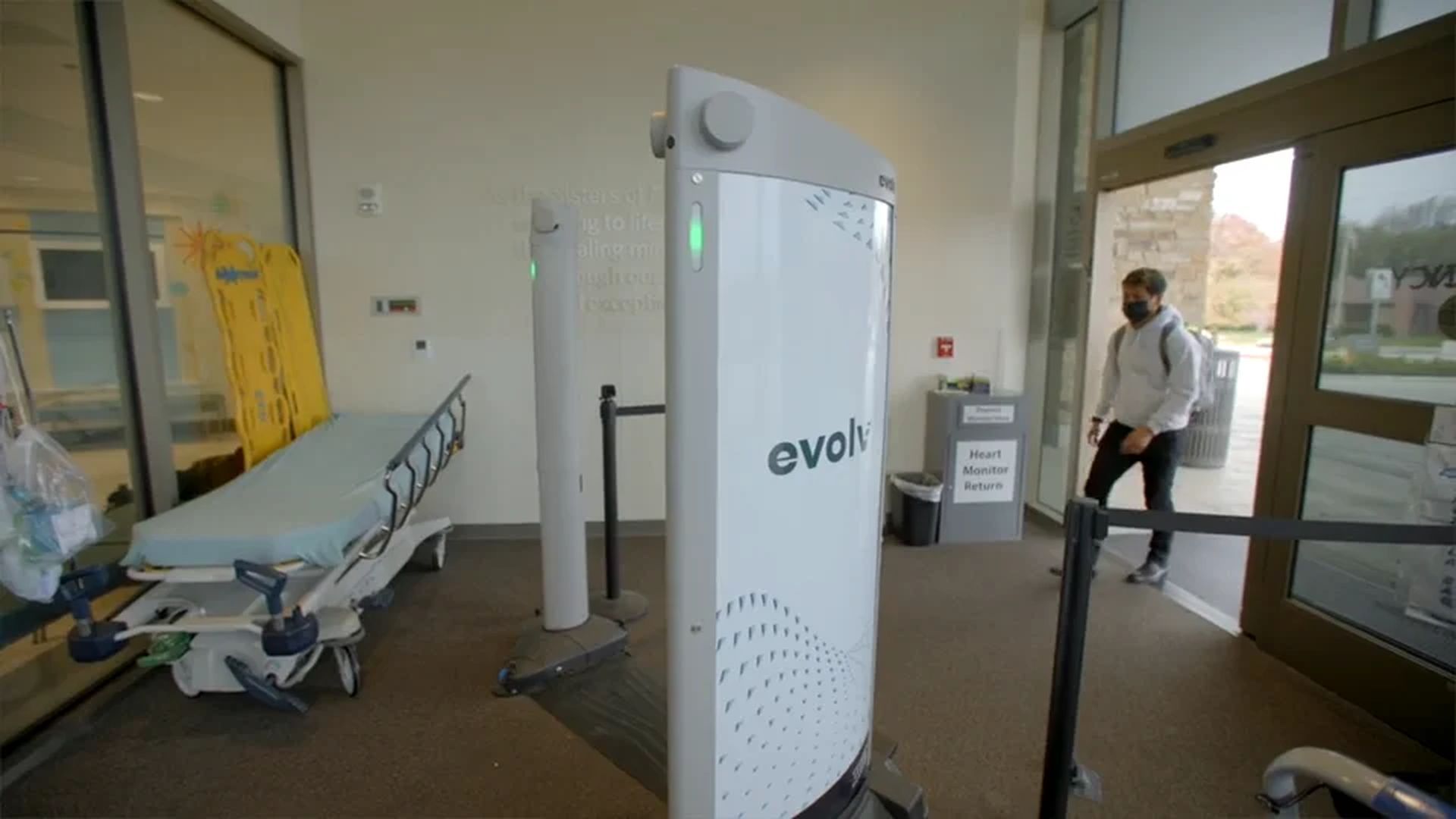
Evolv Technology, a leading provider of AI-driven weapons scanning solutions, has found itself in hot water over its claims regarding the testing of its technology by the UK government. The controversy has sparked concerns about the accuracy and reliability of Evolv’s scanners, which are designed to identify concealed firearms, knives, and explosives.

Claims and Backtracking

Evolv Withdraws Previous Claims on Testing AI Weapons Scanners in the UK

Image Source: dataconomy.com

Evolv Technology initially touted that its AI weapons scanner had undergone testing by the UK Government’s National Protective Security Authority (NPSA). However, upon closer scrutiny, it was revealed that the NPSA does not conduct such evaluations. In response to inquiries, Evolv admitted to misrepresentation and adjusted its claims, stating that an independent company had tested its technology against NPSA standards. Nonetheless, the UK-based testing firm, Metrix NDT, clarified that it did not validate Evolv’s system but rather assessed it against NPSA specifications without offering value judgments on its effectiveness.

Concerns and Criticism

The discrepancy in testing claims has raised concerns about the accuracy and efficacy of Evolv’s scanners. Critics argue that the technology’s shortcomings, particularly in detecting knives and explosives, undermine its reliability as a security solution. Moreover, questions linger regarding Evolv’s marketing practices and the transparency of information provided to customers. Prof. Marion Oswald, a former advisor to the government on data ethics, emphasized the need for rigorous scrutiny and potential regulation of companies making bold claims about their security technologies.

Evolv Technology has faced criticism for overstating the capabilities of its AI weapons scanners. Despite claims of detecting various types of weapons, including firearms and explosives, independent testing has revealed inconsistencies in the technology’s performance, particularly in detecting knives and certain types of bombs. The controversy surrounding Evolv’s testing claims underscores the importance of transparency and accountability in the development and marketing of security technologies.

Company Response and Revisions

Evolv Technology has responded to the backlash by amending its marketing materials and statements. The company acknowledged the need for clarity and accuracy in its communications, expressing regret for any confusion caused by previous claims. Evolv maintains its commitment to enhancing safety and security but faces ongoing scrutiny regarding the reliability of its AI weapons scanning technology.

The controversy surrounding Evolv’s testing claims highlights broader issues within the security industry, including the need for standardized testing protocols and greater transparency from technology providers. As the debate continues, stakeholders urge caution and diligence in evaluating the effectiveness of security solutions touted as revolutionary advancements in threat detection.

How Xiaomi Launched a Car in 3 Years While Apple is Still Trying After 10

How Xiaomi Launched a Car in 3 Years While Apple is Still Trying After 10

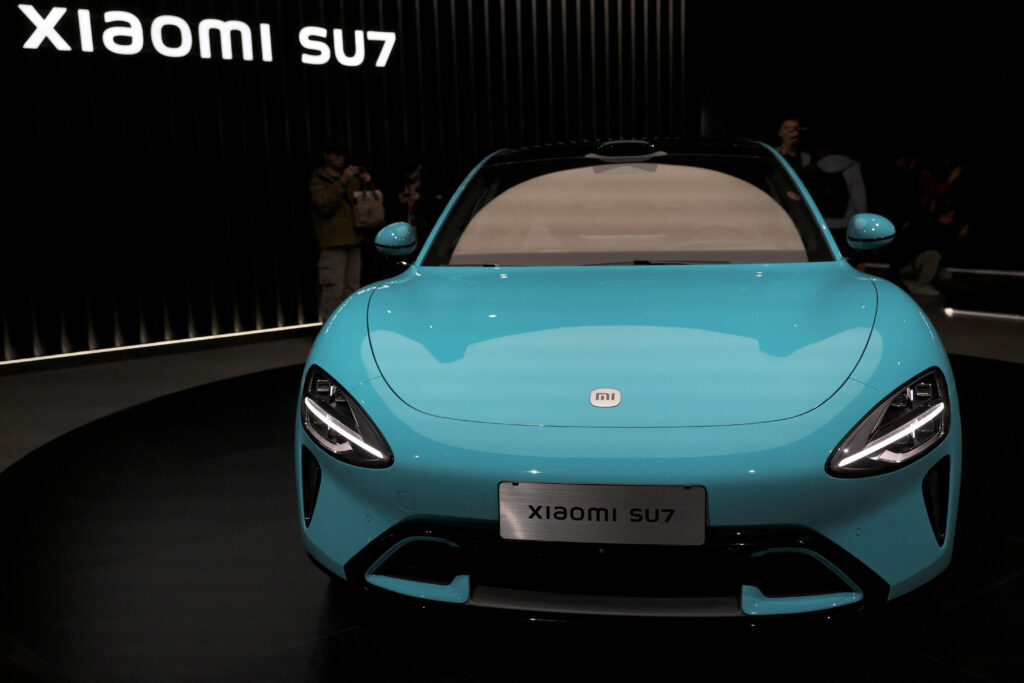
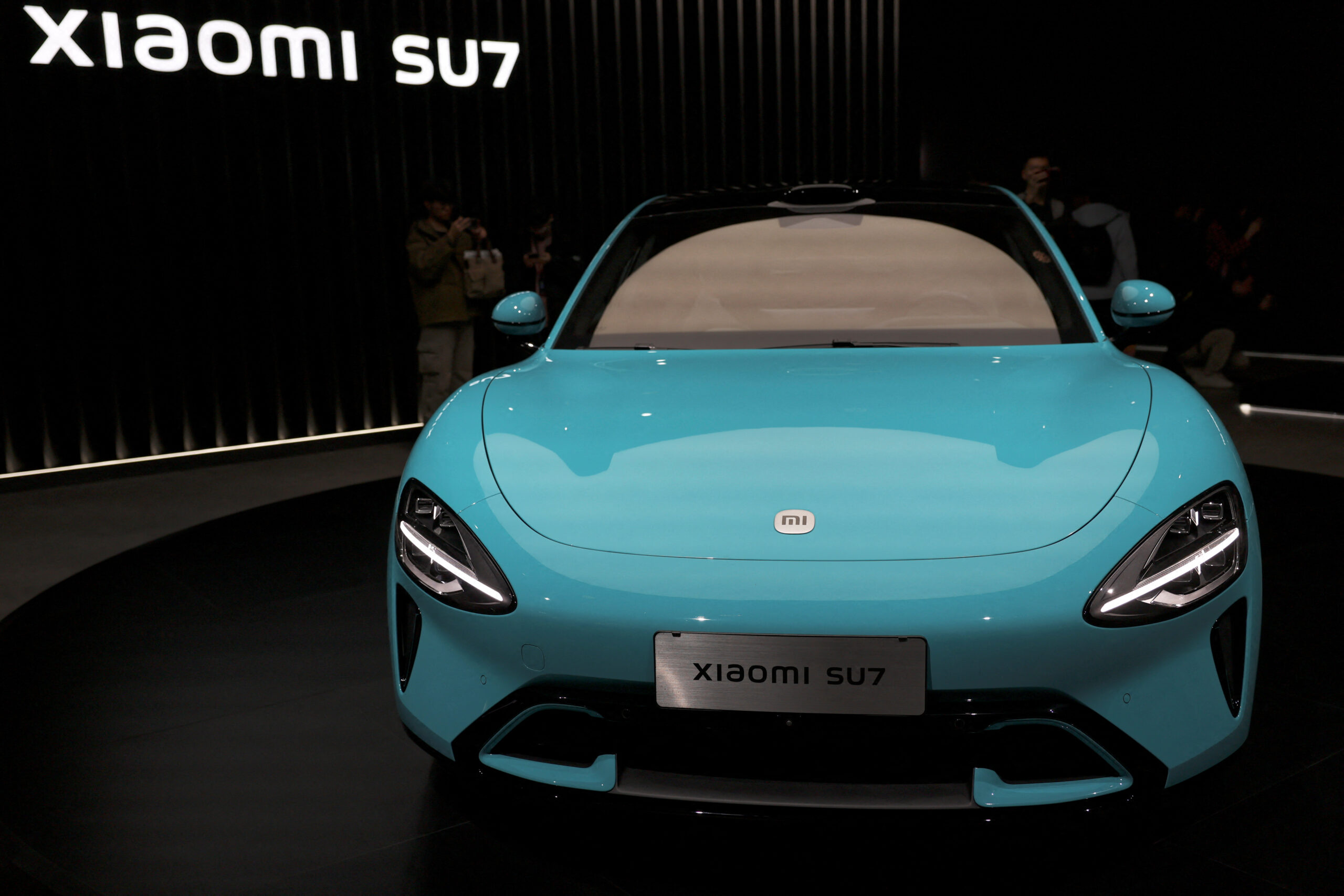
Xiaomi, one of Apple’s main rivals in China, is showing how to quickly make the switch from smartphones to electric automobiles, whereas Apple just said goodbye to its hopes for electric vehicles. Three years after entering the EV market, the Beijing-based IT giant said that it will introduce its first range of electric vehicles, the Speed Ultra 7 (SU7), on March 28 in around 30 Chinese cities.

The Outstanding Achievement of Lei Jun

How Xiaomi Launched a Car in 3 Years While Apple is Still Trying After 10

Image Source: reuters.com

This milestone is an amazing achievement for Xiaomi’s CEO and billionaire founder, Lei Jun. Lei’s will to be successful in the automotive sector is demonstrated by Xiaomi’s move into electric vehicles (EVs), which is a shift from the company’s typical consumer electronics business.

Xiaomi's Strategic Approach

To accelerate its entry into the market, Xiaomi took advantage of China’s pre-existing EV infrastructure, in contrast to Apple, which had several manufacturing issues and ultimately scrapped its EV project. With the help of the Beijing Automotive Group, Xiaomi was able to quickly secure a production permit, which allowed it to go forward with its ambitious aspirations to create some 200,000 electric vehicles (EVs) a year.

Navigating a Competitive Landscape

The Chinese EV industry is extremely competitive, with well-established firms such as Tesla and BYD leading the scene, despite Xiaomi’s quick rise. With the SU7, Xiaomi hopes to enter the luxury market, but it will have to contend with a decrease in the demand for EVs and growing pricing rivalry among manufacturers.

Thoughts on Apple's Journey

Growing manufacturing challenges and budgetary constraints finally caused Apple’s ten-year quest for an electric car to collapse. Apple found it difficult to defend the large yearly investment in its automobile programme, even after dedicating huge resources to the development of autonomous vehicles.

In summary, Xiaomi’s triumphant debut in the electric vehicle sector is evidence of its adaptability and astute alliances. Xiaomi’s rapid development highlights the dynamic nature of the tech sector and the potential for unorthodox companies to upend established industries, whereas Apple’s hopes for an electric vehicle have come to an end. As Xiaomi is ready to launch its electric cars, it represents an important turning point in the development of the business and offers an engaging story of creativity and adaptability in the automobile industry.

Geely-Backed Meizu Prepares for Public Debut, Targets $2 Billion IPO Value

Geely-Backed Meizu Prepares for Public Debut, Targets $2 Billion IPO Value

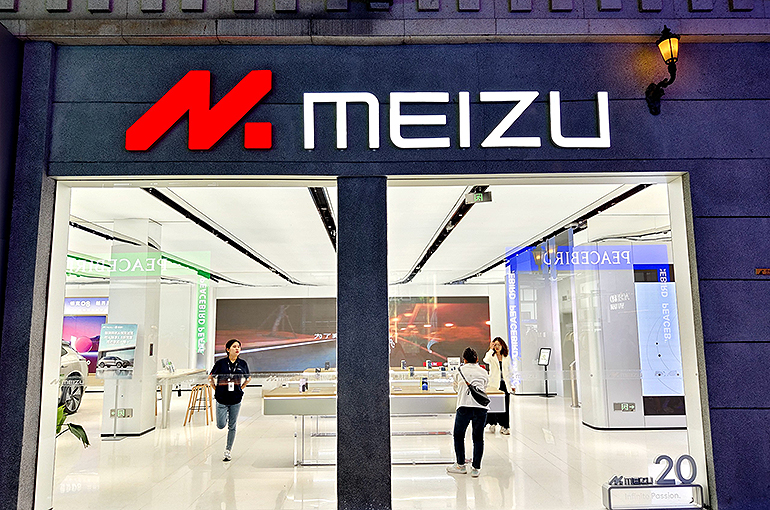
Ahead of its initial public offering (IPO) in Hong Kong, DreamSmart Group, the business that created the well-known smartphone brand Meizu, is getting ready. To aid the possible share sale, the firm, which last year turned its focus to creating artificial intelligence (AI) for mobile devices, has hired the services of Huatai Securities Co as well as CICC’s (China International Capital Corp). DreamSmart Group’s valuation from the IPO may exceed 15 billion yuan (RM9.8 billion) and maybe surpass 20 billion yuan, depending on the state of the market.

DreamSmart Group's History

Geely-Backed Meizu Prepares for Public Debut, Targets $2 Billion IPO Value

Image Source: yicaiglobal.com

Meizu was first established twenty years ago as an MP3 music player maker. It has since grown to be a major participant in China’s developing smartphone market, competing with industry titans such as Xiaomi Corp. The business faced fierce rivalry from rivals like Oppo and Huawei Technologies Co. despite its early success. But in 2022, Zhejiang Geely Holdings Group Co., a major player in the Chinese car industry, gave Meizu fresh support, indicating a strategic turn towards AI research in step with modern trends.

Riding the AI Wave

DreamSmart Group’s choice to enter the AI space is in line with the prevailing trend in the market, which rewards businesses that are at the forefront of this innovative field. Meizu hopes to benefit from the increased interest in AI-related equities among investors, which has seen a rise in interest from major players in the consumer electronics industry such as Samsung Electronics Co. and semiconductor makers like Nvidia Corp. The company’s entry into AI is in line with a larger trend in the industry, whereby IT companies are adding AI features to their products to improve functionality and customer experience.

Market Reaction and Outlook

Analysts are still upbeat about DreamSmart Group’s IPO prospects in spite of the recent turbulence in Chinese smartphone stocks. Andy Meng and other Morgan Stanley analysts have emphasised the appeal of Chinese smartphone equities, especially in the aftermath of the recent market correction. The specifics, such as the make-up of the bank lineup and the size of the offering, may change as the IPO talks progress. Nonetheless, investors are keeping a close eye on events in anticipation of possible investment opportunities, and the general tone around the IPO is still optimistic.

Conclusion

The choice made by DreamSmart Group to pursue an IPO represents a critical turning point in its development as a major force in the mobile technology industry. Zhejiang Geely Holdings Group Co.’s support and a renewed emphasis on AI research put Meizu in a strong position to capitalise on its advantages and grab market share in the quickly changing technology sector. The company’s readiness for its initial public offering (IPO) is a reflection of both its goals and the excitement of the larger market for innovation and technical development. DreamSmart Group may be able to strengthen its position in the cutthroat tech industry and spur additional development and innovation in the AI sector as a result of the IPO’s success.