Your Tech Story

Technology

Airbnb’s Visionary Impact on Travel and Hospitality

Airbnb’s Visionary Impact on Travel and Hospitality

Airbnb’s journey from a small startup to a global giant in the travel industry is nothing short of remarkable. Founded in 2008 by Brian Chesky, Joe Gebbia, and Nathan Blecharczyk, Airbnb began as a solution to a simple problem: the founders couldn’t afford their San Francisco rent. They decided to rent out air mattresses in their apartment to attendees of a local conference, offering breakfast along with a place to stay. This modest idea laid the foundation for what would become a revolutionary platform in the travel industry.

Disrupting Traditional Hospitality

Airbnb’s Visionary Impact on Travel and Hospitality

Image Source: reuters.com

Airbnb’s model was revolutionary in its simplicity. It allowed homeowners to rent out their homes or spare rooms to travelers, providing a unique and often more affordable alternative to traditional hotels. This peer-to-peer system not only created new income opportunities for hosts but also offered travelers a diverse range of accommodations, from treehouses to luxury villas. The platform capitalized on the growing trend of experiential travel, where people sought authentic, local experiences over cookie-cutter hotel stays.

Leveraging Technology for Seamless Experiences

One of the key factors behind Airbnb’s success is its innovative use of technology. The platform’s user-friendly interface makes it easy for hosts to list their properties and for guests to find accommodations that suit their preferences. Airbnb’s review system builds trust within the community, allowing guests to make informed decisions based on the experiences of previous travelers. The integration of secure payment systems and 24/7 customer support further enhances the user experience, making the process of booking and hosting smooth and reliable.

Airbnb’s ability to adapt to changing market dynamics has been crucial to its sustained success. For instance, during the COVID-19 pandemic, the company pivoted by promoting longer stays and “work from home” rentals, catering to those seeking safe and isolated environments away from crowded cities. Additionally, Airbnb has expanded its offerings to include “Experiences,” where hosts can offer unique activities such as guided tours, cooking classes, and cultural workshops, further diversifying the platform’s appeal.

Overcoming Challenges and Criticisms

Despite its success, Airbnb has faced numerous challenges, including regulatory hurdles and criticism regarding its impact on local housing markets. Cities around the world have implemented stricter regulations to address concerns about housing affordability and the impact on local communities. Airbnb has responded by working with governments to comply with regulations and promote responsible hosting practices, ensuring that its growth benefits both hosts and their communities.

Airbnb’s success story is a testament to the power of innovation and adaptability. By revolutionizing the way people travel and stay, Airbnb has not only disrupted the hospitality industry but also created a global community of travelers and hosts. As the travel industry continues to evolve, Airbnb is well-positioned to lead the way, continually redefining what it means to explore and experience the world.

Zhang Yiming: The Mastermind Behind TikTok

Zhang Yiming: The Mastermind Behind TikTok

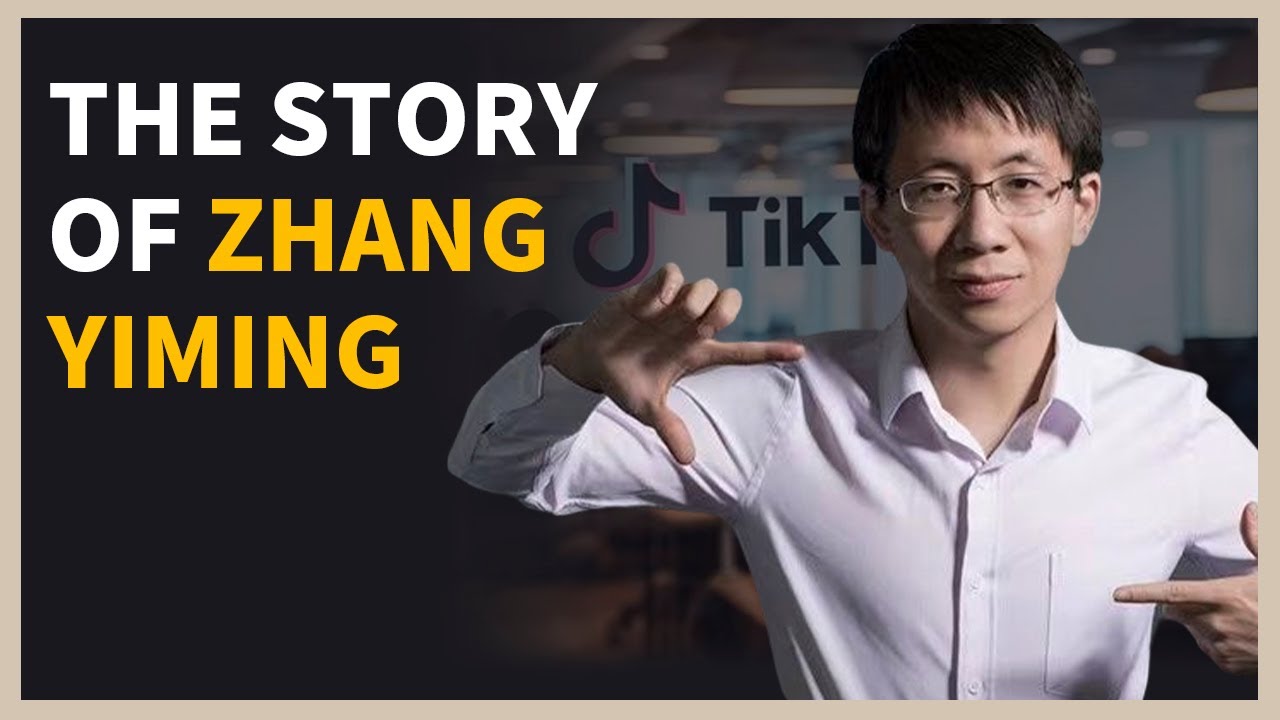
Zhang Yiming was born on April 1, 1983, in Longyan, a city in the southeastern province of Fujian, China. Growing up, Zhang demonstrated a keen interest in technology and innovation. His parents encouraged his curiosity, which led him to pursue computer science at Nankai University in Tianjin. During his time at university, Zhang’s interest in coding and software development deepened, laying the groundwork for his future entrepreneurial ventures.

Career Beginnings

Zhang Yiming: The Mastermind Behind TikTok

Image Source: youtube.com

After graduating in 2005, Zhang embarked on his professional journey by joining Kuxun, a travel booking startup, where he quickly ascended to the position of technical director. This early experience in the tech industry exposed him to the dynamic nature of internet businesses and the potential for growth in digital platforms. Zhang then moved to Microsoft, but his stint there was brief due to the restrictive corporate environment. Seeking more creative freedom, he returned to the startup world, working at Fanfou, a Twitter-like microblogging platform.

Founding ByteDance

In 2012, Zhang founded ByteDance with the vision of leveraging artificial intelligence to create content platforms that catered to individual user preferences. The company’s first product, Toutiao, a news aggregation app, used machine learning algorithms to deliver personalized news feeds to users. Toutiao’s success was a testament to Zhang’s innovative approach, rapidly gaining millions of users and becoming one of China’s most popular apps.

The Birth of TikTok

Building on the success of Toutiao, Zhang launched Douyin in China in 2016, a short-form video app that utilized similar AI technology to recommend content. Recognizing the potential for global expansion, ByteDance launched an international version of Douyin in 2017, rebranded as TikTok. TikTok quickly captivated audiences worldwide with its user-friendly interface, diverse content, and powerful recommendation algorithms.

TikTok’s rise was meteoric. By 2018, it was the most downloaded app in the United States, and by 2020, it had amassed over 2 billion downloads globally. The app’s success can be attributed to Zhang’s emphasis on innovation and user experience, as well as his strategic acquisitions, such as the purchase of Musical.ly, which expanded TikTok’s user base in the West.

Challenges and Controversies

Despite its success, TikTok faced numerous challenges, including scrutiny over data privacy and national security concerns. Zhang navigated these issues with strategic diplomacy, emphasizing transparency and compliance with local regulations. His leadership during these turbulent times showcased his resilience and commitment to maintaining TikTok’s integrity and user trust.

Legacy and Future Prospects

Zhang Yiming’s journey from a tech enthusiast in Fujian to the founder of a global digital phenomenon is a remarkable story of vision and perseverance. Under his leadership, ByteDance and TikTok have not only revolutionized content consumption but also set new standards for innovation in the tech industry. As Zhang steps back from day-to-day operations to focus on long-term strategy and innovation, his legacy as a pioneer in AI-driven content platforms continues to inspire the next generation of tech entrepreneurs.

Vanguard and TSMC Plans $7.8 Billion to Build Joint Chip Plant

Vanguard and TSMC Plans $7.8 Billion to Build Joint Chip Plant

Vanguard International Semiconductor, partially owned by Taiwan Semiconductor Manufacturing Co. (TSMC), and Dutch firm NXP Semiconductors announced plans to establish a $7.8 billion joint venture to build a semiconductor plant in Singapore. The venture aims to diversify their manufacturing capabilities amidst rising geopolitical tensions and to cater to the automotive, industrial, consumer, and mobile markets.

Vanguard and TSMC Plans $7.8 Billion to Build Joint Chip Plant

Image Source: fortune.com

The new facility marks a significant step for Vanguard, traditionally known for its 8-inch wafer fabs, as it will leverage TSMC’s advanced technologies to construct its first 12-inch fab. This development underscores the strategic shift of Taiwanese chipmakers to expand their geographic footprint. Construction of the plant is expected to commence in the second half of 2024, with production slated to begin in 2027.

Strategic Diversification Amidst Global Rivalries

The move by Vanguard and NXP highlights a broader trend among semiconductor companies to mitigate risks associated with the ongoing U.S.-China technological rivalry. With the potential for supply chain disruptions, Taiwanese firms, in particular, are accelerating their efforts to establish manufacturing bases beyond their home turf. Vanguard’s decision follows similar investments by other Taiwanese chipmakers, such as United Microelectronics Corp. (UMC), which recently announced a $5 billion microchip factory in Singapore.

NXP, a key supplier to the automotive industry, which constitutes more than half of its revenue, will benefit from the enhanced production capacity to meet the growing demand for automotive semiconductors. Vanguard will hold a 60% equity interest in the joint venture with a $2.4 billion investment, while NXP will contribute $1.6 billion for a 40% stake. Both companies have also pledged an additional $1.9 billion to support the facility’s long-term capacity infrastructure, with the remaining funds expected to come from third-party loans.

Global Race for Semiconductor Supremacy

The semiconductor sector, poised to surpass $1 trillion by the end of the decade according to International Business Strategies, is witnessing unprecedented investment levels as countries and companies strive for dominance. Taiwan’s TSMC, the world’s largest contract chip maker, has been at the forefront of this race, with significant investments in new plants in Japan and the U.S. Earlier this year, TSMC secured up to $6.6 billion from the U.S. government to aid its $65 billion investment in factories in Arizona.

This joint venture by Vanguard and NXP underscores the strategic imperatives driving the semiconductor industry, as firms seek to bolster their production capabilities and safeguard against geopolitical uncertainties. As construction begins in late 2024, the new Singapore plant will play a crucial role in shaping the future landscape of global semiconductor manufacturing.

Turkish Fintech Sipay Raises $15 Million in New Funding Round

Turkish Fintech Sipay Raises $15 Million in New Funding Round

In a recent Series A fundraising round, Sipay, a well-known fintech business based in Istanbul, Turkey, raised $15 million. The money will be used to advance product development and to expand both domestically and globally. Sipay was established in 2019 and provides a range of financial services, such as wallet services, offline and online payment options, and a flexible platform that can be tailored to the specific needs of its customers.

Anfa and Prestigious Investors are Leading the Investment

Turkish Fintech Sipay Raises $15 Million in New Funding Round

Image Source: linkedin.com

Anfa, a worldwide investment firm known for its enduring relationships with remarkable entrepreneurs, led the funding round. Distinguished angel investors included Ravish Naresh (Khatabook), Edward Lando (Pareto Holdings), Kunal Shah (CRED), Amrish Rau (Pine Labs), and Jitendra Gupta (Citrus Pay and Jupiter). Their participation demonstrates a high level of confidence in Sipay’s growth potential and strategic direction.

Quick Development and Market Awareness

With a stunning 10x year-over-year growth rate, Sipay has risen quickly in the fintech business and was named the fastest-growing fintech in Turkey by Deloitte. The company has been profitable since early 2023 and projects $300 million in run-rate sales for 2024. This shows that it has a strong business plan and strong operational efficiency in a field that is very competitive.

Entire Financial Solutions for a Variety of Clientele

Sipay’s broad clientele includes financial institutions, conventional industrial and retail enterprises, and technology frontrunners like Delivery Hero-acquired Hepsipay and Yemeksepeti. Sipay also caters to big multinational companies such as Trendyol, which is owned by Alibaba. This broad clientele has helped the business grow quickly in Turkey and established a strong basis for its aspirations on the global stage.

Dedicated to Innovation and Worldwide Growth

The recently obtained funding will support Sipay’s ongoing innovation and market expansion, strengthening its ability to satisfy the intricate requirements of its partners and customers throughout the world. The CEO and founder of Sipay, Nezih Sipahioğlu, said that their team’s hard work as well as dedication are evident. We are steadfast in our commitment to enabling people and companies globally to meet their needs by providing a single, all-inclusive platform with a variety of financial goods and services.

In Summary, Laying the Foundation for Future Success

With the completion of this large funding round, Sipay is well-positioned to carry out its aim of revolutionizing the financial services industry, providing cutting-edge solutions, and breaking into new international markets. The company is positioned as a strong competitor in the fintech sector, prepared to take on new challenges and possibilities, thanks to its dedication to innovation, customer-centric approach, and strong financial performance.

 
Laurence D. Fink: The Architect Behind BlackRock and the New Era of Investing

Laurence D. Fink: The Architect Behind BlackRock and the New Era of Investing

When discussing transformative figures in the financial world, the name Laurence D Fink stands out. As the co-founder, chairman, and CEO of BlackRock, the world’s largest asset manager, Fink has profoundly impacted the landscape of global investing. His journey from a humble background to the pinnacle of finance is a testament to vision, innovation, and leadership.

Early Life and Career

Laurence D. Fink: The Architect Behind BlackRock and the New Era of Investing

Image Source: fortune.com

Laurence Douglas Fink was born in 1952 in Los Angeles, California. He attended UCLA, earning a BA in Political Science in 1974 and an MBA in Real Estate in 1976. Fink’s early career began at First Boston, an investment bank, where he quickly rose through the ranks. He became a pioneer in mortgage-backed securities, a novel concept at the time. However, a significant miscalculation in interest rates in 1986 led to a substantial loss, an event that profoundly shaped his future approach to risk management and financial oversight.

Founding of BlackRock

In 1988, driven by a desire to create a company with a robust risk management ethos, Fink co-founded BlackRock alongside seven partners. Initially, the firm was a part of Blackstone Group, another financial giant, but it separated in 1994. BlackRock’s focus was on providing institutional clients with fixed-income products, an area where Fink’s expertise in mortgage-backed securities proved invaluable. The company’s reputation for risk management and its innovative approach to asset management soon garnered attention.

Growth and Innovation

Under Fink’s leadership, BlackRock experienced exponential growth. The firm expanded its services beyond fixed income, entering equities, multi-asset classes, and alternative investments. A pivotal moment came in 2009, during the aftermath of the financial crisis, when BlackRock acquired Barclays Global Investors, including its revolutionary iShares ETF platform. This acquisition cemented BlackRock’s status as a dominant player in the asset management industry. By 2024, BlackRock managed over $9 trillion in assets, making it the largest asset manager globally.

Laurence Fink’s influence extends beyond BlackRock’s growth. He has been a vocal advocate for sustainable investing, emphasizing the importance of environmental, social, and governance (ESG) factors. His annual letters to CEOs have urged companies to adopt sustainable practices, arguing that such strategies are essential for long-term profitability and societal well-being. Fink’s advocacy has helped shift the investment community’s focus towards sustainability, making ESG considerations a mainstream element of investment decision-making.

Legacy and Impact

Laurence Fink’s legacy is multifaceted. He has not only built a financial behemoth but also transformed how the world views investing. His commitment to risk management, innovation, and sustainability has set new standards in the industry. As BlackRock continues to influence global markets, Fink’s vision and leadership remain central to its ongoing success.

In conclusion, Laurence D Fink’s journey from a young banker to the leader of BlackRock encapsulates the essence of transformative leadership. His ability to navigate financial turmoil, drive innovation, and champion sustainable investing marks him as a pivotal figure in modern finance.

The Secrets of Larry Ellison's Success

The Secrets of Larry Ellison’s Success

Larry Ellison, the co-founder of Oracle Corporation, is one of the most successful and influential figures in the tech industry. His journey from a modest upbringing to becoming one of the wealthiest individuals in the world is filled with lessons and insights. Let’s delve into the key factors that contributed to his monumental success.

Vision and Innovation

The Secrets of Larry Ellison's Success

Image Source: motivationdrive.com

Ellison’s success is rooted in his extraordinary vision and innovative mindset. In 1977, when Ellison co-founded Oracle, he recognized the untapped potential of relational database systems. This foresight allowed Oracle to become a pioneering force in the industry. Ellison’s ability to anticipate technological trends and adapt quickly kept Oracle ahead of its competitors.

Resilience and Tenacity

Ellison’s path to success was far from smooth. He faced numerous setbacks and challenges, from financial difficulties in Oracle’s early years to intense competition from tech giants like IBM and Microsoft. However, his resilience and tenacity were unwavering. Ellison’s refusal to give up, even in the face of adversity, played a crucial role in Oracle’s rise to prominence.

Strategic Acquisitions

One of Ellison’s key strategies was his aggressive approach to acquisitions. He understood that to stay ahead in the tech industry, Oracle needed to expand its capabilities and market reach. Over the years, Oracle acquired several companies, including PeopleSoft, Siebel Systems, and Sun Microsystems. These acquisitions not only diversified Oracle’s product portfolio but also eliminated competition and solidified its market position.

Leadership and Visionary Management

Ellison’s leadership style is often described as bold and unconventional. He is known for his hands-on approach and his ability to make tough decisions swiftly. Ellison’s leadership extended beyond mere management; he was a visionary who inspired his team to think big and take risks. His relentless pursuit of excellence and innovation set the tone for Oracle’s corporate culture.

Risk-Taking and Bold Decisions

Ellison’s willingness to take risks and make bold decisions set him apart from many of his peers. Whether it was betting on a nascent technology or making a high-stakes acquisition, Ellison’s bold moves often paid off handsomely. This risk-taking attitude, combined with his deep understanding of technology and business, enabled him to navigate Oracle through various industry shifts and challenges.

Commitment to Excellence

Ellison’s commitment to excellence is evident in Oracle’s products and services. He always emphasized the importance of quality and performance, ensuring that Oracle’s offerings were top-notch. This relentless pursuit of excellence helped Oracle build a reputation for reliability and innovation, attracting a loyal customer base.

Larry Ellison’s success is a testament to his visionary thinking, resilience, strategic acumen, and bold leadership. By understanding and applying these principles, aspiring entrepreneurs and business leaders can glean valuable lessons from Ellison’s remarkable journey. His story is not just one of personal triumph but also a source of inspiration for anyone looking to make a significant impact in the world of technology.