Your Tech Story

Technology

The David Tepper Story: From Rags to Riches

David Tepper’s Journey: From Humble Beginnings to Billionaire Status

The incredible story of David Tepper’s rise from poverty as a child in Pittsburgh, Pennsylvania, to one of the richest people on the planet is one of perseverance, talent, and calculated risk-taking. Tepper was motivated from an early age to overcome his difficulties and succeed financially.

Early Childhood and Schooling

The David Tepper Story: From Rags to Riches

Image Source: fansided.com

Tepper’s extraordinary arithmetic prowess and intense interest in trading laid the groundwork for his eventual ascent to wealth. He began trading options while attending college in order to cover his tuition. Tepper successfully used his profits to finance his studies by spotting flaws in the options market early on and taking advantage of them. He was first exposed to the junk bond market while working in Republic Steel’s treasury department after receiving his MBA from Carnegie Mellon University.

Developing a Financial Credibility

Tepper was hired by Goldman Sachs shortly after he showed skill in junk bond trading. Tepper made money by shorting the market during the 1987 Black Monday stock market meltdown, whereas the majority of traders lost a great deal of money. Tepper was rejected for a partnership at Goldman Sachs despite his achievements, which led him to make risky decisions with his own money.

Appaloosa Management's Founding

After quitting Goldman Sachs in the year 1993, Tepper founded Appaloosa Management with a total of $7 million of his personal funds as well as 57 million dollars acquired through contacts. Tepper prospered in his new business, relishing the autonomy and power it offered. His approach to investing was centred on deep value, where he looked for cheap assets but had room to grow.

Important Finances and Achievements

When Tepper made an investment in Argentine bonds in 1995, just before the nation’s economy began to revive, Appaloosa saw a thirty percent return. This was one of Tepper’s first noteworthy triumphs. Tepper showed tenacity despite failures, such as the $80 million decline in Russian bonds in 1998. After the default, he repurchased Russian bonds for a small portion of their original value, eventually earning a 61% profit.

Taking the Financial Crises by Storm

Tepper’s strategic intelligence was evident during the financial crisis of 2008. He found substantial discounted chances in the market despite a brief 28% drop. At deeply discounted rates, Tepper purchased troubled debt from AIG, Bank of America, and Citigroup, realising extraordinary profits of up to 330% on these deals. Appaloosa earned approximately $7 billion in the year 2009 by investing in economically challenged stocks and profited from the subsequent market comeback.

How to Become a Billionaire

David Tepper was the driving force behind Appaloosa Management’s remarkable success because of his ability to spot and seize cheap assets constantly. Since its founding, the hedge fund has generated net gains for its investors of $30.70 billion, averaging over twenty-five percent yearly returns. Tepper became a billionaire by his share of profits and management fees; as of 2022, his net worth stood at $18.5 billion.

An Astute Investor

Tepper’s investment approach is based on a number of fundamental ideas, including the need to constantly maintain a wide margin of safety in his holdings, stay away from leverage in order to reduce risk and concentrate on figuring out why an asset is cheap. In an effort to purchase assets that are significantly oversold and likely to return to their true value, he searches for news events and catalysts to schedule his purchases and exits.

 
Command Zero Emerges with $21 Million Funding to Transform Cyber Investigations

Command Zero Emerges with $21 Million Funding to Transform Cyber Investigations

Command Zero, the industry’s first autonomous and user-led cyber investigation platform, has emerged from stealth mode today, securing $21 million in seed funding. This significant investment round was led by Andreessen Horowitz, with contributions from Insight Partners and over 60 prominent figures and executives within the cybersecurity sector. Command Zero aims to address one of the most pressing challenges in security operations: the bottleneck caused by manual investigations.

Command Zero Emerges with $21 Million Funding to Transform Cyber Investigations

Image Source: cmdzero.io

Despite substantial investments in cybersecurity, adversaries often outpace organizations in adopting innovative strategies. As a result, defenders find themselves struggling with the basics in complex enterprise environments. While automation has improved detection and triage capabilities, the necessity for tedious manual investigations of escalated cases remains a significant hurdle. This task, typically handled by tier-2 and tier-3 analysts, is becoming increasingly unmanageable, often leading to resource exhaustion or the need to hire third-party remediation firms.

Command Zero seeks to transform this process by integrating encoded expert knowledge, automation, and advanced Language Learning Models (LLMs). The platform combines expert investigative questions with autonomous and user-led methods on a federated data model. This enables analysts to ask technology-independent questions across all universal data sources in modern enterprises. The result is a faster, more accurate, and consistent investigation process.

Harnessing Human Intelligence and Machine Efficiency

The true innovation of Command Zero lies in its ability to augment human investigators with machine efficiency. While human intelligence and creativity are irreplaceable in cyber investigations, machines excel at handling repetitive tasks and processing vast amounts of data quickly. Command Zero leverages these strengths by using automation and LLMs to support human investigators.

During an investigation, each question and response is analyzed in the context of the broader investigation and the specific organization. This approach removes much of the laborious work from security operations teams, allowing analysts to better interpret data responses. Moreover, this system guides users on which questions to ask, how to interpret answers, and how to build comprehensive narratives of incidents. The platform also generates timelines and detailed reports, saving valuable time for analysts.

Founded by a seasoned leadership team with extensive experience in security operations and incident response, Command Zero offers a consistent, efficient, and scalable path for investigations and threat hunting. The co-founders, Dov Yoran, Dean De Beer, and Alfred Huger, have led seven successful cybersecurity acquisitions, including exits to major companies like Symantec, McAfee, Sourcefire, Cisco, and IBM.

“Running escalations to ground truth has always been the biggest challenge in cyber,” said Dov Yoran, co-founder and CEO. “Command Zero removes technology expertise barriers, dramatically reduces repetitive manual work, and speeds up investigations. Improving institutional knowledge, automation, and consistent outcomes are transforming how organizations run threat hunting and investigations at scale.”

About Command Zero

Command Zero is headquartered in Austin, TX, with additional presence in Calgary, Alberta, Canada. The company is composed of accomplished cyber experts focused on revolutionizing cyber investigations. With its innovative platform, Command Zero aims to enable all users, regardless of their technical expertise, to perform at the highest level in conducting consistent, repeatable, and auditable investigations with automated reporting.

Apple Vision Pro Struggling to Reach 500,000 Sales This Year, IDC Analysis

Apple Vision Pro Struggling to Reach 500,000 Sales This Year, IDC Analysis

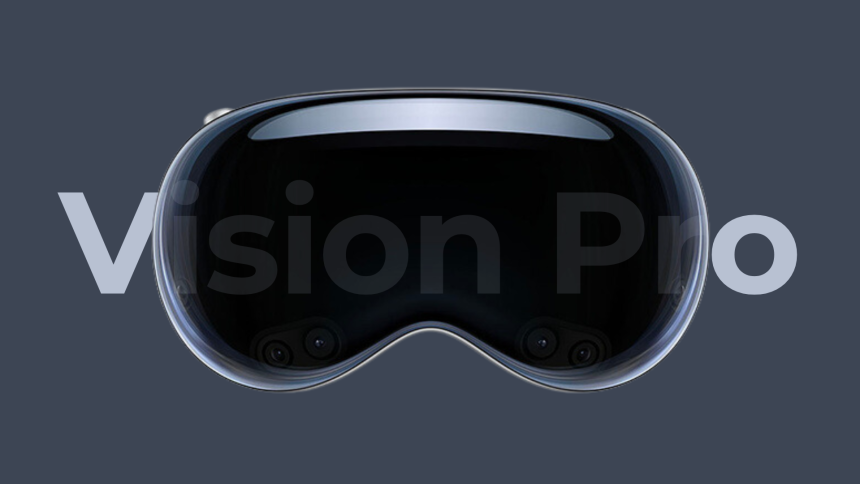
Apple’s three thousand and fifty dollars Vision Pro mixed-reality headset, which debuted in the United States in February, has had trouble finding momentum in the marketplace. According to market research firm IDC, the device is still without sales of a million units in any quarter since it was released and is expected to have a 75 percent decline in local sales during the current quarter.

International Debut and Future Prospects

Apple Vision Pro Struggling to Reach 500,000 Sales This Year, IDC Analysis

Image Source: superchargednews.com

The global debut of the Vision Pro at the last of June is expected to compensate for some of the dismal local results. According to IDC, a cheaper version of the headgear, anticipated to cost nearly half as much as the present model, might revive interest by 2025. However, major revenue growth is not envisaged in the near future.

According to Francisco Jeronimo who is the vice president at IDC, the availability of content is crucial for Vision Pro’s victory, irrespective of the price. As Apple launches the Vision Pro in various countries, delivering country-specific material will be key to its success.

Mixed Reception

The Vision Pro has garnered mixed feedback from initial consumers and critics. While its superior technology has received acclaim, a few of Apple’s most loyal consumers have already returned the gadget. Criticism involves its weight and the lack of specialized apps as well as video content. These concerns have given rise to Vision Pro’s absence of influence on Apple’s quarterly profitability since its introduction.

Strategic Adjustments

The poor results have forced Apple to reevaluate its strategy. The organization is now preparing to develop a less costly variant of the Vision Pro. According to IDC’s Jeronimo, this more cheap model will more than quadruple purchases when it becomes accessible during the second half of next year.

Conclusion

Despite its unique technological advances, the Vision Pro’s high cost and lack of content have hampered market growth. Apple’s decision to introduce a lower-cost model and expand into overseas markets represents a strategy shift with the goal of boosting sales. Nevertheless, the headset’s ultimate achievement will be determined by its ability to deliver appealing content and match user expectations.

Samsung Workers Announce Indefinite Strike, Threatening Global Tech Supply

Samsung Workers Announce Indefinite Strike, Threatening Global Tech Supply

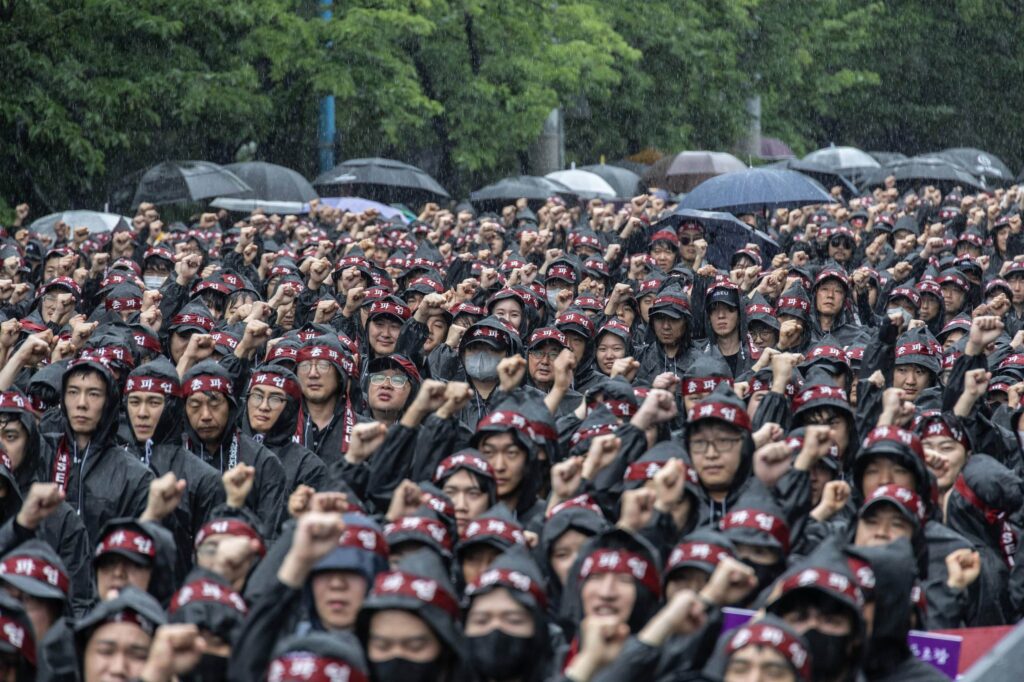
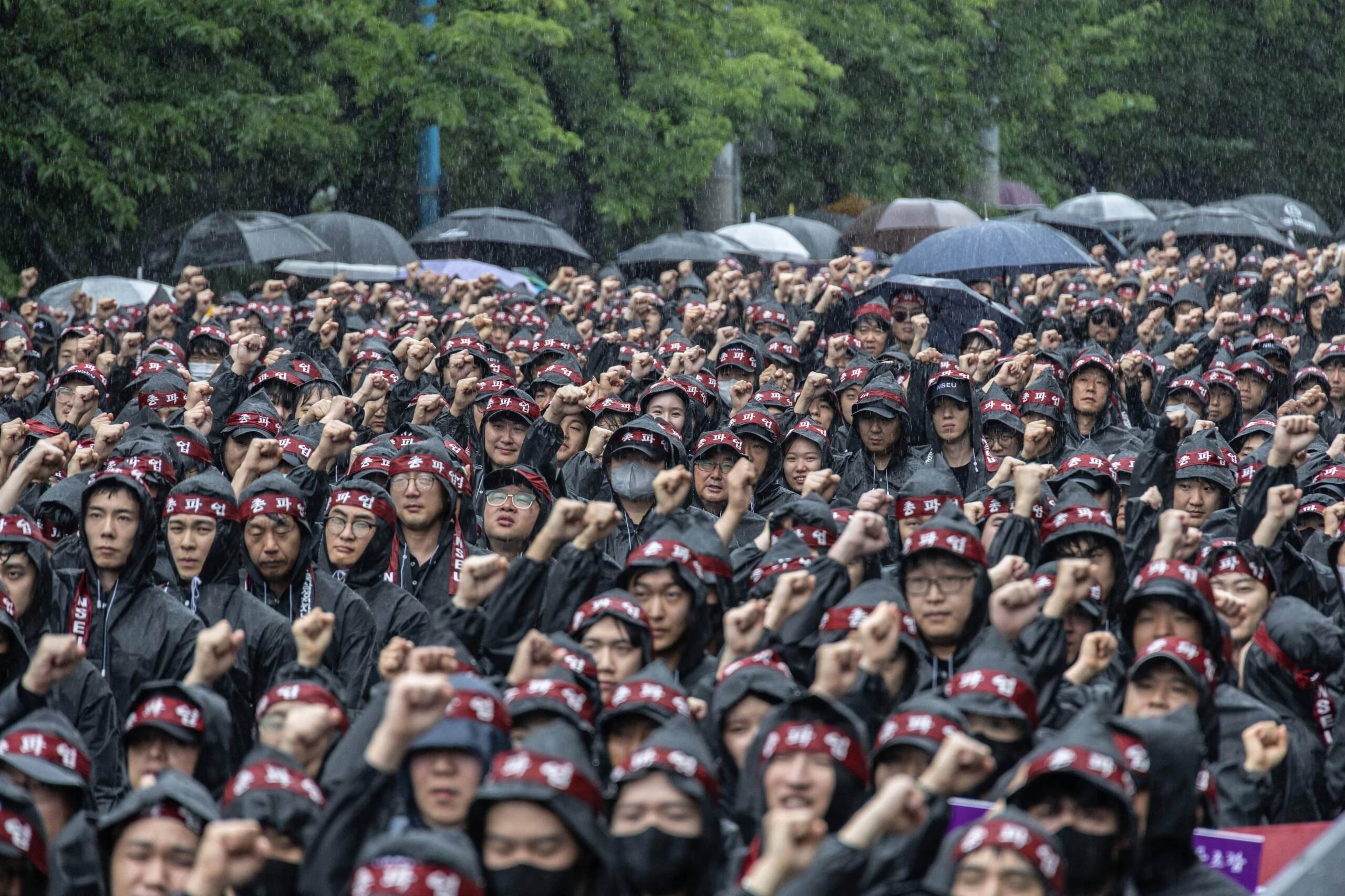
Samsung Electronics Co.’s largest labour union, comprising more than 30,000 workers, has declared an indefinite strike, raising concerns over potential production disruptions at the world’s leading memory chipmaker. This surprise move intensifies the ongoing dispute with South Korea’s largest company. The situation escalated after thousands of workers held rallies outside Samsung’s chipmaking complexes south of Seoul earlier this week. Originally intended as a three-day walkout to demand better pay, the strike has now become the most significant organized labour action in Samsung’s half-century history. The total number of participants responding to the union’s call remains unclear, but there are concerns that the action could snowball, affecting Samsung and potentially prompting similar responses across the recovering tech and chip industry.

Samsung Workers Announce Indefinite Strike, Threatening Global Tech Supply

Image Source: business-standard.com

“Management has no intention of dialogue,” the union stated on its website. “We have clearly identified line production disruptions, and the company will regret this decision.” The union plans to initially target a smaller 8-inch production facility that relies heavily on human workers, before moving on to high-bandwidth memory production in Pyeongtaek. “Management will eventually relent and come to the negotiating table,” the union asserted.

Impact on Samsung and the Tech Industry

The strike has already impacted the financial markets, with shares of Samsung dipping 0.3% in Seoul on Wednesday. Suppliers such as Wonik IPS Co., TES Co., and Soulbrain Holdings Co. also saw their stocks decline. Despite Samsung’s largely automated production processes, the company faces significant risks if any manufacturing disruptions occur in the coming weeks. Currently, Samsung is trying to secure Nvidia Corp. as a client for its high-bandwidth memory, a crucial step in catching up to smaller rival SK Hynix Inc. in the rapidly growing AI sector. “Samsung will ensure no disruptions occur in production lines,” the company said in a statement, emphasizing its commitment to engaging in good faith negotiations with the union.

The strike occurs amid a global semiconductor supply chain grappling with heightened US-China tech rivalry and other geopolitical challenges. Samsung holds a substantial share of the market, accounting for roughly 20% of global DRAM and about 40% of NAND flash used in smartphones and servers. Analysts note that investors remain largely unfazed by the strike, focusing instead on how quickly Samsung can secure Nvidia’s approval to supply HBM. “The market has little interest in the strike,” said Lee Seung-woo, head of Eugene Investment & Securities’ research center. He added that it is difficult to assess the strike’s impact on earnings, as any production disruption might drive up chip prices.

The workers’ demands follow Samsung’s recent 15-fold surge in operating profit for the June quarter, reflecting.

TSMC Sales Rise Ahead of Expectations on AI Infrastructure Boom

TSMC Sales Rise Ahead of Expectations on AI Infrastructure Boom

The only source of the most cutting-edge processors for Nvidia Corp. as well as Apple Inc., Taiwan Semiconductor Manufacturing Company (TSMC) announced an impressive NT$207.9 billion ($6.4 billion) in revenue for June. With an astounding amount, the June quarter had a 40 percent growth, reaching NT$673.5 billion, over the average estimate of a 35.5 percent increase.

Taking the AI Wave by Storm

TSMC Sales Rise Ahead of Expectations on AI Infrastructure Boom

Image Source: bnnbloomberg.ca

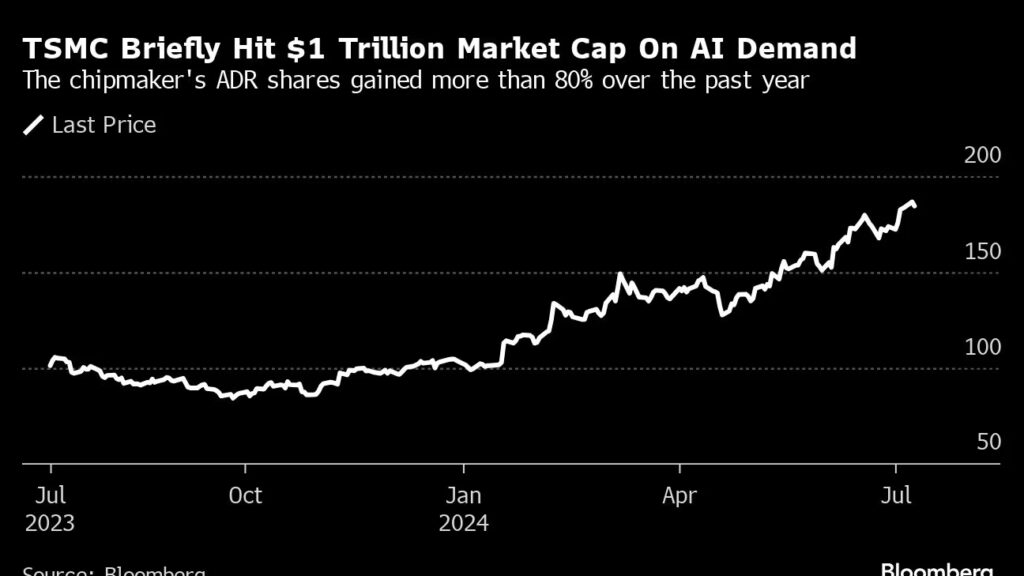
This spike in sales comes after TSMC’s $1 trillion market valuation was momentarily attained due to significant investments in data centres and devices connected to artificial intelligence (AI). Companies all over the world are scrambling to get hardware, such as Nvidia chips, to support their AI infrastructure. Wall Street brokerages have raised their price forecasts for TSMC in response to the increasing demand, presumably because they expect price increases in 2025 that would further boost earnings.

The slow sales of smartphones, which are just now starting to pick up steam, have been offset by the orders for artificial intelligence (AI) chips. The fact that Apple continues to be TSMC’s biggest client shows how important the business is to the tech giant’s entire supply chain.

Effect on the Index Taiex

Despite continuous global conflicts between the United States and China, the outstanding performance of TSMC along with other AI-related firms has greatly lifted Taiwan’s flagship Taiex Index by more than forty percent in the previous year. Broader market concerns have been eclipsed by the exponential growth in AI infrastructure investment, indicating the industry’s strong potential.

Intelligence Insights from Bloomberg

Bloomberg Intelligence reports that the higher-than-expected consumer interest in CoWoS advanced packaging was the reason behind TSMC’s second-quarter revenues exceeding projections. This spike in sales will probably lead to a beat in results because it will somewhat offset the margin dilution from the 3nm ramp-up.

Given the robust demand for its 3nm as well as CoWoS packaging technologies, TSMC’s capability to negotiate pricing hikes will be a major topic of discussion at the next earnings call.

Concerns about Valuation

Even while TSMC’s future looks promising, Nvidia’s valuation is starting to raise questions. Recently, an analyst at New Street Research downgraded Nvidia’s shares, stating that it is approaching “full value.” Following an almost 240 percent increase in 2023, Nvidia’s stocks have surged 165 percent this year, prompting concerns about the durability of its sharp rise.

In summary

The artificial intelligence infrastructure boom is driving TSMC’s sales spike, which highlights the increasing significance of sophisticated chip technologies in enabling the forthcoming wave of technology breakthroughs.

Elon Musk's X Struggles with User Growth as the rise of Meta threads

Elon Musk’s X Struggles with User Growth as the rise of Meta Threads

The number of users on X, previously referred to as Twitter, has significantly slowed down after Elon Musk purchased the company for forty-four billion dollars in the middle of 2022. X’s daily rise in active users has dropped to less than two percent in 2024, from an average yearly increase of 30 percent in 2020. X’s daily active user growth over the previous year was barely 1.6 percent, according to new information from the Financial Times, reducing the total to about 251 million daily active users.

App Downloads: Threads vs. X

Elon Musk's X Struggles with User Growth as the rise of Meta threads

Image Source: ft.com

The slowdown in the number of users is reflected in the downloads of X’s apps. AppFigures data indicates that although Meta’s Threads has enjoyed a solid 250,000 to 300,000 daily iOS downloads, X’s per day downloads have remained around 100,000. With 51 million downloads this year, Threads has more than doubled X’s total number of iOS downloads (20 million). On Android, a similar trend can be seen: Threads has received 87 million downloads, almost twice as many as X, with 45 million.

Comparison of Web Traffic

Even with its slow app downloads, X still gets a lot of traffic from web browsers. X surpassed Threads with over 2 billion monthly visitors, according to SimilarWeb data, with 51.5 million monthly visits. Since that Threads is a platform that has only lately begun to expand its online functionality, this discrepancy could be explained by the app-centric design of the platform.

User Interaction

According to Threads, there are 175 million active users each month; Sensor Tower calculates that number to be roughly 38 million users each day. This implies that the user base of X may be more engaged than that of Threads, where users may interact more regularly. The fact that Threads may be attracting more people away from X as it expands suggests that the user bases of the two platforms may not completely overlap.

In conclusion, Musk’s social media endeavor faces a huge hurdle since, despite maintaining a sizable amount of web traffic, X’s declining user growth and app download rates contrast significantly with Meta’s Threads’ quick development.