Your Tech Story

tech story

Mark Cuban

Success Story of Mark Cuban: From Paper Boy to Billionaire Shark

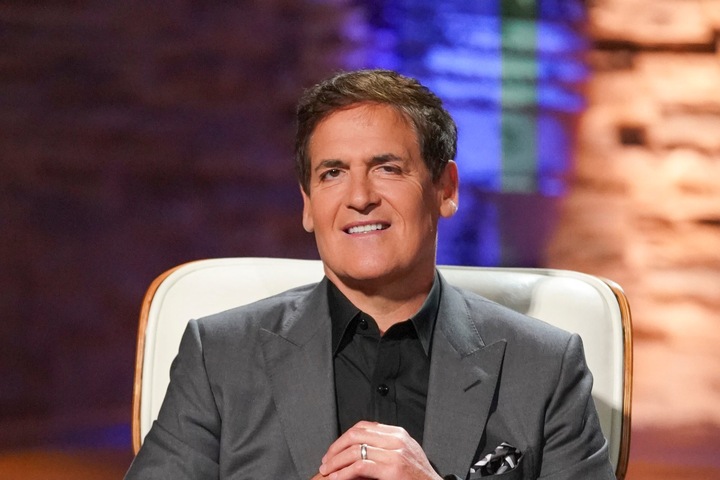
Mark Cuban Is an American media mogul, television personality, and billionaire entrepreneur whose net worth is estimated to be $4.8 billion. He is the co-owner of 2929 Entertainment and the owner of the Dallas Mavericks, a professional basketball franchise in the NBA. Additionally, he is a significant “shark” investor on the reality program Shark Tank in the USA.

Mark Cuban
Image Source: entrepreneur.com

Early Life

When one comes across the name Mark Cuban, one immediately envisions success and large sums of money. But the Dallas Mavericks owner’s life wasn’t always simple. Mark was brought up in Pittsburgh, Pennsylvania, and hails from a working family that wasn’t always optimistic about this budding businessman.

His mother, worried about his future even at an early age, suggested he should learn to install carpets. Cuban has long since proven his mother incorrect. However, his hustler mentality has remained constant over the years.

Failure and Success

Each of Mark Cuban’s failures taught him several valuable lessons. Cuban got the chance to make an investment in Uber in its early stages. However, he failed as a result of his investment in Red Swoosh, an earlier venture by Uber founder Travis Kalanick. When he was 22, Cuban returned to his home city and accepted a position at Mellon Bank.

But he left even this, he said in a column for Forbes in 2013, since he didn’t like the CEO. Then Cuban relocated to Texas and made an unsuccessful attempt to launch a company selling powdered milk. After that, Cuban was hired as a salesperson by the tech firm Your Business Software, however, he was fired for concluding a contract without the CEO’s consent.

Nevertheless, losing his job inspired him to found MicroSolutions, a company that sells computer systems. He had numerous challenges and setbacks. He shared a three-bedroom apartment with six other men, all of whom slept on the floor. But these difficulties simply made him more resilient and determined.

He was incredibly devoted and reliable. His tenacity helped him achieve great success. In 1995, the concept of streaming was still somewhat undeveloped, and many questioned its viability. Critics and critics claimed that it was unnecessary because television and radio were already available. But Cuban believed that eventually, streaming platforms would supplant traditional media outlets.

After the business expanded and was bought by Yahoo for over $5.7 billion in 1999, Cuban experienced his first significant business success. At the age of 41, Mark Cuban became a self-made billionaire, which was a turning point in his life. He became among the wealthiest persons in America as a result of it.

Cuban was able to begin investing in other companies and broaden his portfolio by using the leverage provided by the significant deal with Yahoo. He began acquiring businesses, including HDNet, the Landmark chain of movie theatres, and various online newspapers.

NBA Investment and Shark Tank Fame

The Dallas Mavericks, however, proved to be his most lucrative business venture to date. He paid $285 million for the franchise in 2000, just as it was about to declare bankruptcy.

This was the highest sum ever paid for a sports franchise considering it was a team with a dubious image. Cuban, though, was able to immediately change that. The squad hasn’t had a losing record since joining (until this season), and in 2011 they even won the NBA Championship.

Since then, he has changed the team’s fortunes and elevated it to NBA elite status. Mark Cuban’s net worth has increased as a result and is now thought to be $4.5 billion. Mark claims that he never considered the Mavericks to be an investment and that his financial success came as a natural result of pursuing his hobbies and ambitions.

In 2011, he then appeared on the TV program Shark Tank, which catapulted him to fame. He emerged as one of the most prosperous investors in the program and has used Shark Tank to fund more than 85 businesses. Additionally, he has consistently been a fan favorite and still appears on the series every season.

Shashank ND

Shashank ND: The person who digitalized Indian Healthcare Industry

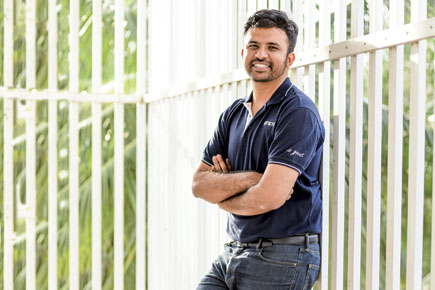
Shashank ND is in charge of setting the overall direction and vision for Practo while actively participating in the creation of the company’s ground-breaking products.  He co-founded Practo in 2008 with Abhinav Lal after realizing the urgent need to improve the healthcare sector and link patients with healthcare providers.

Shashank ND
Image Source: openthemagazine.com

Early Life

Shashank ND made a unique decision by pursuing business, coming from a background where the majority of individuals worked in government jobs. At the age of 27, while completing his final year of biotechnology, he founded his first company, Practo Technologies, to offer both patients and physicians straightforward healthcare solutions.

Shashank ND was inspired to start Practo in 2008 after his father was advised to have knee surgery and sought expert advice from a US physician. He didn’t give the doctor access to the medical records, though, because they weren’t computerized at the time. This incident inspired Shashank to take action that could aid in the digitization of medical records.

Success Story

In 2008, Shashank ND, and Abhinav Lal founded Practo. In the beginning, it was providing doctor’s software where medical professionals can simply schedule appointments and access patient health details. A B2B model was being used by Practo where Practo Ray, its initial product, was being used by the doctors to receive push notifications concerning their important tasks.

Through this application, doctors could easily schedule appointment times. The fact that Shashank ND has a background in computer science was advantageous when developing the software. However, since many doctors were rejecting the software, the reception was not as positive.

For the Practo creators, persuasion and product comprehension were difficult tasks. Finally, the software was put to use by physicians. Doctors began to appreciate the Practo founders after they had a better understanding of the software’s benefits.

About Practo

Through its cutting-edge solutions, Practo.com collaborates with medical professionals, practices, and hospitals. To communicate with patients, doctors set up profiles on Practo.com. The business’s online management tool, “Practo Ray,” aids doctors in the transfer and upkeep of their patient’s medical records as well as the management of their invoicing and appointments.

Over two lakh doctors, 10,000 hospitals, and 5,000 diagnostic centers located in 35 cities and four nations make up Practo’s outstanding roster of clients today. The online service has advanced quickly, raising the most money ($124 million) of any healthcare start-up to date.

Practo is so committed to advancing the healthcare industry that prominent entrepreneurs like Russian tycoon Yuri Milner have also made investments in the company. Practo’s revenues in FY 2015, when Shashank made his debut on Fortune India’s 40 Under 40 list, were 29.7 crore rupees.

Practo had over 1,000 doctors on board only for online consultation at the height of Covid. Practo also collaborates closely with about 300 surgeons, and the business plans to quickly increase that number to 1,000. By the end of 2022, the company’s goal is to expand to 75 cities in India. 

The hard effort and vision of Shashank ND are largely responsible for Practo’s success.

The Practo success story is the clearest illustration of how entrepreneurs should study their target market before developing a product. Thanks to Practo, one can now easily find doctors with just a few clicks. The founders of Practo invested a lot of work into developing the technology.

Francoise Bettencourt Meyers

Francoise Bettencourt Meyers: Richest Woman in the World

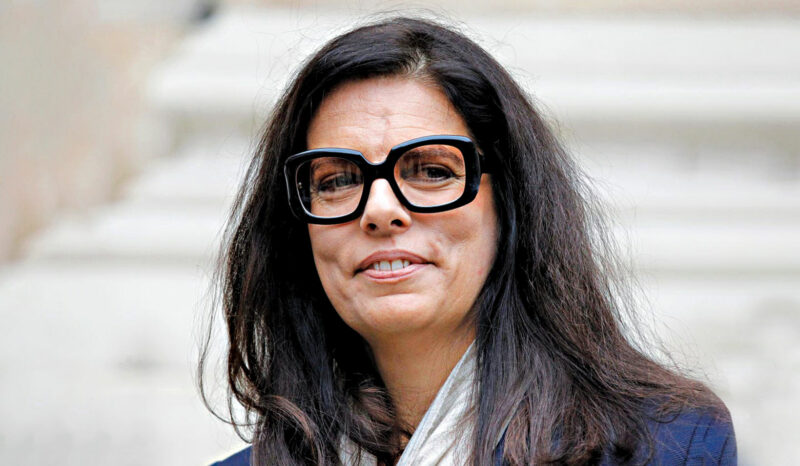
Francoise Bettencourt Meyers is a French entrepreneur, philanthropist, author, pianist, and wealthy heiress. According to Forbes, she is the richest woman in the world. She is Liliane Bettencourt’s sole child and the granddaughter of L’Oréal founder Eugène Schueller. L’Oréal has expanded into different cosmetics over the years.

Francoise Bettencourt Meyers
Image Source: robinage.com

Early Life

Liliane was the wealthiest woman in the world when she passed away at 94 years old. Upon her mother’s passing, Francoise Bettencourt Meyers received the immense L’Oréal fortune. Since Francoise was Liliane’s sole successor, according to French law, she was entitled to at least 50% of her mother’s wealth when she passed away.

In addition to her duties as L’Oréal’s CEO, Francoise Bettencourt Meyers has a distinguished academic career. She is a renowned writer and also a gifted musician. She conducted numerous studies on religions due to her erudition.

She released The Trumpets of Jericho in 2008, a remarkable work on Bible interpretation that attempted to combine Jewish and Catholic viewpoints. Critics took notice of this study, and it even won the Lauriers Verts prize in 2009. She is renowned for her charity work, particularly in the area of deafness research.

Success Story

It all began in 1904 when young chemist Eugène Schueller created his first hair colors under the brand name “Oréal.” Being a maestro of advertising, he swiftly achieved success and created new products aimed at improving the appearance of women.

In 1957, after his death, his daughter Liliane decided to surround herself with executives from outside the family, including Lindsay Owen Jones, Jean-Paul Agon, and François Dalle who were able to significantly grow the company. To avoid being the target of a takeover attempt or potential nationalization, L’Oréal decided to work with a foreign organization in 1974.

The group enters into an arrangement with Swiss Nestlé, transferring 30% of its capital in return for an interest in Nestlé. The two organizations profited together for many years through coordinating acquisitions. Liliane Bettencourt passed away in 2017 at the age of 94.

After 44 years of collaboration, the Bettencourt family left Nestlé, and the Swiss company sold the Bettencourt family a portion of its shares, reducing Nestlé’s ownership to 23% of L’Oréal’s capital. A third of the top cosmetics brand in the world is now under the authority of Françoise, the founder’s granddaughter, and the company’s largest shareholder.

Loreal is the biggest cosmetics company in the world and has expanded its operations in the industry, focusing on hair care, skin care products, sun protection, make-up, and perfume.

Controversy

Due to a lawsuit that her daughter Francoise Bettencourt-Meyers had brought against Francois-Marie Banier, an acquaintance of her mother’s, whom Francoise claimed had taken advantage of her mother, Liliane found herself at the center of a case and media frenzy in 2008. Banier adamantly refuted the accusations leveled against him.

The lawsuit claimed that throughout their acquaintance, Banier persuaded the heiress to give him gifts totaling $1.5 billion and to designate him as the only inheritor of her estate, except her ownership interest in L’Oréal.

Due to their disagreement over the case, Liliane and her daughter ceased communicating. After a legal battle for three years, Liliane’s fortune was transferred to her daughter’s care in 2011.

About Loreal

L’Oréal began as a hair-color company, but it quickly expanded into other maintenance and cosmetic goods. Currently, L’Oréal sells hundreds of different products under thousands of different brands in every area of the beauty industry, including hair color, permanents, hair style, skin and body care, cleansers, cosmetics, and fragrance.

Products from the company can be purchased through a wide range of distribution channels, including supermarkets, health/beauty shops, pharmacies, etc. Thousands of products, comprising dyes, makeup, skincare, cleansers, and perfumes, are currently produced by the corporation under more than 500 different brand names. L’Oréal has six R&D facilities across the world.

Ken Langone

Ken Langone: The Journey of a Plumber’s Son to Become a Billionaire

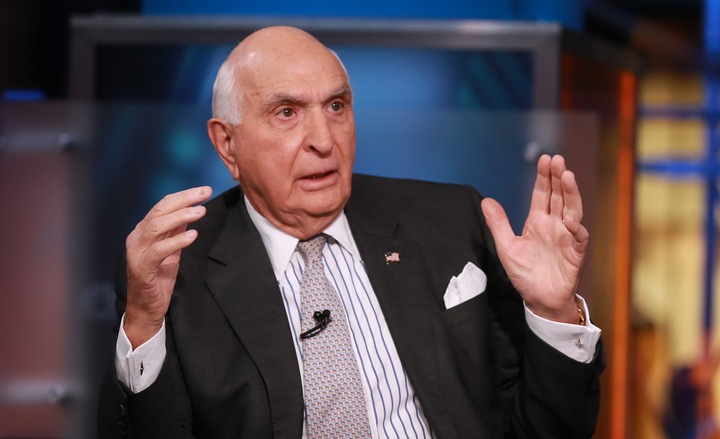
Ken Langone is a multibillionaire American businessman, entrepreneur, and philanthropist. He is well known for arranging to fund The Home Depot’s founders.

Ken Langone
Image Source: cnbc.com

The Home Depot sells tools, building materials, and other services and is the biggest home improvement business in the USA. In 1978, Ken Langone made an initial investment in Home Depot and joined Arthur Blank and Bernard Marcus as cofounders.

Early Life

Ken Langone was born to working-class Italian Americans in New York. His mother worked in a café and his father worked as a plumber. His family has been believed to possess “a lot of love, but not a lot of money.” Being raised in a household where everyone lived paycheck to paycheck, Ken learned the worth of a dollar.

When he was old enough just to support his family, he started doing odd jobs. His first job as a young lad was selling newspapers. He performed a range of duties to help his family’s financial situation.

He performed numerous jobs including digging trenches for the road while working in construction. His family adopted a work-intensive lifestyle, but this young child understood that better and bigger things lay ahead for him.

Success Story

Early in the 1960s, Ken began working his first white-collar job for a Wall Street financial services company. He was a big success and advanced quickly in the corporate world. Ken was one of Ross Perot’s favorite people. In 1968, Ken was given responsibility for the IPO of Electronic Data Systems. To be his boss, Ken started the venture capital firm Invented in 1974.

Ken Langone and Bernie Marcus had brunch together in 1978. However, this encounter was not only about bacon and eggs. Bernie complained to Ken about how terribly top executives had mistreated him after he had recently lost his job at the home improvement chain, Handy Dan.

With the help of another co-founder, Arthur Blank, Ken and Bernie started formulating ideas for a warehouse-sized store filled with discounted products. The idea was to create a place where the typical customer could purchase everything required to turn their house into a home.

The initial two Home Depot stores opened their doors in 1979 after Ken was able to raise the necessary funding to launch the company. Three years later, Home Depot decided to go public at a $12 per share price. In 2021, Home Depot generated a revenue of over $151 billion.

Ken Langone had no desire to serve as a silent partner. He put forth a lot of effort after he co-founded Home Depot to raise money and build stores. He desired to treat each employee well because he was from a lower social status. According to Ken, one of the biggest issues in the United States is income inequality.

He doesn’t necessarily support a mandated minimum salary by the government, but he is aware that individuals cannot live on $20,000 per year. He always pays his employees more than the minimum wage.

The success story of Ken Lagone shows that anyone may prosper in a capitalist society. You don’t need to have any special ties or to have had a golden childhood. If you have the right drive, viewpoint, and ideas, you can achieve the capitalist dream while assisting others in doing the same.

high-yield savings account

Apple and Goldman Sachs collaborate to provide high-yield savings accounts to Apple Card customers

Apple is taking a major step toward providing its customers with more banking services. The company announced today, that it is collaborating with Goldman Sachs to launch a new high-yield savings account feature for Apple Card credit cardholders that will allow them to save and grow their Daily Cash which is the cashback rewards earned from Apple Card purchases.

high-yield savings account
Image Source: ithinkdiff.com

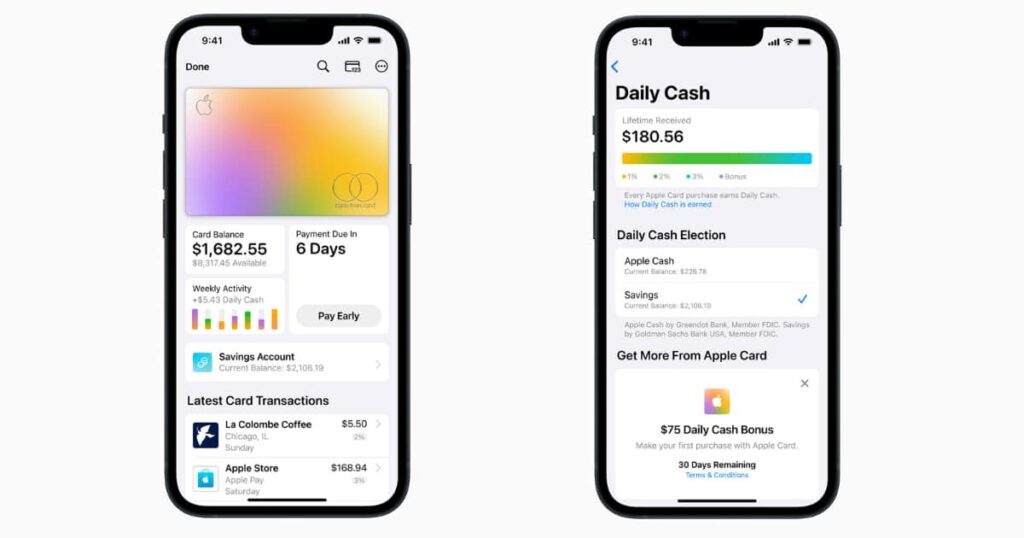
In the upcoming months, Apple says cardholders will be able to automatically save this money in a new, high-yield savings account from Goldman Sachs which will be accessible through Apple Wallet. Customers can also deposit their own funds into this account.

“Savings enables Apple Card users to grow their Daily Cash rewards over time, while also saving for the future,” said Jennifer Bailey, Apple’s vice president of Apple Pay and Apple Wallet,” Bailey said in a statement late on Thursday.

Source: in.investing.com

According to Apple, the account has no fees, minimum deposit, or minimum balance requirements, making it competitive with various neobanks that are often used as a way for customers to reserve digital cash and monetize interest payments.

However, Apple did not specify what interest rate would be paid out on these high-yield accounts in its press release. According to Bankrate data, competitors are currently offering APYs ranging from 2.20% to 3.05%. According to Investopedia data, some are going even higher, with APYs currently exceeding 3.1%. Apple stated that it is not prepared to announce the APY due to the current highly volatile interest rate environment.

When the new service becomes available, Apple Card users will be able to set up and manage their Savings account directly in the Apple Wallet mobile app. From then on, all Daily Cash earned through Apple Card purchases will be automatically deposited into this account, unless customers choose to have the cash added to their Apple Cash card in Wallet instead, as they do at the present time. According to Apple, this option can be changed at any time.

An in-app Savings dashboard will show the account balance as well as the interest earned over time.

Apple currently offers 3% cashback on Apple Card purchases made with Apple Pay at select merchants such as Apple, Uber/Uber Eats, T-Mobile, Walgreens, Panera Bread, Nike, ExxonMobil, and Ace Hardware. Apple Card purchases will earn 2% cashback when using Apple Pay, and 1% cashback when using the titanium card or a virtual card number to shop online.

Cardholders would not have to depend solely on Apple Card purchases to fund their brand-new Savings accounts. Customers will be able to deposit additional funds via a linked bank account or their Apple Cash balance, as per Apple’s statements.

They can also withdraw this money at any time by transferring it to the same linked bank account or any linked bank account or even their Apple Cash card, without incurring any fees.

Apple has been steadily moving into the payments market with the launch of the Apple Card, allowing it to establish a more direct connection with its customers as it accelerates its “services” business, which perceives it selling subscriptions to a variety of offerings, including Apple Music, Apple Arcade, Apple TV+, iCloud+, Apple Fitness+, Apple News+, and more.

It’s also attempting to make Apple Pay a more realistic choice for online shopping, with the announcement of an Affirm competitor, Apple Pay Later, for dividing purchases into four interest-free payments. This offering, however, has been postponed until 2023, according to Bloomberg.

Meanwhile, Goldman Sachs has been repositioning itself as a more traditional bank with its Marcus by Goldman Sachs product, which announced last year that it had reached a milestone of more than $100 billion in customer deposits after five years of operation. The collaboration with Apple will give it a new perspective on the consumer deposits market.

Apple did not provide a specific launch date for its high-yield Savings account, only stating that it would be available in the coming months.  The company stated that the Savings account feature will be included in an upcoming iOS release, but did not specify which version number would include the option.

Blind App

Blind App: An anonymous platform to complain about jobs

Blind App is a professional network where verified employees can talk openly and anonymously regarding their work-life difficulties. Blind has over 7 million verified professionals.

Blind App
Image Source: nbcnews.com

About the company

Blind App offers a community and anonymous forum for verified professionals to talk about challenges in the workplace. On Blind, users are categorized by themes, companies, and their overall industry. The application claims to maintain user identities untraceable and confirms that the registered members work for the company via their work email.

The Blind App has made headlines several times, most notably when its anonymous polls make the candid thoughts of workers from various companies visible. Professionals also use the app for casual conversations regarding issues like salary. Its app listings on Google Play and the iOS App Store indicate that it has employees from more than 83,000 companies.

Blind is being used all around the world and is affecting companies’ decisions by providing executives with information on employees’ worries.

Through the app’s polls and discussions, employees from a range of organizations have shared their opinions on problems at work, including the app’s polls and discussions, employees from a range of organizations have shared their opinions on problems at work, including Uber’s claims of sexual harassment, Google memo, and the working conditions and issues at Amazon. Recently, Meta’s decision to potentially lay off 12,000 workers at Facebook was revealed by the employees through the Blind app.

History

Sunguk Moon, CEO, and co-founder of Blind revealed that after beginning his career in 2009 at the South Korean search company Naver, he had inspiration by the app. He saw there that employees engaged in open conversation among themselves in a private chat room on the company intranet.

A few years later, Naver closed the board because staff began discussing important and delicate subjects. Moon noted, “Several years later, Naver shut down the board because employees started talking about critical and sensitive issues,” Moon said. “I was really disappointed by that (decision) so I thought I should make an anonymous chat board for company workers as a third party.”

Since its launch in 2013, Blind has gained users from over3,000 companies. On Blind, there are around 40,000 Microsoft professionals, 20,000 Amazon professionals, and 10,000 Google professionals. Each company has a fairly high level of our penetration, and the majority of the company employees are regular users.

Blind declined to reveal the total number of users. However, one in five Uber employees uses the app. Additionally, one cannot just create a phony LinkedIn profile to use the app. A user’s company’s official email-id is linked to all sign-ups, and this email address is required for sign-up verification. However, due to the company’s patented technology, users remain anonymous to both the community and the app’s developers.

Founder & CEO: Sunguk Moon

Sunguk Moon is the Founder and CEO of Blind. Moon served as a founder or early-stage employee for three companies before Blind. One of them was Wingbus, a 2005-founded travel review, and booking website that Naver acquired in 2009. He studied UI/Graphics design as his major in college, however after three years, he mainly held positions in product management.

Naver was the first organization in Korea to utilize Blind. For the purpose of acquiring the initial seed users, Moon contacted some of his old Naver coworkers. Ticket Monster, a company Moon had previously worked for, was Blind’s second target.

Over the past two years, Blind has received several press mentions including in Forbes, Wall Street Journal, and TechCrunch. It has acted as a reliable source of information for thousands of employees.