Your Tech Story

tech news

WhatsApp Claims The New Security Feature Will Enable Users To Secure IP Address Metadata During Calls

WhatsApp Claims The New Security Feature Will Enable Users To Secure IP Address Metadata During Calls

Global messaging giant WhatsApp has always been at the forefront of digital communications. With over two billion users worldwide, the popularity of the app is undeniable. However, in the digital age, the importance of security in messaging apps cannot be underestimated. WhatsApp’s latest announcement about the new security feature has caught the attention of users and tech enthusiasts.

Global messaging giant WhatsApp has always been at the forefront of digital communications. With over two billion users worldwide, the popularity of the app is undeniable. However, in the digital age, the importance of security in messaging apps cannot be underestimated. WhatsApp’s latest announcement about the new security feature has caught the attention of users and tech enthusiasts.

Understanding IP Address Metadata

What is IP Address Metadata?

IP address metadata is the digital footprint that reveals the location and identity of a device connected to the Internet. It plays an important role in how information is transmitted over the Internet.

How IP Address Metadata is Used:

This data can be used for a variety of purposes, ranging from benign to malicious, including tracking user location, targeted advertising, and, potentially, cyber surveillance.

The Evolution of WhatsApp's Security Features

WhatsApp Claims The New Security Feature Will Enable Users To Secure IP Address Metadata During Calls

Image Source: engineering.fb.com

WhatsApp has continuously updated its security features, from end-to-end encryption to two-factor authentication, in response to growing cybersecurity threats.

Previous Security Concerns:

Despite these updates, concerns remain about the app’s ability to protect user data, particularly IP address metadata.

Breaking Down the New Security Feature

WhatsApp’s new feature aims to protect users’ IP address metadata during calls, ensuring that this sensitive information remains private.

How It Works:

This feature encrypts IP address metadata, making it inaccessible to third parties, including WhatsApp.

Benefits of Securing IP Address Metadata

Enhanced Privacy for Users:

By securing IP address metadata, users’ location and identity are better protected, increasing overall privacy.

Prevention of Cyber Threats:

This feature also plays an important role in preventing cyber threats like hacking and surveillance.

How to Enable the New Security Feature

Step-by-Step Guide:

Enabling this feature is simple, and accessible through the app’s Settings menu.

Troubleshooting Common Issues:

This article provides solutions to common issues that users may encounter when enabling this feature.

Conclusion

In conclusion, WhatsApp’s new security feature is an important step in the evolution of messaging app security. By securing IP address metadata, WhatsApp not only enhances user privacy but also sets a new standard in the industry. As digital communications evolve, WhatsApp’s commitment to security remains a key aspect of its enduring popularity.

FAQs

How does the new WhatsApp security feature protect IP address metadata?

This feature encrypts the IP address metadata during the call, making it inaccessible to third parties.

Will the new security feature affect the call quality on WhatsApp?

No, this feature is designed to preserve metadata without affecting call quality.

Is the new security feature available for all WhatsApp users?

Yes, it is being rolled out globally and will be available to all users, although the update may reach users in phases.

How can I enable the new security feature on my WhatsApp?

You can enable it in the app’s Settings menu; The article provides a detailed guide on this.

Does this security feature make WhatsApp the most secure messaging app available?

Although it increases security significantly, whether it is the most secure app or not depends on various factors and individual user preferences.

SoftBank’s Vision Fund Reports Another Loss of $1.7 Billion

SoftBank’s Vision Fund Reports Another Loss of $1.7 Billion

SoftBank Group Corp.’s Vision Fund faced a setback as it reported a loss of $1.7 billion, attributing the decline to lower valuations at WeWork Inc. and other portfolio companies. The Vision Fund segment saw a loss of $1.7 billion through September, marking continued challenges for Masayoshi Son’s ambitious investment strategy.

SoftBank's Struggle Amidst Valuation Drops

The Vision Fund’s losses were exacerbated by declines in the value of holdings, including SenseTime Group Inc., AutoStore Holdings Ltd., and Symbotic. WeWork, a notable investment, contributed to the red ink, with cumulative losses of $14.2 billion through September, a figure that may rise further due to WeWork’s recent bankruptcy filing.

SoftBank’s Vision Fund Reports Another Loss of $1.7 Billion

Image Source: bloomberg.com

The ongoing losses raise questions about SoftBank’s assertion that the worst is behind the Vision Fund, which injected over $140 billion into numerous money-losing startups globally. Analysts express skepticism, noting the lack of visibility into the majority of the Vision Fund’s unlisted portfolio companies.

SoftBank Group, as a whole, reported a net loss of ¥931.1 billion, in stark contrast to the ¥3 trillion profit the previous year. The company is grappling with the aftermath of the Vision Fund’s $53 billion losses in the last two years. Despite challenges, Chief Financial Officer Yoshimitsu Goto emphasized positive aspects, highlighting the increased value of Arm and assets worth over $29 billion in SoftBank’s portfolio.

Goto indicated that SoftBank is in an investment phase, with a focus on autonomy in transportation and logistics. The company invested $1.5 billion in the September quarter and $1.8 billion the quarter before. Founder Masayoshi Son’s recent bets on autonomous technologies include investments in autonomous trucking startup Stack AV and an AI-driven warehousing joint venture with Symbotic Inc.

Concerns and Future Prospects

Analysts remain cautious, citing disappointing investment returns and management’s reluctance to repurchase shares. SoftBank’s strategic shift towards direct investments, bypassing the Vision Fund, adds complexity to its future endeavors. The company faces challenges in a landscape shaped by China’s tech crackdown and global economic uncertainties.

SoftBank, despite the setbacks, expressed optimism about its investment in AI-related firms. The company sees potential value in assets like TikTok parent ByteDance Ltd., Fanatics Inc., and PayPay Corp. Goto highlighted the Vision Fund’s positive returns in the latest quarter, although analysts remain skeptical, questioning the absence of share buybacks.

In conclusion, SoftBank navigates a complex terrain, balancing losses from past investments with a renewed focus on emerging technologies and direct investment strategies. The company’s ability to rebound and deliver shareholder value remains uncertain amidst evolving market dynamics.

Hyundai's Supernal to Develop the First Flying Electric Taxi for Commercial Use in the US

Hyundai’s Supernal to Develop the First Flying Electric Taxi for Commercial Use in the US

Hyundai’s air mobility division, Supernal, is on the cusp of transforming urban transportation in the United States with the development of the first-ever flying electric taxis, known as eVTOL taxis. 

These cutting-edge vehicles are poised to revolutionize the way people move within cities and offer a glimpse into the future of urban mobility. Supernal’s Chief Executive Officer, Shin Jaiwon, recently announced that a prototype of the eVTOL taxi will make its debut at the upcoming Consumer Electronics Show (CES) in Las Vegas in January. These taxis are designed to achieve a top speed of 120 miles per hour and can accommodate one pilot and up to four passengers, promising to provide a fast and efficient mode of transportation within urban areas.

Challenges and Ambitious Timeline

The timeline for this groundbreaking project is ambitious. Supernal plans to conduct a test flight in December 2024, with the goal of commencing commercial services by 2028. However, Shin acknowledges that several significant challenges need to be addressed before this vision becomes a reality.

One of the most pressing challenges in the development of electric air mobility is the weight of the batteries. Batteries can constitute up to 40% of the total weight of an eVTOL craft. Overcoming this hurdle is essential for achieving the desired performance and range. Additionally, the operation of eVTOL taxis in urban airspace necessitates the development of robust air traffic management systems, as current regulations do not adequately govern these new forms of transportation.

Hyundai's Supernal to Develop the First Flying Electric Taxi for Commercial Use in the US

Image Source: bloomberg.com

Shin emphasized that there are currently no man-made objects routinely flying below 500 meters, highlighting the pioneering nature of this endeavor. Consequently, Supernal will need to work closely with regulatory authorities, including the US Federal Aviation Administration (FAA), to establish suitable certification methods and regulatory frameworks.


While specific details regarding the investment, size, and location of the Supernal facility remain undisclosed, Hyundai is committed to the success of its air mobility division. The recent establishment of the engineering headquarters in the Irvine Spectrum District, featuring a 105,000-square-foot office and an adjacent 80,000-square-foot test-and-evaluation site, underscores Hyundai’s dedication to this project.

Supernal’s expanding team in Irvine already comprises over 200 professionals from diverse backgrounds, including powertrain experts, airframe specialists, and a system-and-safety team. The company plans to hire an additional 100 personnel this year and aims to eventually expand its workforce to 500 employees, underscoring the magnitude of this project.

The lead research manager for this pioneering endeavor, Ramona Stefanescu, envisions a future where commuters can bypass traffic congestion and save valuable time during their daily travels. The eVTOL taxis have the potential to provide people with more time to spend with their families and engage in leisure activities. As Supernal pushes the boundaries of urban mobility, the eVTOL taxi is poised to redefine how people navigate the bustling cities of the United States.

Shein Targets Up to $90 Billion Valuation in US IPO, Sources Say

Shein Targets Up to $90 Billion Valuation in US IPO, Sources Say

According to those familiar with the situation, Shein is promoting its aspirations for a valuation of up to US$90 billion as it prepares for a potential US initial public offering (IPO). This amount is far higher than what the rapid-fashion behemoth is estimated to be worth in private transactions.

According to the sources, the business has informed potential investors that it hopes to list for between US$80 billion and US$90 billion. The folks claim that because of the marketplace’s instability, the date of the sale of shares is still unknown.

According to the sources, Shein’s value in private transactions has fallen short of the US$66 billion it received in a fundraising round in May. The persons stated that the corporation was valued at between US$50 billion and US$60 billion based on shares that just lately switched owners in the secondary market.

Shein Targets Up to $90 Billion Valuation in US IPO, Sources Say

Image Source:finance.yahoo.com

Although the disparity highlights investor worries about Shein’s issues, which range from rising competition to claims of copyright infringement and the use of compelled labour, a private business valuation can sometimes underestimate the business’s true valuation. Additionally, it may make Shein’s plans for a spectacular listing more difficult.

In 2022, Shein ranked as the third most highly valued new business globally following a hundred billion dollars fundraising round. Since then, as financiers became more cautious about risky assets due to an unsure economic situation and rising interest rates, the company’s value has decreased along with that of other start-ups and technological companies.

According to Bloomberg News, the secondary market assessment of ByteDance, the holding company of the popular short-video app TikTok, dropped to less than US$300 billion in July, a minimum of 25 percent lower than the previous year.

Time and Value of the IPO yet to be decided

According to the persons, discussions over Shein’s initial public offering, including the schedule and evaluation, are ongoing and no decision has been taken in full. Shein’s rep refused to provide a statement.

Shein was the first to introduce quick fashion, offering trendy goods like swimwear and blouses for as low as two dollars. Addressing teenagers and young women, the business’s direct-to-consumer e-commerce business picked up pace in the United States during COVID-19. Soon after, it was one of the most installed e-commerce applications in the nation.

Shein was established in China over ten years ago, but it has since relocated its main office to Singapore and attempted to disassociate itself from its home nation.

Billionaire Flipkart Founder Ready to Launch Stealth AI Startup

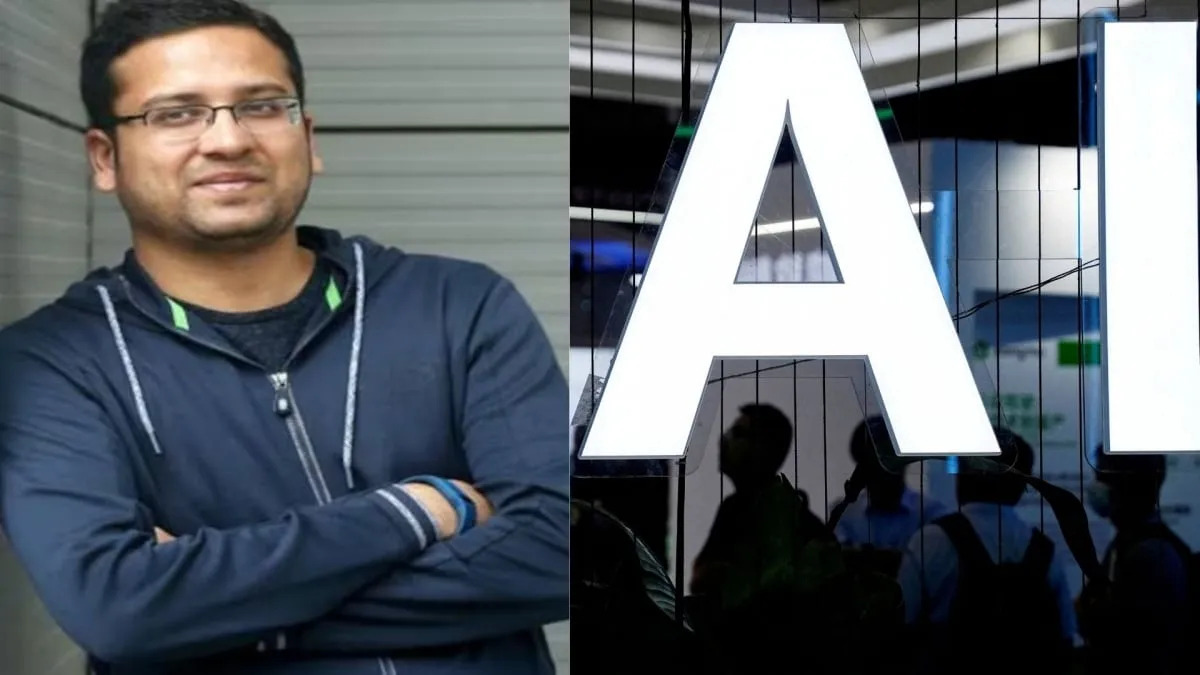
Billionaire Flipkart Founder Ready to Launch Stealth AI Startup

Former Flipkart co-founder, Binny Bansal, is embarking on a new entrepreneurial journey, this time in the field of artificial intelligence. 

According to sources cited by Bloomberg, Bansal’s latest venture is set to make a significant impact on the AI landscape, with a focus on serving corporate clients worldwide. The startup, currently shrouded in secrecy, plans to provide AI expertise, products, and services, following a model reminiscent of IT giants like TCS and Infosys.

Billionaire Flipkart Founder Ready to Launch Stealth AI Startup

Image Source: bnn.network

Bansal, a 40-year-old billionaire who co-founded the e-commerce behemoth Flipkart and realized substantial gains from selling his stake to Walmart Inc., is now setting his sights on India’s vast English-speaking youth population. His goal is to nurture the next generation of AI professionals and offer innovative AI services. This ambitious project revolves around talent development and service offerings, with a particular emphasis on smaller Indian cities that are often overlooked by tech giants.

Although the startup is keeping product details under wraps, it is believed to be targeting the e-commerce and legal sectors in its initial stages. Future expansions are anticipated in the realms of analytics, data science, and financial services. The official product launch is scheduled for the second half of 2024.

From Bengaluru to Singapore: A Global Vision Takes Shape

While the startup is headquartered in Bengaluru, it is officially headquartered in Singapore, a city where Binny Bansal has made his home since his tenure at Flipkart. The project is currently in stealth mode for product development in Singapore, with strategic plans for expanding into the lucrative US market in the future.

Binny Bansal and Sanchin Bansal, both alumni of the prestigious Indian Institute of Technology, Delhi, co-founded Flipkart, which eventually evolved into a local e-commerce giant competing with Amazon. Notably, Binny Bansal served as the CEO of Flipkart when he orchestrated the high-profile sale to Walmart for a staggering $16 billion in 2018. Despite relinquishing his executive role, he maintains a presence on the Flipkart board and retains shares in PhonePe, Flipkart’s digital payment service. Furthermore, Binny Bansal has actively been investing in technology startups, displaying a keen interest in fostering India’s burgeoning tech ecosystem.

As Binny Bansal’s stealth AI startup takes shape in the heart of India’s tech hub, it has the potential to become a formidable player in the global AI landscape. With a visionary founder, a focus on talent development, and a commitment to innovative service offerings, the startup is poised to make waves in the industry, much like Bansal’s previous endeavors. As the countdown begins for the official product launch in 2024, the tech world eagerly anticipates the unveiling of this intriguing venture and its potential to redefine the AI landscape.

E-Commerce Startup Udaan to Trim Costs Ahead of 2025 IPO

E-Commerce Startup Udaan to Trim Costs Ahead of 2025 IPO

Before its anticipated IPO in 2025, Indian e-commerce firm Udaan is concentrating on cutting expenses and establishing partnerships with consumer goods companies. Operating profitability is the business’s goal, according to the chief executive officer Vaibhav Gupta, and it should happen in 18 months. Lightspeed Venture Partners-backed Udaan is among a slew of Indian startups aiming to capitalise on the expanding economy of the nation while satisfying investor expectations for profitability. With its financial technology division, Udaan, which provides small merchants with an online marketplace and logistical network, is also branching out into lending.

The priority “is steady and predictable financial performance,” Gupta said. “Second, strategically we want to ensure that we are top of mind with shopkeepers, with big manufacturers, and we maintain our relative market share”, he added.

retail.economictimes.indiatimes.com

Udaan Aims to capitalize on India's customer base

funded by Lightspeed Venture Partners Amongst the businesses attempting to capitalise on India’s customer base and economy’s explosive expansion is Udaan, which is also aiming to satisfy investor requests for revenue generation.

At the height of its employment, Udaan brought in thousands of people. Last year, it, along with other Indian startups, reduced employment and tightened internal controls as well as compliance.

With around 1,800 employees as of right now, Gupta would not say if more layoffs are necessary.

E-Commerce Startup Udaan to Trim Costs Ahead of 2025 IPO

Image Source: moneycontrol.com

Corporate governance errors at Byju’s, an Indian online teaching company that was once the country’s most valuable startup with a 22-billion-dollar value, exposed the particular difficulties encountered by South Asian entrepreneurs and encouraged other businesses to exercise greater caution.

“We continue to move towards more professionalized management, professionalized board and also institutionalized shareholders as we go towards public markets,” Gupta said.

retail.economictimes.indiatimes.com

Udaan has not yet decided if it will be listed internationally or in India. According to a report by September Business Standard, it was in discussions to raise a total of 400 million dollars and was estimated at more than three billion dollars in a 2021 investment round. Tencent Holdings Ltd. owns 6 percent of Udaan, while Lightspeed owns approximately 35 percent.

In 2016, three developers who worked before at Flipkart launched the firm. Until Vaibhav Gupta, who was among the founders, took on the role of the chief executive officer in 2021, the three of them jointly managed Udaan. Amod Malviya and Sujeet Kumar, the other two founders, are members of the board.