Your Tech Story

tech news

Former Pakistan PM Imran Khan Has Used AI Voice Clone to Campaign From Jail


Former Pakistan PM Imran Khan Has Used AI Voice Clone to Campaign From Jail

Pakistan’s political landscape witnessed a groundbreaking event as former Prime Minister Imran Khan employed artificial intelligence to deliver a compelling speech to his supporters while incarcerated. This innovative move, leveraging AI to transcend physical constraints, has set a precedent in political campaigning.

Former Pakistan PM Imran Khan Has Used AI Voice Clone to Campaign From Jail

Image Source: insaf.pk

Imran Khan’s voice, replicated by AI, resonated across social media platforms during a virtual event, captivating over a million viewers with a meticulously crafted four-minute address. Despite Khan’s limited public access due to imprisonment, this technological breakthrough allowed him to communicate his message effectively, potentially influencing the political dynamics leading up to the forthcoming elections.

The utilization of AI to project Khan’s voice highlights the technologically progressive stance of his political party, PTI. This move not only underscores Khan’s enduring popularity but also positions PTI as an innovative force, distinguishing it from traditional political entities.

Implications for Pakistan's Political Future

While PTI confirmed the AI-generated nature of the speech, questions loom regarding its adherence to legal norms. Khan’s confinement and legal battles cast uncertainty on his ability to participate directly in the imminent parliamentary polls. Despite his lawyer’s mention of the potential submission of nomination papers pending a court decision, the legality of AI-delivered political addresses remains a point of contention.

Analysts speculate on the impact of this AI-driven approach. While acknowledging its potential to galvanize PTI’s support base, concerns persist over potential legal violations barring any direct or indirect public addresses by an incarcerated individual.

Legal Implications and Political Ramifications

The overwhelming response to Khan’s AI-mediated speech signals a pivotal shift in political campaigning, leveraging technological advancements to circumvent physical constraints. However, the government’s silence on this issue raises questions about the official response to such novel campaigning methods.

As the nation prepares for elections, the intersection of technology and politics introduces both excitement and legal ambiguity. The sheer scale of social media viewership juxtaposed against the broader voter base underscores the evolving landscape where technological outreach might significantly impact political outcomes.

Imran Khan’s AI-powered address has not only captivated the public but also sparked debates on the permissible extent of political engagement for incarcerated individuals. Whether this technological leap becomes a catalyst for change or raises legal hurdles remains to be seen, yet it undeniably heralds a new era in Pakistan’s political narrative.

Inside Amazon’s Effort to Challenge Musk’s Starlink Internet Business

Inside Amazon’s Effort to Challenge Musk’s Starlink Internet Business

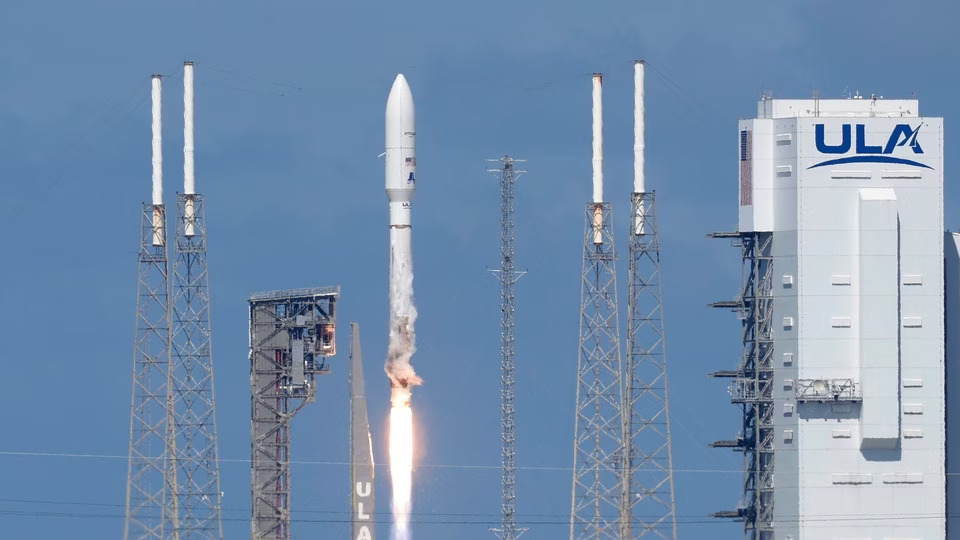
In the ever-evolving space race for global internet domination, Amazon’s Project Kuiper emerges as a potent contender challenging Elon Musk’s Starlink. Following a rollercoaster launch and a nerve-racking episode of temporarily losing contact with a satellite, Amazon’s ambitions to reshape internet connectivity hang in the balance.

The initial setback post-launch marked a crucial moment for Amazon’s satellite endeavor. The stakes were high as the team raced against time to salvage the situation, revealing the immense efforts invested in creating a satellite infrastructure from scratch. Amid celebrations and challenges, Amazon’s resolve to revolutionize global internet access was put to the test.

A Philanthropic Vision Meets Commercial Ambition

Project Kuiper, touted as a philanthropic venture to bridge the digital divide, doubles as Amazon’s pivotal entry into the competitive telecommunications arena. With plans to sell rooftop antennas, provide cloud services, and collaborate with wireless carriers, Amazon aims to establish itself as a global telecommunications giant by 2025.

Inside Amazon’s Effort to Challenge Musk’s Starlink Internet Business

Image Source: tech.hindustantimes.com

The rivalry between Bezos and Musk finds new ground in the satellite internet sphere. Amazon’s bet on Project Kuiper extends beyond technological advancement, aiming to counterbalance Starlink’s dominance. Amidst regulatory obligations and technological innovations, the competition heats up as both giants vie for market share and influence.

Innovation at Scale: Challenges and Triumphs

The journey of Project Kuiper’s satellites—from conception to assembly—underscores Amazon’s relentless pursuit of innovation. The project’s scale presents unprecedented challenges, mandating the development and launch of two satellites daily until 2026. Balancing technological breakthroughs with mass production remains a monumental task.

Amazon’s approach differs from SpaceX’s in design philosophy and business strategy. Project Kuiper engineers combine cutting-edge technology with proven components, aiming for fewer, more powerful satellites. Their aim? To deliver high-speed internet via ground-breaking optical links and simplified yet efficient satellite infrastructure.

The Road Ahead: Challenges and Promises

Despite setbacks in launch schedules and unexpected hurdles, Amazon maintains confidence in meeting FCC licensing requirements. Scaling up manufacturing, securing reliable launch providers, and navigating geopolitical complexities remain pivotal for Project Kuiper’s success.

In the quest to redefine global internet access, Amazon’s Project Kuiper stands as a testament to technological innovation, perseverance, and a determination to revolutionize how the world connects. As the rivalry with Starlink intensifies, the next chapter in satellite internet’s evolution promises an intriguing battle for supremacy.

E-Commerce Firm Udaan Raises $340 Million Ahead of Planned IPO

E-Commerce Firm Udaan Raises $340 Million Ahead of Planned IPO

Udaan, the B2B trade platform, has set the stage for an aggressive leap forward in its growth trajectory with the announcement of a substantial $340 million Series E financing. This funding, led by M&G Plc and joined by stalwart investors like Lightspeed Venture Partners and DST Global, marks a pivotal moment in the company’s journey toward a planned IPO.

The infusion of capital not only fortifies udaan’s financial position but also symbolizes a robust endorsement of its vision to revolutionize the landscape for small businesses. This round of funding, a blend of fresh equity investment and the conversion of debt into equity, propels udaan closer to its profitability goal within the next 12-18 months. The strategic utilization of these funds aims to bolster customer experiences, reinforce market penetration, and cultivate robust vendor partnerships.

Empowering Bharat’s Small Businesses

Central to udaan’s mission is the empowerment of small businesses and kiranas across India. The infusion of funds is earmarked to enhance supply chain efficiency, fortify strategic alliances, and augment long-term capabilities, all underpinning a sustainable business model tailored to serve the diverse needs of local businesses.

E-Commerce Firm Udaan Raises $340 Million Ahead of Planned IPO

Image Source: tech.hindustantimes.com

Vaibhav Gupta, udaan’s Co-founder and CEO, emphasizes, “The regional-operated design will not only get us closer to our customers, but also make our operations more agile and efficient.” This underscores the company’s commitment to fostering localized engagement while ensuring operational agility—a key factor in udaan’s success story.

Since its inception in 2016, udaan has been on a relentless trajectory to transform the trade ecosystem by leveraging technology. Its operations span an extensive array of categories, including lifestyle, electronics, FMCG, and more. With a robust logistics network covering over 1200 cities and 12,500+ pin codes through udaanExpress, the platform has cemented its position as a critical enabler for B2B trade.

A Path to Empowerment

With its sights set on a burgeoning $100 billion eB2B market opportunity in India, udaan remains steadfast in its commitment to simplifying trade complexities. By empowering small businesses through technological prowess and inclusive financial practices, udaan paves the way for their success in an increasingly digital business landscape.

As udaan continues its mission to democratize trade and empower Bharat’s small businesses, this latest funding round serves as a testament to the company’s unwavering dedication and the industry’s confidence in its transformative potential.

Meta’s AI for Ray-Ban Smart Glasses Can Identify Objects and Translate Languages

Meta’s AI for Ray-Ban Smart Glasses Can Identify Objects and Translate Languages

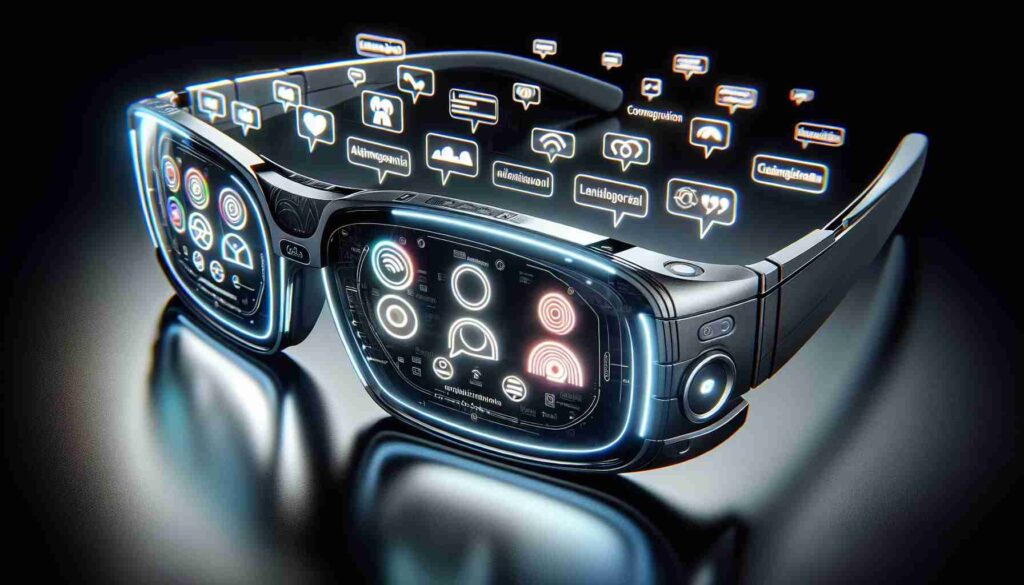
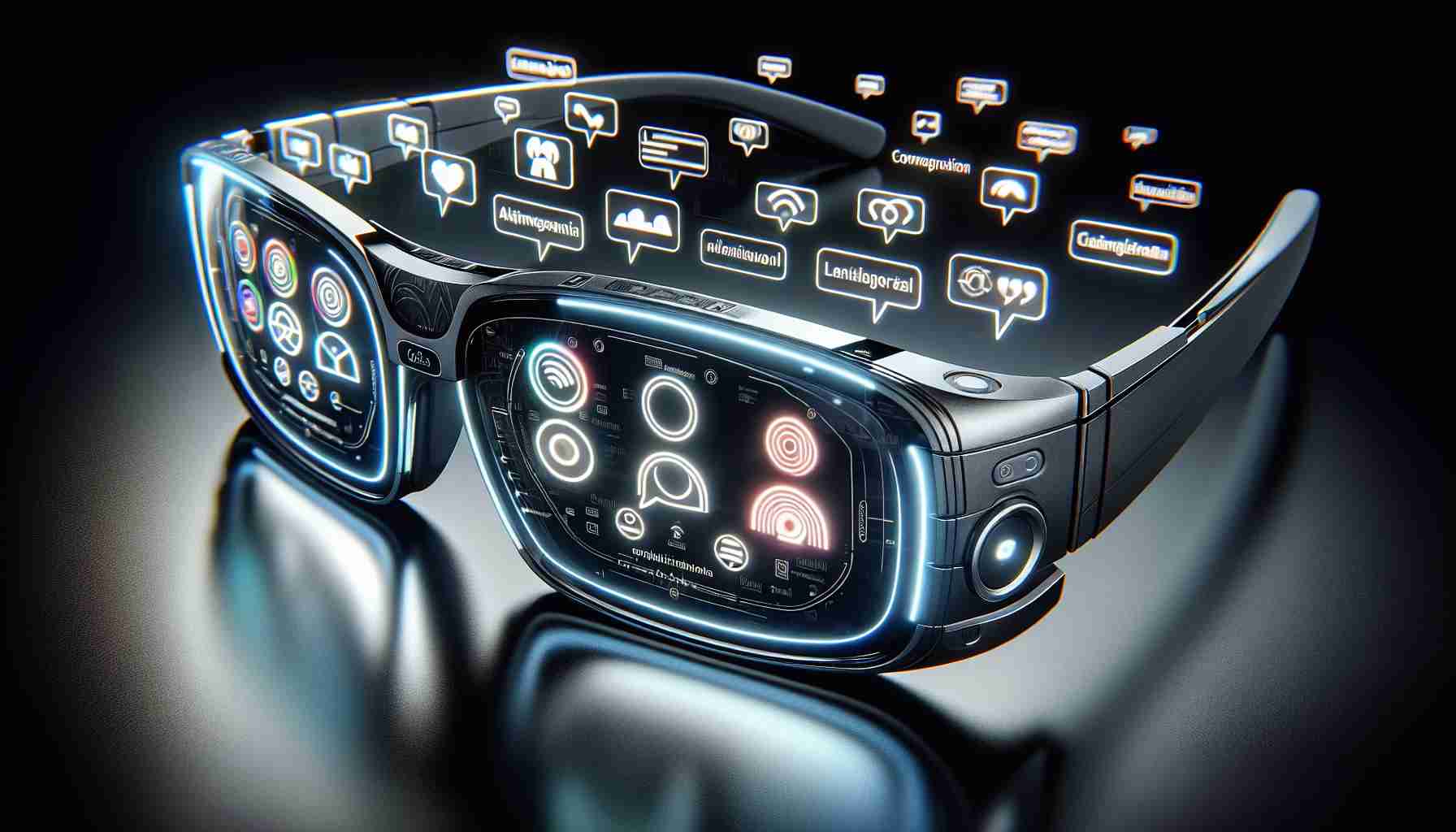
With the Meta Ray-Ban smart glasses, Meta is now allowing users to test out its most eye-catching AI functions, albeit initially through an early access test. With the announcement today, Meta will start introducing out its multimodal artificial intelligence functions, which will notify you about what Meta’s AI assistant is able to observe and hear using the glasses’ cameras and microphones.

In an Instagram video, Mark Zuckerberg showcased the change by asking the glasses to choose trousers that go with the garment he was carrying.

In response, it described the shirt and provided a few outfit ideas that might go well with it. He also requested that the artificial intelligence helper in the glasses interpret text and display a few picture captions.

Multimodal AI

In a September Decoder interview, Zuckerberg disclosed the multimodal artificial intelligence (AI) characteristics of Ray-Ban spectacles similar to those of Alex Heath of The Verge. According to Zuckerberg, users would speak with the Meta AI assistant during the day about various questions, implying that it would respond to inquiries about the wearers’ whereabouts or the items they are currently looking at.

Meta’s AI for Ray-Ban Smart Glasses Can Identify Objects and Translate Languages

Image Source: isp.page

Additionally, in a video from the chief technological officer Andrew Bosworth, an artificial intelligence helper correctly identified a lit-up wall mural in the design of California. He went over some of the other functions, that involve requesting the assistant to translate and summarise text that you’ve captured or requesting it for assistance to caption photographs. These are all very standard artificial intelligence (AI) features found in other devices from Google and Microsoft.

In the United States, the evaluation period will only be available to a tiny percentage of individuals who opt in, according to Bosworth. Here are the instructions for making an opt-in.

Meta In September, CTO Andrew Bosworth informed me that although the glasses require a voice command to turn on and “see” to preserve battery life,

Eventually, they'll have sensors that are low power enough that they're able to detect an event that triggers an awareness that triggers the AI. That's really the dream we're working towards."

scmp.com
Google’s Epic Legal Defeat Threatens $200 Billion App Store Industry

Google’s Epic Legal Defeat Threatens $200 Billion App Store Industry

The Fortnite developer Epic Games Inc.’s court victory over Google may upend Apple Inc.’s and Google’s app store duopoly, which controls how billions of users utilise their mobile phones and brings in approximately 200 billion dollars annually.

A jury from San Francisco rendered the verdict on Monday, dealing with a hit to the two businesses’ app business strategy, which involves charging software developers who usually have few other alternatives charges of as much as 30%. In New York on Tuesday morning, Google’s stocks dropped less than one percent, trading at $132.62.

After years of protesting the practice, Epic was able to persuade a federal court jury that Google, a division of Alphabet Inc., had behaved unjustly as a monopoly.

The lawsuit is probably going to hasten the relaxation of the app store policies, which are already under attack from politicians and regulators throughout the globe.

Google’s Epic Legal Defeat Threatens $200 Billion App Store Industry

Image Source: irishtimes.com

Even if Apple defeated Epic in an incident that was comparable in 2021, just one judge rendered the decision. The Google lawsuit allowed real users to voice their opinions on a global scale of smartphone apps, as seen by the jury’s unanimous decision to side with Epic. After less than four hours of discussion, they concluded that Google had damaged Epic, participated in anti-competitive behaviour, and unlawfully imposed its payment scheme on developers.

The Apple and Google experiments differed significantly in other ways as well. In the present scenario, Epic emphasised lesser compensation arrangements Google had with major game creators, such as Activision Blizzard Inc. and Nintendo Co.

“Revenue sharing deals among Google, smartphone makers and game developers came to light during the trial,” Justin Patterson and other analysts at KeyBanc Capital Markets wrote in a note to clients. “We believe this was a key difference between the cases that contributed to Apple’s victory and Google’s loss.”

time.com

Google Has Come Under Fire

Additionally, Google has come under fire for entering into side agreements where it gives lesser commissions to major companies, such as Spotify Technology SA. The jury concluded on Monday that Google should neither provide developers of Android apps special terms nor mandate that they use its payment system for software that is offered for purchase through its store.

“The immediate aftereffect is we will see a shift in the marketplace where big tech companies will have to make accommodations — whether it is more access, better terms, more options for developers — to stave off legal exposure,” said Paul Swanson, a partner at Holland & Hart who specializes in technology and antitrust law.

time.com
Tesla Recalls 2 Million Cars to Address Autopilot Safety

Tesla Recalls 2 Million Cars to Address Autopilot Safety

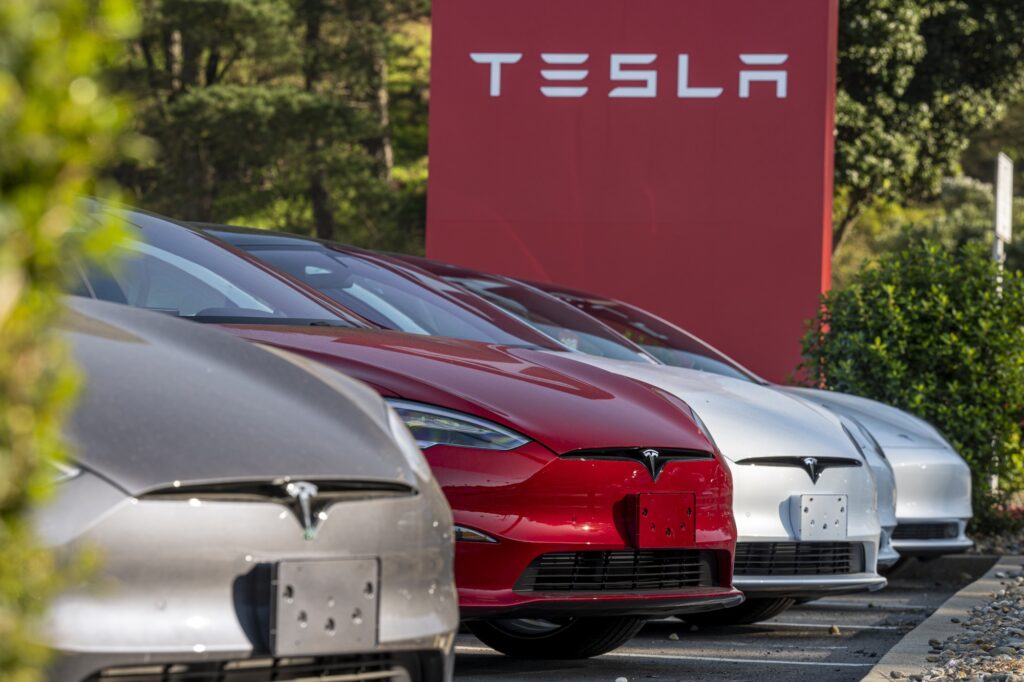
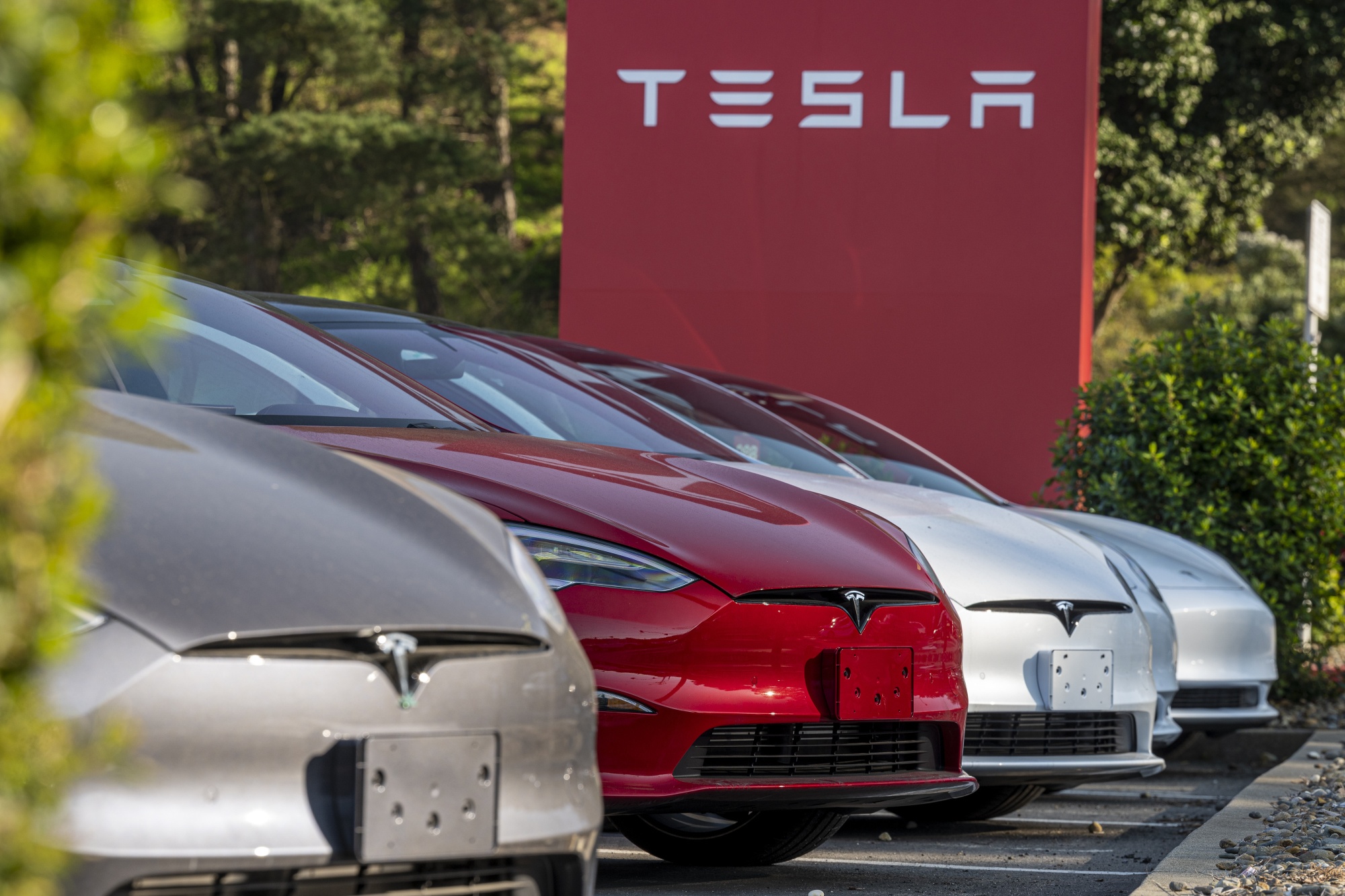
In response to heightened safety concerns and escalating scrutiny, Tesla has initiated its second major recall this year, affecting over two million vehicles. This move follows the National Highway Traffic Safety Administration’s (NHTSA) determination that Tesla’s Autopilot driver-assistance system inadequately prevents misuse, potentially leading to hazardous situations on the road.

Tesla Recalls 2 Million Cars to Address Autopilot Safety

Image Source: bloomberg.com

The recall stems from a lengthy investigation by the NHTSA, which uncovered critical deficiencies in Tesla’s means of ensuring driver engagement while using Autopilot. Insufficient mechanisms to keep drivers attentive were identified, raising foreseeable misuse concerns, prompting the NHTSA to push for this widespread recall.

NHTSA’s spokesperson emphasized the immense potential of automated technology in enhancing safety but stressed the imperative nature of responsible deployment. “Today’s action is an example of improving automated systems by prioritizing safety,” the NHTSA stated, underlining the necessity of proactive measures to mitigate risks associated with autonomous driving systems.

Escalating Scrutiny and Safety Concerns

Tesla’s automated-driving systems, including Autopilot and the marketed Full Self-Driving features, have faced intensifying scrutiny due to a series of incidents involving hundreds of crashes, some resulting in fatalities. Despite CEO Elon Musk’s optimism about the imminent launch of complete autonomy, both Autopilot and the beta Full Self-Driving features mandate a fully attentive driver, maintaining hands on the wheel at all times.

Autopilot, a standard feature in all new Tesla vehicles, utilizes cameras to match vehicle speed with traffic and assist in steering within clearly marked lanes. However, the February recall earlier this year raised concerns about the Full Self-Driving suite, highlighting instances of vehicles using the system in ways that contradicted traffic laws, such as surpassing speed limits, driving straight through turn-only lanes, and failing to make complete stops.

Prioritizing Safety Amid Technological Advancements

As technology advances rapidly, particularly in the realm of autonomous driving, ensuring safety remains a paramount concern. Tesla’s recall underscores the pivotal need for stringent safety measures and the continuous monitoring of automated systems’ effectiveness to prevent potential hazards and enhance road safety.

This recall, initiated by the collaboration between Tesla and the NHTSA, signifies a crucial step towards enhancing the safety protocols of automated-driving systems, aligning with the pursuit of responsible innovation and safer roads for all.