Your Tech Story

tech news

iPhone Sales in China Have Declined by Double Digits, Jefferies Says

iPhone Sales in China Have Declined by Double Digits, Jefferies Says

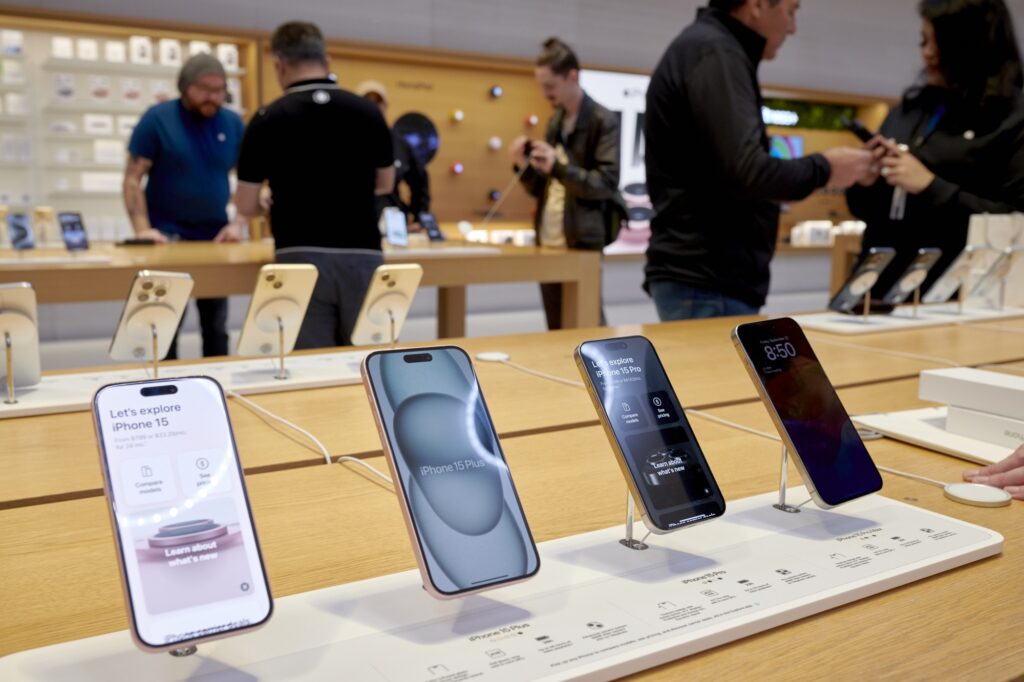
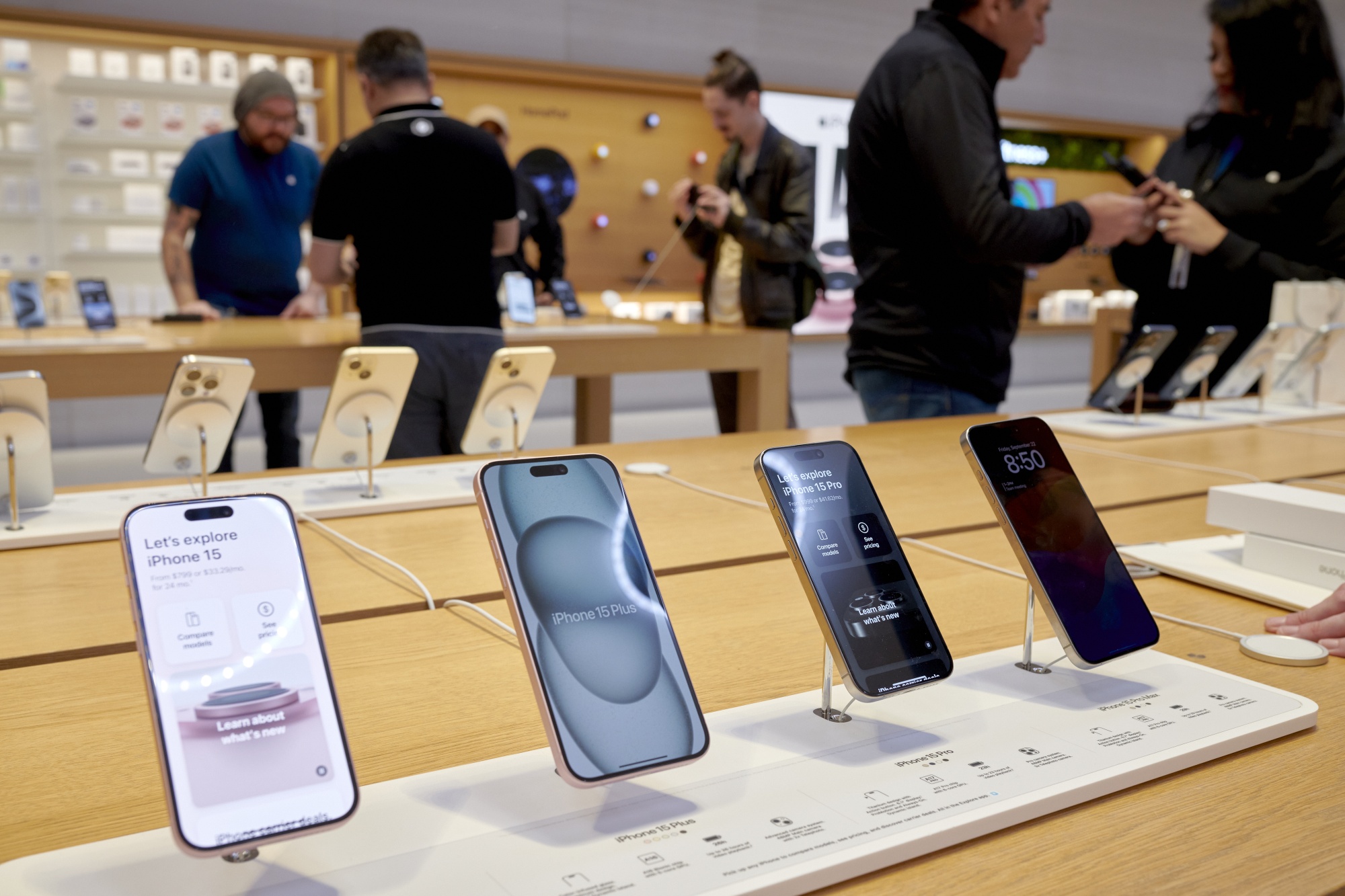
As per Edison Lee and his Jefferies Analysts team, Apple Inc. is projected to face a difficult situation in China as iPhone sales are predicted to decrease by double digits, and volumes are forecast to further contract in the upcoming year.

Lee and colleagues noted recent industry checks that show a significant 30 percent year-over-year fall in sales of the most recent generation of iPhones in China after the devices had an abysmal start to the year. This loss coincides with the rest of the nation’s mobile market’s dissimilar growth in December, as Huawei Technologies Co. emerged as the company with the greatest growth rate thanks to its new Mate 60 smartphone series.

iPhone Sales in China Have Declined by Double Digits, Jefferies Says

Image Source: bloomberg.com

Weeks prior to the iPhone 15 was released in September, Huawei’s Mate 60 Pro, which is powered by a system processor made in the country, was introduced, sparking a wave of nationalistic fervour. This zeal helped Huawei win back clients that it had previously lost to Apple. According to Jefferies, Huawei supplied 35 million handsets in 2023 regardless of some supply issues.

Apple had a Notable Double-Digit Decline in December

Conversely, Apple had a notable double-digit decline in volume throughout December. According to Jefferies, the downturn will continue till 2024. Last week, many online shopping sites raised their discounts on Apple’s smartphone lineup in an effort to buck the trend. Nonetheless, it appears that this tactic has affected the average selling price without leading to a commensurate rise in volume.

Due to United States sanctions that restricted Huawei’s accessibility to top manufacturers of chips in 2020, the multinational technology company first increased its dominance in the market in China. But thanks to the Mate 60 lineup and its efforts to create its own software ecosystem, Huawei has made a strong comeback in the mobile industry and is now able to take on both Alphabet Inc.’s Android as well as Apple’s iOS.

The Chinese market’s reaction to Huawei’s offers points to a complicated environment ahead for Apple as it navigates these challenges, one marked by more competition and shifting consumer preferences.

“As we highlighted last week, iPhone’s lower market share YoY in China is a negative surprise, and we believe the cannibalization is coming from not just HW, but also Xiaomi and ‘others,’” the analysts said, referring to Huawei.

cnbc.com
Elon Musk's Controversial Drug Habits Are a Growing Concern for Tesla's Board

Elon Musk’s Controversial Drug Habits Are a Growing Concern for Tesla’s Board

The revelation of Elon Musk’s history of drug use, highlighted in The Wall Street Journal, has yet again thrown Tesla’s board into a maelstrom of uncertainty. The board, primarily composed of Musk’s close allies, now grapples with the dilemma of addressing the financial and legal risks imposed on both shareholders and the company due to Musk’s reported recreational drug use, including the ongoing consumption of ketamine.

A Troubled Past for Tesla's Board

This isn’t the first time Tesla’s board has faced challenges tied to Musk’s actions. Shareholder dissatisfaction arose over Tesla’s succession planning, and allegations surfaced that Musk’s commitments to other companies diverted his focus, leading to a chaotic takeover of Twitter Inc. rebranded as X Corp. in 2022, causing a massive loss in market capitalization for Tesla.

Elon Musk's Controversial Drug Habits Are a Growing Concern for Tesla's Board

Image Source: news18.com

The board weathered storms from litigation linked to Musk’s failed attempt to take Tesla private in 2018, his controversial remarks about a cave explorer, and legal battles regarding hefty compensations and acquisitions, notably the $55 billion package for Musk and the $2.6 billion SolarCity acquisition.

Legal Ramifications and Financial Implications

The latest report alleging Musk’s use of LSD, cocaine, ecstasy, and psychedelic mushrooms, coupled with previous incidents like smoking marijuana on a podcast, poses legal threats to Tesla. Experts suggest that tying evidence of drug use to Musk’s role as an executive could fuel class-action lawsuits from disgruntled shareholders, further entangling the board in litigation.

Though Musk’s drug habits might potentially affect his other ventures, particularly SpaceX, Tesla remains the cornerstone of his wealth. His significant stake in Tesla constitutes a substantial portion of his net worth, raising concerns about the impact of his actions on the company’s stability and future.

Board Dynamics and Challenges Ahead

The board composition, largely comprising long-standing members close to Musk, faces scrutiny. Challenges emerged over re-electing members lacking industry expertise and concerns about objectivity. Despite changes like appointing independent directors, questions persist about the board’s effectiveness in addressing governance issues.

Directors like James Murdoch, Kathleen Wilson-Thompson, Joe Gebbia, and JB Straubel, who share personal relationships or history with Musk, add another layer of complexity to the board dynamics, raising questions about independence and decision-making.

The Road Ahead for Tesla

While Musk’s reported drug use may briefly impact Tesla’s shares, analysts believe that long-term investors will likely weather this storm, given Tesla’s historical performance despite Musk’s controversies. The stock’s meteoric rise despite previous incidents suggests a trend of investors choosing to navigate through Musk’s controversies for potential gains.

As Tesla navigates this latest challenge, the board faces mounting pressure to address governance concerns and ensure stability amid Musk’s ongoing personal controversies, which continue to intersect with Tesla’s reputation and future prospects.

The Rise of ChatGPT on Android: A New Challenger for Google Assistant

The Rise of ChatGPT on Android: A New Challenger for Google Assistant

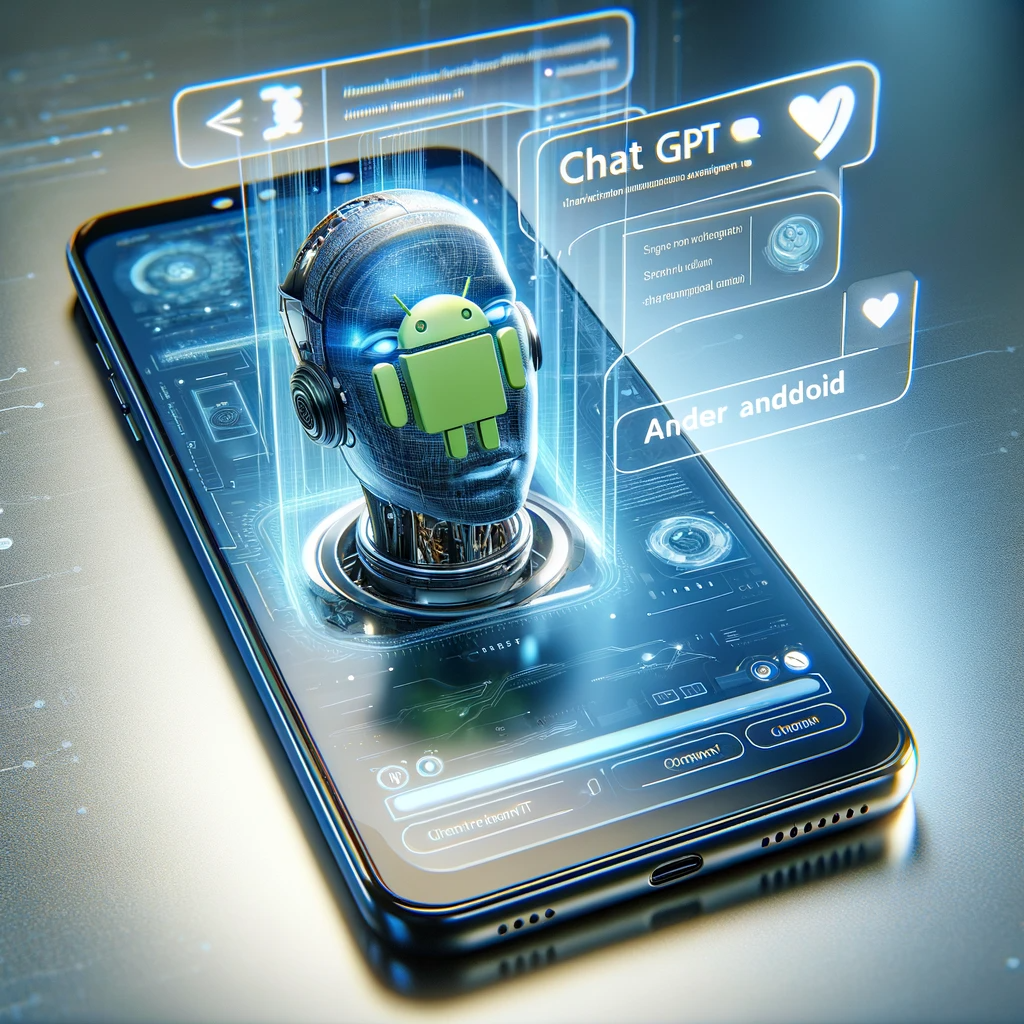
The rise of artificial intelligence (AI) in mobile technology is nothing short of revolutionary, and the latest buzz in this area is the potential ease of using ChatGPT on Android devices. This development raises the question: could ChatGPT become a viable alternative to the well-established Google Assistant? Let’s look at this interesting possibility.

ChatGPT

The Rise of ChatGPT on Android: A New Challenger for Google Assistant

ChatGPT, developed by OpenAI, is an AI-powered chatbot known for its conversational capabilities. It has evolved rapidly, demonstrating the ability to understand and answer complex questions with remarkable accuracy.

ChatGPT on Android: A New Era

Recent efforts to extend the usability of ChatGPT on Android mark a significant step forward. These improvements aim to make AI more accessible and user-friendly for the vast Android user base.

Google Assistant

The Rise of ChatGPT on Android: A New Challenger for Google Assistant

Google Assistant has been the go-to AI companion for Android users, deeply integrated into the ecosystem. It offers voice commands, smart home control, and personalized assistance.

Comparative Analysis: ChatGPT vs. Google Assistant

When it comes to features, both platforms have their strengths. ChatGPT excels in conversation depth and nuanced responses, while Google Assistant provides seamless integration with Android services.

Voice Assistance and AI Interaction

Voice command proficiency is critical for AI assistants. ChatGPT and Google Assistant both respond well to voice input, but their accuracy and speed can vary depending on the complexity of requests.

Personalization and Learning Curve

Personalization is important in AI technology. ChatGPT and Google Assistant both learn from user interactions, but their approaches are different. ChatGPT can provide a more customized conversation experience, while Google Assistant focuses on personalized service based on user data.

Integrating with the Android Ecosystem

ChatGPT’s compatibility with existing Android apps and services is critical to its success. Google Assistant, already integrated, provides a seamless user experience across various Android devices.

Offline Capabilities

Offline functionality is an important aspect of AI assistants. Currently, Google Assistant has the lead in this area, but ChatGPT’s advancements may close the gap in the future.

Privacy and Security Concerns

Data privacy is a major concern in AI. Both ChatGPT and Google Assistant take measures to protect user data, but their policies and implementation differ.

Potential Future Developments

The AI assistant market is growing rapidly. Predictions for ChatGPT and Google Assistant point to more intuitive, human-like interactions and broader functionalities.

The Impact on Android Users

The integration of ChatGPT into Android has implications for users, ranging from adopting new AI assistants to experiencing enhanced conversational interactions.

Expert Opinions and Analysis

Technical experts and analysts have different opinions on this development. Some see ChatGPT as a strong contender, while others believe that Google Assistant will maintain its dominance due to its deeper integration with Android.

Conclusion

The capabilities of ChatGPT on Android devices are immense, offering a new perspective on AI interactions. It remains to be seen whether it can replace Google Assistant, but the future of AI in mobile technology is undoubtedly exciting.

Google's Search Technology in the Legal Spotlight for Police Use

Google’s Search Technology in the Legal Spotlight for Police Use

In a recent legal filing, the Electronic Frontier Foundation (EFF), the National Association of Criminal Defense Lawyers (NACDL), and its Pennsylvania chapter raised concerns about a new investigative technique employed by the police, involving Google’s search technology. The technique, known as a keyword search warrant, gained attention after its pivotal role in a 2016 case where a Pennsylvania woman was raped.

Following the assault, law enforcement sought information from Google on users who had searched the victim’s name or address in the week leading up to the incident. Google responded by providing the IP address of an individual who had searched the victim’s address shortly before the crime. This breakthrough led to the monitoring and subsequent arrest of a corrections officer, who was convicted based on this evidence.

Privacy vs. Investigation

Google's Search Technology in the Legal Spotlight for Police Use

However, the EFF and NACDL argue that keyword search warrants represent a significant threat to privacy rights. They liken these warrants to digital dragnets that allow the government to extensively delve into private information. Michael Price from the NACDL Fourth Amendment Center emphasized the need for the Pennsylvania Supreme Court to consider the constitutionality of such warrants.

Legal and Societal Ramifications

The debate surrounding these warrants has intensified, especially in the context of the US Supreme Court’s recent decisions. Privacy advocates fear that these broad investigative techniques might not only infringe on privacy but could also be used to prosecute individuals seeking abortions in states where it’s illegal.

While Google ceased its response to geofence warrants in December, EFF’s Andrew Crocker emphasized that this change amplifies the importance of scrutinizing the legality of keyword search warrants. With law enforcement increasingly seeking innovative investigative tools, the potential popularity of these warrants raises concerns regarding citizens’ privacy and constitutional rights.

As legal battles unfold and technology continues to evolve, the balance between effective law enforcement and safeguarding individuals’ privacy remains a key challenge for courts and lawmakers alike.

Microsoft’s New Copilot Key is the First Big Change to Windows Keyboards in 30 Years

Microsoft’s New Copilot Key is the First Big Change to Windows Keyboards in 30 Years

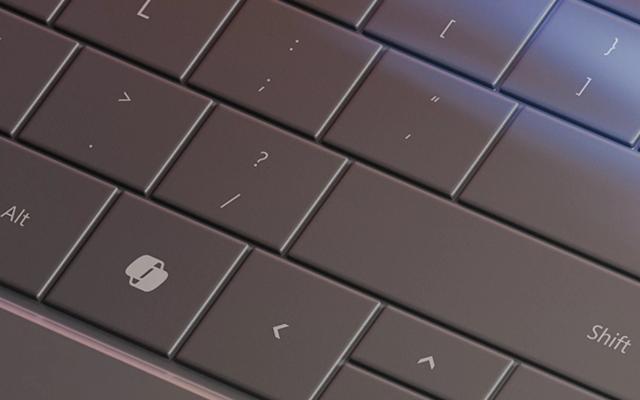
Microsoft has announced a groundbreaking addition to its upcoming Windows PCs: the Copilot key, aimed at facilitating text conversations with the company’s virtual assistant. This innovative inclusion marks one of the most significant changes to Windows keyboards in three decades, following the introduction of the Windows key in 1994, designed for accessing the Start menu.

Empowering Windows Users

Microsoft’s New Copilot Key is the First Big Change to Windows Keyboards in 30 Years

Image Source: ca.finance.yahoo.com

Set to revolutionize user interactions, the Copilot key leverages AI models from OpenAI, supported by Microsoft. This cutting-edge technology enables users to engage in human-like text exchanges with the virtual assistant, similar to the functionality of the popular ChatGPT chatbot. Among its capabilities, Copilot can draft emails, respond to queries, generate images, and even activate various PC features. Businesses subscribing to Copilot for Microsoft 365 will benefit from streamlined assistance in Teams chats, along with aid in crafting Word documents.

Integration and Functionality

Initially introduced in PCs running Windows 10, the world’s predominant operating system, and Windows 11, users could summon Copilot by pressing the Windows key combined with the C key. Now, Microsoft has taken this integration a step further by introducing a dedicated Copilot key on forthcoming Windows keyboards. This move is strategically aimed at driving a potential wave of PC upgrades, vital for Microsoft’s revenue growth, as approximately 10% of the company’s revenue is derived from its operating system.

The Era of AI PCs

As technology giants like Dell and HP aim to offer replacements for devices purchased during the pandemic, the industry is embracing the concept of the AI PC. This concept revolves around embedding specialized chip components within devices to efficiently run demanding computational models. Yusuf Mehdi, Microsoft’s head of Windows and Surface, predicts that 2024 will be the pinnacle year for AI PCs, driven by enhancements to Windows, PCs, and chip-level advancements.

Unveiling at CES and Future Availability

PC manufacturers are gearing up to showcase the Copilot key in the lead-up to the CES conference in Las Vegas. Microsoft Surface PCs will prominently feature this innovation, with device reveals expected before the conference and availability slated to begin later this month. A Microsoft spokesperson revealed that in certain instances, the Copilot key will replace the Menu key or the right Control key, while larger computers might accommodate both keys.

Microsoft’s introduction of the Copilot key signifies a pivotal step in enhancing user experience, driving the evolution of AI-powered PCs, and potentially reshaping the future of human-computer interactions.

Telegram Rolls Out New Update: Here are all the Features Coming to the App

Telegram Rolls Out New Update: Here are all the Features Coming to the App

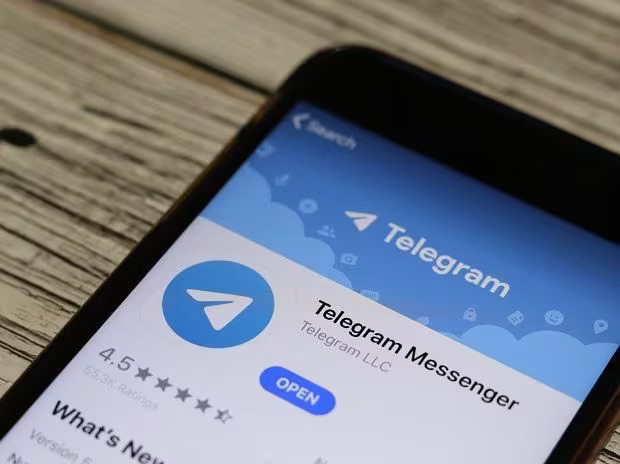
The well-known WhatsApp rival Telegram just released a feature-rich version with several enhancements to improve user experience. Redesigned calls, a special vaporise effect for erased messages, and major improvements to the platform’s bot capability are the update’s main attractions.

Improved Calls for a Modernised Feeling

Telegram Rolls Out New Update: Here are all the Features Coming to the App

Image Source: business-standard.com

The most recent Telegram update improves the visual experience overall by introducing a revamped call interface. Now, users can take advantage of fresh animations and backdrops that adapt instantly to the state of the call—whether it’s ringing, active, or over. For users of older devices in particular, the creative design not only offers a new appearance but is optimised for resource economy, meaning less battery use.

Effect of Vaporisation on Message Elimination

The addition of a vaporise effect when deleting messages, reminiscent of Thanos’ snap, is one of the update’s most notable additions. This eye-catching and energy-efficient animation was first an experimental feature on iOS for auto-deleted texts, but it is now accessible on both the iOS and Android platforms. Every time a message is removed, users will see this eye-catching effect, which livens up everyday interactions.

Update on Bots: Enhancing Bot Experience

The free bot platform offered by Telegram, which is well-known for enabling developers to easily connect to other services, has received a significant update. This includes a broad range of enhancements, from better responses to new features that increase the potential of bots on the network.

With the most recent version, Telegram bots may now reply to messages, track comments, quotations, and links, and reply to other chats or subjects. Additionally, this upgrade allows bots with administrator capabilities to access information about giveaways and boosts within the channels. With these improvements, bots in the Telegram ecosystem will be able to perform a wider range of jobs and become more involved.

Optimal Utilisation of Resources

In addition to its eye-catching improvements, the Telegram update prioritises resource efficiency. In keeping with Telegram’s mission to deliver an inclusive user experience, the revised call interface uses fewer resources, meaning longer battery life, and faster operation on older devices.

To sum up, Telegram’s most recent upgrade shows the platform’s commitment to innovation and ongoing development. Improved calling, visually stimulating message deletions, and an improved bot platform with endless interaction possibilities are now available to users.