Your Tech Story

tech news

Upgrade to iOS 17.3: Apple Adds Powerful Stolen Device Security to iPhone

Upgrade to iOS 17.3: Apple Adds Powerful Stolen Device Security to iPhone

With the release of iOS 17.3, Apple has significantly improved iPhone security by introducing Stolen Device Protection. The purpose of this new function is to prevent hackers from accessing private data kept in iCloud or other important accounts. Stolen Device Protection forces users to utilise biometric identification, such as fingerprint scanning or Face ID, for some tasks, like accessing stored passwords or requesting a new Apple Card, in contrast to conventional passcode methods on the lock screen.

The update adds a Security Delay for more sensitive operations, such as resetting your iPhone passcode or Apple ID password, to further improve security. Apple claims that this Security Delay requires Face ID or Touch ID, which is followed by an additional successful biometric authentication and an hour-long delay. 

Upgrade to iOS 17.3: Apple Adds Powerful Stolen Device Security to iPhone

Only the legitimate owner will be able to do important operations on the device thanks to this multi-step procedure, which provides an additional degree of security. Notably, context-aware security measures are added when users are away from familiar places like home or work and additional authentication is triggered.

It’s simple to activate stolen device protection. Toggle the function on by going to the Settings app, choosing Face ID & Passcode, entering their device passcode, and so on. Apple highlights that there is strong protection against unwanted access with this latest security upgrade.

iOS 17.3 Brings Group Playlists

Together with security-related changes, iOS 17.3 brings group playlists to the Apple Music app. By enabling friends to join and contribute to playlists, this feature improves the social and interactive elements of sharing music.

Additionally, Apple gives customers more alternatives for entertainment while travelling by expanding the ability to stream content to TVs in a limited number of hotels.

Apple has released upgrades for devices running iOS 9, 15, and 16 in addition to iOS 17.3. Although specific details regarding these upgrades are not given, it is indicated that they could contain significant security fixes, demonstrating Apple’s dedication to preserving the ecosystem’s overall security.

These upgrades help to provide a safer and more robust environment for iPhone users, as Apple continues to prioritise user security. This ensures that their sensitive and personal data is secured against possible threats and unauthorised access.

AI Voice-Cloning Leader ElevenLabs Achieves $1.1 Billion Valuation Milestone

AI Voice-Cloning Leader ElevenLabs Achieves $1.1 Billion Valuation Milestone

AI startup ElevenLabs has recently achieved unicorn status following a successful Series B funding round, raising $80 million from notable investors like Andreessen Horowitz, Nat Friedman, and Daniel Gross. The round, undisclosed by ElevenLabs but estimated to value the company at $1.1 billion, highlights the escalating interest in generative AI technology among investors.

In just two years, ElevenLabs has seen a remarkable surge in valuation, leaping from $100 million in its previous funding round in 2023 to the current billion-dollar status. This growth, as indicated by PitchBook data, mirrors the increasing anticipation surrounding the widespread adoption of AI voice generation across various industries.

Diverse AI Voice Generation Capabilities

AI Voice-Cloning Leader ElevenLabs Achieves $1.1 Billion Valuation Milestone

Headquartered in London, ElevenLabs specializes in developing AI models and tools for creating diverse AI-generated voices, encompassing different languages, accents, and emotions. The startup, currently employing around 40 remote workers globally, plans to expand its workforce to 100 by the end of the year, according to CEO Mati Staniszewski.

ElevenLabs boasts a growing customer base that includes individual content creators and enterprises such as Storytel, Paradox Interactive, and The Washington Post. Notably, the startup plays a pivotal role in political campaigns in the United States, enabling campaign staff to connect with voters who speak foreign languages.

AI Content Detection Advocacy

Mati Staniszewski emphasizes the importance of transparency in AI-generated content. As AI continues to proliferate across social media campaigns, ElevenLabs advocates for robust methods to detect AI content and trace its origins. The startup’s tools, including the AI Speech Classifier, aim to identify AI-generated audio content, promoting awareness of the use of AI in various applications.

Marketplace and Future Endeavors

Beyond its current offerings, ElevenLabs is developing a marketplace where users can generate AI voices and monetize them through licensing. With a focus on building both research capabilities and a comprehensive workflow layer, the startup distinguishes itself in a competitive landscape that includes giants like OpenAI, known for its ChatGPT that popularized generative AI.

In conclusion, ElevenLabs’ valuation milestone underscores the growing significance of AI voice generation technology, with the startup positioned as a key player in an evolving landscape of generative AI startups.

China Boosts Chip Gear Purchases to $40B to Counter US Tech Curbs

China Boosts Chip Gear Purchases to $40B to Counter US Tech Curbs

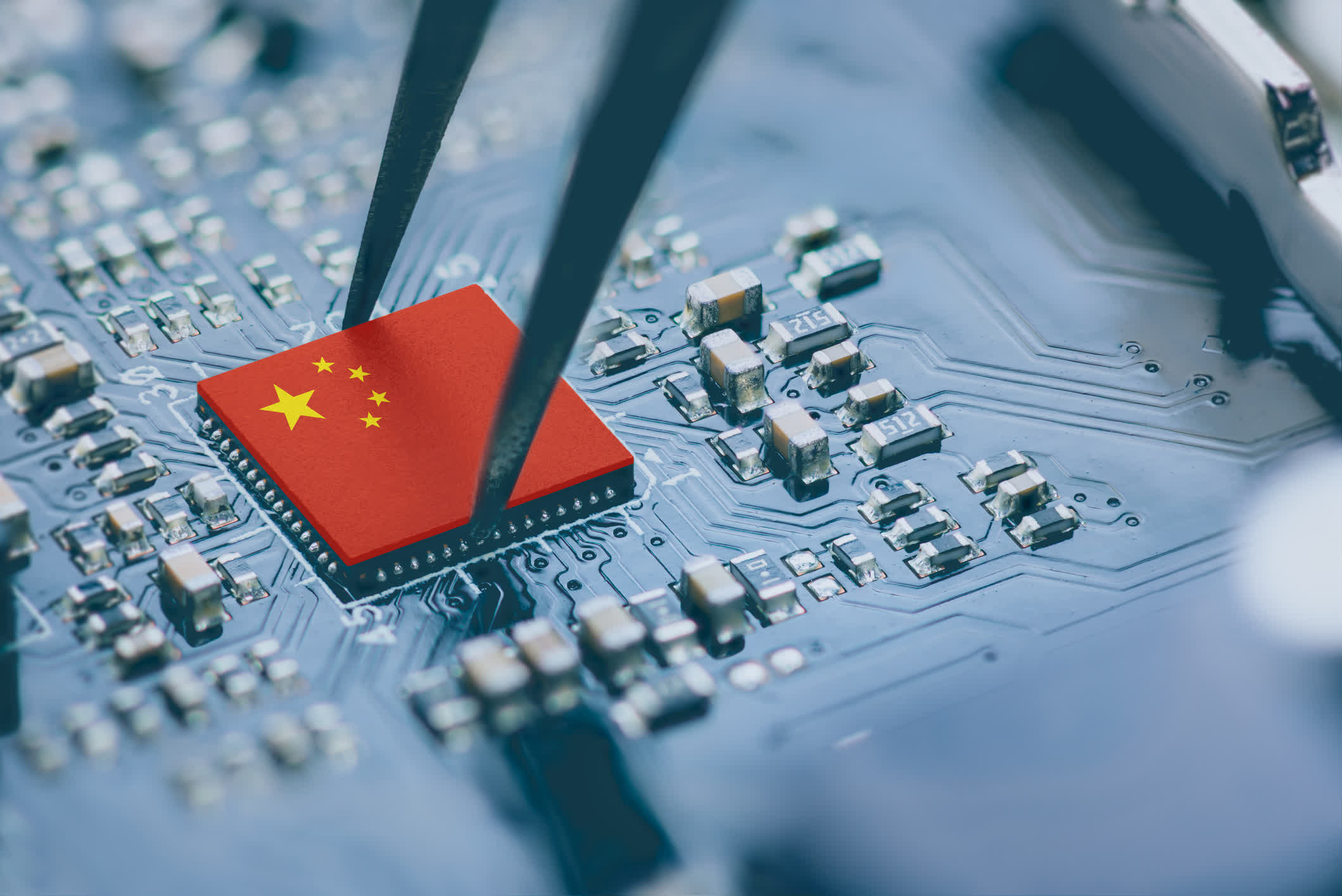
China dramatically expanded its imports of chipmaking gear in 2023 as a calculated attempt to support its semiconductor sector and overcome limitations set by the US. Based on official customs statistics, Bloomberg calculated that imports of computer chip-related equipment increased by 14% to around $40 billion, the second-highest amount since 2015. This increase happened in the midst of a 5.5% overall dip in China’s total imports during the same time frame.

China Boosts Chip Gear Purchases to $40B to Counter US Tech Curbs

Image Source: techspot.com

Achieving self-sufficiency in chip manufacturing has been accorded top priority by the Chinese government and the semiconductor industry, especially in light of the difficulties caused by export restrictions enforced by the US and its allies. 

The US sees China’s high-tech sector as a possible danger, and these limitations have made it harder for Chinese enterprises to have access to state-of-the-art chipmaking gear.

Chinese Chip Businesses are Making Significant Investments

Chinese chip businesses are making significant investments in constructing new semiconductor production facilities to boost national capabilities and get around export control obstacles. Crucially, these restrictions have restricted Chinese companies’ access to the equipment needed to manufacture the strongest and most sophisticated semiconductors.

Notably, in anticipation of increased export restrictions, China saw a spike in imports from the Netherlands. The Netherlands has enforced regulations that impede Chinese enterprises, such as Semiconductor Manufacturing International Corp., from obtaining the newest equipment for producing chips. Lithography equipment imports from the Netherlands surged by about 1,000% year over year in December, totalling $1.1 billion, as businesses hurried to stock up before this month’s Dutch limitations went into effect.

The US government apparently requested that Dutch business ASML Holding NV stop shipments of some of its cutting-edge machinery to China even before the new limitations went into force. These cancellations happened just before export restrictions on expensive machinery used to make chips were supposed to go into force.

China’s significant investment in chip manufacturing equipment demonstrates its determination to become technologically independent and to get past international barriers. A crucial component of the country’s long-term economic plan continues to be its emphasis on developing a strong semiconductor sector.

The significant rise in imported chipmaking equipment demonstrates China’s will to maintain its leadership in the global semiconductor market in spite of outside obstacles.

Apple Music Will Pay Artists an 10% Bonus For Spatial Audio Music

Apple Music Will Pay Artists an Additional 10% Incentive For Spatial Audio Music

In a significant move that is resonating across the music industry, Apple Music has recently announced that it will pay artists 10% higher royalties for tracks in spatial audio. This initiative marks a new chapter in Apple’s support for artists and enhancing music streaming experiences.

What is Spatial Audio in Apple Music?

Spatial Audio is the latest feature from Apple Music that delivers an immersive, multi-dimensional sound experience. This allows listeners to enjoy music with a sense of depth and space, simulating a live music environment.

Apple Music's Announcement: A Boost in Royalties

Apple Music Will Pay Artists an 10% Bonus For Spatial Audio Music

Apple Music’s decision to increase royalties for spatial audio tracks by 10% is a significant development, signaling the company’s commitment to encouraging high-quality content creation. This increase in royalties is expected to benefit artists, especially those who are experimenting with and adopting advanced audio formats like Spatial Audio.

How Artists are Responding to Apple Music's Move

Many artists have welcomed Apple Music’s decision, seeing it as a positive step towards adequately recognizing and compensating their creative efforts. Emerging artists in particular will benefit from this move, as it opens up new avenues of innovation and creativity in music production.

What Does This Mean for Apple Music Users?

For Apple Music users, this initiative not only promises a better listening experience but also supports the artists behind their favorite tracks. Listeners on Apple Music can now explore a growing library of tracks in spatial audio, experiencing music in a whole new way.

The Future of Music Streaming with Spatial Audio

The integration of spatial audio is expected to shape the future of music streaming, with the potential for more interactive and immersive listening experiences. The adoption of spatial audio also presents new challenges and opportunities for innovation in music production and distribution.

Embracing a New Era in Music Streaming

In conclusion, Apple Music’s decision to increase royalties for spatial audio music represents an important step toward supporting artistic innovation and enhancing the music streaming experience.

Meta's Game-Changing AI Drives Ad Campaign Returns Up by 32%

Meta’s Game-Changing AI Drives Ad Campaign Returns Up by 32%

In a groundbreaking revelation, Nicola Mendelsohn, the global business group head at Meta Platforms Inc., has shared insights into the transformative impact of artificial intelligence (AI) on advertising campaigns. According to Mendelsohn, the deployment of AI tools within Meta’s apps has led to a remarkable 32% increase in return on spending for advertisements.

Driving Efficiency: Cost Reduction and Simplified Processes

Not only has AI proven to be a game-changer in elevating returns, but it has also played a crucial role in slashing the cost of acquisition by approximately 17%. Mendelsohn highlighted these significant improvements during an interview with Bloomberg Television at the World Economic Forum in Davos.

One of the most notable advancements lies in the streamlining of the campaign creation process. Traditionally, advertisers navigated through a complex series of 15 to 30 steps to set up a campaign. However, with Meta’s AI integration, this cumbersome process has been condensed into a single-button operation. This not only saves time but also enhances user experience, making it more accessible for businesses to engage in advertising on Meta’s platform.

Meta's Generative AI Tools: A Catalyst for Innovation

Meta's Game-Changing AI Drives Ad Campaign Returns Up by 32%

Image Source: bnnbreaking.com

In a bid to further empower advertisers, Meta introduced new generative AI tools last year. These cutting-edge tools facilitate the rapid creation of images and text, enabling companies to expedite the development of their ad content. Moreover, Meta’s AI goes beyond mere efficiency gains; it can predict the performance of ads, providing advertisers with invaluable insights to refine and optimize their campaigns.

Adapting to Privacy Changes: Meta's Broader Strategy

Meta’s foray into AI-driven advertising is not just a response to market demands but also a strategic move to overcome challenges posed by privacy changes at Apple Inc. With the loss of targeting data, Meta has been proactive in enhancing its performance through innovative AI solutions. These tools not only compensate for the gaps but propel Meta’s advertising capabilities to new heights.

In conclusion, Meta’s embrace of artificial intelligence has revolutionized the advertising landscape. The substantial increase in returns, coupled with cost reduction and simplified processes, underscores the pivotal role AI plays in Meta’s commitment to delivering value to advertisers. As the industry evolves, Meta continues to lead the way, leveraging the power of AI to redefine the future of digital advertising.

Apple Watches Will Hit The Market Without the Oxygen Feature After Legal Setback

Apple Watches Will Hit The Market Without the Oxygen Feature After Legal Setback

Following a recent legal defeat, Apple has strategically stated that it would no longer be offering the blood oxygen monitoring capability on its Apple Watch Series 9 and Ultra 2 models in the United States. The decision is made in the midst of a legal dispute between the tech giant and Masimo, a medical technology startup, over patents pertaining to the technology used in the blood oxygen monitoring feature.

Apple’s shares fell 0.5% to close at $182.68 after the U.S. Court of Appeals for the Federal Circuit decided on Wednesday that the company could no longer sell the disputed models. The U.S. International Trade Commission (ITC) had previously granted Masimo a ruling in December that resulted in a brief suspension of the devices’ imports.

Apple Watches Will Hit The Market Without the Oxygen Feature After Legal Setback

Image Source: gulftime.ae

As the legal dispute plays out, Apple’s decision to deactivate the blood oxygen monitoring feature is perceived as a preventive action to maintain sales of the watches in one of its biggest markets. On Thursday at 6 a.m. Pacific Time, the Series 9 and Ultra 2 devices without this capability will be on sale both in-store and on Apple’s website.


Joe Kiani, the founder and CEO of Masimo, acknowledged the value of upholding intellectual property rights while expressing his happiness with the court’s decision. Apple has been charged by Masimo of recruiting its staff members and stealing pulse oximetry technology to use in Apple Watches.

Apple Voiced disagreement

Apple, on the other hand, maintains that the ITC ruling and any follow-up orders should be overturned and has voiced strong disagreement with them. The manufacturer maintains that the Series 9 and Ultra 2 devices available in the United States will retain the blood oxygen functionality, with a visible app icon. On the other hand, users who tap on these symbols will be notified that the services are not available.

It is speculated by analysts that Apple made a calculated decision to disable the blood oxygen characteristics rather than stop selling the watches in the US. With $39.84 billion of the company’s $383.29 billion in sales for the fiscal year 2023 coming from the wearables category, which includes the Apple Watch, wearable technology plays a major role in the company’s earnings.

Apple has asked that the ITC’s import restriction be put on hold indefinitely while the appeals process is ongoing. The legal battle is anticipated to last for around a year. The business is confident in its appeal, saying that the prohibition, if upheld, would have significant impacts on Apple, its suppliers, and the public.

The smartwatch market will be closely observing Apple’s response to this legal setback and how it plans to maintain its market share and strategic positioning in the wearables business.

"Pending the appeal, Apple is taking steps to comply with the ruling while ensuring customers have access to Apple Watch with limited disruption," Apple said. "These steps include introducing a version of Apple Watch Series 9 and Apple Watch Ultra 2 in the United States without the Blood Oxygen feature. There is no impact to Apple Watch units previously purchased that include the Blood Oxygen feature."

businessinsider.in