Your Tech Story

tech news

Stealth AI Startup Aims to Speed Up Global Hiring After $27 Million Fundraise

Stealth AI Startup Aims to Speed Up Global Hiring After $27 Million Fundraise

Borderless AI, a disruptive AI-powered startup in the Employer of Record (EOR) sector, has announced a significant milestone today by securing $27 million in seed funding. This funding will fuel the company’s mission to leverage generative AI for automating and expediting the onboarding, management, and payment processes for international team members, revolutionizing the global HR landscape. The investment was led by Susquehanna and Aglaé Ventures, with participation from other institutional investors.

Disrupting Traditional Norms

Stealth AI Startup Aims to Speed Up Global Hiring After $27 Million Fundraise

Image Source: forbes.com

Borderless AI’s innovative AI agent, Alberni, is set to revolutionize how companies approach global hiring. Unlike the conventional 7-10 business days required for onboarding in multiple countries, Alberni can navigate complex processes in any country within a mere 10 minutes. This breakthrough slashes through compliance, payment, tax law, and onboarding hurdles, empowering businesses to operate seamlessly across borders.

Industry Leaders and Visionaries

Founded by serial entrepreneur Willson Cross and Lyft’s founding investor Sean Aggarwal, Borderless AI’s strategic vision aligns with the evolving landscape of vertical-specific AI solutions. With companies like Harvey and Sierra paving the way in other sectors, Borderless AI introduces AI agents to HR, envisioning them as commonplace tools akin to websites and mobile apps in previous decades.

“AI agents are the future of HR, streamlining complexities like payroll setup, time-off requests, and employment agreements,” stated Willson Cross, Co-founder, and CEO of Borderless AI. “Our platform, powered by conversational AI and available in 170 languages, ensures geographic expansion and successful business operations globally.”

Transforming Global Workforces

Alberni’s capabilities extend beyond basic onboarding tasks; it can tackle intricate employment law, finance, and tax queries, catering to the demands of distributed global workforces. This transformative technology not only accelerates hiring but also enhances compliance, cost-efficiency, and scalability for businesses of all sizes and industries.

“Our mission is to democratize access to global job opportunities, empowering talented individuals worldwide,” expressed Sean Aggarwal, Executive Chairman, and Co-founder of Borderless AI. “By removing geographic barriers through AI-driven HR solutions, we’re fostering economic empowerment and reshaping the future of work.”

Borderless AI’s clientele includes diverse organizations such as the popular dating app Raya, global architecture firm MG2, and venture-backed fintech startup Affiniti, showcasing the broad applicability and impact of their AI solutions across sectors.

A Path to Global Success

Collaborating with strategic partners like Cohere, Borderless AI has developed a proprietary data platform augmenting Cohere’s Large Language Model (LLM). This partnership emphasizes trust, accuracy, and innovation at the core of their technology, reinforcing Borderless AI’s position as an industry leader in AI-driven HR solutions.

With a growing demand for technologies facilitating international hiring complexities, Borderless AI’s AI agent represents a pivotal advancement in the EOR market. By compressing timelines from days to minutes and providing comprehensive HR support, Borderless AI is spearheading a transformative shift in global workforce management.

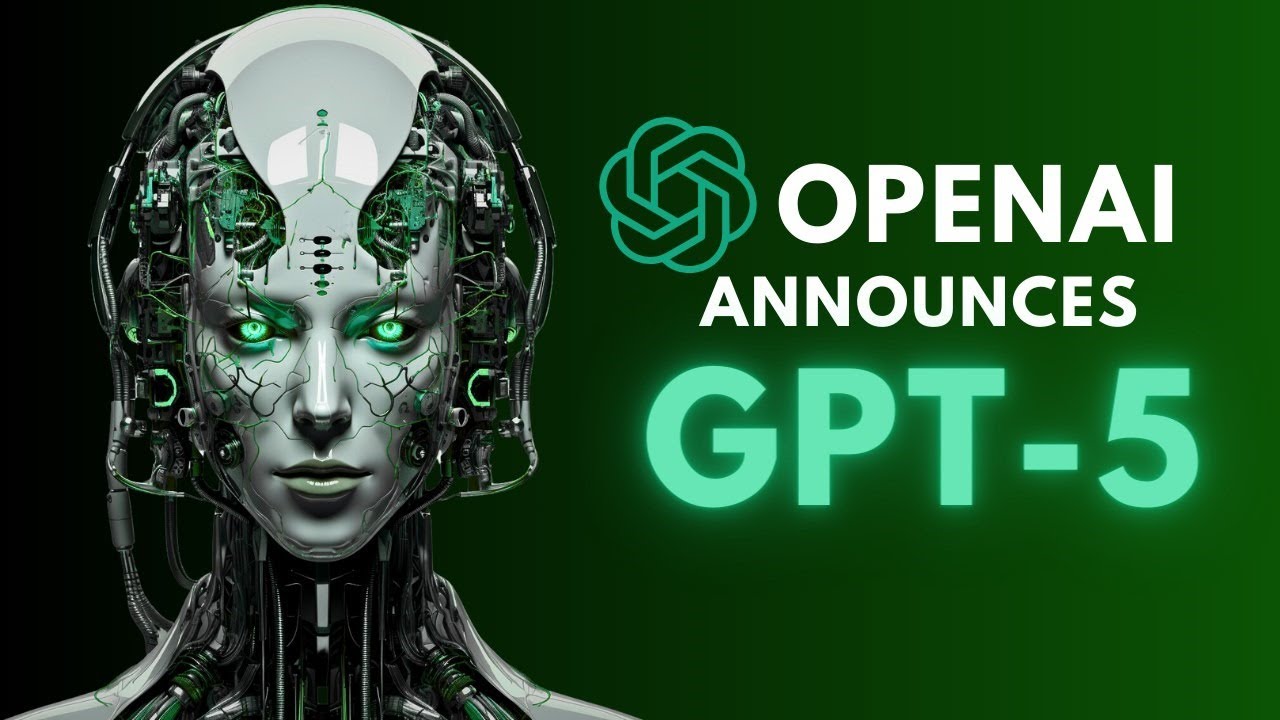
OpenAI Announces the Arrival of GPT-5: The Next Generation in AI Technology

OpenAI Announces the Arrival of GPT-5: The Next Generation in AI Technology

In the rapidly evolving landscape of artificial intelligence (AI), OpenAI has been a trailblazer with its Generative Pre-trained Transformer (GPT) series. Building on the success of ChatGPT and its predecessors, OpenAI is gearing up for the launch of GPT-5, the next-generation multimodal large language model that promises to redefine AI capabilities and applications.

According to anonymous sources familiar with the matter, OpenAI is diligently working on GPT-5, with a targeted launch window set for mid-2024, likely during the summer. The company has been collaborating with third-party organizations to refine and enhance the technology. A recent live demo showcased GPT-5’s prowess in handling specific use cases and datasets tailored to individual companies, earning high praise from industry insiders for its advancements over previous iterations

Key Features and Advancements

OpenAI Announces the Arrival of GPT-5: The Next Generation in AI Technology

Image Source: youtube.com

GPT-5 and the upcoming ChatGPT iteration will introduce several new features designed to elevate user experience and functionality. One notable enhancement is the integration of external “AI agents,” allowing GPT-5 to seamlessly collaborate with specialized agents developed by OpenAI to perform designated tasks independently. While an exact release date remains undisclosed, ongoing development progress indicates a summer launch for GPT-5 and associated upgrades.

Prior to its official release, GPT-5 will undergo rigorous testing phases to ensure safety, reliability, and optimal performance. OpenAI’s development roadmap includes extensive internal testing by designated personnel as well as evaluation by external “red teams” to assess the model’s capabilities and identify potential areas for improvement or refinement. The beta phase will play a crucial role in fine-tuning GPT-5 before its public debut.

Continual Innovation and Future Prospects

The forthcoming launch of GPT-5 marks a significant milestone in OpenAI’s journey towards advancing AI technology. CEO Sam Altman acknowledges the transformative potential of GPT-5, citing substantial improvements over previous iterations. Altman’s remarks reflect OpenAI’s commitment to pushing the boundaries of AI capabilities and addressing user feedback to deliver more intuitive, responsive, and versatile AI solutions.

As OpenAI prepares to unveil GPT-5 and its enhanced features, anticipation is high within the AI community and industry sectors reliant on cutting-edge technology. With its track record of innovation and collaboration, OpenAI’s GPT-5 stands poised to revolutionize the AI landscape, offering unprecedented levels of sophistication, functionality, and performance for diverse applications.

Samsung to Launch Mach-1 AI Chip Late This Year

Samsung to Launch Mach-1 AI Chip Late This Year

Leading tech company Samsung Electronics is poised to upend the AI semiconductor market with the release of the Mach-1, a state-of-the-art AI accelerator chip. During the company’s most recent shareholder meeting, Samsung’s head of device solutions division, Kye Hyun Kyung, made this audacious announcement, marking a major strategic shift for Samsung into the field of logic chips for AI applications.

Creation of the Mach-1 Chip

Samsung to Launch Mach-1 AI Chip Late This Year

Image Source: digit.in

The design of the Mach-1 AI chip has already passed stringent technological validation on field-programmable gate arrays (FPGAs), and the chip is presently undergoing advanced stages of development. Among other things, the Mach-1 makes use of LPDDR memory, a novel technology that significantly lowers the amount of memory bandwidth needed for inference when compared to previous designs. By strategically using LPDDR memory, the Mach-1 fills a critical market requirement by positioning itself as a lightweight AI processor that is independent of high bandwidth memory (HBM).

The Strategic Positioning of Samsung

The Mach-1, Samsung’s entry into the AI chip business, is not intended to directly compete with extremely expensive options such as Nvidia’s H100 or B100 series. Rather, Samsung is focusing on creating an AI inference accelerator that is tailored for edge computing applications and is built on an application-specific integrated circuit (ASIC). With an emphasis on low power consumption, small size, and affordability, Samsung responds to the increasing demand from a variety of industries for effective AI solutions. Moreover, the creation of specialized laboratories for artificial general intelligence (AGI) research in Korea and the US demonstrates Samsung’s dedication to the advancement of AI semiconductor technology. These labs are essential for fostering innovation in the development of new memory and processors that can meet the changing processing needs of AGI systems in the future.

Prospects for the Future and Conclusion

With the launch of the Mach-1 AI processor, Samsung is demonstrating its intent to take on market leaders like Nvidia and make a big impact in the AI semiconductor space. With a focus on efficiency, innovation, and strategic alliances, Samsung is well-positioned to transform the AI technology market. Anticipation is growing about the Mach-1 chip’s possible effects on the semiconductor industry and the larger AI ecosystem as Samsung prepares to release it later this year.

With the launch of the Mach-1 AI processor, Samsung is demonstrating its intent to take on market leaders like Nvidia and make a big impact in the AI semiconductor space. With a focus on efficiency, innovation, and strategic alliances, Samsung is well-positioned to transform the AI technology market. Anticipation is growing about the Mach-1 chip’s possible effects on the semiconductor industry and the larger AI ecosystem as Samsung prepares to release it later this year.

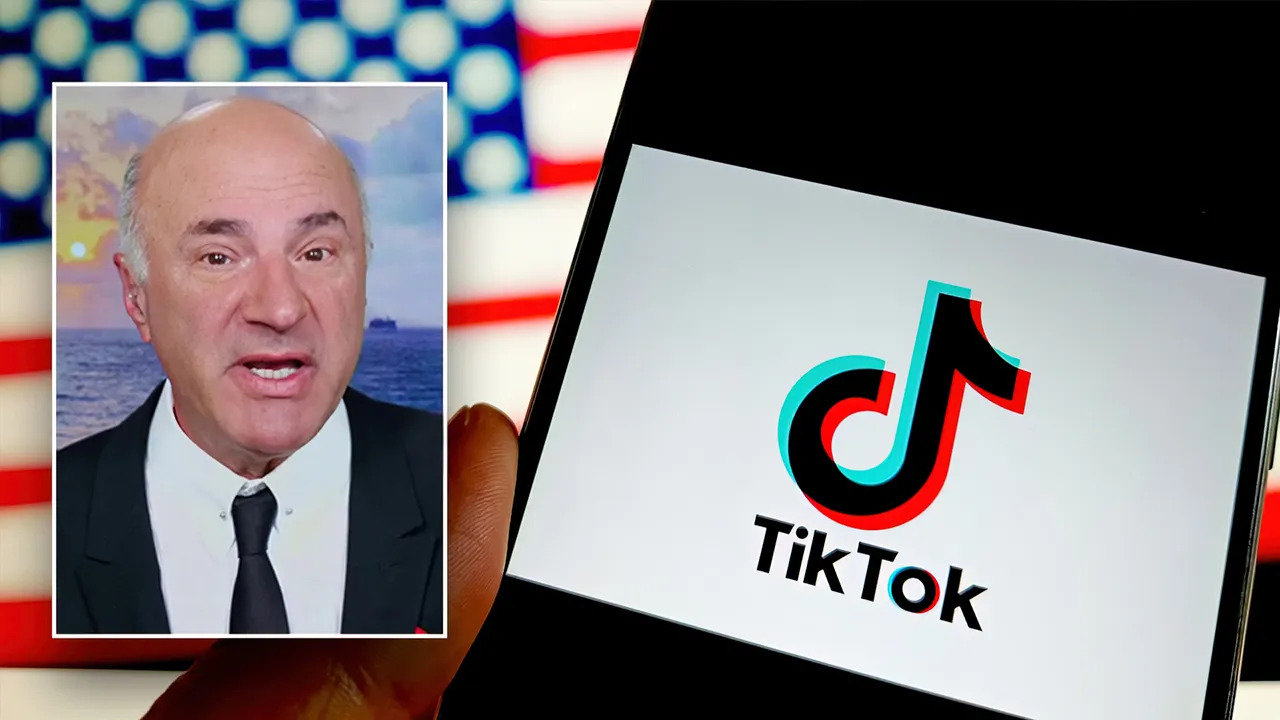
Kevin O'Leary Eyes TikTok Acquisition at 90% Discount

Kevin O’Leary Eyes TikTok Acquisition at 90% Discount

In a surprising turn of events, Kevin O’Leary, the renowned entrepreneur and star of the hit show “Shark Tank,” has publicly expressed his interest in acquiring the popular social media platform TikTok. However, what makes this proposition particularly intriguing is his aim to secure the deal at up to a 90% discount. Here’s a deeper dive into O’Leary’s strategic reasoning behind this ambitious proposal.

O'Leary's Bold Move

Kevin O'Leary Eyes TikTok Acquisition at 90% Discount

Image Source: foxbusiness.com

Kevin O’Leary, also known as “Mr. Wonderful” for his sharp business acumen and no-nonsense approach to investment, has never shied away from making headlines with his bold business moves. His latest interest in TikTok is no exception, sparking curiosity and speculation within the business and tech communities.

The Rationale Behind the Discount

O’Leary’s proposition stems from a combination of factors that he believes devalues TikTok’s current market position. Firstly, the increasing regulatory scrutiny faced by TikTok in several countries over data privacy concerns poses a significant risk to its continued global operation and growth. O’Leary argues that this heightened regulatory environment could potentially lead to bans or restrictions, severely impacting TikTok’s user base and profitability.

Furthermore, the competitive landscape of social media platforms is constantly evolving, with new players entering the market and existing platforms enhancing their features to retain user engagement. This competition, according to O’Leary, makes TikTok’s dominant position less secure in the long run, thereby justifying a lower valuation.

The Strategic Advantage

O’Leary envisions turning TikTok into a powerhouse of profitability by leveraging its vast user base and engagement metrics to attract high-value advertising deals and partnerships. He believes that by acquiring TikTok at a discount, he can mitigate the risks associated with regulatory challenges and market competition while capitalizing on its existing strengths.

While the idea of acquiring TikTok at such a steep discount may seem far-fetched to some, O’Leary’s proposal raises important questions about the future of TikTok and the value of social media platforms in a rapidly changing digital landscape. If successful, O’Leary’s gamble could redefine how businesses evaluate and capitalize on social media assets.

Conclusion

Kevin O’Leary’s interest in purchasing TikTok at up to a 90% discount is a testament to his reputation as a visionary investor who is not afraid to make bold moves. Whether his ambitious plan will come to fruition remains to be seen, but it undoubtedly adds an intriguing chapter to the ongoing narrative of TikTok’s global saga. As the world watches on, the outcome of this proposal could have significant implications for the future of social media investments and the valuation of digital platforms in an ever-evolving market.

Spotify Rolls Out New Miniplayer Feature for Desktop Users

Spotify Rolls Out New Miniplayer Feature for Desktop Users

To improve the listening experience of millions of people around the globe, Spotify has officially unveiled its latest feature: a sleek and user-friendly Miniplayer for desktop platforms. This innovative combination aims to provide Spotify users with a more convenient and accessible way to control their music without disrupting their workflow or browsing experience.

Seamless Integration for Uninterrupted Listening

The new Miniplayer feature marks a significant leap towards seamless music enjoyment, allowing users to play, pause, and skip tracks directly from a compact interface on their desktop screen. This development comes as a response to user feedback looking for more flexible and less intrusive ways to manage their Spotify playlists while multitasking on their computers.

How the Miniplayer Works

Spotify Rolls Out New Miniplayer Feature for Desktop Users

Image Source: open.spotify.com

Spotify’s Miniplayer easily integrates into the desktop app, occupying minimal screen real estate while providing full control over music playback. Users can activate the Miniplayer with a simple click, which transforms the normal Spotify interface into a discreet but functional player. This ensures that users can enjoy uninterrupted music while focusing on other tasks.

Features and Functionality

Despite its compact size, the Miniplayer doesn’t skimp on features. Users have access to essential controls like play, pause, skip, and volume adjustment. Additionally, the Miniplayer displays track information including song title, artist, and album cover, ensuring users stay informed about what’s playing without the need to open the full Spotify application.

A Strategic Move to Enhance User Experience

Spotify’s introduction of the Miniplayer on desktop platforms underlines the company’s commitment to improving user experience and adaptability. By allowing users to easily manage their music playback, Spotify continues to establish itself as a leading music streaming service that values ​​convenience, innovation, and user satisfaction.

Availability and Accessibility

The Miniplayer feature is rolling out globally and will be available to all Spotify users on desktop platforms including Windows and macOS. To access the Miniplayer, users simply need to update their Spotify desktop app to the latest version, where they will have the Miniplayer option readily available.

Conclusion

Spotify’s launch of the Miniplayer feature represents a thoughtful improvement designed to meet the growing needs of its user base. By offering a more integrated and less disruptive listening experience, Spotify not only enriches the music streaming experience, but reaffirms its position as a platform that innovates with the user in mind.

As the Miniplayer begins to make its way to desktops around the world, Spotify users can look forward to a more streamlined and enjoyable music listening experience, further strengthening the bond between the streaming service and its global community of music lovers.

Google Faces €250 Million Fine in France Over News Publisher Dispute

Google Faces €250 Million Fine in France Over News Publisher Dispute

The competition authority in France, Autorite de la Concurrence, fined Alphabet Inc.’s Google a whopping €250 million for not negotiating agreements with media outlets for the publication of links to their material. Google was also fined for training its AI system on press articles without properly notifying the authorities or the publishers.

Context of the Conflict

Google Faces €250 Million Fine in France Over News Publisher Dispute

Image Source: euronews.com

The fine is related to a copyright dispute that was started by Agence France Presse (AFP), one of the biggest news organisations in France, along with other complaints. Due to legal action taken against it in the past over its management of French web material, Google was first fined €500 million. Google’s decision to withdraw its appeal in 2022 gave the impression that the matter had been settled, but the latest decision shows that the internet giant and French regulators are still at odds.

Penalties for Violations

The French watchdog on competition discovered that Google had broken four of the seven promises made in a settlement deal. Among these transgressions are the inability to negotiate in good faith with publishers and the opaqueness of the information provided. The problem was additionally made worse by Google’s unauthorised usage of press articles to train its artificial intelligence (AI) system.

Regulatory Action's Escalation

The French authorities’ ongoing efforts to hold Google responsible for its dealings with the media industry are reflected in these most recent penalties. The regulatory body has demonstrated its unwavering commitment to ensuring equitable treatment for press publishers by imposing sanctions on the internet giant for comparable offences.

European Union's Directive on Copyright

The efforts of the French antitrust body are in line with larger European Union policies that seek to rectify the power disparity between press publishers and digital firms. Neighbouring rights requirements were established by the EU’s 2019 Copyright Directive, which mandates that platforms such as Google sign arrangements with publishers for the use of their work.

Google's Past Legal Conflicts

The dispute between Google and European regulators on its handling of news publishers is not new. The business has previously been the target of legal issues and investigations in several European nations, including Germany and Spain. While some instances have been resolved, others have forced Google to make big operational adjustments, including briefly removing its News service from Spain.

In summary, Google’s €250 million punishment levied by the French competition authorities highlights the continuous conflict between internet companies and regulators on equitable treatment of news producers. It’s unclear how Google and other platforms will modify their business models to comply with legal requirements as long as debates about digital copyright and neighbouring rights go on.