Your Tech Story

tech news

TikTok Introduces New App to Compete With Instagram: Social Media Competition Heats Up

TikTok Introduces New App to Compete With Instagram: Social Media Competition Heats Up

In an unexpected move that has caused a stir across the social media landscape, TikTok has officially announced its plans to launch a new app designed to compete directly with Instagram. This ambitious venture aims to redefine the social media experience, offering users a unique platform that combines innovative content creation tools with a fresh approach to user engagement.

A Bold Move in the Competitive Arena

TikTok Introduces New App to Compete With Instagram: Social Media Competition Heats Up

Image Source: finance.yahoo.com

TikTok, known primarily for its short-form video content, has seen rapid growth over the past few years, attracting audiences around the world with its engaging and innovative content. However, with the unveiling of its new app, TikTok is moving into an area dominated by Instagram, one of the world’s most popular photo-sharing platforms.

A spokesperson for TikTok said at the official announcement event, “This isn’t just an extension; it’s a revolution.” “Our goal is to create a platform that encourages creativity, fosters community, and redefines what social media can be.”

What Sets the New App Apart?

The new app, whose name is yet to be revealed, promises to integrate the best of TikTok’s video capabilities with a new, sophisticated image-sharing ecosystem. It aims to provide users with a more immersive and interactive experience, offering advanced editing tools, augmented reality features, and a highly intuitive user interface.

One of the key features highlighted during the announcement was the app’s focus on community-driven content. TikTok’s goal is to create a platform where users can not only share their lives but also collaborate, create and engage with content in ways that are not currently possible on Instagram.

The Challenge Ahead

While TikTok’s new venture is ambitious, it faces the significant challenge of carving out a niche in a market dominated by established players like Instagram. Instagram, owned by Meta Platforms (formerly Facebook), has a massive global user base and has continuously evolved its features to keep users engaged.

Experts suggest that for TikTok’s new app to be successful, it will need to offer something truly unique and capture the imagination of users looking for an alternative to the Instagram experience.

Potential Impact on the Social Media Landscape

The announcement has sparked a lively debate among technology experts and social media enthusiasts about the potential impact on the social media ecosystem. Some see TikTok’s move as a positive step towards innovation and competition, which could lead to better features and options for users.

Others caution that the success of the new app will depend on a variety of factors, including user privacy, content moderation, and its ability to foster a positive and inclusive community.

Looking Forward

As the launch date approaches, the tech world is eagerly waiting to see how TikTok’s new app will fare against Instagram. Will it redefine social media, or will it struggle to find its place? Only time will tell, but one thing is clear: the battle for users’ attention in the social media sphere is not over yet.

With this bold move, TikTok has signaled its intention to not only participate in the social media game but lead it. As details of the new app emerge, the world waits with bated breath to watch the next chapter in social media’s ever-evolving story.


Ripple CEO Predicts Crypto Market Explosion to $5 Trillion by 2024

Ripple CEO Predicts Crypto Market Explosion to $5 Trillion by 2024

Ripple CEO Brad Garlinghouse recently made a bold prediction, stating that he foresees the cryptocurrency market doubling in size to a staggering $5 trillion by the conclusion of 2024. This optimistic outlook is fueled by several key factors, including the introduction of the first U.S. spot bitcoin exchange-traded funds (ETFs) and the upcoming bitcoin “halving.”

Rise in Market Cap

Ripple CEO Predicts Crypto Market Explosion to $5 Trillion by 2024

Image Source: finbold.com

Garlinghouse’s statement regarding the potential doubling of the crypto market’s value is rooted in the significant developments and shifts occurring within the industry. He emphasized that the current market cap of the crypto sector is poised for substantial growth, attributing this surge to various macroeconomic influences.

Impact of ETFs and Bitcoin Halving

The introduction of U.S. spot bitcoin ETFs marks a significant milestone in the adoption and acceptance of cryptocurrencies within traditional financial systems. These ETFs are expected to attract a wave of institutional investors, injecting substantial capital into the crypto market and driving up its overall value.

Additionally, Garlinghouse highlighted the upcoming bitcoin “halving” event as another catalyst for market expansion. Bitcoin halving refers to the process by which the rewards for mining new blocks are halved, occurring approximately every four years. This event typically leads to a decrease in the rate at which new bitcoins enter circulation, which can contribute to an increase in bitcoin’s value.

Regulatory Momentum

In addition to these factors, Garlinghouse pointed to the potential for positive regulatory developments in the United States as a driving force behind the projected market growth. The crypto industry has long grappled with regulatory uncertainty, but recent signals of increased regulatory clarity and acceptance have sparked optimism among market participants.

Garlinghouse’s optimistic forecast for the crypto market’s growth reflects a growing confidence and enthusiasm within the industry. The convergence of factors such as the introduction of ETFs, the upcoming bitcoin halving, and potential regulatory advancements sets the stage for a significant expansion in the overall value of cryptocurrencies. While challenges and uncertainties remain, Garlinghouse’s prediction underscores the ongoing evolution and maturation of the crypto ecosystem as it continues to integrate with traditional finance and gain broader acceptance globally.

Tesla Sets Sights on Future Mobility with Robotaxi Unveil in August 2024

Tesla Sets Sights on Future Mobility with Robotaxi Unveil in August 2024

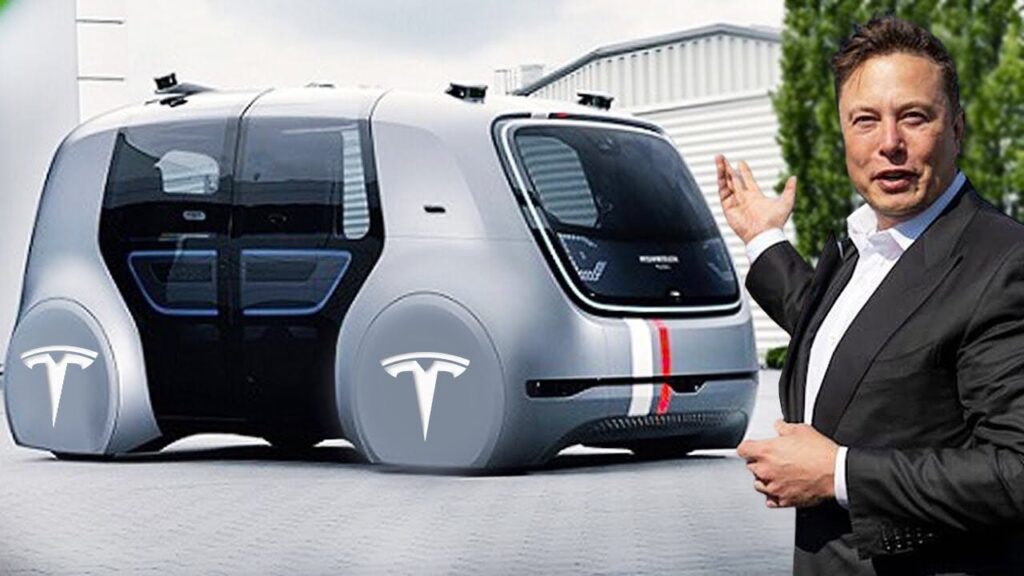
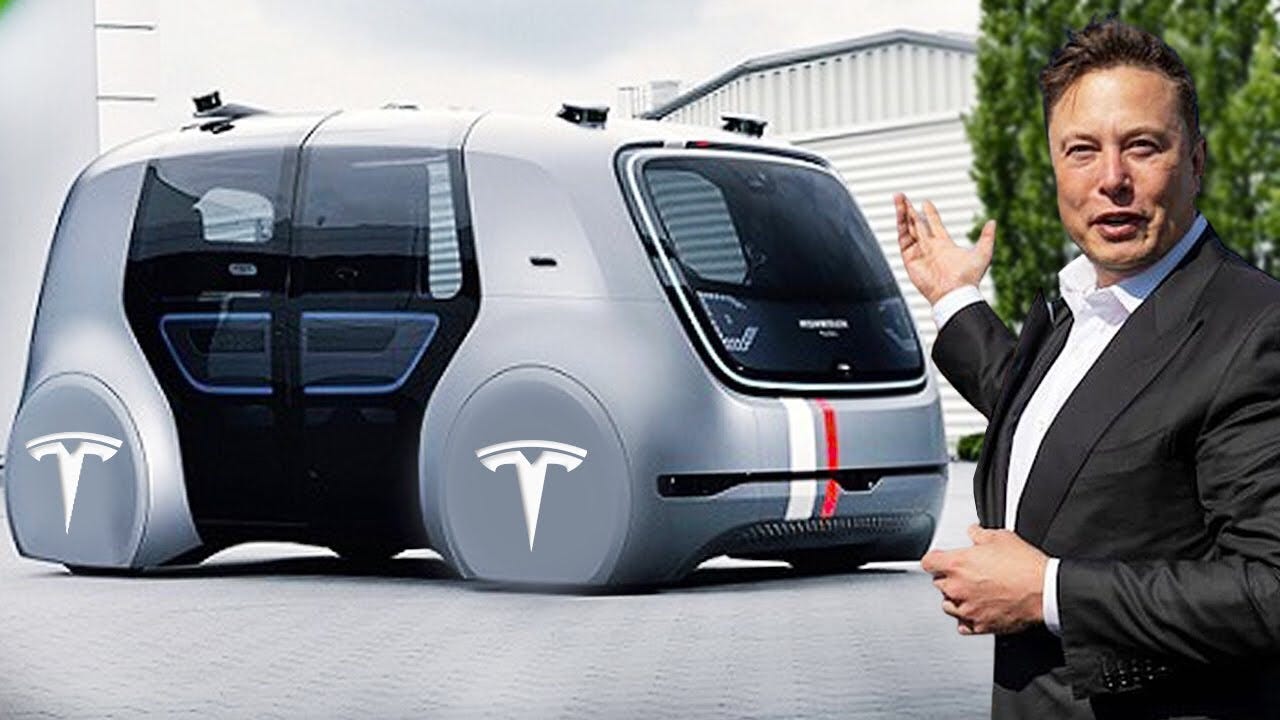
In an announcement that has caused a stir in the automotive and tech industries, Elon Musk revealed that Tesla is on track to unveil its highly anticipated robotaxi in August 2024. This bold move signals Tesla’s entry into the autonomous ride-sharing market, a sector that is expected to undergo significant transformation with the advent of self-driving technologies.

A Glimpse into the Future of Transportation

Tesla Sets Sights on Future Mobility with Robotaxi Unveil in August 2024

Image Source: techovedas.com

During a recent tech conference, Tesla’s visionary CEO Musk shared insights on what the future of urban mobility could look like. He emphasized the role of autonomous vehicles in reducing traffic congestion, reducing transportation costs, and improving environmental sustainability. According to Musk, Tesla Robotaxi is not just a new product but a step towards realizing this future.

What to Expect from Tesla's Robotaxi

Although specific details about the robotaxi’s features and capabilities are still under wraps, expectations are high. Industry analysts predict the vehicle will showcase advanced autonomous driving technology, electrical efficiency, and innovative user interfaces designed for both riders and operators. The introduction of Tesla’s robotaxi is expected to set new benchmarks for safety, reliability and user experience in the autonomous ride-sharing sector.

The Road to Autonomy

Tesla’s journey towards developing a fully autonomous vehicle has been marked by both achievements and challenges. The company’s Autopilot system, a semi-autonomous driving assistant, has been a key step in gathering the vast amounts of data needed to train AI for full self-driving capabilities. Musk’s announcement shows that Tesla is confident in overcoming the remaining hurdles to achieve Level 5 autonomy, where no human intervention is required.

Impact on the Ride-Sharing and Automotive Industries

The launch of Tesla’s robotaxi is expected to disrupt the existing ride-sharing ecosystem dominated by companies like Uber and Lyft by offering cost-effective and eco-friendly alternatives. Additionally, Tesla’s entry into this market could accelerate the adoption of autonomous vehicles throughout the industry, prompting traditional automakers and tech companies to rapidly complete their autonomous projects.

Conclusion

Elon Musk’s announcement of the unveiling of Tesla’s robotaxi in August 2024 has fueled excitement and speculation about the future of transportation. As the date approaches, all eyes will be on Tesla as it aims to redefine mobility and assert its leadership in the era of autonomous driving. With the promise of revolutionizing how we move around within our cities, Tesla’s robotaxi could be the first glimpse of a new, more sustainable method of urban transportation.

Trudeau's Big Bet to $1.8 Billion Package to Boost Canada's AI Sector

Trudeau’s Big Bet to $1.8 Billion Package to Boost Canada’s AI Sector

In a significant move to establish Canada as a global leader in artificial intelligence, Prime Minister Justin Trudeau has announced a sweeping $1.8 billion support package for the country’s AI sector. The funding, aimed at research, development and integration of AI across various industries, underlines Canada’s commitment to advancing technological innovation and economic growth.

A Strategic Investment in Innovation

Trudeau's Big Bet to $1.8 Billion Package to Boost Canada's AI Sector

Image Source: wsj.com

During a press conference in Ottawa, Trudeau highlighted the strategic importance of artificial intelligence in driving future economic prosperity and tackling societal challenges. Trudeau said, “Artificial intelligence is not just a new technology. It is a new way of looking at the world, our challenges and opportunities. With this investment, Canada is placing itself at the forefront of this technological revolution.”

The $1.8 billion package is designed to support a variety of initiatives, including the expansion of research facilities, the development of AI applications in health care and environmental management, and the promotion of ethical AI practices. A significant portion of the funding will also be allocated to skills training and education to ensure a skilled workforce capable of leading AI innovation.

Bolstering Canada's AI Ecosystem

Canada’s AI strategy focuses on promoting collaboration between universities, research institutions and the private sector to accelerate the development and commercialization of AI technologies. This approach aims to create a strong ecosystem that supports startups and established companies alike, promoting both innovation and job creation.

This announcement has been welcomed with enthusiasm by the technical community and academia. “This investment is a game-changer,” said Dr. Yoshua Bengio, a leading AI researcher at the University of Montreal. “This will enable us to attract and retain the brightest minds, push the boundaries of what AI can achieve and ensure Canada remains a major player on the global stage.”

Addressing Ethical and Societal Implications

Recognizing the potential ethical and social implications of AI, the Canadian government has stressed the importance of developing AI technologies responsibly. The funding package includes provisions for the study and implementation of ethical AI guidelines, aiming to ensure that advances in AI benefit all sectors of society without increasing inequalities or violating privacy.

Looking Forward

With this historic investment, Canada aims to not only enhance its competitive edge in the global AI landscape, but also lay the foundation for sustainable growth and innovation. The focus on ethical considerations and workforce development ensures that Canada’s AI sector will grow in a way that respects both individual rights and social values.

As the world races to harness the potential of artificial intelligence, Canada’s $1.8 billion investment is a bold step towards shaping the future of the technology and its application for the betterment of society.

Fluid Topics Leads with €15M for Revolutionary GenAI Customer Service

Fluid Topics Leads with €15M for Revolutionary GenAI Customer Service

The €15 million Series B fundraising round led by Kennet Partners has been completed, marking a key milestone for Fluid Topics, a leading digital platform that specialises in automated customer care. This significant investment demonstrates Fluid Topics’ dedication to using cutting-edge technology—in particular, Generative AI—to improve user experiences and transform customer support procedures.

Unveiling the Platform for Fluid Topics

Fluid Topics Leads with €15M for Revolutionary GenAI Customer Service

Image Source: fluidtopics.com

The Software-as-a-Service (SaaS) platform from Fluid Topics is a revolution in data management as it combines technical documentation, databases, and promotional materials in a fluid manner to provide customers with extensive product information. With the use of the platform’s advanced algorithms and Generative artificial intelligence (AI) tools, organisations can offer efficient and customised support to a large number of users by providing customised information in response to their requests.

Generative AI's Potential in Customer Support

The platform of Fluid Topics relies heavily on generative AI, which makes it possible for sophisticated natural language processing technologies to contextualise user queries and provide accurate answers instantly. With the help of this revolutionary technology, Fluid Topics is able to provide users with personalised results that cater to their individual requirements and interests, going beyond the limitations of standard keyword-based searches. The Fluid Topics platform adapts over time to maximise effectiveness and user happiness by continually learning from user interactions.

Plans for Growth and Market Capability

Fluid Topics is well-positioned to boost its expansion ambitions, especially in the profitable American market, where it presently conducts 60% of its business, following its successful conclusion of the Series B fundraising round. The funding will help Fluid Topics build a committed staff in the US, enhancing its capacity to assist US clients and create valuable alliances.

Collaborating with Kennet Partners

The worldwide presence of growth equity partner Kennet Partners will greatly aid Fluid Topics’ growth trajectory and market expansion. Kennet Partners, which has workplaces in California and London, offers a strategic network and in-depth knowledge that can help Fluid Topics expand into the US and other markets.

Persistent Innovation and Guidance

Fluid Topics continues to be steadfast in its dedication to innovation and customer-focused solutions. The company’s leadership in utilising cutting-edge technology to produce corporate value and customer happiness is demonstrated by its success in utilising Generative AI to improve knowledge management and customer assistance.

In summary, Fueled by a recent Series B fundraising round, Fluid Topics is well-positioned to change the future of digital customer support as it enters its next chapter of development and expansion. Fluid Topics, bolstered by Kennet Partners and a solid foundation in Generative AI-driven options, is well-positioned to spearhead the revolution in customer support process transformation and provide unmatched value to organisations globally.

NASA Picks Three Companies to Develop a Moon Car for Artemis Astronauts

NASA Picks Three Companies to Develop a Moon Car for Artemis Astronauts

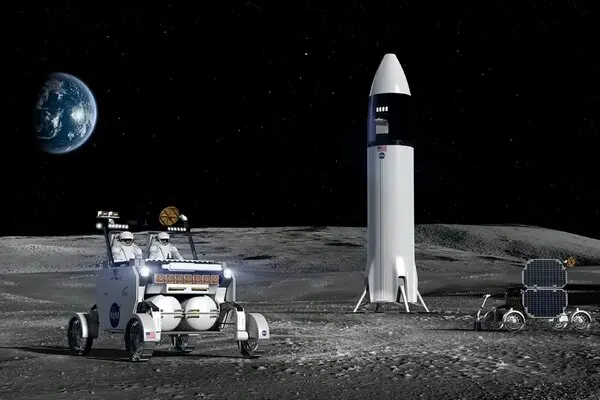
NASA has taken another significant step in its Artemis lunar exploration program by selecting three pioneering companies to develop a Lunar Terrain Vehicle (LTV) for astronauts participating in the Artemis missions. Intuitive Machines, Lunar Outpost, and Venturi Astrolab have been chosen to collaborate on this crucial project, marking a milestone in NASA’s efforts to establish a sustainable human presence on the Moon.

Purpose and Scope of the Project

NASA Picks Three Companies to Develop a Moon Car for Artemis Astronauts

Image Source: nytimes.com

The primary objective of this initiative is to design and construct a robust Lunar Terrain Vehicle capable of navigating the challenging terrain of the Moon’s south polar region. This area is of particular interest to scientists as it is believed to harbor vast reservoirs of frozen water, essential for sustaining future human activities on the lunar surface. The selected companies are tasked with developing vehicles that can accommodate two suited astronauts and withstand the extreme conditions prevalent in this environment. Additionally, the LTVs must possess advanced robotic and remote operation capabilities to facilitate scientific exploration and experimentation even in the absence of astronauts on-site.

Project Roadmap and Timeline

The development process will commence with a feasibility task order, encompassing a comprehensive year-long study to refine and finalize the system design in alignment with NASA’s stringent requirements. Following this phase, the companies will be invited to submit proposals for a demonstration mission aimed at testing the performance and safety of their LTV prototypes on the Moon’s surface. This critical evaluation phase is vital for validating the functionality and reliability of these vehicles before their integration into the Artemis missions.

Jacob Bleacher, Chief Exploration Scientist at NASA Headquarters, emphasized the significance of the LTVs in expanding the horizons of lunar exploration. He highlighted their pivotal role in enabling access to remote and scientifically significant locations that would otherwise be inaccessible on foot. Moreover, these vehicles will facilitate year-round scientific activities on the Moon, enhancing our understanding of lunar geology and resource potential.

Artemis Program and Future Prospects

The Artemis program, initiated in response to Vice President Mike Pence’s challenge to land humans on the Moon by 2024, has evolved into a comprehensive endeavor aimed at establishing a sustainable lunar outpost. With the Artemis II and III missions slated for 2025 and 2026, respectively, NASA is accelerating its preparations for extended human presence near the Moon, laying the groundwork for future missions to Mars.

In conclusion, NASA’s collaboration with Intuitive Machines, Lunar Outpost, and Venturi Astrolab heralds a new era of lunar exploration, leveraging innovative technologies to unlock the mysteries of our celestial neighbor and pave the way for future human exploration beyond Earth’s orbit.