Your Tech Story

tech news

EU Finalizes World’s First Major Law Governing Artificial Intelligence

In a landmark decision, European Union member states on Tuesday gave their final approval to the AI Act, the world’s first major legislative framework designed to regulate artificial intelligence. This pioneering law sets comprehensive rules for the use and development of AI technologies, aiming to balance innovation with essential safeguards.

“The adoption of the AI Act is a significant milestone for the European Union,” stated Mathieu Michel, Belgium’s Secretary of State for Digitization. “With the AI Act, Europe emphasizes the importance of trust, transparency, and accountability when dealing with new technologies while ensuring that this fast-changing technology can flourish and boost European innovation.”

The AI Act introduces a risk-based regulatory approach, categorizing AI applications according to the level of risk they pose. Applications deemed “unacceptable,” such as social scoring systems, predictive policing, and emotional recognition in schools and workplaces, are outright banned. High-risk AI systems, including those used in autonomous vehicles, medical devices, financial services, and education, will undergo stringent scrutiny to protect public safety and fundamental rights.

Impact on U.S. Tech Giants

The new regulations are expected to have profound implications for companies worldwide, especially for major U.S. tech firms that operate within the EU. Matthew Holman, a partner at the law firm Cripps, highlighted the unprecedented nature of the AI Act. “The EU AI Act is unlike any law anywhere else on earth,” he explained. “It establishes a detailed regulatory regime for AI for the first time.”

Holman noted that U.S. technology companies have been closely monitoring the development of this legislation. “There has been substantial investment in public-facing generative AI systems, and these companies will need to ensure compliance with the new, sometimes onerous, requirements,” he added.

The EU Commission will enforce the law, with potential fines for non-compliance reaching up to 35 million euros ($38 million) or 7% of a company’s annual global revenue, whichever is higher. The necessity for updated legislation became clear after the launch of OpenAI’s ChatGPT in November 2022, which exposed gaps in existing laws concerning advanced AI capabilities and the use of copyrighted material.

Implementation Process

Despite its adoption, the AI Act’s stringent requirements will not be implemented immediately. Dessi Savova, a partner at Clifford Chance, pointed out that the restrictions on general-purpose AI systems, which include generative AI technologies, will begin 12 months after the Act comes into force. Furthermore, currently available generative AI systems, such as OpenAI’s ChatGPT, Google’s Gemini, and Microsoft’s Copilot, will benefit from a 36-month transition period to achieve full compliance.

“Agreement has been reached on the AI Act, and now the focus must shift to its effective implementation and enforcement,” Savova commented. This phased approach aims to give companies sufficient time to adapt to the new regulations, ensuring a smooth transition while maintaining the integrity and safety of AI innovations within the EU.

This new legislative framework marks a significant step in global efforts to regulate AI, setting a precedent that could influence future policies worldwide.

Sonos Enters Headphone Market with $449 Ace Model

Sonos Enters Headphone Market with $449 Ace Model

Sonos Enters Headphone Market with $449 Ace Model

Image Source: bloomberg.com

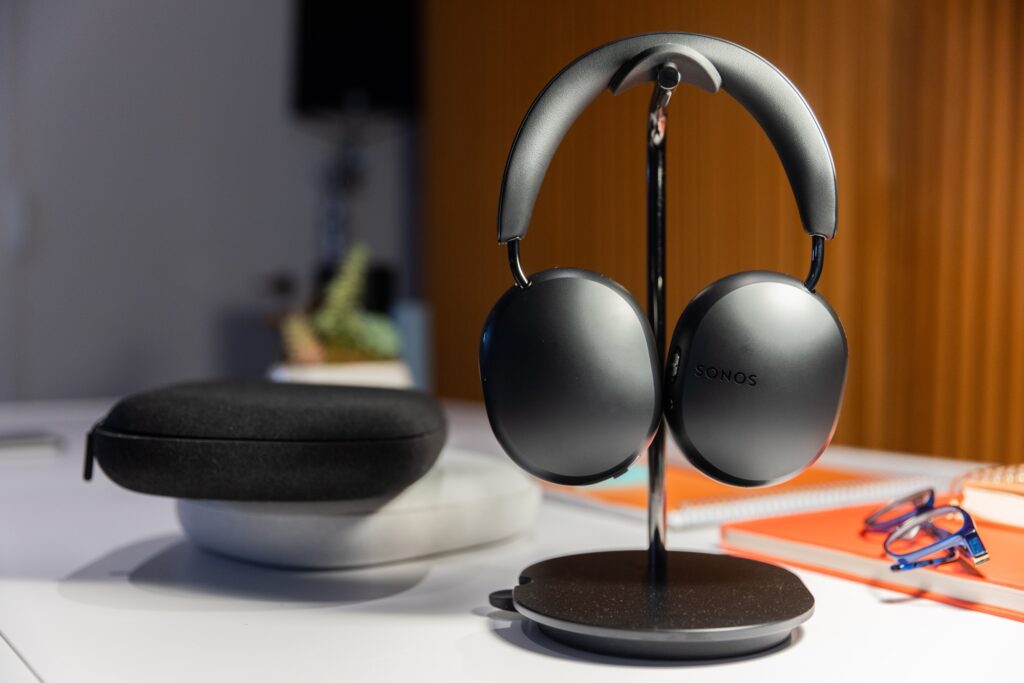
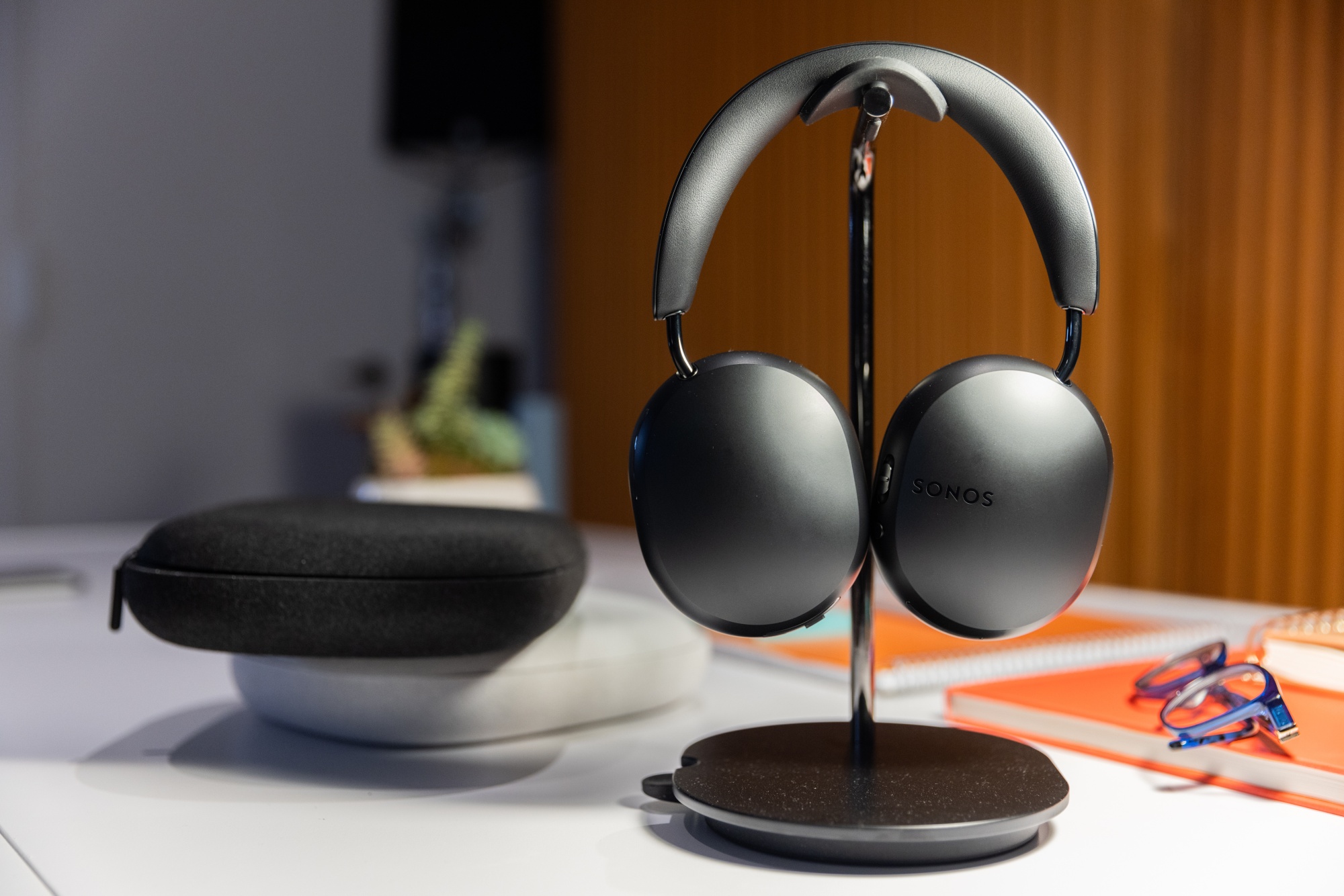
Sonos has introduced the Sonos Ace, the company’s first over-the-ear headphones, as part of a major product line extension. With a $449 price tag, these headphones represent the company’s debut in the highly competitive high-end headphone market, which has historically been dominated by companies such as Apple, Bose, and Sony. The Ace headphones, which come in black and soft white, will go on sale on June 5, 2024.

Important features and details

The Sonos Ace headphones have a number of cutting-edge features that cater to both casual listeners and audiophiles:

  • Dynamic Drivers: Ace claims to have high-quality sound thanks to its 40mm dynamic drivers.

  • Lossless Audio: Allows Android devices to stream lossless audio wirelessly using Qualcomm Snapdragon Sound AptX or via a 3.5mm connection.

  • Active Noise-Cancelling: Utilises eight in-built microphones to enable active noise-cancelling (ANC) and transparency mode. 

  • Battery Life: With ANC turned on, the battery can last up to 30 hours. It also has a rapid charge feature that can charge the battery in only three minutes and give three hours of use.

  • TV Audio Swap: A special function that lets owners of Sonos Arc soundbars switch the audio on their TV to their headphones by pushing a designated button. Soon, the first-generation Beam and all current Sonos soundbars will also have this feature.

Both Functionality and User Experience

First impressions of the Ace headphones were favourable at a press conference. The physical comfort was cited as a noteworthy feature, and the clarity and strong bass of the sound quality was acknowledged. The large ear cups and memory foam cushioning help the headphones’ overall comfort, even though their 11 ounces (312 grams) weight makes them slightly heavier than some rival models.

Design and Develop

The practicality of the design of the Ace headphones is seen in its usage of physical buttons rather than touch controls. Their design is recognisable, emulating the appearance and texture of other high-end headphones available, which may appeal to those looking for a straightforward, classic headphone experience.

Manoeuvre Strategic

Sonos’s foray into the headphone market is a calculated move to expand its product line beyond speakers. The company intends to capitalise on its reputation for providing high-quality audio and smooth interaction with its current devices, even though the Ace relies on Bluetooth instead of Wi-Fi. The launch of TV Audio Swap and the soon-to-be TrueCinema room-scanning effect are examples of Sonos’ dedication to improving the home theatre experience.

Position in the Market and Prospects for the Future

Although there is fierce competition from well-known manufacturers for the Ace headphones, Sonos thinks it can carve out a niche by providing excellent comfort and sound quality, especially for owners of Sonos soundbars. It may have been a lost opportunity, but Sonos’ whole-home music systems do not integrate the headphones. The business does stress, though, that user testing indicated a preference for simple, conventional Bluetooth headphones over more intricate models.

In summary, The Ace headphones from Sonos reflect a daring entry into a brand-new market niche. With a focus on comfort, sound quality, and connection with home theatre systems, the Ace is poised to draw in both current Sonos users and new ones. The Ace headphones may be essential in determining Sonos’s future in the larger audio industry as the business innovates and broadens its product line.

Elon Musk Launches SpaceX’s Starlink Internet Services in Indonesia

Elon Musk Launches SpaceX’s Starlink Internet Services in Indonesia

The CEO of SpaceX and Tesla, Elon Musk, launched SpaceX’s satellite-based internet service Starlink in Indonesia, marking a momentous occasion. The initiative’s potential to transform internet accessibility throughout the huge archipelago was highlighted at the launch ceremony, which took place on Sunday in Bali and was attended by both Musk and Indonesia’s President Joko Widodo.

An Important Visit

Musk is visiting Indonesia for the first time, and Minister of Coordinating Maritime Affairs and Investment Luhut Pandjaitan welcomed him. Using his official Instagram account, Minister Pandjaitan announced the news and expressed delight over the partnership. 

The Possible Impact of Starlink

Elon Musk Launches SpaceX’s Starlink Internet Services in Indonesia

Image Source: edition.cnn.com

over Indonesia, a country of approximately 270 million people dispersed over multiple islands and time zones, Starlink seeks to deliver high-speed internet. The program is expected to close the digital gap, particularly in isolated and underdeveloped areas. Musk highlighted, “If you have access to the internet, you can learn anything,” pointing out the revolutionary possibilities of connectedness.


The Possible Impact of Starlink

over Indonesia, a country of approximately 270 million people dispersed over multiple islands and time zones, Starlink seeks to deliver high-speed internet. The program is expected to close the digital gap, particularly in isolated and underdeveloped areas. Musk highlighted, “If you have access to the internet, you can learn anything,” pointing out the revolutionary possibilities of connectedness.

Focus on the Health Sector

Musk and Indonesian Health Minister Budi Gunadi Sadikin launched Starlink services at three health facilities—two in Bali and one on the isolated island of Aru in Maluku—during the launch in Denpasar. During the occasion, a video presentation showed how dependable internet speeds may improve real-time data input to more successfully address health issues like stunting and malnutrition.

Obstacles and Fortitude

Starlink recently encountered difficulties as a result of a strong geomagnetic storm that affected satellite performance. The business stated that “Starlink’s service is currently being degraded, their staff is looking into it. On X, Musk went on to emphasise the storm’s intensity, calling it “the biggest in a long time.” The launch went forward in spite of these obstacles, demonstrating Starlink’s tenacity and dedication to worldwide connectivity.

Commercial Accessibility and Upcoming Projects

The required licences for Starlink to conduct business as an internet service provider in Indonesia have finally been obtained, according to Communications Minister Budi Arie Setiadi. The initial focus will be on remote and impoverished areas where commercial services are already accessible. Following Malaysia and the Philippines, Indonesia is the third nation in Southeast Asia to avail Starlink’s services.

Beyond Interaction

Although Starlink is the government’s primary emphasis at the moment, given Indonesia’s abundant nickel resources, which are essential for EV batteries, the government has long sought Musk’s involvement in the country’s electric vehicle (EV) sector. Musk would not rule out making future investments in the electric vehicle industry, despite his continued lack of commitment. He informed that the occasion was focused on Starlink and the advantages that connectivity brings to isolated islands, highlighting the urgent need to improve internet connectivity.

In summary, Elon Musk’s Starlink launch in Indonesia is a big step toward bettering internet connection in one of the most populous and geographically separated countries in the world. Starlink hopes to improve healthcare, education, and general quality of life by giving priority to underserved and distant communities. This will also open the door for future technology improvements in the area.

Google Announces $1.1 Billion Data Center Expansion in Finland

Google Announces $1.1 Billion Data Center Expansion in Finland

Alphabet-owned Google announced on Monday that it will invest an additional 1 billion euros ($1.1 billion) to expand its data center campus in Finland. This investment is part of Google’s broader strategy to enhance its artificial intelligence (AI) capabilities in Europe.

Nordic Countries and Data Center Appeal

Google Announces $1.1 Billion Data Center Expansion in Finland

Image Source: helsinkitimes.fi

In recent years, the Nordic countries have become attractive locations for data centers due to their cooler climate, favorable tax incentives, and abundant renewable energy sources. Finland, in particular, has seen rapid growth in wind power capacity, increasing by 75% to 5,677 megawatts in 2022. This surge in renewable energy has resulted in occasional negative electricity prices on windy days, making it an ideal location for energy-intensive data centers.

While Finland’s neighbors, Sweden and Norway, have begun to criticize the hosting of data centers, arguing that their renewable power should be used for more value-added products like green steel, Finland continues to support these facilities. Google’s Finnish data center already operates with 97% carbon-free energy, demonstrating its commitment to sustainable operations.

Driving AI Growth with Renewable Energy

The expansion of the Hamina data center in Finland is driven by the increasing demand for AI services, which require significant computing power. Analysts predict that the power consumption of data centers will rise substantially due to AI advancements. Google’s decision to expand in Finland aligns with this trend and leverages the country’s renewable energy resources.

Google has committed to using wind power in Finland through long-term contracts, ensuring a steady supply of renewable energy for its operations. Furthermore, the company has implemented an innovative approach to utilize excess heat from its data center. “Heat coming out of our Finnish data center will be re-routed to the district heating network in nearby Hamina, covering local households, schools, and public service buildings,” Google stated.

The investment in Finland is part of Google’s broader goal to achieve net zero emissions across all its operations and value chain by 2030. In addition to the Finnish project, Google recently announced plans to build new data centers in the Netherlands and Belgium, further expanding its infrastructure in Europe.

Google’s expansion in Finland not only underscores the company’s commitment to AI and sustainable energy but also highlights the strategic importance of the Nordic region for data center operations. As the demand for AI services continues to grow, Google’s investment in renewable energy-powered data centers positions it at the forefront of technological and environmental advancements in the industry.

German HRtech VEDA Secures €17M from CIBC Innovation Banking for Global Growth

German HRtech VEDA Secures €17M from CIBC Innovation Banking for Global Growth

German HR software and payroll-as-a-service provider VEDA has secured €17 million in financing from CIBC Innovation Banking. This financial boost is aimed at extending VEDA’s market share within the DACH region, encompassing Germany, Austria, and Switzerland, and expanding its footprint into other international markets. CIBC Innovation Banking has a track record of investing in promising tech companies, having previously backed Payapps, Ometria, and Phrase.

The fresh funding will enable VEDA, recently acquired by global alternative investment firm Investcorp, to develop and execute a robust buy-and-build strategy. This approach will focus on acquiring payroll software companies and enhancing payroll services. Additionally, VEDA is eyeing expansion into new regions, including the Benelux countries, the UK, and the Nordic nations.

Comprehensive HR Solutions

German HRtech VEDA Secures €17M from CIBC Innovation Banking for Global Growth

Image Source: techfundingnews.com

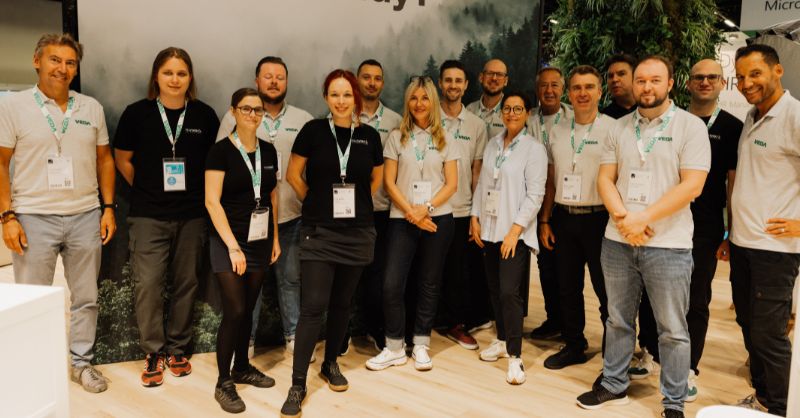
Headquartered in Alsdorf, Germany, VEDA, under the leadership of CEO Dr. Ralf Gräßler, offers an all-in-one platform for digital HR management. With a team of 170 employees, VEDA provides a suite of services including payroll, time and security management, recruiting, personnel development, and learning management. This comprehensive approach is designed to digitize HR tasks, thereby minimizing administrative burdens for its clients.

Serving nearly 1,200 customers, VEDA’s client base includes prominent names such as MAN and Lufthansa, as well as numerous mid-market enterprises with employee counts ranging from 150 to 5,000. In 2023, VEDA reported revenues of approximately €20 million.

Dr. Gräßler highlighted the transformative impact of the pandemic on HR departments, noting how VEDA’s technology has become essential in managing remote work and addressing talent shortages. “The pandemic changed the game for HR departments, stretching teams of professionals to the limit as they dealt with remote working and talent shortages. VEDA’s technology provides relief by offering a whole HR platform and the option to outsource certain services. The financing from CIBC Innovation Banking will support us in our buy-and-build strategy as we expand into current markets and explore new ones. We are excited to work with CIBC Innovation Banking as we start this new era of growth,” he said.

Supporting Mittelstand Growth

Sean Duffy, Managing Director at CIBC Innovation Banking, expressed enthusiasm for supporting VEDA’s growth ambitions. “We are delighted to be supporting VEDA in their next stage of growth, as they expand their market share, and explore new markets. Our funding has enabled VEDA, as part of the Mittelstand, to explore new avenues for growth and we look forward to supporting this,” Duffy stated.

With this significant investment, VEDA is well-positioned to enhance its service offerings and expand its international presence, setting the stage for further innovation and growth in the HR technology sector.

Caeli Wind Secures €11M to Boost Digital Platform for Wind Energy

Caeli Wind Secures €11M to Boost Digital Platform for Wind Energy

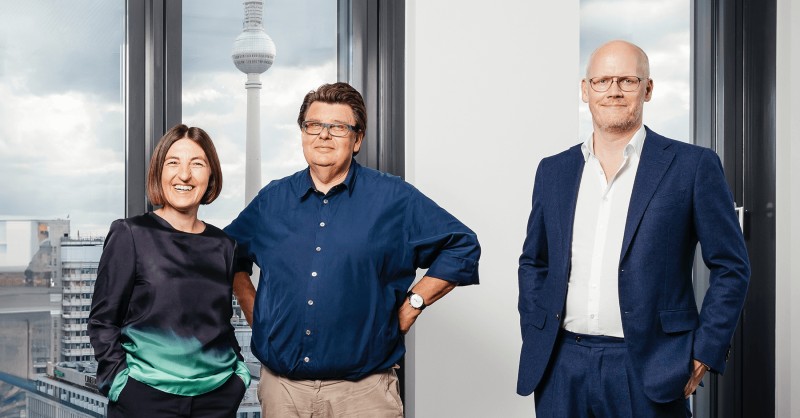
Caeli Wind, a Berlin-based business, has raised €11 million in growth capital to improve and grow its online platform for wind energy installations. Leading the fundraising round was Notion Capital, a UK-based company, with participation from Santander Alternative Investments and longtime supporter HTGF. Caeli Wind’s scientific improvement and international expansion are expected to be propelled by the influx of finance.

Digital Platform for Wind Power Locations

Caeli Wind Secures €11M to Boost Digital Platform for Wind Energy

Image Source: techfundingnews.com

Caeli Wind, a company founded in 2022 by Ben Schlemmermeier and Heiko Bartels, is transforming the wind energy industry with its online marketplace. For landowners, the platform finds possible wind energy spots and offers expert analysis and marketing services backed by AI. Caeli Wind revolutionises the business by using cutting-edge AI to speed the realisation of wind farms by up to 18 months.

Notable Successes

Caeli Wind found 173 new wind turbine locations in Germany last year, making it easier for project developers and energy providers to get them. With its free property analysis, which covers profitability, planning regulations, and preliminary faunistic assessments, the platform streamlines the intricate process of wind farm development. It also provides landowners with a distinctive pricing structure that optimises their leasing income.

Technological Advancement and Strategic Expansion

With the recently obtained funding, Caeli Wind will be able to broaden its market reach, strengthen its supply chain, and progress its cutting-edge technology. Thanks to its unmatched analytics and simplified property evaluation and marketing process, the company’s platform unifies the fragmented onshore wind sector. This establishes Caeli Wind as a key participant in accomplishing the global climate goals.

Assistance from Prestigious Investors

Notable investors took part in the financing round. The platform of Caeli Wind has the potential to be revolutionary, as noted by Stephen Chandler, Managing Partner at Notion Capital: 

"Caeli Wind's platform represents a significant leap forward in modernising a crucial segment of the wind energy value chain." Because of their extensive industry knowledge, the founders are in a unique position to establish themselves as a global leader in the wind energy sector and hasten the shift to renewable energy sources."

techfundingnews.com

Similar excitement was voiced by Santiago Gil, Lead of the Santander InnoEnergy Climate Fund: 

"Santander is one of the largest investors of renewables in the world. Our goal is to support businesses that significantly advance decarbonisation. We are glad to provide Caeli Wind with funding and knowledge as it grows internationally."

"We invested in Caeli in 2023 because we recognised its potential as a game changer in the energy market," said Klaus Lehmann, a partner at HTGF and an existing investor. The remarkable growth of Caeli has validated our augmented investment in this German premier enterprise."

techfundingnews.com

In summary, Caeli Wind is well-positioned to quicken the world’s shift to renewable energy with €11 million in fresh capital. In addition to streamlining the development of wind energy sites, its cutting-edge digital platform establishes the business as a major actor in the battle against climate change. The backing from well-known investors highlights the enormous influence Caeli Wind is anticipated to have on the renewable energy industry.