Your Tech Story

smartphone

HTC Might Exit the Chinese Smartphone Market Soon; Pulls Smartphones from Major Chinese Market

The Taiwanese handset maker, HTC, had recently revealed that it would stop selling its handsets at the two of China’s largest eCommerce portals, JD.com and Tmall, temporarily. And, finally, it has pulled off its smartphone chain from the two stores. This step taken by the company has compelled everyone to think that the company might be planning to take an exit from the Chinese smartphone industry.

htc china exit
Image Source: consumercomplaintsnumbers.co

In the recent times, the rumours were making rounds that Google was planning to acquire the company, but later, Google was only able to acquire the HTC’s Pixel team in a $1.1 billion deal. After Google’s acquisition, over 2,000 HTC engineers moved to work for Google. After the deal, HTC took to exit from India last July. So, from the decision of not selling its smartphones for a temporary period, it is pretty easy to predict that HTC might also be thinking of exiting China in the same way.

For now, the company has drawn off all its smartphones from the two eCommerce giant websites as well as their flagship stores. The company has also ceased the selling of its products from the other physical retail stores in China. But the company is still selling its smartphones, except some of its flagship smartphones including U11 or U11+, at its own official store as well as the VIVE flagship physical store in Shenzhen.

The company confirmed the news through a blog post, stating, “Due to the consideration of HTC China’s long-term business strategy, we will temporarily close the HTC mobile phone Jingdong flagship store and Tmall flagship store. HTC smartphones and accessories can still be purchased through HTC Official Mall and HTC VIVE Flagship Store. We will continue to provide quality pre-sales and after-sales service as always.”

The company has been seeing great competition due to the rise of the other rival companies, including Oppo, Vivo and Xiomi, that has dropped down its smartphone sales to a greater extent. Despite pulling off its flagship smartphones from the major retail stores in China, the company is still trying to get its hold in its other business arms.

The company has emphasised its focus on the HTC 5G Hub project that according to it will be bringing 5G to every home. HTC has also moved its focus towards its VR efforts. The company has also confirmed that it will be bringing the Android 9 update to its U11, U11 Plus as well as U12 smartphones by the end of May and starting of June.

Huawei Recorded a 25% Rise in its Revenue Despite US Efforts to Curb its Business

Huawei has just revealed its last year’s revenue and with that, it has entered the same league as Google and Microsoft, surpassing the $100 billion milestone. The two companies had reported a revenue of over $100 last year and with a 20 per cent annual rise in the profits, Huawei has also entered the multinational technology companies in the US$100 billion club.

huawei
Image Source: news.cgtn

Although Huawei has been facing some issues in running the business in the other countries, and came under siege by the US government for the functioning of its 5G network in the country last year, the recorded revenue shows that if the company would be functioning fully in the US, it would have earned much more profits.

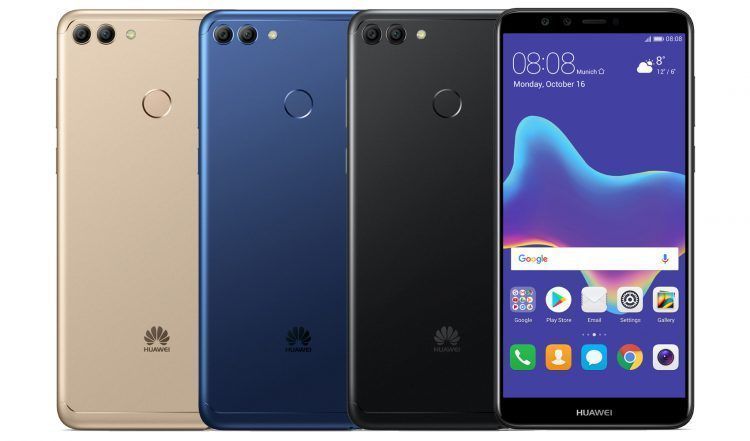
Huawei is the third largest smartphone maker, and most of the revenue it earned was from its smartphone sales. The smartphone division of the company has made a 45 per cent of share in the profits. The company is also the biggest telecommunications equipment seller in the world, and this very division contributed almost 50 per cent in the profits.

Although the contribution of the carrier technology division of Huawei fell by a 1.3 per cent and contributed the least, this is considered as an effect of the US opposing other countries use the Huawei equipment in their telecommunications networks.

Along with the US, Australia has already banned the use of Huawei equipment. And, due to the Huawei’s cybersecurity practices, UK and EU are also considering banning the use of the company’s equipment in next-generation networks.

The company is blamed for spying for the Chinese government by the US government, which the company has been denying saying that its products are no threat to the national security of other countries. Still, the company has confirmed that it has signed a few contracts for its 5G networks in Europe, the Middle East, and Asia-Pacific.

The recorded revenue shows the fastest growth of the company in the last two years, and with the new contracts, the company may see some more growth in the coming future.

Samsung Finally Released its Next Generation Galaxy 10 Series Smartphones

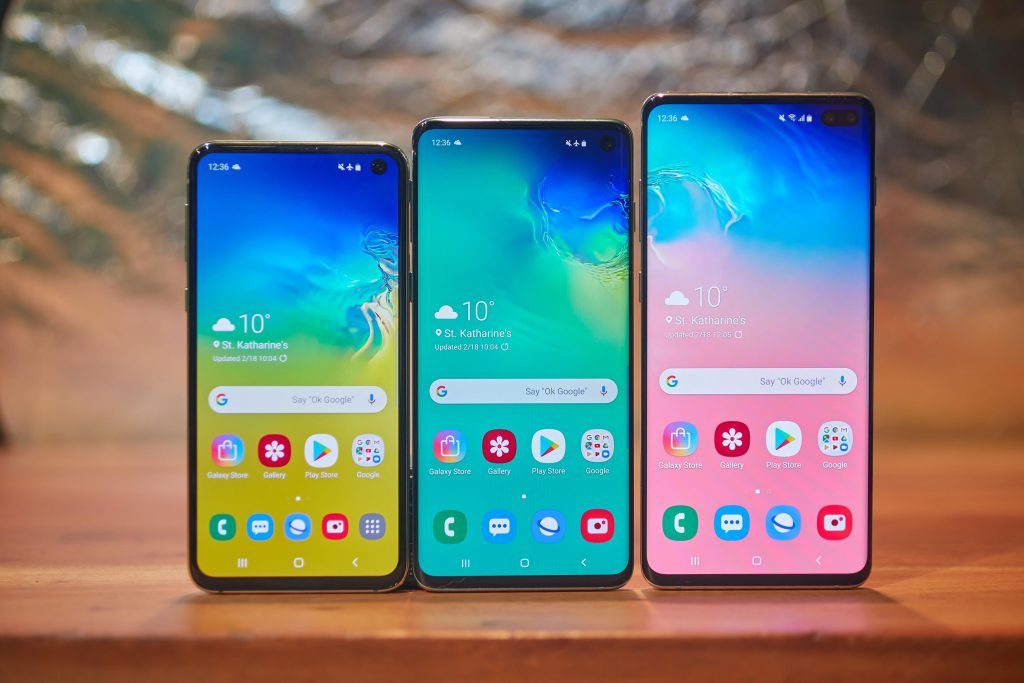
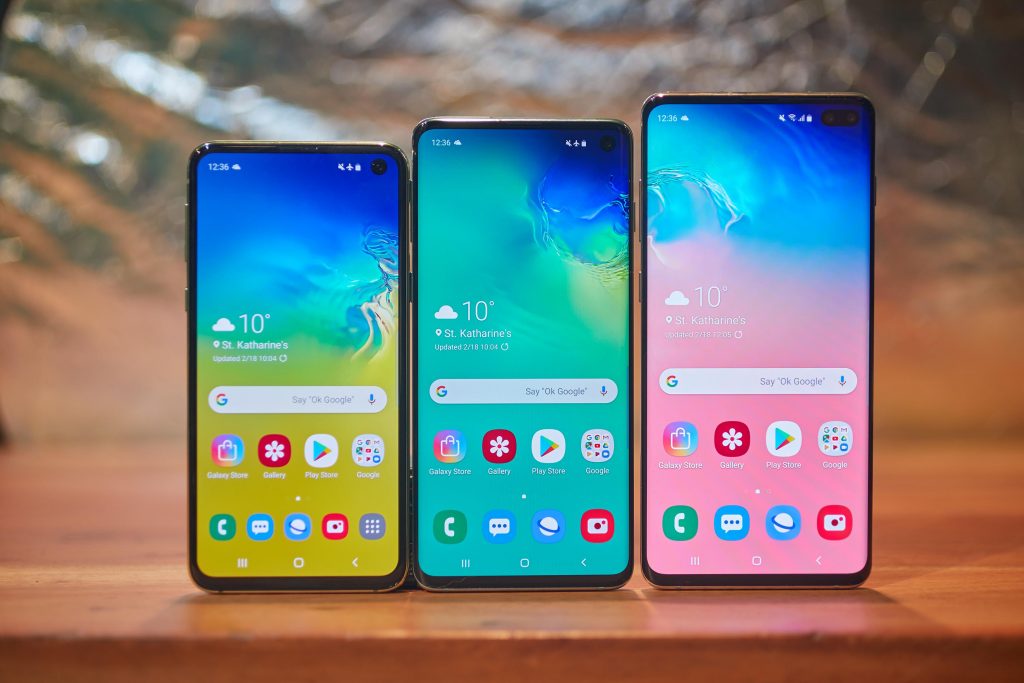
Samsung has just added three new models to its Galaxy smartphone flagship, the Samsung Galaxy S10, S10+, and S10e. The company launched the phone in its Samsung Galaxy Event on 19 February, held in San Francisco, along with another Galaxy smartphone, i.e. Galaxy fold and other devices including the Samsung wearable, earbuds, etc.

All the four phones are redesigned with the new smart screen, providing the cinematic view to its users. The screen is baseless, and even the front camera is placed within the display, to provide the HD photo quality. By default, the screen resolution is full HD+ and can be changed to Quad HD+ from the Settings.

samsung-galaxy-10
Image Source: cnet.com

The three Galaxy S10 phones are in different screen sizes. The S10 is having a 6.1” screen, the S10+ has got the 6.4” screen, and the S10e has been provided with a 5.8” display. All the three smartphones are having a Quad HD+ and dynamic AMOLED Infinity-O Display. The display is HDR10+ certified, providing the most real display to its users. The AMOLED display is specially built to comfort the eyes, as it reduces harmful blue light by 42 per cent.

The most innovative feature that the company has embedded to its latest flagship Galaxy S10 and S10+ phones is the fingerprint scanner, which has been moved from behind to the front screen of the phone. The scanner uses the ultrasonic pulses to detect the fingerprints. For the S10e smartphone, the fingerprint scanner has been moved to the power button of the phone.

Coming to the camera of the new Galaxy smartphones, the S10 and S10+ are having similar back camera frame including three cameras, i.e. wide-angle (12MP), ultra wide (16MP), and telephoto (12MP) camera. For the S10 plus, there are two front cameras embedded to it, a selfie camera (10MP) and an RGB Depth Camera (8MP). Galaxy S10 has one front camera, whereas the Galaxy S10e has two rear cameras and one front camera.

All three phones are designed with the AI features that adapt to the users’ behaviour and learn their daily routine patterns. The Galaxy S10+ has a 4100mAh, Galaxy S10 has 3400mAh battery capacity, and Galaxy S10e has 3100mAh battery capacity. The next generation smartphones are capable of charging the other Qi-certified devices as well, only by placing the devices on the top of the phone. The device that can be charged using those smartphones includes the Samsung wearable, earbuds and wireless chargers etc.

The RAM size of the smartphones has been increased up to 12GB, the S10e having a 6GB RAM size for the basic model, and the S10 as well as S10+ having a RAM size of 8GB for the basic models. The internal storage for the Galaxy S10e, S10, and S10+ has also been enlarged to up to 1TB, which is expandable up to 1.5TB via microSD card.

The Wi-Fi speed has also been increased to maximum 1.2Gbps for both Download and Upload, along with the increased LTE speed 2.0Gbps for the Download and 150Mbps for Upload. All the three Galaxy S10, S10+ and S10e phones are both water and dust resistant.

There are four to six colours available for the three models, including the Prism White, Prism Black, Prism Green, and Prism Blue, which are common for all the three Galaxy phones. The Samsung Galaxy S10, Galaxy S10+ and Galaxy S10e will be available for preorders from February 21, while the devices will become available in stores and online beginning March 8, 2019. The price range for Galaxy S10 starts at $899.99, for Galaxy S10+ starts from $999.99 and for Galaxy S10e starts from $749.99.

Google Plans to Start Charging the Chinese OEMs for PlayStore Apps

The Chinese market for smartphones has gained a lot of popularity around the world, especially Android smartphones. The popularity of the Chinese apps was also on the peak last year. But for the smartphone manufacturers from the Chinese industry may have to face some heat this year, as now they may have to pay for the Android apps and services on their smartphones.

Chinese smartphones
Image Source: Pinterest

In a tweet from the official Android Twitter account (spotted by SlashLeaks), Google has stated that it may start charging the Chinese OEMs from third quarter for using Android apps.

The tweet wrote, ”We plan to charge Chinese manufacturers in the third quarter of 2019, which may include Huawei, ZTE, Xiaomi, and many other smartphone manufacturers.” Google has never charged the Android device manufacturers for its apps and services, but the tweet clearly shows that the biggest smartphone manufacturers like Huawei, ZTE and Xiaomi will be affected by this decision.

Last year in July, European Commission had fined Google with $5 billion, as it allegedly blamed the tech giant for “illegally tying” the Chrome and search apps to Android. Google provides a few pre-installed services and apps, like Google search and Google Chrome to the Android smartphone manufacturers for free, which was the major concern of the European Commission that Google forced those apps on to the smartphone users resulting in dominating their app market.

As a result, Google had produced a new licensing agreement for the smartphones that were shipped to Europe. According to the agreement, Google started charging the hardware firms, up to $40, for using its apps on their devices. The fee also depended on the size and type of the device as well as in which country it was going to operate.

Likewise, for the Chinese smartphone manufacturers as well, the company is planning to impose a fee on the usage of its apps and services. But still, the Android OS will remain free and open-source for them.

Motorola : A Historic Tech Company that Even Contributed in the First Moon Landing

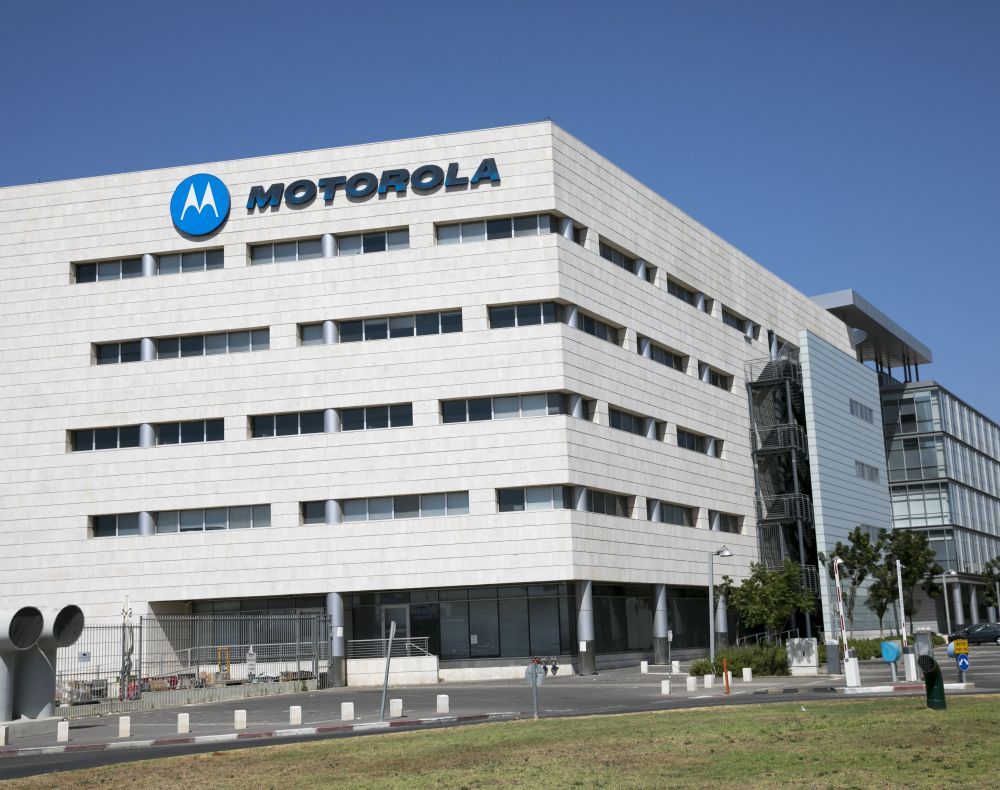
Two brothers, Paul V. and Joseph E. Galvin from Illinois, founded Motorola as Galvin Manufacturing Corporation, in 1928. The basis of the company was the battery-eliminator plans and manufacturing equipment, that they had purchased at an auction for $750 when the Stewart Battery Company had got bankrupt. The company’s first office was a small section, of a rented building at 847 West Harrison Street. The two had started the company with a capital of $565, and manufactured battery eliminators in the very beginning.

Unfortunately, the advancement of the radios led the demand for the battery-eliminators to an end. At the same time, some of the radio manufacturers were developing radio sets for cars, so the Galvin brothers also decided to develop low-cost radio sets for cars. In 1930’s Radio Manufacturers Association convention in Atlantic City, they demonstrated their car radio sets and were showered with orders.

At the same time, Paul renamed the company to Motorola, a word derived from Motor and Victorola. Soon it became the most popular company to sell the car radios. A few months later, the company was again rebranded, and now it was called Motorola Inc. The major customers of those car radios included the police departments and municipalities. In 1930, the company also started a branch for research and development program with Dan Noble, who joined Motorola as director of research.

Motorola
Image Source: megason.co

After the world war began in 1939, the company started manufacturing the hand-held AM SCR-536 radios for the military, under the World War II military production contracts.

In 1943, Motorola went public, and by the year 1947, it started manufacturing televisions. It also carried the first calls on Illinois Bell telephone company’s new car radiotelephone service in Chicago. In 1952, Motorola had its first international subsidiary in Toronto, Ontario, Canada.

The Chicago-based graphic designer, Morton Goldsholl, designed the famous batwing logo of Motorola in 1954, which was launched publically in 1955. In the same year, the company introduced the world’s first commercial high-power germanium-based transistor.

The continues to progress in the field of radio transmission led Motorola to win a contract from NASA, under which, it supplied radio equipment for most of the NASA space-flights for decades, including the 1969’s moon landing. In fact, the famous words of Neil Armstrong, “one small step for a man, one giant leap for mankind,” were transmitted on a Motorola transceiver from the Moon.

Starting with just five employees in 1928, in almost thirty years, Motorola had grown to 14,000 worldwide employees, till 1960. In 1973, the company manufactured the first handheld telephone, followed by its first microprocessor, the 8-bit MC6800, in 1974 and the 32-bit microprocessor, the MC68000 in 1983, that played as an instigator in the computing revolution in 1984.

In 1984, Motorola introduced the DynaTAC 8000X telephone, the world’s first commercial cellular device and demonstrated the first digital cell phone in cellular system and phones, using GSM standard in Hanover, Germany, in 1991. In the mid 90’s it also launched the first flip phone called the MicroTAC and the clam phone the StarTAC.

Motorola along with Cisco launched world’s first commercial GPRS cellular network to BT Cellnet in the United Kingdom, in 2000, and the first wireless cable modem gateway, in 2002. In 2005, the company had sold over 130 million units of Motorola RAZR, but the very next year, it failed to repeat the same success with the next model of RAZR, the RAZR V3.

Motorola went through a split in 2011, leading to the formation of two separate companies, Motorola Mobility and Motorola Solutions.

On August 15, 2011, seven months after Motorola Mobility became an independent company, Google acquired Motorola Mobility for $12.5 billion. Later in 2014, the company was acquired by Lenovo, after it paid US$2.91 billion to Google.

In those years Motorola faced a lot of failures in the field of smartphone manufacturing, and the major reason being, its unfriendly environmental practices. Motorola and Arizona Water Co. were found liable for the water pollution in the Scottsdale, Arizona area, and the main source of trichloroethylene (TCE). The contamination led to a ban on the use of drinking water for three days, affecting 5000 people residing in the area. On this, the company initiated a no PVC policy in the manufacturing of its smartphones. Motorola also promotes the use of recycled products in the production of its new products.

Germany Receives the Stable Android Pie Update for Samsung Galaxy 9 & 9 Plus

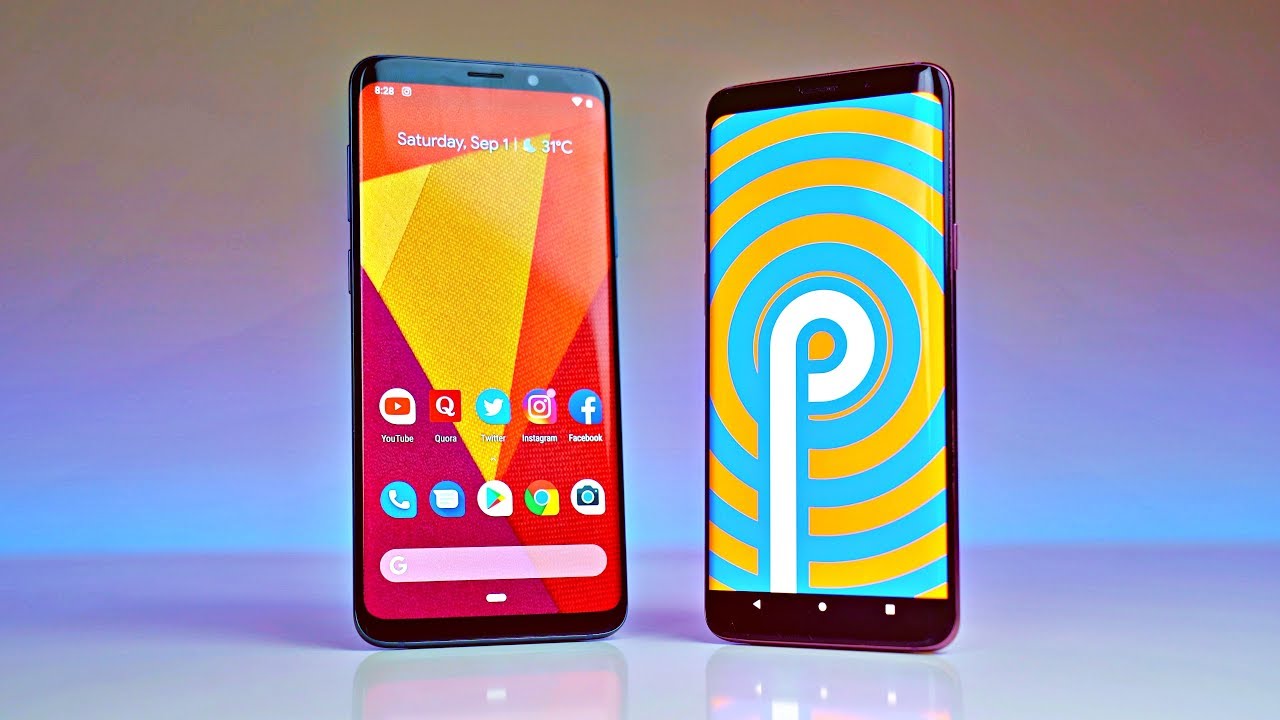
Christmas has just ended well and with that Samsung has announced that the company is rolling out the Android Pie updates for the Galaxy S9 and Galaxy S9+ users from some countries of Europe. SamMobile reported that the company has started to release the updates in Germany, and later, Samsung announced that the users from countries like Netherlands and Slovakia are also going to get the new Android Pie updates.

Samsung-Galaxy
Image Source: thenerdmag.com

The release has occurred way ahead of its decided date, that was in the late January in 2019, alongside the release of the same update for the Galaxy Note 9. The Android update is a stable update and not the beta one. Right now it is only available in a few countries in Europe.

Earlier this month, Samsung had released the beta version of Android Pie for its Galaxy S9 and S9+ users in UK, France, Poland, and Germany. The users who are having Samsung Experience UX based on Android Oreo, as well as those with the One UI beta on top of Android Pie, are receiving the update, along with the Samsung’s One UI version 1.0. One UI is basically created for the users so that they can easily use the apps on their big screen phones.

The update will change the software version for Galaxy S9+ to G965FXXU2CRLI, and the software for Galaxy S9 will be G960FXXU2CRLI. The size of the update software is around 1.7GB, which is available for download on the Samsung’s download servers. The users can check the availability of updates on the S9/Plus phones from the Software Update option in the settings of their phone.

The early release of the update indicates that Samsung is getting ready for some tough competition in the upcoming year. Although the update had to roll out for every S9 and S9+ users, all around the world, only a few will enjoy it before it gets officially released in January 2019. Till then, we can evaluate the difference between the earlier and the latest Android version on the basis of the feedback from the European Galaxy S9 and S9+ users.