Your Tech Story

Tech News

Qualcomm Unveils Snapdragon 675 Processor Supporting Tripple Camera & Advanced AI

Qualcomm, best known for its next-generation mobile technologies and powerful Snapdragon processors, has just launched the new Snapdragon 675, the latest high to the mid-range mobile computing platform. The production of the Snapdragon 625 is basically focussed on the better gaming experience, photography, and artificial intelligence (AI).

The Snapdragon 625 is being considered as an upgrade over the Snapdragon 670 SoC that was launched in August this year. The Snapdragon 625 chipset has the Kryo 460 architecture that is built on the ARM’s Cortex-A76 cores. The architecture is specially designed for high-end smartphones. It is the first time that the processor has been manufactured using the 11nm process. The processor has got two 2.0GHz performance cores, four 2.8GHz performance cores that are based on the Cortex-A75, and six 1.78GHz efficiency-based cores, making the processor faster.
SND
Image Source: droidsans.com

With Snapdragon 625, Qualcomm has brought the features, that were only available for high-end smartphones, to the mid-range smartphones. Snapdragon 625 has got a new Qualcomm Spectra 250L ISP for 14-bit image signal processing supporting a triple-camera setup, with 5x optical zoom, 48 megapixels, portrait mode, etc.

The processor is also focussed on improving the gaming experience and the AI features. According to the company, the AI features have been improved by 50% than the previous processors, with the help of third-generation Qualcomm AI Engine. The processor supports the Qualcomm Neural Processing Engine SDK, resulting in the addition of features like the adaption of user’s voice, working with multiple voice assistants, etc.

Also, the processor has faster performance, supporting high-end games like PUBG, Best NBA, Honor of Kings, Knives Out, etc. The processor uses the Adreno 612 GPU that supports OpenGL ES 3.2, Open CL 2.0, Vulkan, and DirectX 12. Snapdragon X12 LTE modem supports up to 600Mbps LTE connectivity that provides a support for playing the online games without any interruption.

The Qualcomm’s Snapdragon chipset is used in every other smartphone. The Snapdragon 625 can be considered Qualcomm’s attempt to provide the users of mid-range smartphones a better experience with its high-end features. By the first quarter of next year, you can find the Snapdragon 625 processors out in new Smartphones.

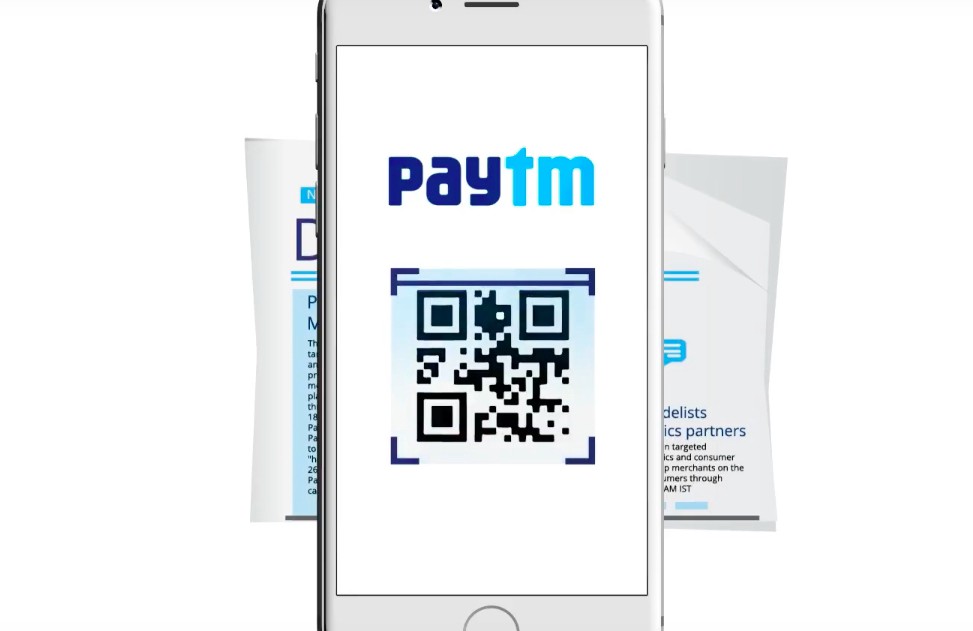
Paytm Partners with Soft Bank to Enter Japan with the QR-based Payment App PayPay

It has been almost eight years since Paytm has been around helping people with their digital payments. It became the most used digital payment app in India, way before the PM Modi’s Digital India campaign even started. After gaining huge success in India, Paytm is all set to approach other countries with its amazing digital payment technology. Last year, during the launch of Paytm in Canada, the founder Vijay Shekhar Sharma, had indicated that the company is also planning to expand in Japan and Europe.

paytm
Image Source: paytm.com

Collaborating with the SoftBank and Yahoo Japan Corporation, Paytm has developed a similar app named as PayPay, that, it has launched for the people of Japan. The PayPay app is based on the QR technology, that users can use on their smartphones for their payment settlements. The users can easily transfer their money from the bank accounts to the PayPay app wallet and use the wallet for the payments.

“Paytm is the leader in smart electronic payment services in India, and has achieved great success. It is a great strength to introduce Paytm’s high technology and solution, to PayPay, and I am confident that it will greatly contribute to the expansion of users in Japan,” said Ichiro Nakayama, the President & Representative Director CEO of PayPay Corporation.

Paytm has used the same strategy for its new client base in Japan as it has used in India at its initial stage. Paytm, through the PayPay app, will provide its users with various offers, including the ones with cash back. The user will also receive 500 yen, after the successful completion of their registration with the app, through a valid Japanese mobile number. Also, PayPay is providing the users with free of cost transactions till September 2021.

Paytm already have 300 million customers and over 9.5 million offline merchants registered with the app, in India. After the launch of PayPay, the Soft Bank and the Yahoo Japan are intended to draw their client base to register with PayPay, and Yahoo Japan will also shut down its Yahoo Wallet, to integrate PayPay on Yahoo! Japan.

Skydio R1 Drone now will be Controlled by the Apple Watch

Almost three years ago, a small startup company, Skydio, introduced its first autonomous drone, that was targetted to achieve the ‘sense and avoid’, feature. Most of the conventional drones have their own controllers or are operated through android or iOs apps, on the smartphones. This time the company has produced a drone without any controllers, that flies almost entirely itself, the Skydio’s R1 camera drone.

Skydio
Image Source: dcrainmaker.com

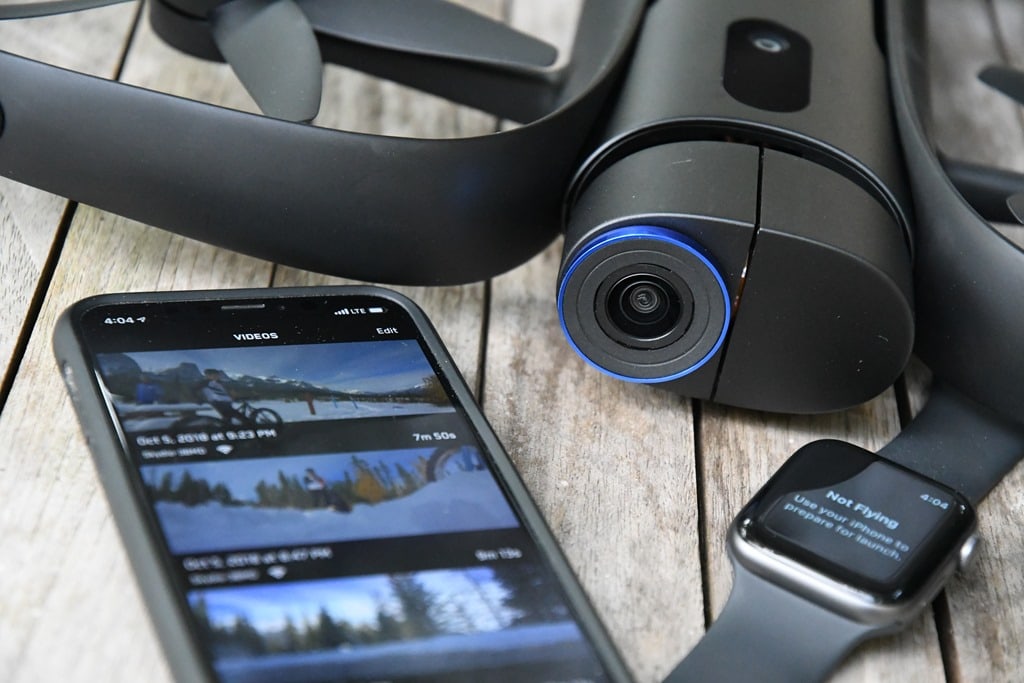
The drone company Skydio has joined its hands with Apple and has developed an app that can control the drone through Apple’s smartwatches. The app is equipped with almost all of the drone’s filming features, and you can easily control the drone through an Apple watch. Although the smartphones can still control the drone, the watch is going to be the most convenient for the purpose.

The new Skydio drone is a self-flying gadget, but, to add some variation to your film, the filming modes can be changed through the app. First, you need to set the subject on the drone and voila! It will follow the subject and will capture it from various directions. With thirteen cameras, a powerful computer brain and a whole lot of software smarts, it sees and senses its surroundings, and avoid any type of obstacles. The drone is powered by Nvidia’s Jetson AI hardware and an autonomy engine, that navigates itself in the real-time environment. The watch through the app is able to change flight modes, rotate the drone, end flights and shift the focus from the subject.

The people who want to film themselves, are going to love the new R1 drone, as it will not have any captures, in which the user is controlling the drone through a remote control or a smartphone. Just a few taps on the watch and the user will be able to film like a pro-pilot. The app has a great user interface and easy to use features, that avoid any type of complications.

Until now, Skydio has been selling its drones on its official websites. But soon the Apple stores in the US and Canada will also start selling them. The first drone from Skydio cost $2499, and the price of new Skydio’s R1 Camera drone will cost $1999.

Yandex’s Driver-less Cars are Out Running on the Roads of Moscow

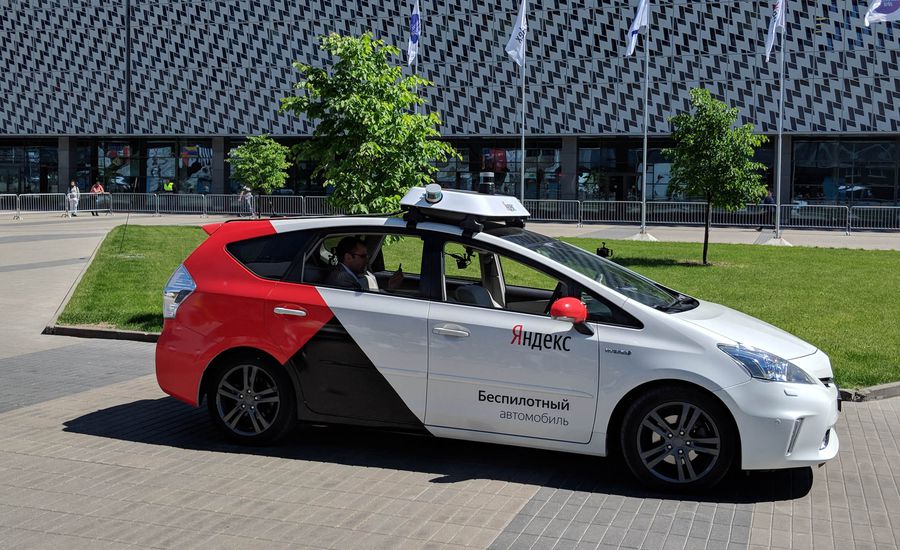
The Google of Russia, and the most used search engine of Russia, Yandex, is doing way beyond a search engine must do. The largest technology firm of Russia started its journey by setting up a search engine in the late 90s and by the end of 2018, it has spread its wings in other fields too. On Tuesday it announced the launch of a self-driving autonomous taxi service, that will soon run on the roads of Moscow.

yandex
Image Source: hearstapps.com

Yandex launched the prototypes of the driverless cars last year, in the month of May, and had already announced Europe’s first autonomous taxi service, back in August this year. The self-driven cars, Waymo by Google, are already running in Silicon Valley, and a launch of such cars out of Silicon Valley is a big achievement for Yandex.

Yandex initially will have two types of vehicles, based on the driver-less technology, and will run in the 400-hectare region of Skolkovo, in the Innopolis technology park. The car will have fixed fares for particular destinations, and the user can choose the destinations through an app, on their smartphones.

The self-driven cars by Yandex have sensors, video cameras and lidar, that enables the cars to judge the distance from other cars and other obstacles, using lasers. The odometry, used in the car, calculates how much the tyres of the vehicle have moved, and in which direction. The vehicle is embedded with the technology, that can identify the traffic lights, road marking, and the road signs. The vehicle can also predict the next situation as according to the makers, no one follows all the rules properly, so the car must be intelligent enough, to plan and predict the next step, that must be executed to avoid any type of mishappening.

Although the car has been tested with all its features and is good to go, for now, there will be a human driver sitting on the other seat of the car, to take over the driving at the time of emergency. The driver will be removed soon from the car, and Yandex is planning to reach out to more places, in Russia, where it can impose those self-driven cars. It is also planning to make the technology compatible with different brands cars.

The Festive Sales Came to an End, Earning Double Profits For Flipkart & Amazon

flipkart-amazon-sale
Image Source: theweek.in

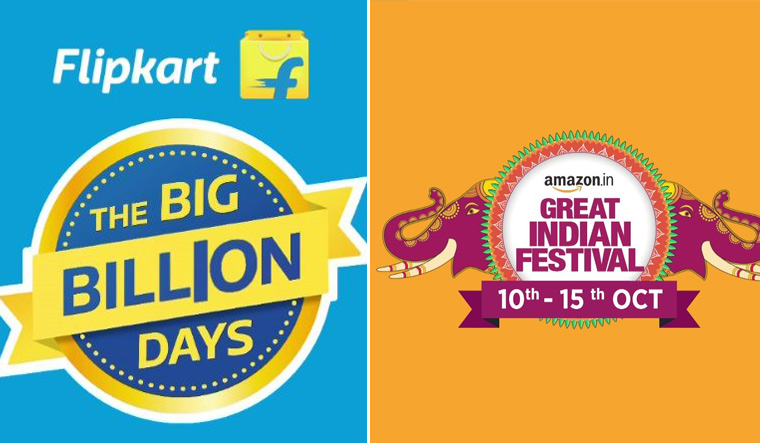
The festive sales in India, inspired by the Singles Day event in China and the Cyber Monday in the US, have been repeated a few times now. Flipkart’s Big Billion Days Sale was the first of its kind (India), that was organised in October 2014. The five days sale of Flipkart, and the six days Amazon’s festive sale, has come to an end, and after the sales, Flipkart has claimed its 70% market share in the Indian e-commerce market, and likewise, Amazon has also recorded a huge profit in the sales. In fact, both the companies have earned double of the profits they had gained in the previous year’s sale.

The profits, that Amazon has earned in this festive sale, have registered its best-ever performance, nearly equal to the Flipkart’s Big Billion Days Sale. Although Flipkart is still in lead, Amazon’s India head Amit Agarwal reportedly said that the sale has given outstanding results, and has gained more profits, before the end of the sales. Also, it has surpassed all the expectations. He also said. “There are two specific areas, where we pay particular attention to, which is: the new customers and the reach of those customers, and Prime member sign-ups.” The sales added 80% new customers from the rural area to the Amazon customer base, and there have been new sign-ups for Amazon’s Prime Membership. According to the reports, Amazon sold 1 million Xiaomi smartphones, and also, the one plus phones worth 400 crores, in a day.

On the other hand, Flipkart has gained two times more profits than the previous year’s sales, fashion products playing the most vital role in it. It also sold 3 million smartphones on a single day and has claimed 85% shares in the smartphone market on that same day. A Flipkart spokesperson said, “Gross merchandise value (GMV) grew 80 per cent over the last year, whereas units grew by close to 2X year-on-year.” According to Flipkart, the BBDS 2018 has smashed all its previous records. It also gained almost 50% more customer base for Flipkart and welcomed 25 million visitors on its app, on one of the sale days.

Both Amazon and Flipkart had introduced EMI and other new payment options to attract more customers from the rural areas of India. And, based on the sales, one must say that both have achieved beyond the targets. Along with Amazon and Flipkart, other e-commerce sites including Shopclues, Snapdeal and Paytm Mall also organised their festive sales and has seen a surge in their profits this year.

India Gets its Google One Cloud Storage; Monthly Subscription Starts at Rs. 130

Google Cloud
Image Source: entrackr.com

Google offers a 15 GB free storage to all of its users, but, on 15 August 2018, it launched its paid cloud storage Google One. Google One is a monthly storage plan for the users that is available for on the usage of all of its products such as Google Drive, Gmail, and Google Photos. At the time of its launch, it was only accessible for the US citizens, but Google had planned to make it available for the users worldwide, India being its priority.

Last week, Google, finally, launched its monthly subscription plans, for its Indian users. The basic plan for the cloud storage starts from Rs 130/month and is expendable to Rs 19550/month. In Rs 130, the user will get 100GB of cloud storage, for a month. It was assumed that the Indian audience will get those subscription plans at a cheaper price. But, the price is almost the same as the plans offered to the US citizens.

The Google One, cloud storage subscription plan, for India, includes 200GB storage at Rs 210/month, the 2TB plan at Rs 650/month, 10TB plan for Rs 6500/month and the 30TB plan at Rs 19,500/month. In the US, the 100GB storage plan costs $1.99/month, 200GB plan costs $2.99/month, 2TB plan is for $9.99/month, 10TB storage plan for $99.99/month, a $199.99/month for the 20TB storage plan, and 30TB storage is for $299.99/month.

Google’s cloud storage also offers two months free storage on some selected subscription plans. According to the offer, a 12-months plan subscriber will get a two months free storage. The user has to make the payment through the Google Play app. The ones who will take the 12-months subscription plan will have to pay only for ten months of the subscription. Also, the users can share the storage with five other members of their families. Google has also provided its cloud storage subscribers with one-tap access to experts help and perks like Google Play credits and offers on hotel deals when the user searches and books hotel on Google apps.