Your Tech Story

Tech News

silver lake

AFTER FACEBOOK’S INVESTMENT JIO PLATFORMS RECEIVE FUNDING FROM SILVER LAKE

The network services globally are trying to strengthen their foundation in this emergency period. People are relying on mobile phone and internet services to communicate with their loved ones in such a crisis. So, it is one of the topmost priorities of the networking companies to improve their communication system. With the lockdown continuing for over a month, many companies are also strategizing for the post-pandemic period. In India, Jio Platforms is currently the widest and largest telecom operator. After Jio has established in our country, millions of people have received access to the internet and that is the reason companies like Facebook and Silver lake are investing in JIO. This means the network of Jio is making the basic means of communication affordable to every citizen of India. And, a company with such potential is bound to draw the attention of big investors.

Facebook’s investment

Last month, Facebook announced that it will be investing $5.7 billion in Reliance subsidiary Jio Platforms. This made Facebook the largest minority shareholder of Jio Platforms. Facebook said that if social media platforms partners with the largest network enterprise of India, it can bring a revolution. This investment was made with a strong mission to connect more people through the power of Whatsapp and Jio’s small businesses.

Who is the new investor?

After a few weeks, Jio receives a huge amount of funding from a private equity firm, Silver Lake. The new investor has announced its partnership with Jio Platforms today. Silver Lake is investing around $746.8 million in Jio which will help the company gain 1.15% of its stake. The valuation of this stake rounds up to $65 billion and the company is willing to pay a premium as well (12.5% premium).

Silver Lake is a private equity firm based on Menlo Park, California, United States. The company has invested in many tech giants making it one of the largest technology investors around the globe. The company’s total combined assets and committed capital round up to $40 billion. Founded in 1999, Silver Lake has made investments in more than 40 companies through minority growth investments, PIPE investments, and leveraged buyout transactions.

Some of the biggest companies that Silver Lake has invested in are Dell, Alibaba, Seagate Technology, IMG Worldwide, Skype, etc. The company has already invested in Airbnb, Twitter, and Waymo this year. After investing in Eka, this is the second time Silver Lake is investing in an Indian enterprise.

Jio Platforms and Silver Lake

Ambani said that’s several firms are showing interest in investing in Jio Platforms. With the recent developments in the Indian telecom industry taking place due to Jio, it is obvious to attract investors. Ambani has invested over $30 billion to make Jio Platforms a big success over the years. And, he believes that after partnering with Facebook for e-commerce, Silver Lake will help in expanding its service.

In response to coming into a joint venture with Silver Lake, Ambani said that it’s outstanding to have such a valuable partner onboard. Moreover, Silver Lake being one of the most famous investors for tech has an advantage. He is looking forward to making significant contributions along with Silver Lake to transform the Indian Digital Society.

Although Jio Platforms is selling 1.15% of its stake, the class of shares is still vague. The company hasn’t shown much light on this topic. But, if the class of shares is the same as it sold to Facebook, there are high chances Jio Platforms is planning to file an IPO. Currently, the main target of the company is to cut its net debt from $21 billion to zero by next year. Also, due to the outbreak of novel coronavirus, the company has suffered huge losses in the sector of petrochemicals and oil refining. So, the company is looking forward to making up the damages through this new partnership.

An already powerful platform

From the beginning of Jio’s establishment, it has been a very strong service provider. Jio Platforms is the most valued subsidiary of Reliance Industries according to the market value. After the company was launched until now, it has managed to provide 338 million people with internet and other mobile services. Jio realized the importance of digital services and thus targeted low-cost digital services for mass consumers.

Egon Durban, co-chief executive and managing partner of Silver Lake said that Jio has extraordinary engineering capabilities. And, they are honored to have partnered with Jio to help them get once step closer toward the digital goal.

moovit

Intel All Set to Buy Smart-Transportation Start-up Moovit

The world of smart transportation has been set ablaze by advancements in science and technology. New technologies have paved the way for much smarter tech, which aids in making quick transit possible. In Israel, a lot of activity is going in this field, with several large mergers and acquisitions taking place amidst the COVID-19 pandemic. One of the most prominent mergers being spoken about is that of Intel closing on a deal with Moovit. The chip-making giant is said to be in the final rounds of negotiation when it comes to buying this start-up that utilizes Big Data and AI to provide transit and transportation services. Here’s a look at the deal and the impact it could have on the transit industry.

Big Deal in Place

According to various sources and reports, Intel is all set to acquire Moovit, which is a service provider to over 800 million people. The start-up which uses futuristic technology to make the best decisions when it comes to transportation is a significant player in the field of smart-transit. The deal is said to close in a few days, with experts stating that it could be near $1 billion in terms of valuation. Agencies like TechCrunch have reached out to spokespersons on both sides of the deal to confirm the news. Reports state that the Moovit correspondent did not negate the information, instead saying that they will provide further details later on.

Israel- An Upcoming Automotive Capital

Moovit had made been backed by the investment company by Intel Capital earlier as a part of strategic investment. The deal will help Intel gain a foothold in the smart transport industry, making Israel their headquarters for such operations. Furthermore, Intel already has several facilities in Israel, and this acquisition will add more value to Intel’s Israeli automotive hub. The automotive revolution is spearhead by the company Mobileye.

Intel had acquired this start-up that focuses on autonomous driving, three years ago in a deal that cost them $15.3 billion. However, sources are unclear regarding what role Moovit will have in this ring or hub. Experts believe that the company will be able to provide Intel with actionable, reliable, and real-time data, which will help with intelligent routing.

One of the biggest challenges that autonomous vehicles face is routing to prevent traffic blocks and to achieve efficiency. With a company such as Moovit providing Intel with valuable real-time traffic data, they will able to guide their vehicles with ease and perfection.

Earlier Partnership

Even before the suspected acquisition, Intel had been working with Moovit. Intel had, in fact, led the Series D funding of Moovit, which brought in over $50 million in 2018. Soon after this deal, Senior VP of Intel, who also serves as the CTO of Mobileye, Amnon Shashua, joined the upcoming start-up’s Board of Directors. The sale will help both companies bring in new talent and then integrate this unique talent into an already existing framework. Reports by The Marker and Wadi Ventures state that out of the $1 billion, a portion will go to employees as a 10% retention bonus.

Fast Growth

Moovit, which was valued at $500 million during its Series D funding round, had grown tremendously in the past two years. Their standalone app, which helps with navigation around cities, became a huge success. This was soon followed by integration with cab services like Uber, which led to further popularity and surge in the number of users. By 2018, over 120 million people were using their apps from over 80 different countries. In the last two years, that number grew exponentially to hit 800 million users in over 102 different countries, with services available in 45 languages globally! The company has attracted a lot of attention in recent years, bringing in investors of the likes of Sound Ventures, Gemini Israel, LVMH, and even BMW.

Furthermore, the app has launched several services to help people during the COVID-19 crisis. These included a free service for transit data managers, which enable riders to plan their trips efficiently. Also, it has a real-time service option now to ensure that everyone gets the most accurate data and receives timely alerts. Additionally, Moovit has also come out with an emergency mobilization service, which allows managers to put out buses on routes that essential workers require the most.

The acquisition, if reports are accurate, will prove to be a significant turning point for the field of smart transportation. Already seen as one of the technologies that will soon change the way we live our lives, smart technology is a field that requires some push and investment. Since the COVID-19 has significantly curtailed our movement, the global economy is reeling as an after-effect. All of this has led to a significant slowdown in the automotive world. Therefore, in many ways, this is the best time for smart technology to enter the field. By leveraging these assets, we might be able to ignite some interest in an area that has been severely affected by the global crisis.

Since the COVID-19 has significantly curtailed our movement, the global economy is reeling as an after-effect. All of this has led to a significant slowdown in the automotive world. Therefore, in many ways, this is the best time for smart technology to enter the field. By leveraging these assets, we might be able to ignite some interest in an area that has been severely affected by the global crisis.

wwdc

APPLE’S REVENUE ACHIEVES A POSITIVE SLOPE DESPITE THE GLOBAL PANDEMIC

Big businesses are hit and rupturing drastically during the pandemic. The outbreak of novel coronavirus has suppressed the hope for future recovery for the economy. Every nation is facing a big dilemma as saving people’s lives and planning the post-pandemic survival strategy are equally important. All of a sudden everything in this world has hit a pause, yet some companies are still emerging successfully. While every big business companies are strategizing about how to save their business, Apple’s second-quarter earning shows positive results. It is quite impossible to believe that amongst the crisis, Apple still managed to keep its business on track. Although the sale of the iPhone declined, Apple’s revenue in the past quarter slightly increased.

Revenue Growth

Yesterday, Tim Cook, CEO of Apple, in a press release said that the company is proud to report the growth of revenue in the past quarter. It is a great achievement for the company given that the world is facing a current serious crisis. The quarterly revenue of the company that ended on 28th March turns out to be $58.3 billion. This shows an increase of 1% as compared to the quarterly revenue of the previous year. Earnings per diluted share are up by 4%. Analysts said that they expected the revenue to be around $53.8 billion and diluted earnings per share of $2.23. Tim also said that the company is glad that customers are choosing their products to stay connected during this pandemic. But, the sale of Apple’s products in the Great China region has decreased to $9.46 billion from $10.22 billion.

Though the sale of iPhone has plummeted in the quarter last year, Apple’s Wearables and accessories have pushed up the revenue slightly. The company confirmed that Apple Watch and AirPods have led to a growth of 22.4% than last year. The cash dividend per share witnessed an increase of 6% of the company’s common stock.

The market opened for Apple

Taking care of the medical guidelines regarding social distancing due to the pandemic, Apple has decided to open some stores. But, the decisions will have a different impact on different places as Apple will go through the condition of every city and every county. Tim Cook is planning to reopen the retail stores in Austria and Australia within the next couple of weeks. Tim also said that a few of the many retail stores in the U.S will also reopen in early May. The stores in the U.S are closed since mid-March. And, a few of them already opened maintaining the social distancing guidelines. But, the mainland of China and South Korea the exceptions to the reopening of retail stores. Cook has already said that the campus in Cupertino won’t be opening at least for the next month.

New Products

Apple is not only cherishing the revenue growth during this pandemic but also launching new products in the market. Since customers are buying more Apple Wearables and Home in this crisis, why should Apple stop from giving them something extra?

Some of the new products that have hit the market in recent weeks are MacBook Air, iPad Pro, and a $399 second-generation iPhone SE. The company is also planning to conduct an online version of its annual Worldwide Developers Conference next month. In this conference, the next upcoming features of Apple’s existing products will be revealed to the world. But, rumors have spread that there might be a little delay in shipping this year’s iPhone lineup due to the infected disease.

Joint Venture of Apple and Google

In response to fighting COVID-19, Apple and Google are planning to create a system that will be helpful for contact tracing. This tech will be available both for iOS and Android users. The companies have decided to build such a system as in many regions people are revolting against the lockdown. So, this might help in tracking new cases of coronavirus. It will allow the users to share data through Bluetooth Low Energy transmissions and from apps approved by health organizations.

The official apps approved by the public health authorities can access this data. This is very beneficial as the users can easily report and alert people if they are diagnosed with COVID-19. The system will also help the user known if he or she was near an infected person.

Smartphones

Global Demand for Smartphones Fall Due to the COVID-19

The COVID-19 continues to grow, expand, and take lives around the world. As major nations come to terms with lockdowns and the road ahead, the global economy is reeling in the aftermath. Most parts of the economy have been facing the brunt of the pandemic, as it shut down stores and production centers. Everything from traditional schooling to tourism has undergone massive changes due to the COVID-19. One of the most noticeable effects of the pandemic may be felt in all company’s smartphones sales. Here’s a look at what impact the novel coronavirus has had on the smartphone industry globally.

Decline in Smartphones Sale

Studies show that due to the pandemic, smartphone markets to suffer witnessed a first-quarter year-on-year decline. As per studies done by firms Canalys and Counterpoint Research, there has been a 13% drop in global shipments. Furthermore, Counterpoint estimates a dip of 27% in China, while Canalys’s calculations show 18% for the same. However, whichever number you choose to look it, experts agree that there has been a global slowdown. Ever since 2014, this is the first time, global shipments have fallen below 300 million. All these changes have been brought forth by the falling demand for phones and the abrupt collapse in China.

First-Quarter Slowdown

Close to the end of the first quarter, the COVID-19 had spread around the world, leading to mass lockdowns. At this juncture, disruption spread from the supply chain to the demand curve, and the industry slowed down. As lockdowns of differing severity came into place around the world, the demand for smartphones fell drastically. Samsung, Apple, and Huawei, still hold their position as the world’s most prominent smartphone vendors. Out of the three, Apple has witnessed the least decline in shipments this year. Furthermore, Xiaomi is growing within the space, capturing 10% of the market share for the first time. 

However, these restrictions and bans have crushed new demand, leading to a massive slowdown. During February, when the pandemic was at its peak in China, manufacturing centers were shutting down. Most vendors were concerned about getting access to hardware parts. Many of them ordered in bulk and tried to ensure that they build enough of these smartphones. However, a month later, the entire situation flipped wholly on its head. As the COVID-19 spread aggressively to the west, affecting the US and the whole of Europe, demand began to fall. While manufacturing centers are back on, the rest of the world is in lockdown, leading to a plummet in demand. 

New Releases

Apple, for instance, has the iPhone 12 to release, and it is a big one as it is the first to make use of 5G technology. Several media houses have come out with news stating that Apple is considering delaying the launch to gain a better impact. The same could hold true for the new releases of Samsung and Huawei smartphones. Since most manufacturers rely on hardware components from China and South Korea, production took a hit last month.

Compared to the same time the previous year, China’s shipment of smartphones fell by 40%, as per IDC. Their research also states that the Chinese buyers will buy 33 million fewer phones, due to the COVID-19. The firm believes that the same will hold true for most of Western Europe and the US. Since smartphones may contain hardware from over 40 countries, their supply and demand cycles are hard to quantify. With millions out of work, buying new smartphones has become a luxury that people cannot afford. Unless they need to replace a broken phone, no one is considering a new purchase.

Therefore, replacement cycles for smartphones have grown longer, with most opting to use their old ones as far as possible. However, experts believe that the real impact of the pandemic will only be felt next quarter. Q2 will face the main brunt of the COVID-19, and its actual effect on the smartphone industry may be seen then. Not only will the COVID-19 test the strength of several companies, but small retailers will not survive without support from the government. While there is a lot we do not know about the novel coronavirus, one thing we are sure of is that it will have a lasting effect on the global economy. It will also most likely have a long-lasting effect on the smartphone market.

THEATRICAL

TROLLS WORLD TOUR’S DIRECT JUMP TO VOD PLATFORMS QUESTIONS THE RESPECT OF THEATRICAL WINDOW

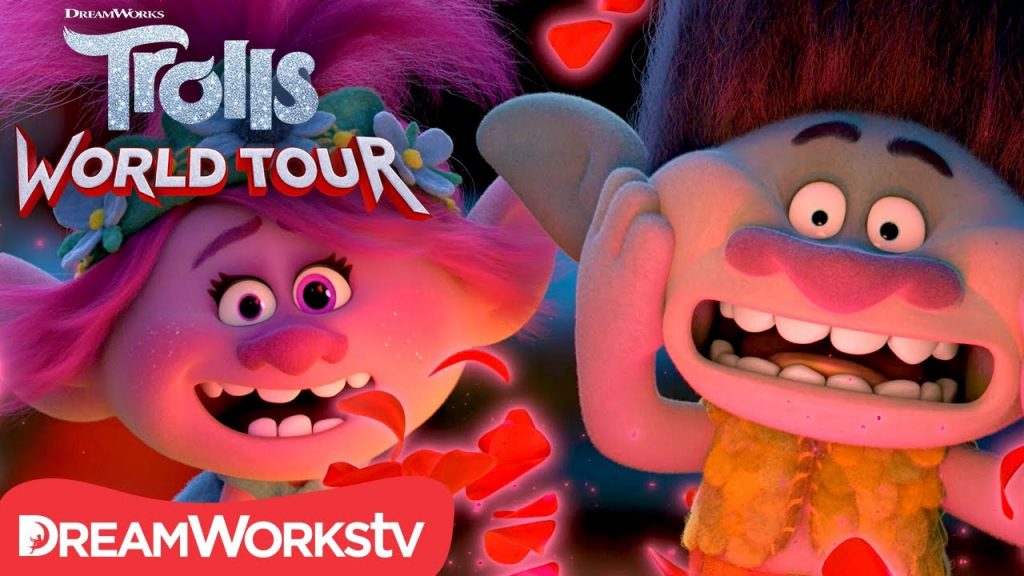
Movie theatres are the conventional and most authentic ways of releasing movies. The advent of Netflix has brought a tad bit of changes in how the entertainment industry works nowadays. But, irrespective of all the VOD platforms, the impact of a theatrical release hits the market with unbound thrust. Unfortunately, some of the renowned film studios are failing to respect the principles of the cinematic world. According to Regal Cinemas (owned by Cineworld), Universal has shown disrespect to the theatrical window. The release of the Trolls World Tour directly on digitally exclusive platforms skipping the theatrical window has raised many questions. Cineworld warned Universal of its desperate actions without paying hit to the customary theatrical release. On the other hand, infuriated AMC theatres decided to bar all the Universal movies for their unapologetic attitude.

Reaching customers directly

The decision of reaching directly to the customers has caused tension and sour relationship between film studios and movie theatres. But, it seems like the Universal haven’t taken the warning much seriously and justified their decision. Jeff Shell, CEO of NBCUniversal, said that the company didn’t consider theatrical release. They directly decided to reach out to the customers through VOD platforms. The consequence of this act might cost beyond prediction during the post-pandemic phase.

trolls world tour 2020
Image Source: Google

 Odeon Cinemas, a part of the AMC Company in the United Kingdom has also banned Universal. Movies are supposed to remain within the boundaries of theatres for 90 days. But, Universal bypassing the procedure of movie theatre release streamed it in the digital window. It is natural to growing concern among the film studios due to the shutdown of cinema halls due to the outbreak of COVID-19. But, while the other film studios wanted to negotiate about shortening the time of 90 days, Universal responded differently.

Trolls World Tour made millions without theatres

The other film studios have asked to shorten the period due to the crisis. But, they will be again back to following the normal policies when everything becomes normal. The response of Universal was different though. It is planning to carry out both theatrical release and direct-to-consumer distribution models. They said their action will take courses depending on what is better for the company and its audience.

Universal has got a strong point to make as the recent release of the Trolls World Tour brought almost $100 million in house. And, the company was able to make such a large amount of money without any theatrical release. The film made this much money within the last three weeks through digital sales. It has brought a serious threat to the movie theatres and their existence. The largest cinema chain in the United States, AMC Theatres are standing bereft of any revenue generation currently. Moreover, with people locked up in their houses, Netflix and Disney Plus have turned out to be strong rivals.

Importance of theatrical release

Though the digital era has come upon us, the primitive way of movie screening is still appreciated. The movie theatres have witnessed a lot of changes during the past century. But, that doesn’t mean eradicating the movie theatres from the face of the entertainment industry. And, during this crisis, both the film studios and cinema chain should cooperate and try to maintain peace. Companies are so tensed about the economic condition, that they are making desperate moves.

Universal has said that they believe in the authentic theatrical experience and have no statements on the contrary. But, seeing the great demand and enthusiasm for the movie among the audience, they released it digitally. They also believe that they made the right move and consider it in the future as well. But, with movies going straight to digital platforms, they are losing money and respect.

Other upcoming movies

While AMC banned the Universal, it isn’t only Trolls World Tour that escaped the theatrical release. Scoob, a Warner Bros movie is also being released on video on demand before it is streamed on HBO max. Disney has also moved Artemis Fowl to a Disney Plus exclusive without considering playing it at the theatres. If gradually all the blockbusters get shifted to the digital platform, the cinema chains will be in serious threat.

The biggest upcoming movies during the next couple of years, F9 and the third installment of the Jurassic World franchise have a ray of hope for theatres. But, both of them are Universal movies. So, it would be a loss for the theatres if they don’t allow them for theatrical release.

Elon Musk

Elon Musk Calls Lockdown and Shelter-in-Place Norms Fascist Actions

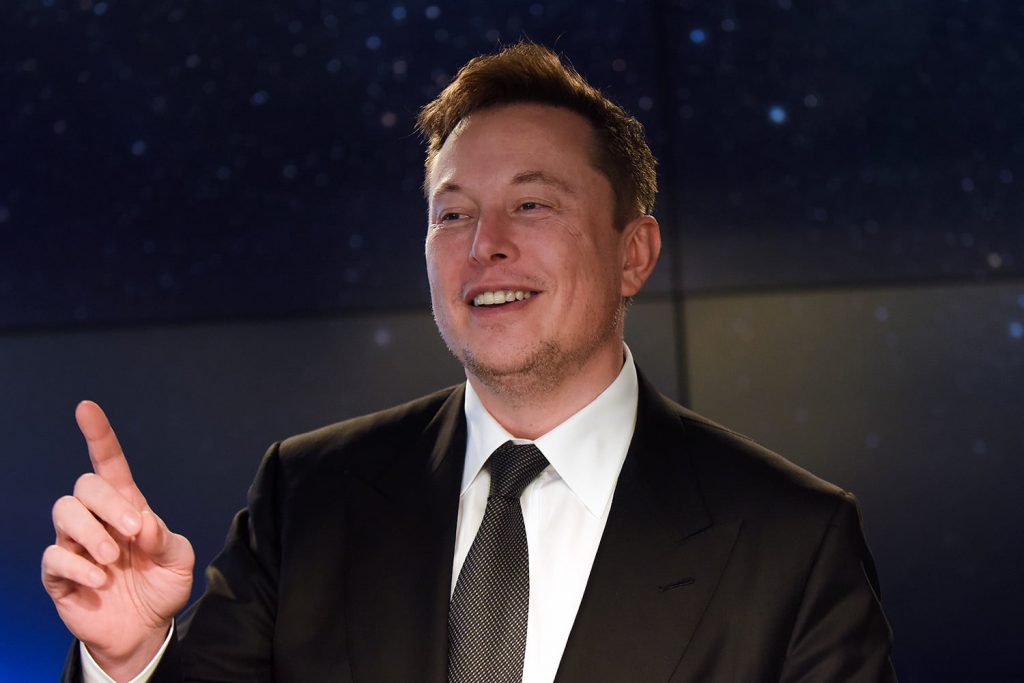
The world is facing a significant crisis in the form of COVID-19. The deadly pandemic is continuing to spread aggressively through Europe and North America. As countries struggle to grapple with the epidemic and deal with the aftermath of the viral disease, most economies are facing strict sanctions. For instance, most of the world’s schools and colleges have been shut. In the US, several states still have a lockdown in place, which bans public gatherings and the functioning of non-essential services. While some states have eased lockdown regulations owing to pressure from the public, certain others are maintaining social distancing norms to prevent further spread of the disease. Meanwhile, Tesla CEO Elon Musk has come out in favour of the easing of such lockdowns. In a statement released yesterday, Elon Musk called all shelter-in-place orders within the San Francisco Bay area and the US in general actions that are “fascist”. Here’s a look at what Musk said, and what implications his words might have.

Freedom at Risk

Elon Musk believes that asking people to stay-at-home as a part of the lockdown measures are fascist in nature, as they strip people of their rights. Musk stated that curbing people’s freedom isn’t how nations should handle such an issue. While announcing Tesla’s earnings call on Wednesday, Musk reiterated his belief in easing the lockdown measures, to much criticism from the public. A day earlier, he had faced flak for a remark he made on Twitter, wherein he echoed President Trump. The tweet was simple, having the words Free America Now, in all caps, much like how the President expresses himself online.

Production Worries or Safety?

Musk started talking about the repercussions that such a lockdown could have on the economy and ranted about not being able to meet production demands. He stated that issues in the Bay Area were seriously going to affect their production, and is hence a severe risk. The rant came as a result of the Six Bay Area counties extending their lockdown orders until May 31st. The recent changes in the lockdown order will affect Fremont, San Francisco, and other similar cities. Musk has called the shelter-in-place a way of forcibly imprisoning people within their homes, and that this was against their constitutional rights. Musk went on with his rant and stated that such practices were against American principles and that curbing people’s freedom this was just wrong.

Musk continued by stating that people who wished to stay home could, while others should be allowed to go out and do as they please. He believes that it is fascist to force people to stay at home and that the government should start acting democratic and give people their rights back.

Unwilling to Listen

All of this seems to come from the fact that Tesla’s main factory is located in Fremont. When the initial order asking all non-essential services to shut down came out, he stopped production and shut his factory down. Furthermore, Musk also closed his Buffalo plant that specializes in making solar panels. However, Musk was not wholly compliant and shut his factor five days after the order came out. Also, he defied orders last week by asking workers in Freemont to return to work. Furthermore, Tesla’s Gigafactory in Nevada never shut, defying lockdown orders put in place by the state’s governor.

Elon Musk believes that while Tesla will make it out fine once the COVID-19 crisis subsides, other small companies would not. Therefore, he has called the order to shut non-essential services a threat to everything that people have worked for, and that this would make people angry. Throughout the COVID-19 crisis, Musk has been critical of the safety measures the administration has taken. However, Musk’s criticism has been quite frustrating at times, as he has questioned science many a time, and even made incorrect predictions regarding the virus’s severity. In the early stages of the lockdown, Musk had said that the US would only have a few cases of the COVID-19 by the end of April. However, the US is grappling with over 25,000 new cases every single day! Since the beginning, Musk’s stand has been troublesome, with people criticizing him for the way he has behaved during this crisis. The public is shocked that someone with such scientific knowledge is being so irresponsible during such a dire situation. During such difficult times, the country needs people who can lead the initiative against the COVID-19, and not someone who refers to it as ‘dumb’