Your Tech Story

News

Baidu’s Live-Streaming Hopes Hit by Lapse of $3.6 Billion Deal to Buy JOYY's

Baidu’s Live-Streaming Hopes Hit by Lapse of $3.6 Billion Deal to Buy JOYY’s

The $3.6 billion agreement to purchase Joyy Inc.’s live-streaming company, YY Live, has expired, which is a major blow to Baidu Inc.’s ambitious entry into the live-streaming market. The agreement, which was announced in November 2020 to expand Baidu’s content offerings and diversify revenue sources, has expired due to difficulties in gaining regulatory permits.

The deal’s collapse was verified in a filing on Monday, which blamed the termination on the inability to get the required regulatory clearances by December 31. The agreement, which was started three years ago, was supposed to be completed in the first half of 2021. Due to unfulfilled terms, Baidu’s affiliate Moon SPV legally cancelled the share purchase agreement. This is a serious blow to Baidu’s aspirations to compete with emerging players in the online entertainment market, such as ByteDance Ltd.

Baidu’s Live-Streaming Hopes Hit by Lapse of $3.6 Billion Deal to Buy JOYY's

Image Source: news.yahoo.com

The purpose of Baidu’s calculated acquisition of Joyy’s live-streaming company was to improve its content portfolio. But because generative artificial intelligence has taken centre stage in the quickly changing tech world, Baidu’s foray into the live-streaming market will undoubtedly be difficult.

Visionary Leadership and Strategic Collaboration

A further layer of uncertainty was introduced when Joyy said in a separate announcement that it intended to consult with legal counsel and look at alternatives for concluding its agreement with Baidu.

Joyy, a leader in Chinese live-streaming, has a sizable user base, 1.61 million paying customers worldwide are drawn to its networks for sharing films and live-streaming games. China’s regulatory landscape has become more stringent, meanwhile, with officials closely examining multibillion-dollar transactions due to worries about the fast rise of the private sector and power consolidation.

Under the direction of President Xi Jinping, the Chinese government has been tackling problems associated with gaming addiction, enforcing regulations for minors in online entertainment, and halting the clearance process for new game titles. In light of this, regulators probably exercised caution while authorising Baidu’s agreement with Joyy.

Although Beijing appears to be loosening its restrictions on the internet sector in an effort to boost economic growth, Baidu’s recent failure highlights the difficulties encountered by digital behemoths looking to thrive in an environment where regulations are still stringent and discriminating.

With this development, Baidu has more obstacles to overcome in its quest for supremacy in the fast-paced and fiercely competitive online entertainment market.

WhatsApp Will Stop Unlimited Chat Backups on Google Drive in 2024

WhatsApp Will Stop Unlimited Chat Backups on Google Drive in 2024

WhatsApp, the globally cherished messaging platform, is set to alter its backup policy, creating waves among its billions of users worldwide. The service, well-known for its seamless integration with Google Drive allowing unlimited chat backups without consuming precious storage space, is about to undergo a significant change.

In a significant move, WhatsApp announced that starting this year, chat backups on Google Drive will start eating into users’ storage quotas. This alteration will affect individuals relying on the complimentary 15GB storage on Google Drive, nudging them towards considering additional storage through Google One.

WhatsApp Will Stop Unlimited Chat Backups on Google Drive in 2024

Image Source: editorji.com

This strategic shift brings Android in line with the storage limitations already prevalent in Apple’s iCloud. Google One, offering subscription plans for Google Drive, now becomes an imperative consideration for users seeking expanded storage options.

Google One offers three primary plans, catering to different storage needs: Basic (100GB), Standard (200GB), and Premium (2TB), available on a monthly or annual basis. The subscription fees range from £1.59 / $1.99 to £7.99 / $9.99 per month, or £15.99 / $19.99 to £79.99 / $99.99 annually.

Maximizing Free Storage Allocation

For those hesitant to subscribe, WhatsApp provides guidance on optimizing storage within the 15GB allocation. By managing storage settings within the app, users can efficiently reduce space usage, primarily focusing on media files.

Future Enhancements in WhatsApp

Alongside these changes, WhatsApp is on the brink of introducing a groundbreaking feature that enables communication without revealing phone numbers. Users will be able to create usernames, safeguarding their privacy while connecting with others seamlessly.

Added Security and Convenience

With this new feature, users can maintain a degree of anonymity, shield their contact details, and modify their usernames as desired. This layer of security enhances the user experience, fostering a safer and more personalized communication environment.

WhatsApp continues to evolve, adapting its services to meet users’ needs while maintaining a balance between convenience and privacy. Stay tuned for further developments and announcements from this pioneering messaging platform.

OpenAI Seeks $90 Billion Valuation in Possible Share Sale, WSJ Says

OpenAI Is in Talks to Raise New Funding at Valuation of $100 Billion or More

In a seismic move within the tech sphere, OpenAI, the renowned artificial intelligence research laboratory, is reportedly in the initial stages of securing a substantial round of funding that could catapult its valuation to an unprecedented $100 billion or more. According to Bloomberg News, sources privy to these discussions revealed that the organization is actively engaging in talks aimed at securing this remarkable investment.

Uncertainties Surrounding Valuation and Timing

OpenAI Seeks $90 Billion Valuation in Possible Share Sale, WSJ Says

Image Source: finance.yahoo.com

While the discussions are underway, it’s important to note that the terms, valuation, and precise timing of this imminent funding round have yet to be solidified. The fluidity of the situation implies that these crucial elements remain subject to potential alterations before finalization. However, the mere prospect of OpenAI approaching such a staggering valuation is indicative of the profound confidence and investor interest in the organization’s innovative pursuits and technological advancements.

Exploring Collaborations for Technological Advancements

In a related development, OpenAI is reportedly delving into discussions regarding funding for a groundbreaking chip venture in collaboration with G42, an influential entity based in Abu Dhabi. These discussions signify the organization’s strategic intentions to venture into hardware innovations, an area pivotal to the evolution and application of artificial intelligence technologies. The potential partnership with G42 underscores the global nature of OpenAI’s vision and its commitment to forging strategic alliances for cutting-edge technological advancements.

Redefining AI Landscapes with Bold Financial Moves

Should OpenAI successfully secure this round of funding at the anticipated valuation, it would undoubtedly mark a historic moment not just for the organization but for the broader tech industry. Such a valuation would underscore the remarkable trajectory and influential position of OpenAI within the artificial intelligence landscape, potentially setting new benchmarks for valuation in the tech sphere.

The implications of this potential funding transcend mere financial figures; they signify a pivotal moment in the technological landscape, underscoring the growing significance and potential of AI-driven innovations in shaping our future. OpenAI’s pursuit of this substantial investment reaffirms its commitment to pioneering advancements that redefine the boundaries of artificial intelligence.

As the negotiations progress, stakeholders within the tech industry eagerly await the outcome, poised to witness a potential milestone that could reshape the very fabric of the technological landscape.

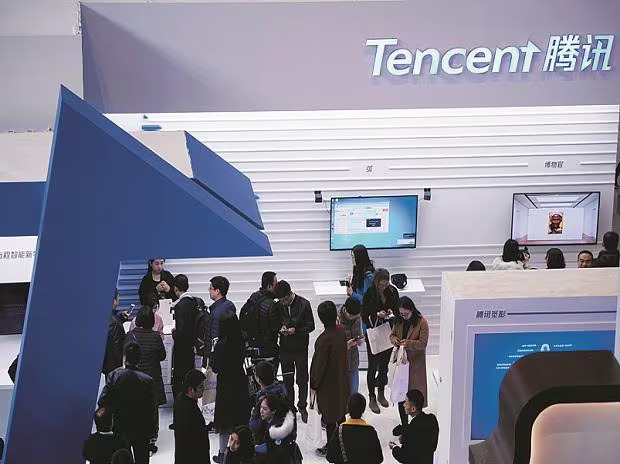
Tencent Leads $80 Billion Rout as China Rekindles Crackdown Fear

Tencent Leads $80 Billion Rout as China Rekindles Crackdown Fear

On December 22, Tencent Holdings spearheaded an unprecedented $80 billion downturn in China’s digital sphere, sparked by the unanticipated enforcement of fresh gaming restrictions. The announcement, issued by the top gaming regulator, aimed to curb excessive spending and time commitment within gaming platforms.

Tencent Leads $80 Billion Rout as China Rekindles Crackdown Fear

Image Source: business-standard.com

The new regulations encompass a spectrum of limitations, from capping individual in-game expenditures to prohibiting incentives for frequent log-ins and compulsive player challenges. This move evoked vivid memories of the 2021 tech industry crackdown, which disrupted sectors like e-commerce and education, deeply impacting companies like Ant Group Co. and Alibaba Group Holding Ltd.

Investor Bewilderment and Market Fallout

Tencent, along with counterparts NetEase Inc. and Bilibili Inc., witnessed staggering drops in market value, signaling investor concern about the unforeseen and ambiguous nature of the regulatory changes. Developers and designers flooded social platforms with confusion and outrage, particularly perturbed by the undefined spending caps that could severely impact revenue streams reliant on in-game purchases.

Lingering Apprehension and Industry Outlook

Industry analysts and market participants expressed apprehension about potential future measures targeting the internet sector, paralleling past stringent actions against various industries. The regulatory interventions, although ostensibly focused on gaming addiction and cultural preservation, sent shockwaves across investors and industry insiders, prompting concerns about the broader implications for market stability and growth.

The ambiguous wording of the regulations left stakeholders grappling with uncertainties, with the rules lacking clarity on their commencement and potential revisions based on public feedback. While Tencent’s reassurances about maintaining operational continuity provided some solace, skepticism prevails amidst fears of prolonged regulatory pressure on the digital landscape.

Impact on Global Gaming Paradigm

Beyond China’s borders, these developments might signal a shift away from the prevalent freemium model, potentially influencing international gaming policies concerning addiction and in-game spending. Analysts foresee a domino effect, prompting other countries to contemplate measures against addictive gaming practices.

The resilience or reversal of these stringent measures remains contingent on public response and ongoing discussions between stakeholders and regulatory bodies. As the industry braces for a potentially transformative phase, the implications of China’s regulatory stance on its colossal digital market will reverberate globally, influencing future gaming paradigms and regulatory frameworks.

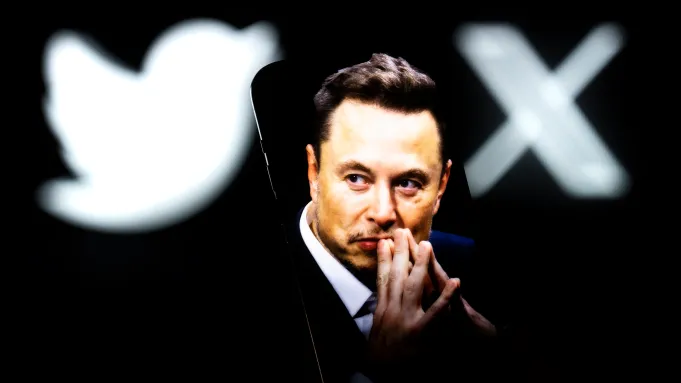
X Suffers Biggest Outage Since Musk’s Takeover

X Suffers Biggest Outage Since Musk’s Takeover

Since the billionaire acquired the social media site previously referred to as Twitter, Elon Musk’s X has experienced its largest outage. This was a brief but broad disturbance that seemed to be ending.

Downdetector, which is  responsible for monitoring website as well as service disruptions, states that as of 1:41 p.m. Hong Kong time on Thursday, over 94,000 users of X encountered problems with the website. An hour later, there were only roughly 7,000 difficulties reported by users.

Since Musk purchased the San Francisco-based site for a total of $44 billion at the end of 2022, there have been several disruptions, but none as significant as the one that occurred in July of that year, which impacted about 50,000 users, till this week.

X Suffers Biggest Outage Since Musk’s Takeover

Image Source: deadline.com

The most recent incident’s cause is unknown. Approximately seventy percent of the reports mentioned problems with X’s app, and twenty percent mentioned problems with its website.

Regarding the disturbance, X’s official account remained silent. “Busy now, please check back later” was an automated reply sent in an email to the organization’s press center.

Since Musk bought X in 2022 for the price of $44 billion, the firm has been beset with problems. Subsequently, there have been several job cuts, particularly of engineers and other essential personnel in charge of platform maintenance, customer care, and averting service disruptions.

Rumors have Surfaced After Musk’s Takeover

Since Musk’s takeover, there have additionally been an abundance of rumors and reports regarding X.

Significant adjustments have been made to the verification procedure, API availability, cancellations of bans for individuals deemed problematic, and a major rebranding from “Twitter” to “X.”

Now that he’s changed the platform, Musk has made it clear that he wants to prioritize free expression for all. Additionally, the businessman became the executive chair as well as the chief technology officer of the company, replacing his previous position as CEO of Twitter/X.

Even after X was made available to customers globally again, thousands of individuals are still reporting problems with the app. Thousands of people commented on a PopCrave tweet that said that Twitter/X is now back up despite an hour-long downtime, discussing the outage and its effects on different users.

“One person wrote, "We're back but this app is still broken." Another user commented, "As a professional X content creator this outage has been devastating for me, anyone else feel the same?" A third person said, "I was really crying & throwing up because I thought my Twitter was gone."

"The app is still kinda broken, sometimes it says to try again when posting even tho it's already posted, it also doesn't show the views.." a fourth wrote.

yahoo.com
Brazil PM's Wife Clashes With Elon Musk Over Hacked X (Twitter) Account

Brazil PM’s Wife Clashes With Elon Musk Over Hacked X (Twitter) Account

In a clash between Brazil’s First Lady, Rosangela da Silva, known as Janja, and tech mogul Elon Musk, the discourse over responsibility and swift action has ignited following the hacking of Janja’s social media account on X, the platform previously known as Twitter.

The Hacking Incident and Musk's Response

The incident, occurring on December 11, gained national attention in Brazil as the hacker posted offensive content, including lewd images and insults targeting President Luiz Inacio Lula da Silva, on Janja’s profile boasting 1.2 million followers. Janja swiftly condemned the breach, labeling it as misogynistic.

Brazil PM's Wife Clashes With Elon Musk Over Hacked X (Twitter) Account

Image Source: humnews.pk/

However, tension escalated when Musk, the owner of X since last year, dismissed any accountability on his platform for the security breach. In a response to allegations, Musk defended his company stating, “It is not clear how someone guessing her email password is our responsibility,” in a tweet addressing the legal threat from Janja.

Janja's Accusations and Calls for Accountability

Janja retaliated, accusing Musk of downplaying the severity of the event and neglecting the platform’s responsibility to promptly address such cybercrimes. She emphasized that the issue transcended personal inconvenience, highlighting the broader impact on women users facing similar risks daily on the platform.

Expressing her disappointment in Musk’s response, Janja characterized it as “symptomatic” of his tendency to engage in clashes with critics on the platform.

Legal Threat and Pursuit for Swift Action

With her account compromised, Janja took a decisive stance, threatening legal action against X. She criticized the platform’s delayed response to her requests to freeze the account, remove the offensive content, and facilitate her regaining control over her profile.

Janja reiterated her commitment to holding the platform accountable, emphasizing the necessity for swift action and an increased sense of responsibility from X in addressing security breaches and cybercrimes within its domain.

The clash between the First Lady of Brazil and Musk underscores the escalating concerns over platform accountability, user security, and the obligation of tech companies to promptly address cybercrimes. As the discourse continues, it brings to light the evolving challenges faced by social media platforms in ensuring the safety and protection of their users.