Your Tech Story

News

Google CEO Signals More Job Reductions in the Coming Months
Google CEO Signals More Job Reductions in the Coming Months

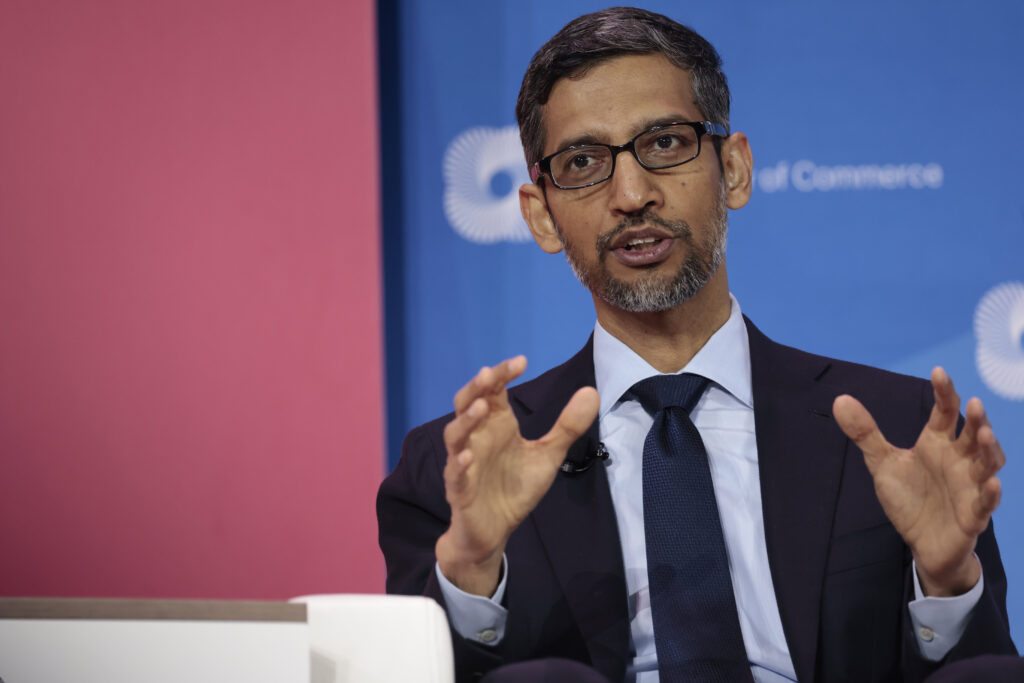
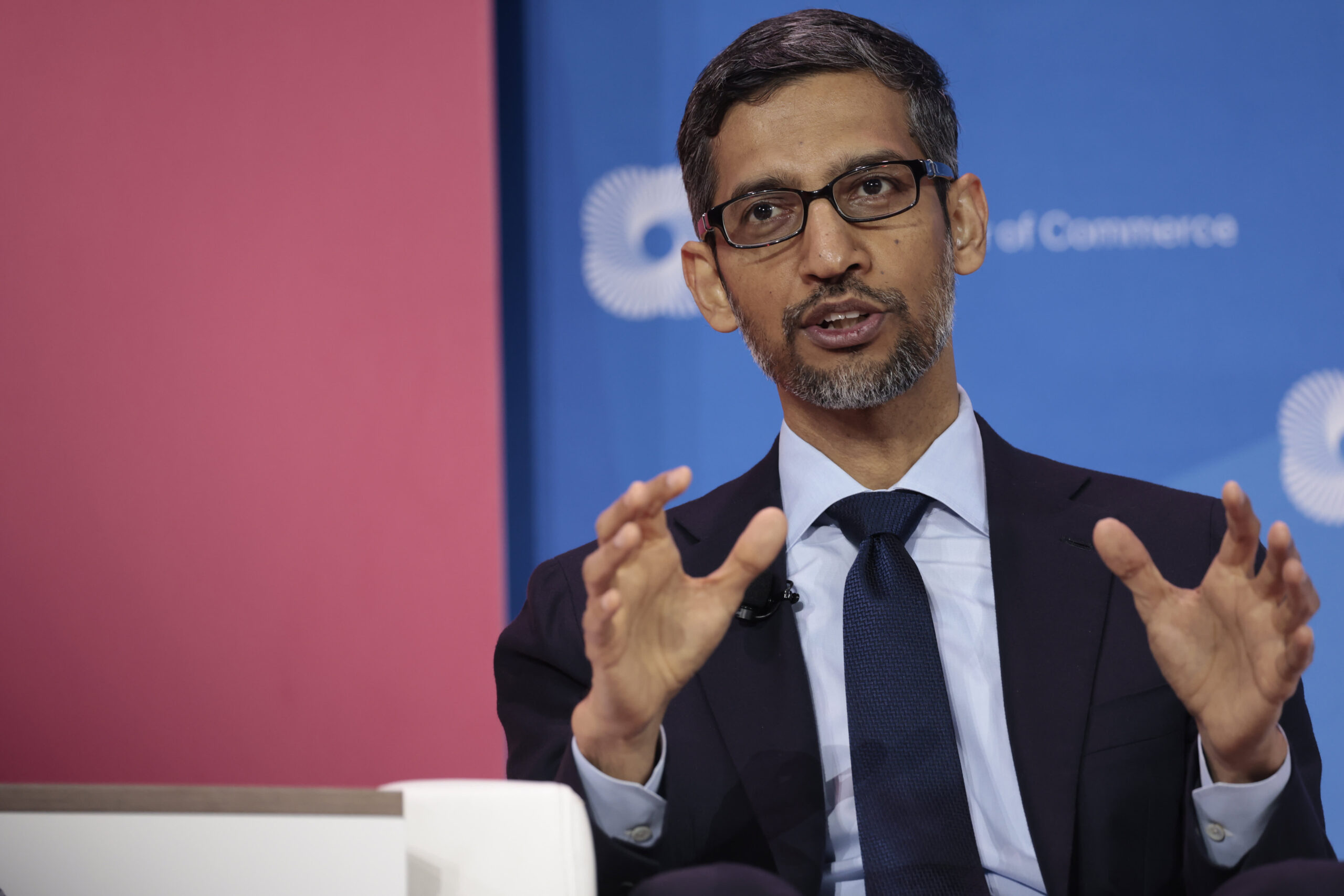
The tech giant Google is currently experiencing difficult times. The CEO of the company has recently informed employees that more job cuts are expected this year. This news is significant for the tech industry and may indicate a shift in both market dynamics and employment trends.

Google's Financial Scenario Leading to Job Cuts

Over the past few years, Google has gone through various market changes and economic conditions. However, recent financial circumstances have necessitated a re-evaluation of their workforce strategy.

Previous Downsizing Efforts

Google has previously made efforts to cut jobs and downsize with the aim of streamlining operations and focusing on core business areas. However, the current situation seems to demand more significant changes.

Google CEO's Message to Employees

Google CEO Signals More Job Reductions in the Coming Months

Image Source: cnbc.com

In a candid communication, Google’s CEO laid out the company’s plans for the coming year, including the tough decision to further reduce the workforce. The CEO’s message highlighted several key points, including the need for efficiency, the impact of global economic factors, and Google’s commitment to its long-term goals.

Impact of job cuts on Google staff

This announcement will undoubtedly have a significant impact on Google employees. This creates concerns about job security and has an impact on employee morale and future outlook. Maintaining employee morale in times of uncertainty becomes a serious challenge. How Google handles this phase will be important for its future.

Impact on Tech Industry

Google’s decision to cut jobs is not an isolated incident. It reflects broader trends in the tech industry, especially in the context of economic downturns and market volatility. Other tech giants are facing similar challenges, leading to a reassessment of workforce needs. This move by Google could set an example for how other companies deal with these challenges.

Reasons Behind Job Cuts

Several factors have contributed to Google’s decision to reduce its workforce. This includes economic factors, market conditions, and changes in business focus. The current global economic environment, characterized by uncertainty and change, has had a significant impact on Google’s decision-making process.

Advice for Employees

For those employees who may be affected by these job cuts, it is necessary to deal with this uncertain scenario. Here are some strategies for coping with job loss and looking forward. Career changes can be challenging, but they also provide opportunities for growth and new directions. Employees can explore various avenues to advance their careers after Google.

Google's Future Strategy

Despite the current challenges, Google is looking ahead. The company is focusing on innovation and adapting its business strategy to stay ahead in the tech landscape. Google’s future plans include a focus on new technologies and market opportunities, aiming to maintain its position as a leading tech company.

Conclusion

In conclusion, Google’s announcement of more job cuts reflects the realities of the changing tech landscape. How the company navigates this period will be critical to its future success.

Google Admits That Incognito Mode May Collect Data

Google Admits That Incognito Mode May Collect Data

In a surprising turn of events, Google recently admitted that it may collect data even when users are browsing in Chrome’s incognito mode. This revelation has raised concerns about privacy in the digital age. But what does this actually mean for Chrome users? Let’s delve deeper into this development.

Understanding Incognito Mode in Chrome

Google Admits That Incognito Mode May Collect Data

Incognito mode in Chrome involves recognizing its role as a private browsing feature that allows users to surf the Internet without saving browsing history, cookies, site data or form inputs on their device. Although it provides a level of privacy from other people using the same device, it does not offer complete anonymity online. Visited websites, employers, or Internet service providers may still track online activities during an incognito session. This mode is particularly useful for keeping a browsing session private from other users on the same device, but it’s important to be aware of its limitations in terms of overall online privacy and data security.

The Myth of Complete Privacy

However, the notion of complete privacy in incognito mode is a bit of a myth. Although this prevents certain types of data from being stored on your device, it does not offer complete anonymity online.

Google's Consent for Data Collection

Google’s recent admission highlights the limitations of Incognito Mode. The company has acknowledged that using this mode may still result in data collection in some circumstances.

What Data Could Be Collected?

The types of data that may be collected include information about websites visited, user interactions, and possibly location data, depending on the user’s settings and extensions used.

Privacy Concerns and User Trust

This revelation undoubtedly raises concerns about privacy and how much users can trust the private browsing modes offered by major browsers like Chrome.

The Legal Angle of Data Collection in Incognito Mode

From a legal perspective, Google’s data collection practices in incognito mode may raise questions about user consent and compliance with data protection laws.

User Consent and Data Protection Laws

In regions with strict data protection laws, such as the EU’s GDPR, this issue of consent and transparency in data collection becomes even more important.

How Data Collection Works in Incognito Mode

Technically speaking, data collection in incognito mode involves several components such as cookies, trackers, and other technologies that can send information back to Google and other entities. Even in Incognito mode, some types of cookies and trackers may still function, thus allowing the collection of certain data.

Navigating Privacy in a Digital World

In conclusion, Google’s admission about data collection in incognito mode is a reminder of the complexities of privacy in the digital world. Users must remain informed and active in managing their digital footprint.

OpenAI Enters the Defense Arena with US Military Cybersecurity Collaboration

OpenAI Enters the Defense Arena with US Military Cybersecurity Collaboration

In a significant shift from its previous stance, OpenAI is actively engaged with the United States military, particularly the Pentagon, on diverse projects, with a notable focus on cybersecurity capabilities. This move marks a departure from the startup’s prior prohibition on supplying its artificial intelligence to military applications.

Embracing Cybersecurity Initiatives

OpenAI Enters the Defense Arena with US Military Cybersecurity Collaboration

OpenAI, the creator of ChatGPT, is collaborating closely with the US Defense Department to develop open-source cybersecurity software. This collaboration extends to working with the Defense Advanced Research Projects Agency (DARPA) on the AI Cyber Challenge, a groundbreaking initiative unveiled last year. Anna Makanju, OpenAI’s Vice President of Global Affairs, highlighted these developments during an interview at Bloomberg House at the World Economic Forum in Davos.

Revisiting Policies

In a notable shift, OpenAI has recently revised its terms of service, eliminating the previous prohibition on AI deployment in “military and warfare” contexts. Makanju explained that this decision was part of a broader policy update to accommodate evolving uses of ChatGPT and other tools. However, she emphasized that OpenAI maintains strict guidelines, prohibiting the use of its technology in developing weapons, causing harm, or damaging property.

Microsoft's Role

Microsoft Corp., as OpenAI’s major investor, is actively involved in providing software contracts to various branches of the US armed forces. Notably, Microsoft, along with OpenAI, Anthropic, and Google, is collaborating with the Defense Advanced Research Agency in the AI Cyber Challenge. The goal is to identify software solutions capable of autonomously addressing vulnerabilities and safeguarding critical infrastructure from cyber threats.

Election Security Acceleration

OpenAI is also intensifying its efforts in the realm of election security. The company is directing resources towards ensuring that its generative AI tools do not contribute to the spread of political disinformation. Sam Altman, OpenAI’s Chief Executive Officer, underscored the significance of this initiative, acknowledging the heightened concerns surrounding elections and emphasizing the importance of addressing these anxieties.

In summary, OpenAI’s strategic collaboration with the US military, coupled with its commitment to enhancing cybersecurity and election security, reflects a nuanced approach to harnessing AI capabilities for societal benefit while carefully navigating ethical considerations.

Vodafone and Microsoft's 10-Year Deal in AI and Payment Systems

Vodafone and Microsoft’s 10-Year Deal in AI and Payment Systems

In order to provide generative AI, digital services, enterprise solutions, as well as cloud services to more than 300 million customers and enterprises throughout its European and African regions, Vodafone and Microsoft have formed a ground-breaking 10-year cooperation.

Vodafone is investing $1.5 billion in the creation of customer-focused AI as part of this partnership, utilising Microsoft’s Copilot and Azure OpenAI capabilities. As part of the cooperation, physical data centres will be replaced with more affordable and scalable Azure cloud services.

Microsoft Will Purchase Stock in Vodafone's IoT in Exchange

In exchange, Microsoft will purchase stock in Vodafone’s operated Internet of Things (IoT) platform, which is expected to go independent by April 2024. Microsoft will also contribute to the African expansion of Vodafone’s mobile finance platform.

Vodafone and Microsoft's 10-Year Deal in AI and Payment Systems

Image Source: voi.id

Luka Mucic, Chief Financial Officer of Vodafone, highlighted how Microsoft’s AI leadership, especially through its OpenAI partnership, is revolutionising the telecoms company’s consumer services. Mucic announced the introduction of the Microsoft AI-driven TOBi chatbot, which is expected to provide more consistent and perceptive answers to consumer inquiries.

Microsoft’s Chief Commercial Officer, Judson Althoff, emphasised the strategic importance of Vodafone’s IoT and financial services capabilities. In order to test process changes in the cloud, he highlighted the crucial role that Vodafone’s IoT assets play in solving sustainability concerns. Microsoft’s “digital twins” are used to mimic industrial settings.

“The IoT assets are critical in helping us address the sustainability needs of so many of our customers in hard-to-abate sectors,” Microsoft’s Chief Commercial Officer Judson Althoff said.

“Vodafone’s IoT stack allows us to go into those environments, model the environment, create large-scale data stores, and use AI to help customers meet their sustainability goals,” he said.

cnbc.com

Microsoft’s goals in the area, which centre on financial decision-making and digital literacy, are in line with Vodafone’s M-PESA mobile money platform, which operates in African nations including South Africa, Tanzania, and Kenya. The collaboration intends to use generative AI capabilities to enable clients to make knowledgeable financial decisions.

This partnership is an all-encompassing attempt to fuse Microsoft’s technological capabilities with Vodafone’s vast telecom reach, generating synergies in the domains of artificial intelligence, the Internet of Things, and financial services. A common vision for the development of digital services and innovation in the telecom industry is reflected in the partnership’s commitment to a 10-year term.

Uber Announces Closure of its Alcohol Delivery Service Drizly

Uber Announces Closure of its Alcohol Delivery Service Drizly

In an unexpected turn of events, Uber has announced the shutdown of its alcohol delivery service, Drizly. This decision marks a significant shift in Uber’s business strategy and has implications for consumers and the alcohol delivery market at large. This article delves into the reasons behind this move, its impact, and what the future may hold for Uber and its competitors.

Uber's Acquisition of Drizly

Uber Announces Closure of its Alcohol Delivery Service Drizly

Image Source: vinepair.com

In 2021, Uber acquired Drizly, integrating it into its expansive portfolio of delivery services. This move was seen as a strategic step to diversify Uber’s offerings and tap into the growing market of on-demand alcohol delivery.

The Shocking News: Drizly's Service Closure

The announcement of Drizly’s shutdown came as a surprise to many. Customers who had become accustomed to the convenience of ordering their favorite drinks online were left wondering about the reasons behind this decision.

Behind the Decision: Why is Drizly Shutting Down?

The liquor delivery market is full of complex regulations and intense competition. These challenges may have played a significant role in Uber’s decision. With varying laws across states and countries, understanding the legal landscape of alcohol distribution is a difficult task. These regulatory challenges could create significant hurdles for companies like Drizly. Uber’s decision also reflects a strategic shift in its business model, potentially focusing more on its core services and other profitable areas.

How Will Drizly's Shutdown Affect Consumers?

Drizly’s closure will undoubtedly impact its regular users. However, there are many options in the market that consumers can turn to. With Drizly ending its service, customers may explore other alcohol delivery services that offer similar convenience and variety.

The Broader Impact on the Alcohol Delivery Market

Drizly’s closure is not just an isolated incident but could have an impact on the entire liquor delivery industry. This creates an opportunity for other players in the market to fill the gap left by Drizly, potentially leading to new innovations and services.

Wrapping Up: The End of an Era for Drizly

The closure of Drizly marks the end of a significant chapter in the world of alcohol delivery services. As we bid farewell to Drizly, we look forward to seeing how the market adapts and evolves in response to this change.

Apple Era Overtakes Samsung to Become Global Smartphone Leader of 2023

Apple Era Overtakes Samsung to Become Global Smartphone Leader of 2023

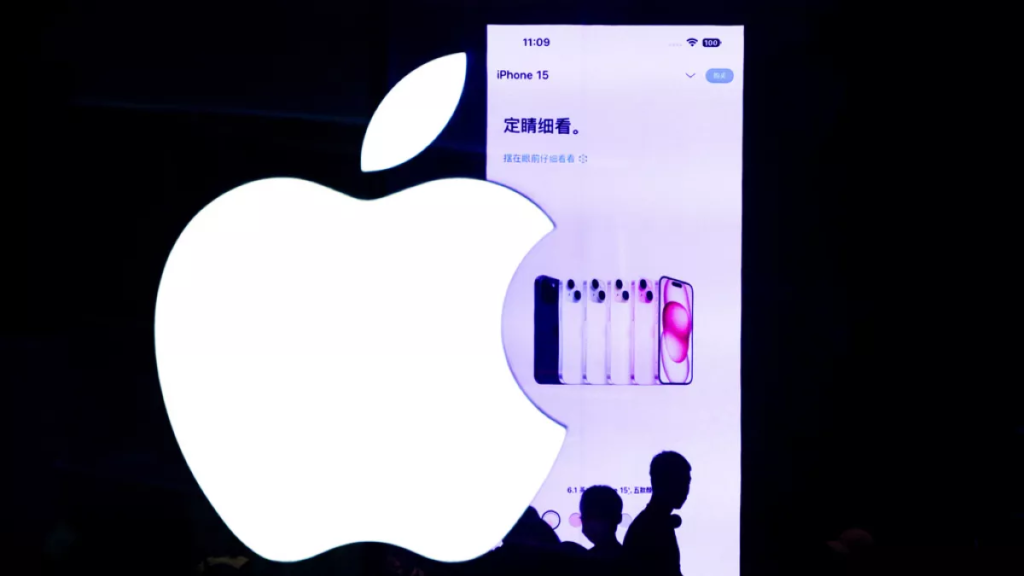
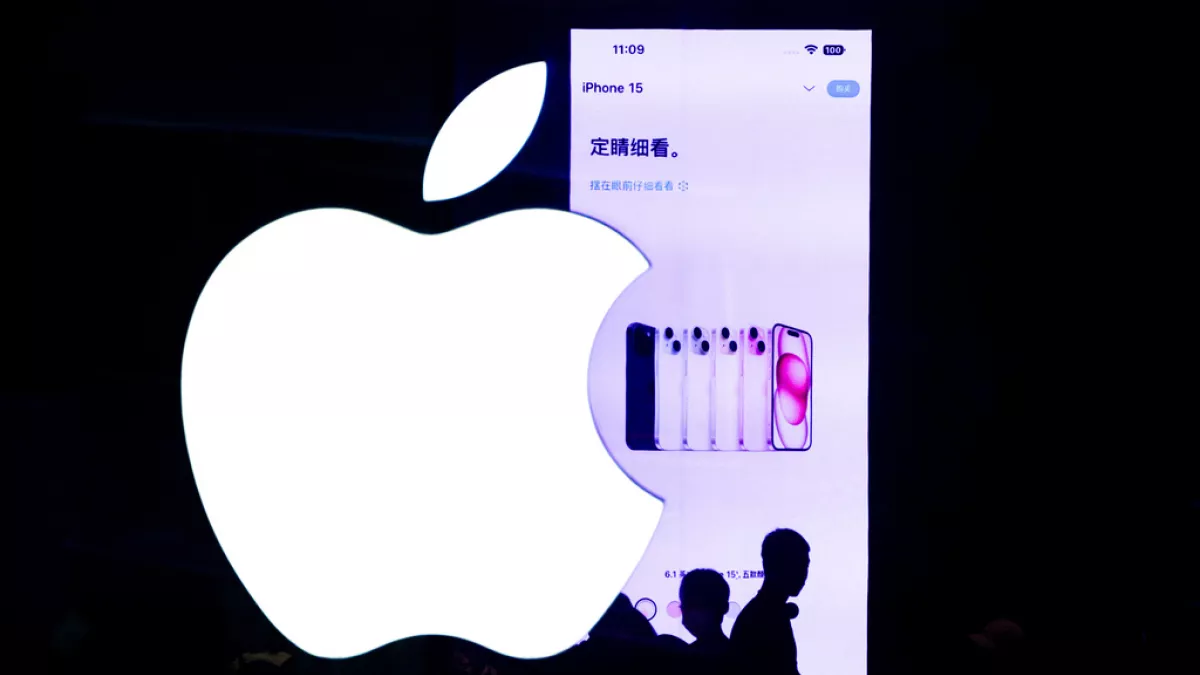
In a surprising turn of events, preliminary data reveals that Apple has seized the crown from Samsung, emerging as the world’s largest smartphone brand in 2023. This marks a significant shift in the dynamics of the fiercely competitive smartphone market, breaking Samsung’s annual streak as the market leader since 2010.

Understanding the Numbers

Apple Era Overtakes Samsung to Become Global Smartphone Leader of 2023

Image Source: euronews.com

According to the International Data Corporation (IDC), Apple secured a 20.1% market share in global smartphone shipments throughout 2023, surpassing Samsung’s 19.4%. What sets Apple apart is not only its ascendancy to the top position but also the remarkable positive growth it demonstrated amidst a challenging market.

Apple's Remarkable Growth

Within the triumvirate of smartphone giants — Apple, Samsung, and Xiaomi — Apple stands out as the lone contender to exhibit year-over-year shipment growth. Apple’s shipments rose from 226.3 million units to 234.6 million units in 2023, making it the only company in the top three to achieve this feat.

Nabila Popal, research director with IDC’s Worldwide Tracker team, highlights Apple’s dominance, stating, “Not only is Apple the only player in the Top 3 to show positive growth annually, but also bags the number 1 spot annually for the first time ever.” This underscores the Cupertino-based company’s strategic prowess and adaptability in a dynamic market.

Factors Contributing to Samsung's Downfall

The decline of Samsung’s market leadership can be attributed to diversification within Android smartphone shipments. Competitors like Huawei, Honor, and OnePlus, offering compelling devices at lower price points, played a pivotal role in challenging Samsung’s position. The smartphone market experienced a 3.2% decline, shipping 1.17 billion units in 2023.

While the overall market faced a contraction, the second half of 2023 witnessed growth, hinting at a potential recovery in 2024. Strong performances from low-end Android players like Transsion and Xiaomi, particularly in emerging markets, contributed to this positive momentum.

Apple's Revenue Conundrum

Despite clinching the top spot in market share, Apple faced a revenue downturn throughout 2023. The iPhone 15 lineup, launched in September, couldn’t entirely offset the challenges, with the majority of the year being dominated by iPhone 14 sales. Apple’s ability to translate market share into sustainable revenue will be a key focus in navigating future quarters.

As Apple disrupts the established order, the smartphone arena witnesses a seismic shift in 2023. The interplay of market dynamics, product strategies, and competitive landscapes sets the stage for an intriguing 2024, where industry titans vie for supremacy in this ever-evolving market.