Your Tech Story

News

Japan Invests $3.9 Billion in Rapidus Chip Venture to Boost Tech Dominance

Japan Invests $3.9 Billion in Rapidus Chip Venture to Boost Tech Dominance

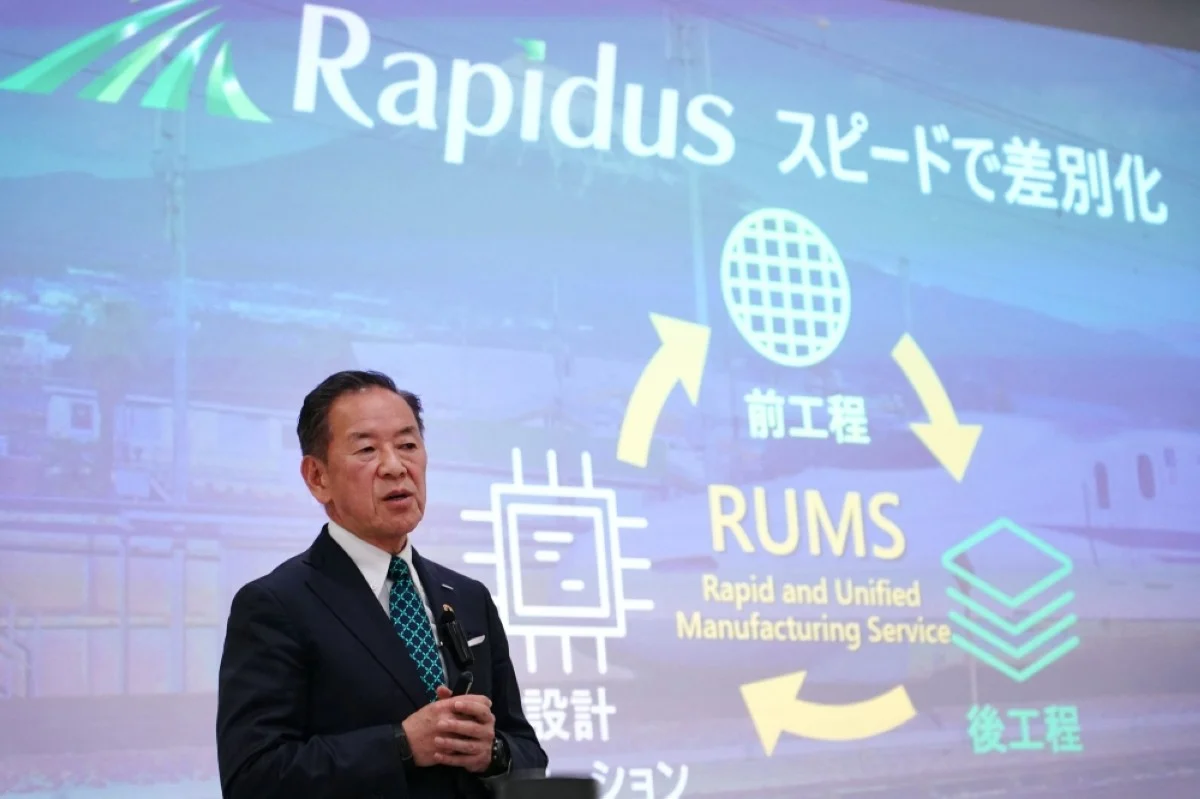
Japan has given the green light to allocate a substantial sum of ยฅ590 billion ($3.9 billion) in subsidies to Rapidus Corp., a semiconductor venture, as part of its ongoing efforts to ramp up chip production capabilities. This significant financial injection is aimed at aiding Rapidus in procuring chipmaking equipment and advancing its back-end chipmaking processes, revealed Economy Minister Ken Saito.

Strategic Investment in Next-Generation Semiconductors

Japan Invests $3.9 Billion in Rapidus Chip Venture to Boost Tech Dominance

Image Source: kuwaittimes.com

During a regular news conference in Tokyo, Minister Saito emphasized the critical role of next-generation semiconductors in shaping Japan’s industrial landscape and economic growth trajectory. He emphasized the pivotal nature of this fiscal year for Rapidus, underlining the importance of their endeavors in the semiconductor domain.

This move has sparked positive market reactions, with Japanese chip equipment makers such as Tokyo Electron Ltd. and Disco Corp. experiencing notable stock price surges in response to the subsidy approval.

Reviving Japan's Semiconductor Sector

This substantial funding forms part of Japan’s broader strategy, allocating around ยฅ4 trillion over the last three years to revitalize its semiconductor manufacturing capabilities. Prime Minister Fumio Kishida has set ambitious targets, aiming for ยฅ10 trillion in financial support to chipmakers, in collaboration with the private sector.

Geopolitical tensions and a growing awareness of the strategic importance of semiconductors globally have prompted governments worldwide to bolster domestic semiconductor production. This industry’s significance extends beyond consumer electronics, encompassing critical applications in automotive, energy, defense, and more.

Rapidus’s collaboration with Japanese researchers in nanotechnology and materials underscores the nation’s commitment to narrowing the gap with leading chip manufacturers like Taiwan Semiconductor Manufacturing Co. (TSMC). The aim is to leverage cutting-edge fabrication technology and enhance production efficiency.

Accelerating Innovation and Production Cycles

A substantial portion of the newly approved subsidies will be channeled into equipping Rapidus’s pilot line at its Chitose plant, collaborating with IBM Corp. researchers, streamlining production processes, and developing advanced packaging technologies. These initiatives align with Rapidus’s ambitious goal of mass-producing semiconductors using 2-nanometer processes by 2027, while achieving production cycles twice as fast as competitors.

President Atsuyoshi Koike of Rapidus emphasized the critical role these funds play in realizing their vision, highlighting the importance of the pilot line’s development.

Minister Saito also reflected on Japan’s past economic challenges, attributing part of its stagnation to a lack of understanding regarding semiconductor importance. He stressed the foundational role of chips in driving digitalization, decarbonization, and economic security, positioning semiconductors as the cornerstone of Japan’s industries and global economic infrastructure.

Xiaomi Shifts Focus from Apple to Tesla in the EV Market

Xiaomi Shifts Focus from Apple to Tesla in the EV Market with 120,000 Orders in 36 Hours

Xiaomi, which is well-known for its intense rivalry with Apple in the smartphone space, is making a foray into the electric vehicle (EV) industry with the SU7 sedan. Within 36 hours of its introduction, Xiaomi got an astounding 120,000 orders, putting it in a position to threaten Tesla’s hegemony in the electric vehicle market.

Joining the EV Arena

Under the leadership of billionaire founder and chief executive officer Lei Jun, Xiaomi is making a big move with its entry into the EV market. With the introduction of the SU7 sedan, Xiaomi is aiming to upend the car business, replicating its achievements in the smartphone sector a decade prior.

Challenging Tesla's Hegemony

Xiaomi Shifts Focus from Apple to Tesla in the EV Market

Image Source: news.yahoo.com

Lei Jun’s audacious claim during the Beijing presentation that it’s time for owners of the Tesla Model 3 to switch to the Xiaomi SU7 highlights the company’s faith in its new product. Xiaomi hopes to challenge Tesla’s market dominance in China with low prices starting around $30,000 and remarkable specs that in some cases exceed those of the Model 3.

Outstanding Pre-Order Totals

In only a few minutes after the SU7 sedan went on sale, Xiaomi got over 50,000 orders, indicating a high level of interest in their electric car. The business revealed that during the first day, about 90,000 pre-orders were placed, demonstrating how excited customers were about Xiaomi’s debut in the field of electric vehicles.

Cutting-Edge Features and Technology

Impressive specs are offered by the SU7 sedan, which includes a 73.6 kWh battery with a 700 km range for the base model and a 94.3 kWh battery with an 830 km range for the Pro variant. Pilot Pro ADAS and a Dolby Atmos sound system are examples of cutting-edge technical features that further improve driving and establish the SU7 as a serious rival to Tesla’s products.

Global Aspirations

Lei Jun has set high standards for Xiaomi’s electric vehicle business, hoping to dominate the global car industry in the coming 15 to 20 years. Xiaomi is dedicated to upending the industry and making a name for itself in the EV market, and it has ambitions to invest a total of ten billion dollars in the electric vehicle field.

Barriers to Come

Xiaomi has a tough time competing in a market full of major companies’ EV vehicles, even with such a strong start. Xiaomi’s plans to expand internationally are seriously hampered by regulatory barriers and market saturation, particularly in countries like the US.

In summary, with the SU7 sedan, Xiaomi has entered the electric vehicle market, which is a big step forward for both the business and the auto sector overall. With remarkable pre-order numbers and big ambitions for the future, Xiaomi is ready to upset Tesla’s hegemony and change the electric vehicle market. A new age of electric vehicles may be ushered in by Xiaomi’s creative strategy and competitive offers as the EV market keeps growing.

Google Agrees to Delete Web Browsing Data Collected in โ€˜Incognitoโ€™ Mode

Google Agrees to Delete Web Browsing Data Collected in โ€˜Incognitoโ€™ Mode

In a landmark settlement, Google has agreed to delete certain web browsing data collected while users are in ‘Incognito’ mode, marking the conclusion of a high-profile lawsuit accusing the tech giant of using its incognito mode. It has been accused of misleading users about the level of privacy it provides. Browsing facility. The agreement follows extensive legal discussions and is seen as an important step towards enhancing user privacy.

Google Agrees to Delete Web Browsing Data Collected in โ€˜Incognitoโ€™ Mode

Image Source: finance.yahoo.com

The lawsuit, initially filed in 2020, challenged Google’s practice of tracking and collecting personal data even when users opted for incognito mode in the Chrome browser, arguing that the company’s actions violated its The privacy claims were refuted. Incognito Mode is marketed as a feature that allows users to browse the web without having their activities saved on their browser or device.

Under the terms of the settlement, Google has not only agreed to delete the contested web browsing data but also committed to making its privacy policies and data collection practices more transparent, especially regarding Incognito mode. This move is expected to have far-reaching implications for how tech companies communicate privacy features and handle user data.

A Win for Privacy Advocates

Privacy advocates have hailed the agreement as a victory for consumer rights and data protection. A spokesperson for a leading digital rights organization said, “This settlement sends a clear message to tech companies that they cannot avoid accountability for privacy intrusions.” The agreement highlights the growing demand for clear privacy protections and transparency in the digital age.

Google's Commitment to Privacy

In response to the settlement, Google issued a statement reiterating its commitment to user privacy. “Protecting the privacy of our users and keeping their data secure is a top priority for Google. This agreement continues our efforts to bring transparency to how we use data and give users more control over their information,” the statement said. Reflects the efforts being made.”

As part of its commitment, Google has promised to increase the visibility of its privacy policies and provide users with more detailed information about what data is collected in Incognito mode and how it is used. These changes are intended to help users make more informed decisions about their privacy settings and the data they share online.

Implications for the Tech Industry

The agreement is expected to have a significant impact on the tech industry, setting a precedent for how companies handle user data and privacy. Experts suggest this could lead to more stringent privacy standards and increased regulatory scrutiny of tech companies’ data collection practices.

Conclusion

As the digital landscape continues to evolve, the Google Incognito lawsuit settlement highlights the critical importance of privacy protections and the need for transparency in the tech industry. This agreement could pave the way for stronger privacy measures and more user-friendly data policies, which will ultimately shape the future of Internet browsing and user data management.

AT&T Discovers Data Breach of Over 70 Million Users on the Dark Web

AT&T Discovers Social Security Numbers of More than 70 Million Users on the Dark Web, Initiates Password Reset

In a recent development, telecommunications giant AT&T revealed that it has reset the passcodes of 7.6 million customers due to compromised customer data surfacing on the dark web. This security breach has prompted AT&T to take immediate action to safeguard its users’ sensitive information.

The Breach and Response

AT&T Discovers Data Breach of Over 70 Million Users on the Dark Web

Image Source: wptv.com

AT&T announced on Saturday that it had detected compromised customer data being circulated on the dark web, leading to the reset of passcodes for millions of its customers. The company is collaborating with external cybersecurity experts to thoroughly investigate the matter. The compromised data, dating back to 2019 or earlier, does not include personal financial information or call history, according to AT&T.

Scope of Impact and Customer Support

Aside from the 7.6 million current customers affected, the breach also impacts 65.4 million former account holders. To address this issue, AT&T is reaching out to individuals with compromised sensitive personal information separately and providing complimentary identity theft and credit monitoring services. The company has reset passcodes for affected users and provided instructions on how to reset them securely.

AT&T has initiated a robust investigation supported by internal and external cybersecurity experts. However, specific details about the breach’s origin or why it remained undetected for an extended period were not disclosed by company representatives.

TechCrunch's Role and Previous Denials

TechCrunch played a crucial role in bringing attention to the breach by informing AT&T about encrypted passcodes leaked data that could be used to access customer accounts. This disclosure by TechCrunch marks the first time AT&T has acknowledged the leaked data belonging to its customers, despite previous denials and uncertainties about the breach’s source.

Ongoing Challenges and Customer Experience

This incident adds to recent challenges faced by AT&T, including a widespread outage last month that affected users across the United States. The outage, which impacted cities like Atlanta, Los Angeles, and New York, led to around 70,000 reports of disrupted service at its peak. In response, AT&T offered affected customers a $5 credit as a gesture to mitigate inconvenience.

As AT&T continues to address cybersecurity concerns and enhance its protective measures, the company remains committed to safeguarding its customers’ privacy and providing a secure telecommunications experience.

Tesla China Price Hike With Competitors Cuts the Price

Tesla China Price Hike With Competitors Cuts the Price

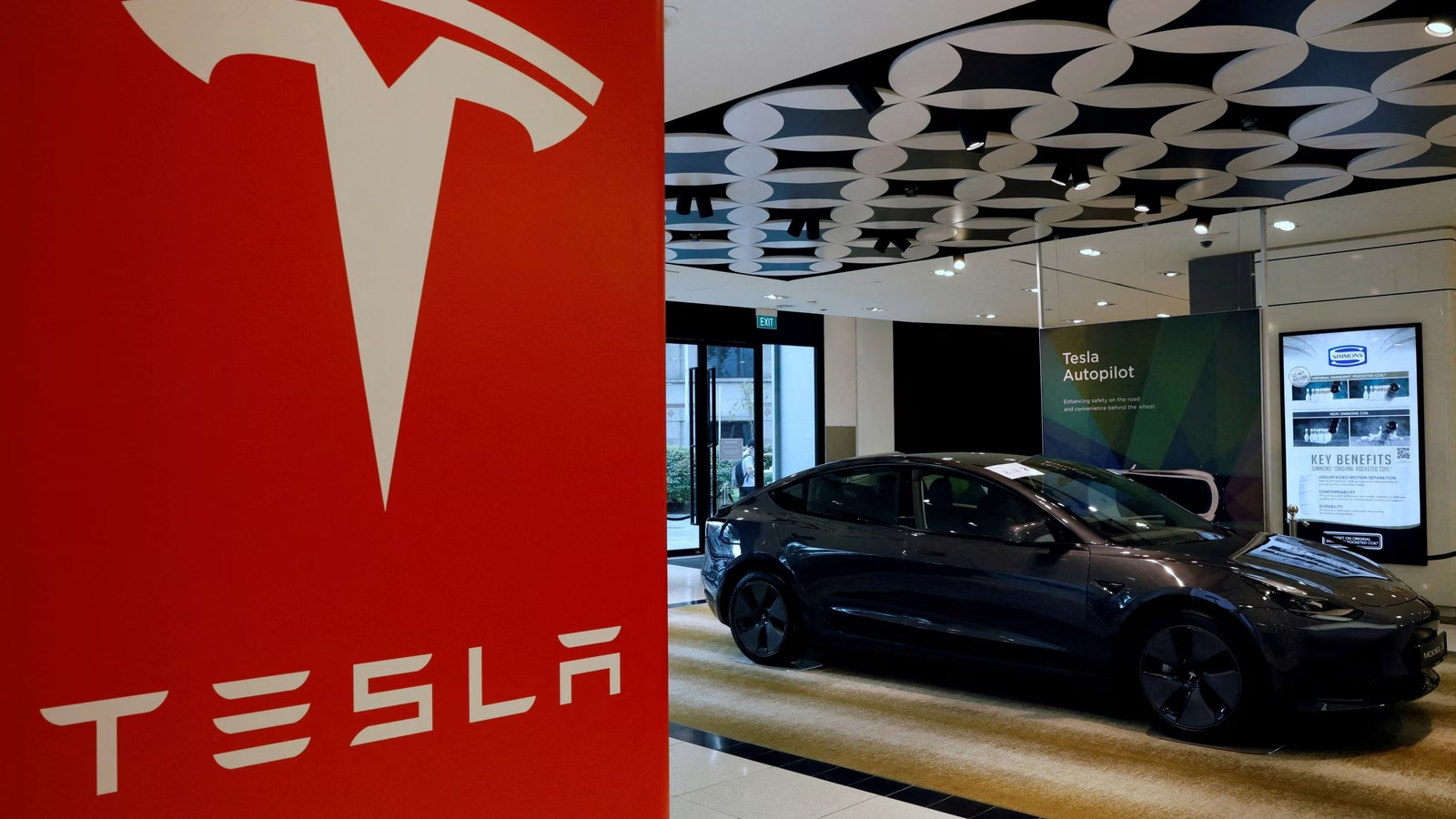
In a surprise move that is a sharp departure from industry trends, Tesla has announced a significant price increase for its vehicles in China, setting itself apart from price cuts by other carmakers in the world’s largest auto market. Is done. The decision comes at a time when the electric vehicle (EV) sector is witnessing intense competition, with manufacturers competing for market share through aggressive pricing strategies.

Tesla's Bold Strategy Amidst Fierce Competition

Tesla China Price Hike With Competitors Cuts the Price

Image Source: hindustantimes.com

Tesla, the EV giant known for its innovative technology and market-leading electric vehicles, has raised the prices of its cars in China by as much as 5%. This adjustment is seen as a bold strategy, especially considering the current economic environment and the aggressive pricing tactics adopted by other automakers to attract consumers.

Industry analysts speculate that Tesla’s decision could be attributed to several factors, including rising production costs, supply chain challenges, and the company’s confidence in its brand and product superiority. “Tesla’s move is unconventional in the current market climate,” stated an automotive industry expert. “It reflects their positioning of the brand as a premium offering, despite the broader industry’s race to lower prices.”

Rival Carmakers Slash Prices to Capture Market Share

In stark contrast, several of Tesla’s competitors have announced significant price reductions for their EV models in China. These price cuts, ranging from 10% to 15%, are aimed at capturing a larger share of the rapidly growing Chinese EV market, which is seen as critical for global automotive players.

Companies like BYD, Nio, and Xpeng, among others, have been at the forefront of this pricing strategy, leveraging lower costs to entice a broader customer base. The price war reflects the intense competition within the Chinese EV market, where local manufacturers are increasingly challenging established global brands like Tesla.

Consumer Response and Market Implications

The reaction from Chinese consumers to Tesla’s price hike and the subsequent price cuts by other carmakers will be closely watched. Consumer preferences in China have been evolving, with a growing emphasis on value for money, technological innovation, and environmental sustainability.

The differing strategies between Tesla and its rivals highlight a broader debate within the automotive industry on how to balance brand positioning with market competitiveness. Tesla’s price increase could either reinforce its premium image, leading to sustained or increased demand among its target consumers, or it could drive potential buyers towards more competitively priced alternatives.

Looking Ahead

As the EV market in China continues to expand, the strategies employed by Tesla and its competitors will be crucial in shaping the future landscape of the automotive industry. With the Chinese government’s support for electric vehicles and the increasing importance of the Chinese market on the global stage, the outcomes of these pricing strategies will provide valuable insights into consumer behavior, market dynamics, and the evolving competition between leading EV manufacturers.

In conclusion, Tesla’s decision to increase prices in China amidst a wave of price cuts by competitors marks a significant moment in the automotive industry, highlighting the complexities and strategic calculations involved in competing in the world’s largest car market.

U.S. Consumers Spend an Average of $61 per Month on Video Streaming Services, Study Finds

U.S. Consumers Spend an Average of $61 per Month on Video Streaming Services, Study Finds

A recent study conducted by the Digital Media Association found that American consumers are now spending an average of $61 per month on video streaming services. This figure represents a significant increase compared to previous years, underscoring the changing landscape of entertainment consumption in the country.

The growth in streaming service subscriptions can be attributed to several factors, including expanding content libraries, the rise of original programming, and the ongoing pandemic that has led to increased demand for home entertainment options. The study highlights that the average American household is subscribed to at least four streaming platforms, with many opting for additional subscriptions to cater to diverse tastes and preferences within the household.

The Shift in Entertainment Consumption

U.S. Consumers Spend an Average of $61 per Month on Video Streaming Services, Study Finds

Image Source: nz.finance.yahoo.com

The traditional cable TV model has seen a steady decline as streaming platforms like Netflix, Amazon Prime Video, Hulu, and Disney+ continue to dominate the market. The absence of long-term contracts and the ability to watch on multiple devices, as well as the convenience of on-demand content, have attracted a wide range of demographics.

However, this shift has also given rise to a phenomenon called ‘subscription fatigue’, as consumers face the complexities of managing multiple subscriptions and the cumulative costs associated with it. Despite this, the value proposition of access to extensive libraries of movies, TV shows, documentaries, and exclusive content keeps audiences engaged.

Implications for the Industry

The study’s findings shed light on the rapidly evolving video-streaming industry and its implications for traditional broadcasters, advertisers, and content creators. With streaming services investing billions in original content to attract and retain audiences, competition has become fierce, pushing platforms to constantly innovate and differentiate their offerings.

Furthermore, the study suggests that as the market matures, consolidation may become more common, with consumers looking for bundled services that offer more content under a single subscription fee. This could potentially pave the way for new business models and partnerships within the industry.

Consumer Trends and Future Outlook

The study also examines consumer behavior and trends, indicating a growing preference for ad-supported tiers or hybrid models that offer lower subscription costs in exchange for limited advertising. This trend may influence the future strategies of streaming services as they seek to maximize revenue while accommodating consumer demand for more affordable options.

As U.S. consumers’ appetite for video streaming continues to grow, the industry is at a critical point, with opportunities for innovation and challenges to overcome. The coming years will see even more changes in the way content is produced, distributed, and consumed, with streaming services playing a leading role in redefining the entertainment landscape.

This study serves as an important indicator of the changing dynamics in entertainment consumption, providing valuable insights for stakeholders in the digital media ecosystem.