Your Tech Story

Suhani Jain

I am a student pursuing my bachelor's in information technology. I have a interest in writing so, I am working a freelance content writer because I enjoy writing. I also write poetries. I believe in the quote by anne frank "paper has more patience than person

Apple's Vision Pro Headset Launching Soon - Here's What You Need to Know About Price and Availability

Why Does Apple Vision Pro Cost $3,500? An In-Depth Look at Its Premium Pricing


Cutting-Edge Technology at a Premium

With its unmatched realism, Apple’s Vision Pro headset promises an immersive experience unlike anything other, taking users to virtual worlds. The Vision Pro’s steep price tag of $3,499 for the base model and up to $4,500 for extra accessories, however, raises questions and leaves many wondering: what makes this expensive?

Modern Display Technology

Apple's Vision Pro Headset Launching Soon - Here's What You Need to Know About Price and Availability

The cutting-edge display technology of the Vision Pro is the primary factor driving up its cost. Each headset has a Micro OLED display made by Sony Semiconductor, which offers remarkable pixel density and accurate colour reproduction. The Vision Pro’s screens revolutionise visual fidelity in the virtual reality space with over 23 million total pixels and a pixel density that even beats the most recent iPhone.

Modern Manufacturing Methods

Modern production techniques are required to produce the displays for the Vision Pro. A silicon backplane, similar to that used in semiconductor production, supports the pixel-dense panels of the Vision Pro, in contrast to standard displays constructed on glass backplanes. This novel method improves resilience and makes pixel-rich displays possible that replicate reality with unmatched accuracy.

Supercomputer for Computation

Video Source: Apple

The Vision Pro’s powerful primary processor, which includes both Apple’s M2 chip and the specially created R1 chip, powers its immersive experiences. These parts manage intricate video streams, sensor information, and AI-powered features, guaranteeing smooth operation and captivating images.

Research and Development

Extensive research and development efforts are responsible for the technical wonders of the Vision Pro. Apple has spent a lot of money refining every part of the headset, from display technology to AI-driven capabilities like hand tracking and environment mapping, and has over 5,000 patents integrated into the device.

Supply Chain and Market Dynamics

Apple’s use of advanced display technologies frequently establishes benchmarks for the industry and shapes consumer behaviour. Being one of the biggest participants in the display market, Apple’s requirement for high-end parts stimulates supplier rivalry and innovation, which in turn shapes the price environment for new technologies.

Upcoming prospects

Even though Vision Pro’s present pricing may appear exorbitant, expenses should decrease in the upcoming years due to continuous developments in manufacturing techniques and display technology. High-resolution display entry barriers are expected to drop as vendors increase output and vie for Apple’s business, opening the door for more widely available VR experiences.

Tim Cook's Opinion

Tim Cook, the CEO of Apple, highlights the revolutionary technology included in the Vision Pro and highlights its value proposition. Cook highlights the significant R&D expenditure and inventiveness that propelled the headset’s advancement, underscoring its capacity to completely transform the virtual reality domain.

In conclusion, the cost of the Vision Pro represents not just the purchase price of its individual parts but also the result of years of technical advancements, research, and creativity. With more people embracing immersive experiences and demanding high-fidelity VR, Apple’s dedication to expanding the realm of virtual reality’s potential is demonstrated by the Vision Pro.

Reliance & Disney's $8.5 Billion Merger Shakes Up Indian Media Landscape

Reliance & Disney’s $8.5 Billion Merger Shakes Up Indian Media Landscape

With the announcement of Reliance Industries and Walt Disney’s combination of their TV and streaming media businesses, India’s media landscape is about to undergo a seismic transformation. This strategic partnership, estimated to be worth $8.5 billion, is a critical turning point for the industry as it combines the assets of two prominent competitors to become an unmatched force in the entertainment sector. The amalgamated company would get a $1.4 billion injection from Investment Dynamics Reliance, directed by Mukesh Ambani. Disney will keep the remaining 63% of the company. Reliance’s considerable investment demonstrates both its confidence in the partnership’s potential for development and success as well as its commitment to dominating the Indian media sector.

An edge over competitors

Reliance & Disney's $8.5 Billion Merger Shakes Up Indian Media Landscape

With more than 750 million viewers in India and a worldwide presence to serve the country’s diaspora, the combined company is well-positioned to surpass rivals like Sony, Zed Entertainment, and Netflix in the $28 billion Indian media and entertainment market. The Reliance-Disney combination is positioned as a powerful force in the business because to this strategic advantage.

The Dynamics of Leadership

The distinguished businesswoman and Mukesh Ambani’s wife, Nita Ambani, will serve as the merged entity’s board chair, demonstrating Reliance’s commitment to leading the enterprise to unprecedented heights. Uday Shankar, a former senior executive at Disney, will be joining her as vice-chair and contributing his vision and essential business experience to the partnership.

Dedication to India

Bog Iger, CEO of Disney, highlights the value of Reliance’s in-depth knowledge of the Indian market and customer preferences. Through the combination, both businesses will be able to better serve customers by providing a wide range of digital services, entertainment, and sports offerings that are tailored to the changing demands of Indian audiences.

The necessity of strategy

Disney is still dedicated to India in spite of obstacles and demands as it sees the country as a crucial market and a pillar of global expansion. In an internal message, the business reaffirmed its commitment to keeping a strong foothold in India and utilising resources and synergies to propel future growth.

Overcoming Obstacles

Disney is navigating pressure from around the world to improve profitability and streamline operations, so the merger comes at a critical time. Disney is exploring new options for development and resilience as a result of strategy recalibration required by challenges in the Indian market, including competition and market dynamics.

Knowledge Acquired

Disney’s experience in India has been marked by both successes and failures. Even while there was some early excitement once Hotstar and Star TV were acquired, difficulties like losing the Indian Premier League’s (IPL) streaming rights forced a reassessment of tactics. Disney’s adaptability and dedication to long-term success are highlighted by their readiness to take lessons from these situations.

 
Apple has Canceled Work on Electric Car, Report Say

Apple has Canceled Work on Electric Car, Report Say

Apple abandoned its audacious attempt to create an electric vehicle, after ten years of work internally dubbed “Project Titan.” According to a number of media reports, the tech giant has decided to transfer funds from its EV project to its artificial intelligence (AI) section. Bloomberg was among the first to disclose the change, citing persons with knowledge of the circumstances, even though Apple has not yet made an official statement on the subject.

Making the switch to AI

Apple has Canceled Work on Electric Car, Report Say

Image Source: brandequity.economictimes.indiatimes.com

The move is being made in the midst of a changing technological and automobile scene. While the need for AI technology is rising, major automakers have been forced to reevaluate their expenditures due to the market’s disappointing sales of electric vehicles. Apple intends to capitalise on new trends and keep its competitive advantage over rivals like Microsoft and Google by reallocating resources to artificial intelligence.

Strategic Repercussions

The head of money and markets at the UK-based investment platform Hargreaves Lansdown, Susannah Streeter, observes that Apple’s change in direction is indicative of a larger pattern in the IT sector. Companies are placing a higher priority on AI developments as investor excitement for electric car investments declines. Streeter highlights how crucial it is for Apple to continue leading the way in technological advancement in order to defend its line of high-end products.

Previous Attempts and Conjecture

Apple’s activities during the previous ten years suggested that the corporation is interested in the automobile industry, even though the company has never formally acknowledged its ambitions to create an electric car. Apple took a number of calculated risks, including hiring executives from the auto industry and securing licences to test self-driving car technology. Still, there was talk that Apple would work with current automakers instead of creating its own cars.

Collaborating with Foxconn

One of Apple’s major manufacturing partners, Foxconn, sees an opening as the company pulls out of the electric car market. The corporation, which is well-known for producing iPhones, is expanding into the electric car market and hopes to start selling these vehicles this year. Young Liu, the CEO of Foxconn, expressed confidence about the changing automotive industry by pointing to the opportunity for reimagining the EV business model.

Apple’s announcement that it would no longer be developing an electric vehicle signifies the conclusion of a much-awaited project, but it also highlights how quickly the automotive and technology sectors are changing. The company’s decision to concentrate on AI is a reflection of its strategic ambitions, which are to remain ahead of the constantly evolving technology landscape.

 
Risk of Losing Netflix Access for Subscribers Paying Through Apple

Risk of Losing Netflix Access for Subscribers Paying Through Apple

There may soon be a big shift for Netflix subscribers who have been paying using iTunes: they might not be able to access their accounts. Members who were previously making payments through Apple’s platform would be impacted by the streaming behemoth’s start of eliminating access to iTunes billing plans. A Netflix spokesman stated that customers on the basic plan who paid using iTunes would now have to switch to direct credit or debit card payments.

Avoid Purchasing In-App Subscriptions

Risk of Losing Netflix Access for Subscribers Paying Through Apple

To avoid paying Apple a commission, Netflix stopped accepting new memberships through Apple devices in 2018. However, current customers who were making payments through iTunes may keep using that method. In order to maintain access to their accounts, consumers will now need to change their payment details directly with Netflix due to the termination of iTunes billing. This change is a major divergence from the prior setup and impacts users in the US and Canada, among other locations.

Effects on Subscriptions and Prices

Users who are used to the ease of iTunes billing could find the change unexpected. Over time, Netflix has changed its basic plan, which had cheaper prices. The firm no longer offers the $10 per month option. New subscribers now pay more for their subscriptions, which start at $15.49 per month for an ad-free watching experience, after a pricing rise. To keep their memberships active, those who paid through iTunes in the past will need to adapt to these new price levels.

User Experience and Policy Implementation

Affected users will be prompted by Netflix’s policy change to adjust their payment methods prior to the monthly membership renewal dates. Account access may be suspended if a new payment method is not added in a timely manner and updated billing information is not supplied. This action demonstrates Netflix’s attempts to simplify its charging procedures and lessen its need for outside marketplaces like Apple’s App Store.

The Debate Over Apple's In-App Purchases

Netflix’s move to discontinue iTunes billing is a response to a wider industry issue around in-app purchase fees levied by companies such as Apple. The internet giant’s 30% fee on in-app purchases has drawn criticism and legal challenges. Although Apple eased its regulations for some applications in 2021, enabling them to refer consumers to other payment methods, the discussion over app store policies and costs is still ongoing.

Users are advised to change their payment details as Netflix moves away from iTunes billing in order to guarantee continuous access to their preferred streaming content. This action emphasises the changing nature of digital subscriptions and draws attention to the ongoing discussion about the economics and user experience of the app store.

LEVR.AI Closes $1M Seed Round to Advance AI-Driven Lending for Small Businesses

LEVR.AI Closes $1M Seed Round to Advance AI-Driven Lending for Small Businesses

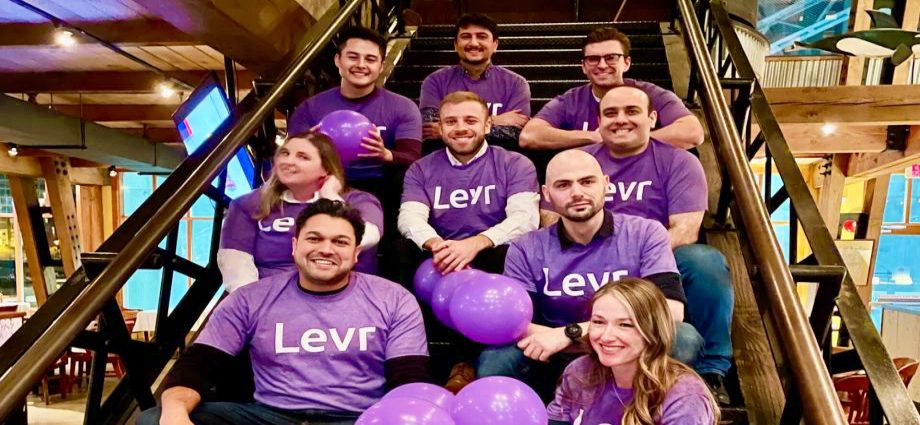
The $1 million initial round of investment for Levr Technologies Inc., also referred to as Levr.ai, has been successfully closed to support the company’s AI-powered small business lending platform. Weave VC and Sprout Fund II have contributed follow-on capital to this round of financing, which also includes contributions from several new investors. With this critical fundraising round, Levr.ai can now provide small company owners with creative ways to raise loan capital, access necessary financial tools, and increase financial management.

Quick Development and Growth

LEVR.AI Closes $1M Seed Round to Advance AI-Driven Lending for Small Businesses

Image Source: privatecapitaljournal.com

With its main office in Vancouver, British Columbia, Levr.ai has seen rapid expansion, and its total investment has already surpassed $2.5 million. More than 2,000 small companies in Canada and the US have found success with the platform, and plans are to expand into the US market. Remarkably, thirty percent of Levr.ai’s traffic comes from the United States, suggesting that demand for its services is rising. By providing access to financing choices from more than 40 strategic partners, the platform promotes openness and aids in well-informed decision-making for company owners.

Using AI to Grow Your Business

Advanced machine learning (ML) and artificial intelligence (AI) algorithms form the basis of Levr.ai’s product. The platform’s in-house recommendation engine, which is powered by these technologies, simplifies and expedites the loan process while increasing its accessibility, speed, and transparency. Levr.ai uses artificial intelligence (AI) and data analytics to provide entrepreneurs with customised finance options promoting company expansion. This solves the long-standing issue of small enterprises’ restricted access to cash.

Addressing an Important Need

There have been notable changes in the small company financing environment, with an increasing proportion of loans being made through non-traditional banking channels. The Bank Policy Institute (BPI) reports that more than 80% of loans are now made possible by other channels. Kaylan Pepin, co-founder and CEO of Levr.ai, highlights the platform’s ability to support companies that traditional banks and tech firms miss. Levr.ai seeks to stimulate innovation and growth in small firms by democratising access to financing and utilising AI-driven insights.

Motivating enhancement

Levr.ai, which just secured a $1 million investment, is well-positioned to broaden its scope and influence, presenting itself as a driving force behind improvements to the small business loan market. The platform is still dedicated to providing easily accessible finance options for business owners and encouraging long-term company expansion in the face of a more difficult economic climate.

In Conclusion, Levr.ai’s successful seed round demonstrates investor faith in the company’s goals and emphasises how AI can completely change the funding landscape for small businesses. Levr.ai is positioned to transform small company financing in the future and promote resilience and prosperity throughout entrepreneurial ecosystems as it develops and broadens its product offerings.

Top 5 Generative AI Video Tools Revolutionizing Content Creation

Top 5 Generative AI Video Tools Revolutionizing Content Creation

Top 5 Generative AI Video Tools Revolutionizing Content Creation

With their creative solutions for producing high-quality visual content with little effort, generative AI video technologies are transforming the way content producers create videos. These technologies are increasingly indispensable for both pros and amateurs in the video production industry since they improve processes and enable the creation of breathtaking visual effects. These are five generative AI video resources that ought to be familiar to all:

Runway ML

With the help of the robust platform Runway ML, users can develop, test, and implement generative AI models for a range of creative uses, such as video creation. Runway ML’s wide collection of pre-trained models and user-friendly interface enables users to automate tedious operations, create dynamic visual effects, and modify video footage. If you work as a graphic artist, animator, or filmmaker, Runway ML has a lot of features that can help you improve your creative process.

DeepArt.io

A well-known online platform called DeepArt.io uses deep learning algorithms to create beautiful artworks out of movies. Through the use of creative styles applied to video frames, users may create captivating animations and visual effects using DeepArt.io. DeepArt.io has a user-friendly interface and a broad variety of artistic styles, making it ideal for experimenting with abstract art or adding a surrealistic touch to your movies.

Artbreeder

Using the cutting-edge platform Artbreeder, people may work with AI to create original visual material, including films. With Artbreeder, users can combine and manipulate photos using AI algorithms to generate unique visual effects, animations, and video assets. Artbreeder is a creative playground for designers, filmmakers, and digital artists to explore new concepts and push the limits of visual narrative.

DAIN App

DAIN-App is a ground-breaking application that turns regular film into realistic and fluid slow-motion movies using deep learning. DAIN-App efficiently raises the frame rate of movies, producing smooth and realistic action by creating intermediate frames between already-existing frames. DAIN-App is an easy-to-use yet effective way to achieve amazing slow-motion effects in your films, whether you want to improve action scenes or give them a more theatrical feel.

Runway ML Video Style Transfer

With the state-of-the-art programme Runway ML Video Style Transfer, users may instantly add creative styles to videos. Runway ML Video Style Transfer allows users to effortlessly combine video footage with a variety of visual styles, such as paintings, sketches, and photos, by utilising neural style transfer algorithms. Runway ML Video Style Transfer gives you limitless creative options, whether your goal is to create a distinctive visual aesthetic or imitate the appearance of a well-known artist.

To sum up, generative AI video technologies are revolutionising the way content producers create videos by providing creative ways to quickly and easily create amazing visual material. For those seeking to push the limits of visual storytelling, these five generative AI video tools are indispensable, whether you’re hoping to improve your productivity in video creation or try out new creative approaches.