Your Tech Story

Athulya

Being a cinephile with a love for all things outdoorsy, Athulya never misses a chance to chase inspiring stories or poke fun at things, even when the subject is herself. Currently pursuing a degree in mechanical engineering, she is someone innately interested in technical and scientific research. Music reviews and op-eds define her as they allow her to explore different perspectives. Though sometimes she thinks she makes more sense playing the guitar than she does while writing.

Core update

Google’s May 2020 Core Update Will Roll Out Today!

SEO experts will be excited to know that Google’s Danny Sullivan has just confirmed that a core algorithm update will come out today. Being officially called the May 2020 Core Update, it will hit the internet later today and is part of the frequent updates that Google releases several times every year. Also, as always, Google stays one step ahead of the SEO community when it comes to naming these frequent updates. The company, at least with this update, has gone back to a generic and default Month/Year, naming model.

New Roll Out

While the May 2020 Core Update will roll out today, it will take around one or two weeks for it to become fully operational. The May 2020 Update is Google’s second update of 2020, up till now, with the first one coming out in January. While both the updates have only three months between them, they seem a world apart. The world has undergone some significant upheavals since this January with the Coronavirus pandemic. Also, the release of the new update puts to rest queries regarding whether the COVID-19 would impact Google’s core update launches. 

What do Core Updates do?

Primarily, broad core updates produce noticeable changes in search engine results around the world, in all languages. Most sites will see a drop or gain in rankings as a result of a new core update release. The changes in these rankings reflect how relevant their content is to the changing times. That is to say if the content a site produces has gained importance, the website moves up in rankings. Whereas, if the content has become less important since the last update, it ranks lower than before when the new update rolls out. Also, a unique material that was not present when the old update was in play has an impact on the rankings. All these factors are assessed and reassessed by the core update to decide the new rankings. 

First Update After the Coronavirus 

Also, since this is the first update since COVID-19, there are chances that it might be volatile. The last update came out mid-January 2020, a time when coronavirus was not a major player yet. However, since then, the novel coronavirus has taken over, changing many aspects of how the world works. All these changes have led to a significant shift in the way people use the internet. For instance, Google stated that never before in history has there been so many searches done for a particular topic.

Searches are done regarding news, the impact of COVID-19 on various fields, and also testing schemes. In many ways, it has changed the way people utilize Google as a search engine. A lot of things, such as the virus places offering services, and even products have gained relevance. Similarly, fields that were frequently searched have lost their importance due to COVID-19, such as tourism, entertainment, and travel. Therefore, the May 2020 Update will have to tackle new challenges of gauging relevance and ranking. 

Impact on SEO Job Market

The May 2020 Core Update has the potential to become a very potent tool. In case it fulfills that possibility, it could be good news for the SEO industry. The economic sanctions put in place due to the pandemic has made a lot of companies furlough and fire their staff. In such an environment, a core update inherently raises the value of SEO experts. The volatility of the algorithm change or upgrade usually decides the importance of these SEO services. Hence, a lot of such experts may soon find themselves seeing an increase in demand for their services. Also, it will be interesting to see how many companies increase their SEO budget as a result of this rollout. 

What to do about the May 2020 Update

As mentioned by Google, their guidance policy remains the same as all their core updates before. They always reiterate that websites need not ‘fix’ anything in case their ranking falls. All Google expects the website owners to do is put out great content. However, experts interpret Google’s advice in many different ways. For instance, the SEO industry was set ablaze with speculation regarding an impending update, as far back as April 28th.

Many experts saw a considerable shift and reshuffle in web search rankings, leading them to believe something was coming up. A lot of them had stated that spam websites were climbing the ranking charts, with the ranking going back to normal after a while. All these sudden changes led people to believe that a core update was going to roll out soon enough.

The most recent update in January was put under a lot of scrutinies, as the September 2019 update had let down SEO experts. Dubbed as a weak update, it had failed to create a massive impact as other previous core updates had. It will be interesting to see how the first update following the COVID-19 will affect SEO rankings. Every time Google alters its SEO algorithm, it does so to make the searching experience better for customers. Anyway, it seems like everyone will have to wait two weeks to see how the update impacts their rankings, and then take appropriate steps!

Apple Macbookpro

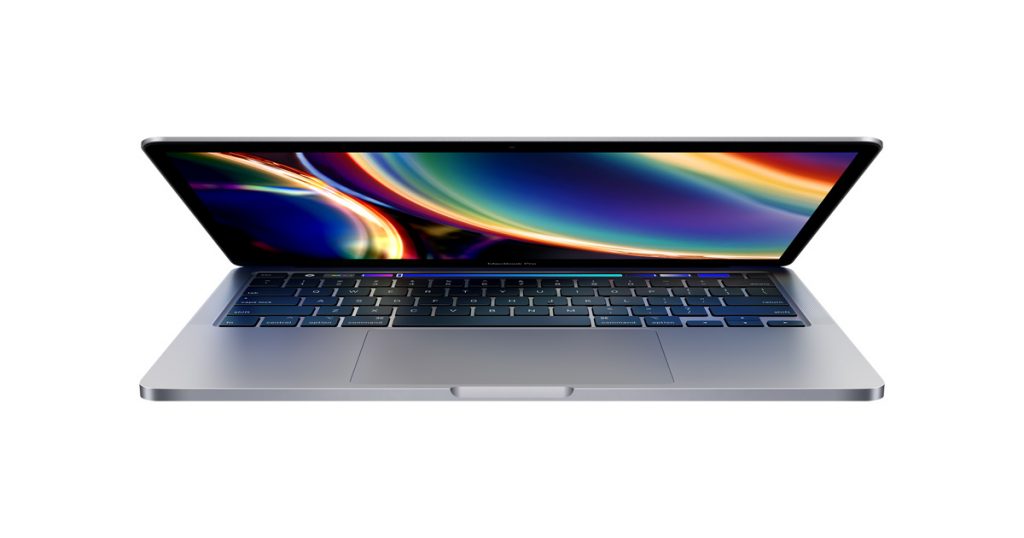
Apple Releases New MacBook Pro with a Magic Keyboard

Much earlier than expected, Apple has come out with the price and release date of their new MacBook Pro. The 13-inch Pro will come with a Magic Keyboard, to the delight of fans from around the world. The new MacBook Pro functions with an Intel 10th Gen processor, and the latest tech will set you back by $1,299.  When you look at the specs of the new MacBook, it isn’t a significant leap from the older version. Let us take a look at the latest release and what it will offer loyal fans around the world.

Goodbye Butterfly

The most significant change with this launch is that Apple has finally moved away from their disappointing butterfly keyboard. The keyboard which was met with a lukewarm response on release has been cut from their lineup quite quickly. The announcement for the MacBook Pro with a 16-inch screen came out in November 2019. The last March also saw the release of a new MacBook Air with the Magic Keyboard. Within just six months, the company has switched up their keyboards, replacing the butterfly with the newer scissor-switch consoles. The butterfly came out initially in 2015, as a part of the MacBook.

Changes in Spec

Like with the previous MacBook Pro, the new release also uses four Thunderbolt 3 USB-C connectors, with a headphone jack. Furthermore, the older design model has pulled through as the Touch Bar remains with the Touch ID fingerprint sensor. However, they have added a physical Esc key, which fans desperately found lacking in the older design.

The RAM may go up to 32GB, whereas storage can expand up to 4TB. Also, as per Apple, the 10th Gen processor works at 4.1Ghz, and the Intel Iris supports the Pro Display at 6K resolution. The new screen has a resolution of 2560 x 1600 pixels, which supports True Tone technology. Reports state that the base model comes with an 8th gen Intel i5 chipset. The laptop will come out equipped with the macOS Catalina out-of-the-box.

Storage Capacity Upgrade

The $1,299 model contains 256GB storage, which is 128GB higher than the older models. However, this model does not have the 10th Gen processor and comes with 8GB of RAM. To upgrade to 16GB RAM, users have to pay only $100, which is half of the $200 they charged previously. While there were rumors that the display would be made more prominent, that turned out to be false. The 13-inch screen can go up to 500 units of brightness and also supports the P3 gamut.

Keyboard Switch-Up

The upgraded SSDs have a reading speed of up to 3.0GB/s, which is quite fast. However, as per fans, the most significant change is the fact that Apple has now regularised the new scissor keyboard. All the newer launches of the company now come with this new keyboard. The butterfly keyboard had met with criticism as it was less dust resistant. In the scissor-switch console, keys are linked through interlocking plastic pieces that move like a scissor when pressed. Meanwhile, butterfly keyboards used a hinge to activate the keys. While the Magic Keyboard requires more travel than the older model, it will have less dust stuck in between the keys.

The new model is available for order via the company’s official website as of now. Within a week, it will reach select stores and resellers around the world. Students also get the option of saving $100 on the base model. As per Apple, the new 10th gen processor will provide 80% faster graphics performance, when compared to older models. However, the India sale date has not yet been announced. Furthermore, since the country has entered the third phase 3 of the lockdown, non-essentials may now be delivered in green and orange zones. Therefore, soon enough, the sale of the new MacBook Pro can begin with delivery, having started in some areas.

moovit

Intel All Set to Buy Smart-Transportation Start-up Moovit

The world of smart transportation has been set ablaze by advancements in science and technology. New technologies have paved the way for much smarter tech, which aids in making quick transit possible. In Israel, a lot of activity is going in this field, with several large mergers and acquisitions taking place amidst the COVID-19 pandemic. One of the most prominent mergers being spoken about is that of Intel closing on a deal with Moovit. The chip-making giant is said to be in the final rounds of negotiation when it comes to buying this start-up that utilizes Big Data and AI to provide transit and transportation services. Here’s a look at the deal and the impact it could have on the transit industry.

Big Deal in Place

According to various sources and reports, Intel is all set to acquire Moovit, which is a service provider to over 800 million people. The start-up which uses futuristic technology to make the best decisions when it comes to transportation is a significant player in the field of smart-transit. The deal is said to close in a few days, with experts stating that it could be near $1 billion in terms of valuation. Agencies like TechCrunch have reached out to spokespersons on both sides of the deal to confirm the news. Reports state that the Moovit correspondent did not negate the information, instead saying that they will provide further details later on.

Israel- An Upcoming Automotive Capital

Moovit had made been backed by the investment company by Intel Capital earlier as a part of strategic investment. The deal will help Intel gain a foothold in the smart transport industry, making Israel their headquarters for such operations. Furthermore, Intel already has several facilities in Israel, and this acquisition will add more value to Intel’s Israeli automotive hub. The automotive revolution is spearhead by the company Mobileye.

Intel had acquired this start-up that focuses on autonomous driving, three years ago in a deal that cost them $15.3 billion. However, sources are unclear regarding what role Moovit will have in this ring or hub. Experts believe that the company will be able to provide Intel with actionable, reliable, and real-time data, which will help with intelligent routing.

One of the biggest challenges that autonomous vehicles face is routing to prevent traffic blocks and to achieve efficiency. With a company such as Moovit providing Intel with valuable real-time traffic data, they will able to guide their vehicles with ease and perfection.

Earlier Partnership

Even before the suspected acquisition, Intel had been working with Moovit. Intel had, in fact, led the Series D funding of Moovit, which brought in over $50 million in 2018. Soon after this deal, Senior VP of Intel, who also serves as the CTO of Mobileye, Amnon Shashua, joined the upcoming start-up’s Board of Directors. The sale will help both companies bring in new talent and then integrate this unique talent into an already existing framework. Reports by The Marker and Wadi Ventures state that out of the $1 billion, a portion will go to employees as a 10% retention bonus.

Fast Growth

Moovit, which was valued at $500 million during its Series D funding round, had grown tremendously in the past two years. Their standalone app, which helps with navigation around cities, became a huge success. This was soon followed by integration with cab services like Uber, which led to further popularity and surge in the number of users. By 2018, over 120 million people were using their apps from over 80 different countries. In the last two years, that number grew exponentially to hit 800 million users in over 102 different countries, with services available in 45 languages globally! The company has attracted a lot of attention in recent years, bringing in investors of the likes of Sound Ventures, Gemini Israel, LVMH, and even BMW.

Furthermore, the app has launched several services to help people during the COVID-19 crisis. These included a free service for transit data managers, which enable riders to plan their trips efficiently. Also, it has a real-time service option now to ensure that everyone gets the most accurate data and receives timely alerts. Additionally, Moovit has also come out with an emergency mobilization service, which allows managers to put out buses on routes that essential workers require the most.

The acquisition, if reports are accurate, will prove to be a significant turning point for the field of smart transportation. Already seen as one of the technologies that will soon change the way we live our lives, smart technology is a field that requires some push and investment. Since the COVID-19 has significantly curtailed our movement, the global economy is reeling as an after-effect. All of this has led to a significant slowdown in the automotive world. Therefore, in many ways, this is the best time for smart technology to enter the field. By leveraging these assets, we might be able to ignite some interest in an area that has been severely affected by the global crisis.

Since the COVID-19 has significantly curtailed our movement, the global economy is reeling as an after-effect. All of this has led to a significant slowdown in the automotive world. Therefore, in many ways, this is the best time for smart technology to enter the field. By leveraging these assets, we might be able to ignite some interest in an area that has been severely affected by the global crisis.

Smartphones

Global Demand for Smartphones Fall Due to the COVID-19

The COVID-19 continues to grow, expand, and take lives around the world. As major nations come to terms with lockdowns and the road ahead, the global economy is reeling in the aftermath. Most parts of the economy have been facing the brunt of the pandemic, as it shut down stores and production centers. Everything from traditional schooling to tourism has undergone massive changes due to the COVID-19. One of the most noticeable effects of the pandemic may be felt in all company’s smartphones sales. Here’s a look at what impact the novel coronavirus has had on the smartphone industry globally.

Decline in Smartphones Sale

Studies show that due to the pandemic, smartphone markets to suffer witnessed a first-quarter year-on-year decline. As per studies done by firms Canalys and Counterpoint Research, there has been a 13% drop in global shipments. Furthermore, Counterpoint estimates a dip of 27% in China, while Canalys’s calculations show 18% for the same. However, whichever number you choose to look it, experts agree that there has been a global slowdown. Ever since 2014, this is the first time, global shipments have fallen below 300 million. All these changes have been brought forth by the falling demand for phones and the abrupt collapse in China.

First-Quarter Slowdown

Close to the end of the first quarter, the COVID-19 had spread around the world, leading to mass lockdowns. At this juncture, disruption spread from the supply chain to the demand curve, and the industry slowed down. As lockdowns of differing severity came into place around the world, the demand for smartphones fell drastically. Samsung, Apple, and Huawei, still hold their position as the world’s most prominent smartphone vendors. Out of the three, Apple has witnessed the least decline in shipments this year. Furthermore, Xiaomi is growing within the space, capturing 10% of the market share for the first time. 

However, these restrictions and bans have crushed new demand, leading to a massive slowdown. During February, when the pandemic was at its peak in China, manufacturing centers were shutting down. Most vendors were concerned about getting access to hardware parts. Many of them ordered in bulk and tried to ensure that they build enough of these smartphones. However, a month later, the entire situation flipped wholly on its head. As the COVID-19 spread aggressively to the west, affecting the US and the whole of Europe, demand began to fall. While manufacturing centers are back on, the rest of the world is in lockdown, leading to a plummet in demand. 

New Releases

Apple, for instance, has the iPhone 12 to release, and it is a big one as it is the first to make use of 5G technology. Several media houses have come out with news stating that Apple is considering delaying the launch to gain a better impact. The same could hold true for the new releases of Samsung and Huawei smartphones. Since most manufacturers rely on hardware components from China and South Korea, production took a hit last month.

Compared to the same time the previous year, China’s shipment of smartphones fell by 40%, as per IDC. Their research also states that the Chinese buyers will buy 33 million fewer phones, due to the COVID-19. The firm believes that the same will hold true for most of Western Europe and the US. Since smartphones may contain hardware from over 40 countries, their supply and demand cycles are hard to quantify. With millions out of work, buying new smartphones has become a luxury that people cannot afford. Unless they need to replace a broken phone, no one is considering a new purchase.

Therefore, replacement cycles for smartphones have grown longer, with most opting to use their old ones as far as possible. However, experts believe that the real impact of the pandemic will only be felt next quarter. Q2 will face the main brunt of the COVID-19, and its actual effect on the smartphone industry may be seen then. Not only will the COVID-19 test the strength of several companies, but small retailers will not survive without support from the government. While there is a lot we do not know about the novel coronavirus, one thing we are sure of is that it will have a lasting effect on the global economy. It will also most likely have a long-lasting effect on the smartphone market.

Elon Musk

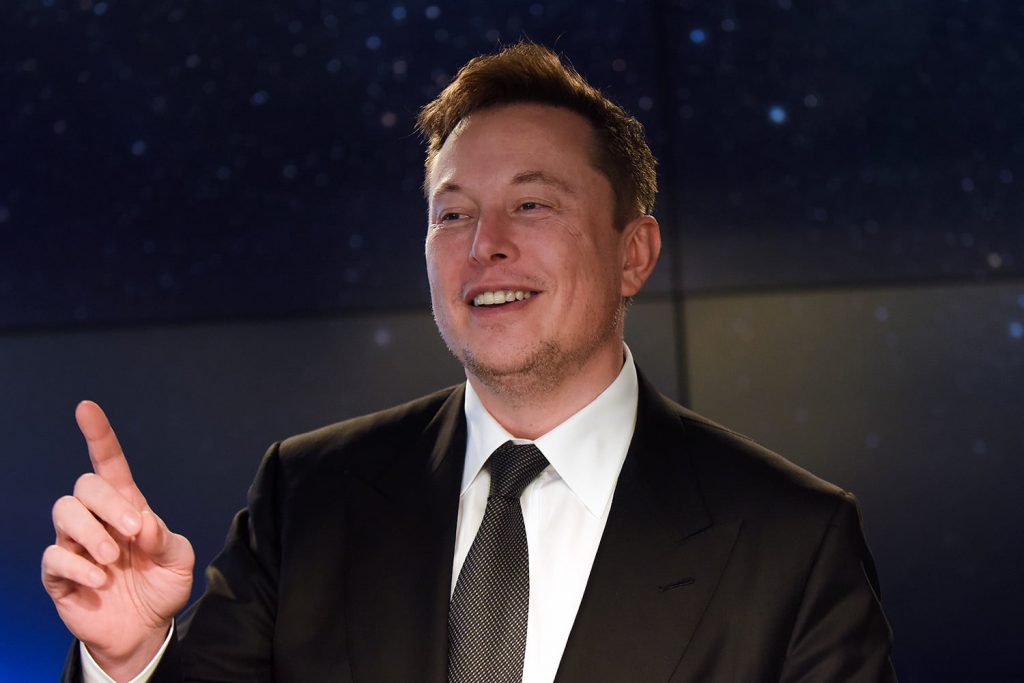
Elon Musk Calls Lockdown and Shelter-in-Place Norms Fascist Actions

The world is facing a significant crisis in the form of COVID-19. The deadly pandemic is continuing to spread aggressively through Europe and North America. As countries struggle to grapple with the epidemic and deal with the aftermath of the viral disease, most economies are facing strict sanctions. For instance, most of the world’s schools and colleges have been shut. In the US, several states still have a lockdown in place, which bans public gatherings and the functioning of non-essential services. While some states have eased lockdown regulations owing to pressure from the public, certain others are maintaining social distancing norms to prevent further spread of the disease. Meanwhile, Tesla CEO Elon Musk has come out in favour of the easing of such lockdowns. In a statement released yesterday, Elon Musk called all shelter-in-place orders within the San Francisco Bay area and the US in general actions that are “fascist”. Here’s a look at what Musk said, and what implications his words might have.

Freedom at Risk

Elon Musk believes that asking people to stay-at-home as a part of the lockdown measures are fascist in nature, as they strip people of their rights. Musk stated that curbing people’s freedom isn’t how nations should handle such an issue. While announcing Tesla’s earnings call on Wednesday, Musk reiterated his belief in easing the lockdown measures, to much criticism from the public. A day earlier, he had faced flak for a remark he made on Twitter, wherein he echoed President Trump. The tweet was simple, having the words Free America Now, in all caps, much like how the President expresses himself online.

Production Worries or Safety?

Musk started talking about the repercussions that such a lockdown could have on the economy and ranted about not being able to meet production demands. He stated that issues in the Bay Area were seriously going to affect their production, and is hence a severe risk. The rant came as a result of the Six Bay Area counties extending their lockdown orders until May 31st. The recent changes in the lockdown order will affect Fremont, San Francisco, and other similar cities. Musk has called the shelter-in-place a way of forcibly imprisoning people within their homes, and that this was against their constitutional rights. Musk went on with his rant and stated that such practices were against American principles and that curbing people’s freedom this was just wrong.

Musk continued by stating that people who wished to stay home could, while others should be allowed to go out and do as they please. He believes that it is fascist to force people to stay at home and that the government should start acting democratic and give people their rights back.

Unwilling to Listen

All of this seems to come from the fact that Tesla’s main factory is located in Fremont. When the initial order asking all non-essential services to shut down came out, he stopped production and shut his factory down. Furthermore, Musk also closed his Buffalo plant that specializes in making solar panels. However, Musk was not wholly compliant and shut his factor five days after the order came out. Also, he defied orders last week by asking workers in Freemont to return to work. Furthermore, Tesla’s Gigafactory in Nevada never shut, defying lockdown orders put in place by the state’s governor.

Elon Musk believes that while Tesla will make it out fine once the COVID-19 crisis subsides, other small companies would not. Therefore, he has called the order to shut non-essential services a threat to everything that people have worked for, and that this would make people angry. Throughout the COVID-19 crisis, Musk has been critical of the safety measures the administration has taken. However, Musk’s criticism has been quite frustrating at times, as he has questioned science many a time, and even made incorrect predictions regarding the virus’s severity. In the early stages of the lockdown, Musk had said that the US would only have a few cases of the COVID-19 by the end of April. However, the US is grappling with over 25,000 new cases every single day! Since the beginning, Musk’s stand has been troublesome, with people criticizing him for the way he has behaved during this crisis. The public is shocked that someone with such scientific knowledge is being so irresponsible during such a dire situation. During such difficult times, the country needs people who can lead the initiative against the COVID-19, and not someone who refers to it as ‘dumb’

AMC Theatres

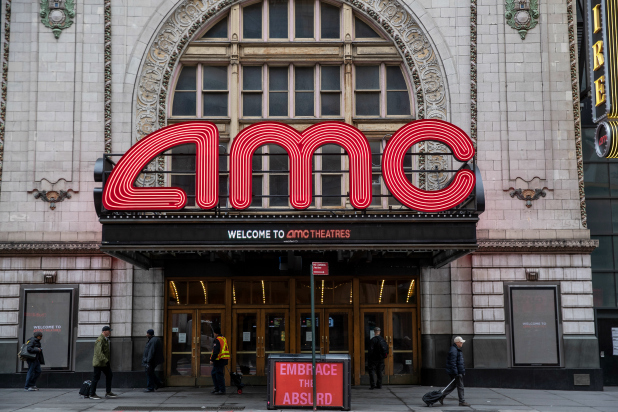
AMC Theatres Face Off Against Universal by Refusing to Release their Movies

AMC Theatres released a statement recently that they will no longer play any Universal films. Effective immediately, the decision came as a result of ‘unacceptable’ comments made by Jeff Shell, who serves as the Universal CEO. Shell had decided to forego a traditional theatre release and opt instead for a digital release. As per the Hollywood Reporter, Universal went ahead with a digital release for its new movie Trolls World Tour, which became quite a success. Here’s a look at how the ban can affect Hollywood and Universal.

Comments Turn Foul

As per an interview in the Wall Street Journal, Shell stated that the new Trolls movie raked in over $100 million via digital sales having sold more than five million copies. Shell also said that he planned to release the film in all formats once theatres opened again after the COVID-19 crisis. Universal seems to be taking a 50-50 approach, with some of their movies having theatrical releases. In contrast, others will go to digital retailers or Universal’s new service, Peacock. However, soon after this interview, AMC Theatres CEO Adam Aron hit back by stating that the company will no longer play any of NBCUniversal’s movies. Aron deemed Shell’s comments to be unacceptable and said that it was disappointing to see how Shell had reacted. He went on to say that Universal’s actions had left them with no choice but to decide to boycott all of their future films. Such a ban, which comes into effect immediately, will be valid across all their theatres across Europe, the Middle East and the US.

Big Blow

Aron went on to confirm that his statement is not a hollow threat, but rather a policy that has been made and will come into effect immediately. Since AMC Theatres is the largest chain of cinema halls in the US, this could turn out to be a big blow for Universal. With a lot of new releases waiting to come out after the lockdown ends, Universal will have to come up with a way to counter this move. The ninth movie in the Fast and Furious franchise titled F9, is slated to release in April, next year. The movie’s production was delayed, resulting in the film being postponed to next year. Since F9 is part of an immensely popular franchise, Universal is expecting it to bring in over $1 billion via global box office revenue.

Change in Status Quo

Furthermore, Aron also made it clear that this move is not for Universal alone, and that it should serve as a warning to everyone. If production companies decide to abandon current release procedures and forego negotiations with distributors like AMC, they will have to resort to such measures. Aron also said that while they are aware that Universal was not the only studio preferring to bypass theatrical releases, Shell was someone who wants to change the entire status quo of the industry. These statements were necessary because AMC had not taken such measures against Disney and WarnerMedia who went the digital route with their movies Artemis Fowl and Scoob!

It is interesting to note that the success of the Trolls World Tour came at a crucial time for both studios and theatres. Most cinema chains and independent theatres are looking at a bleak future due to the COVID-19 induced-lockdown. For instance, AMC Theatres itself, which is the US’s largest cinema franchise is generating no revenue as of now due to all their theatres being closed. The AMC letter addressed to the Universal Group Chairman Donna Langley, will call attention to Shell’s comments.

However, there have been no further comments from Universal in this regard. All movie fanatics will have to wait and see how this face-off ends to get to know whether they will be able to watch their favourite films in theatres. With the world going through such a difficult time, many people are just waiting for this to end to enjoy a movie in their local theatres. If more cinema halls decide to follow suit against studios this way, people will have to resort to streaming services such as Netflix and Amazon Prime for their entertainment needs.