Your Tech Story

Team YTS

Vodafone Sell Italian Unit to Swisscom for a Hefty €8 Billion

Vodafone Sell Italian Unit to Swisscom for a Hefty €8 Billion

Milan, Italy – In a significant move reshaping the telecommunications landscape in Europe, Vodafone Group has announced the sale of its Italian operations to Swisscom, the Switzerland-based telecom giant, for an impressive sum of €8 billion. This strategic divestiture marks a pivotal moment for Vodafone, signifying its efforts to streamline operations and focus on core markets amid increasing competitive pressures.

A Strategic Shift for Vodafone

Vodafone Sell Italian Unit to Swisscom for a Hefty €8 Billion

Image Source: thetimes.co.uk

Vodafone’s decision to offload its Italian business comes as part of a broader strategy to revitalize its global operations. With the telecommunications industry facing rapid changes and stiff competition, Vodafone is looking to bolster its financial health and concentrate resources on markets where it holds a stronger competitive edge.

“This transaction is a testament to our strategic focus on creating value for our shareholders and ensuring the long-term sustainability of our business,” remarked Vodafone CEO, Nick Read. “We believe that Swisscom is the right owner for Vodafone Italy, given its strong commitment to infrastructure investment and excellent track record in delivering high-quality telecommunications services.”

Swisscom's European Expansion

For Swisscom, this acquisition represents a significant expansion of its footprint in Europe. Already a dominant player in the Swiss telecommunications market, Swisscom has been eyeing opportunities to broaden its presence across the continent. The acquisition of Vodafone Italy not only gives Swisscom access to one of Europe’s largest telecom markets but also aligns with its ambition to become a leading provider of digital services beyond Swiss borders.

Swisscom CEO, Urs Schaeppi, expressed enthusiasm about the acquisition: “Vodafone Italy is a perfect fit for Swisscom, complementing our existing operations and strategic vision. We are excited about the opportunity to serve Italian customers and invest in the digital future of Italy.”

Impact on the Italian Telecommunications Market

The sale of Vodafone Italy to Swisscom is expected to have a significant impact on the Italian telecommunications sector. Analysts predict that the entry of Swisscom could intensify competition, potentially leading to better services and pricing for consumers. Additionally, Swisscom’s commitment to infrastructure investment is likely to accelerate the rollout of next-generation networks, including 5G, across Italy.

Regulatory and Market Reactions

The transaction is subject to regulatory approvals, with both Vodafone and Swisscom expressing confidence in a smooth review process. Industry observers are closely watching how this deal will influence regulatory policies and market dynamics in the European telecommunications sector.

Shares of Vodafone saw a modest increase following the announcement, as investors responded positively to the company’s strategic refocusing efforts. Similarly, Swisscom’s stock reacted favorably, reflecting investor optimism about the company’s expansion strategy.

Looking Ahead

As Vodafone and Swisscom work towards completing the transaction, the focus now shifts to the integration of Vodafone Italy into Swisscom’s operations and the potential transformations in the Italian and broader European telecom markets. This deal not only highlights the dynamic nature of the telecommunications industry but also sets the stage for further consolidation and strategic realignments in the sector.

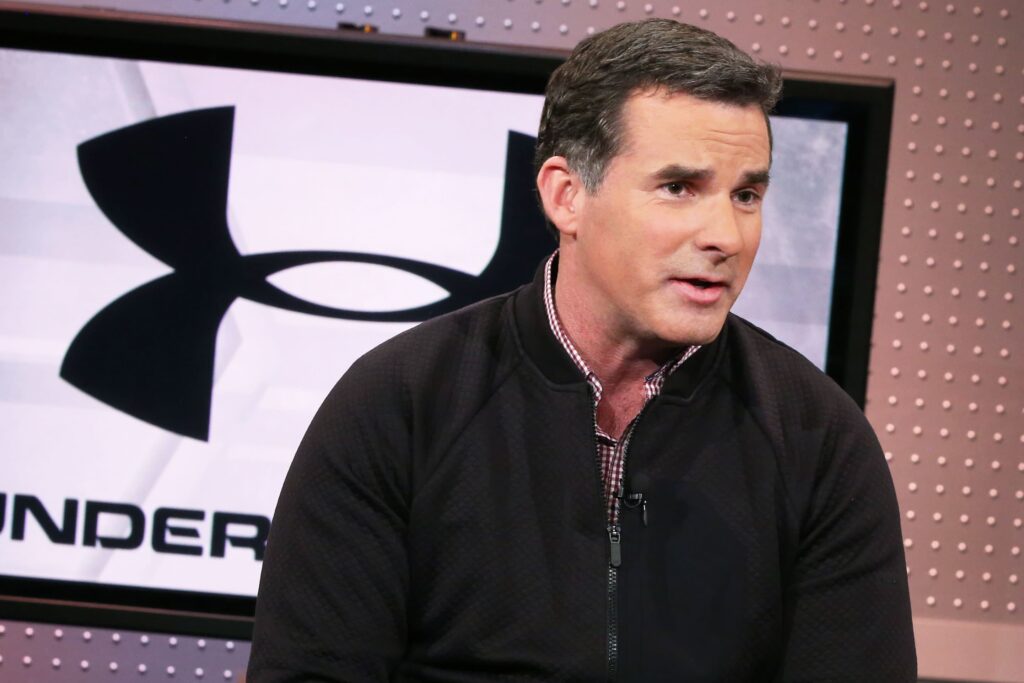
Kevin Plank Reclaims CEO Position at Under Armour in Strategic Return

Kevin Plank Reclaims CEO Position at Under Armour in Strategic Return

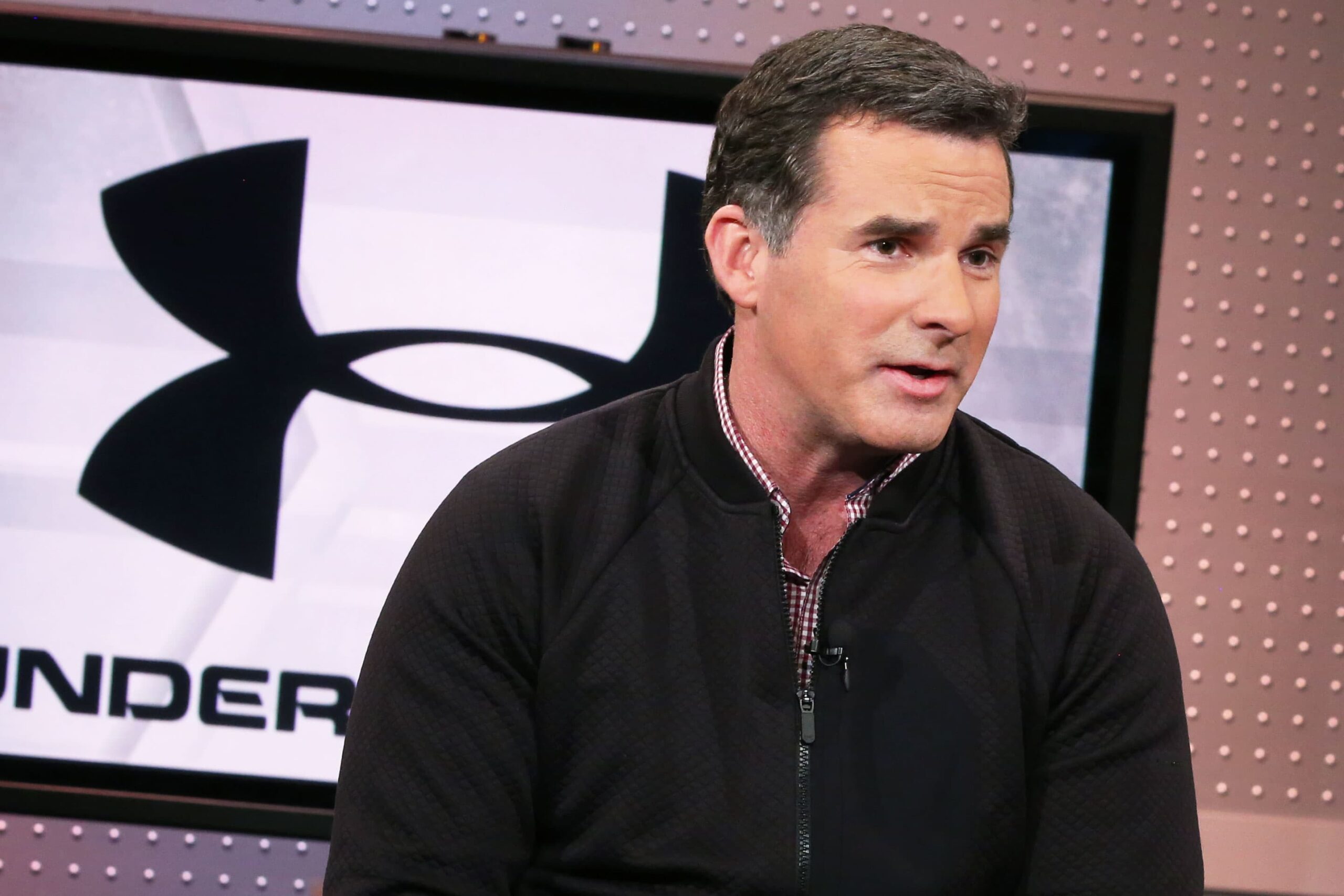
Kevin Plank, the visionary founder of Under Armour, is set to reclaim the helm as CEO of the sportswear giant. This move marks a significant return to leadership for Plank, who originally stepped down from his CEO role in 2019, transitioning to the position of Executive Chairman and Brand Chief. The announcement has sparked interest across the business world, with stakeholders keen to see how Plank’s return will influence the direction and innovation of Under Armour.

Kevin Plank's Bold Comeback to Under Armour

Kevin Plank Reclaims CEO Position at Under Armour in Strategic Return

Image Source: cnbc.com

Under Armour announced that its founder, Kevin Plank, will be returning as CEO, a decision that has sent waves of anticipation through the industry. Plank, who started the company in 1996 from his grandmother’s basement, transformed Under Armour into a global sportswear powerhouse. His return is seen as a strategic move to steer the company through its next phase of growth and innovation.

The Journey of Under Armour Under Plank

Kevin Plank’s original tenure as CEO of Under Armour was characterized by rapid growth and aggressive expansion. The company saw a meteoric rise, challenging established sportswear brands and introducing innovative products that resonated with athletes and consumers alike. Plank’s leadership was instrumental in establishing Under Armour’s reputation as a major player in the sportswear market.

Strategic Shifts and Challenges

Since stepping down as CEO, Plank has remained deeply involved in Under Armour’s strategic direction. The company has faced its share of challenges, including increased competition, market shifts, and the need for digital transformation. Under Plank’s guidance, Under Armour has begun addressing these challenges, focusing on innovation, brand strength, and consumer engagement.

Plank's Vision for the Future

With Kevin Plank’s return as CEO, there is renewed focus on innovation, product development, and market expansion. Plank has emphasized the importance of staying true to Under Armour’s core values while also pushing the boundaries of what the brand can achieve. His vision for the future includes leveraging technology and data to enhance product offerings and customer experience.

The Impact on Under Armour's Market Position

Industry analysts are closely watching the impact of Plank’s return on Under Armour’s market position and financial performance. There is optimism that Plank’s leadership and entrepreneurial spirit will invigorate the company’s strategies for growth and competitiveness. The move is seen as a positive step towards reinforcing Under Armour’s position in the global sportswear market.

Conclusion

Kevin Plank’s return as CEO of Under Armour marks the beginning of a new chapter for the company. With Plank at the helm, there is anticipation for a renewed focus on innovation, growth, and strategic initiatives that will drive Under Armour forward. As the sportswear industry continues to evolve, Under Armour, under Plank’s leadership, is poised to make significant strides in shaping the future of athletic wear.

Joe Biden Says he'll Ban TikTok if Congress Passes Bill, But he's Campaigning on it Until Then

Joe Biden Says he’ll Ban TikTok if Congress Passes Bill, But he’s Campaigning on it Until Then

In an era where the digital landscape is as contentious as the physical, the stance of a political figure—hypothetically, President Joe Biden—on a platform as influential as TikTok captures the intricate dance between leveraging modern communication tools and upholding national security interests. The recent declaration that a ban on TikTok could be considered if Congress passes relevant legislation, juxtaposed with the platform’s use in campaign strategies, paints a vivid picture of the complexities facing today’s political leaders.

The Power of Social Media in Politics

Joe Biden Says he'll Ban TikTok if Congress Passes Bill, But he's Campaigning on it Until Then

Image Source: pbs.org

The role of social media in shaping political discourse cannot be overstated. Platforms like TikTok have revolutionized how politicians engage with the electorate, breaking down barriers and fostering a sense of direct communication. However, the pervasive reach of these platforms also raises significant concerns regarding privacy, misinformation, and foreign influence, leading to discussions about regulation and control.

The Legislative Landscape

The push for legislation to potentially ban TikTok reflects growing apprehensions about the influence of foreign-owned technology companies on national security. This concern is not isolated to any one political party or figure but is a broad issue that resonates with lawmakers across the spectrum. The hypothetical stance of President Biden to support a ban if Congress acts underscores the delicate balance between national interests and the freedoms that define democratic societies.

Campaigning in the Age of Social Media

Despite the controversies surrounding platforms like TikTok, their effectiveness as tools for political campaigning is undeniable. The ability to reach millions of users, particularly younger demographics traditionally less engaged in politics, is invaluable. This dual-edged sword presents a unique challenge: how to reconcile the use of a platform that may be deemed a security risk with the benefits it offers in connecting with a broad audience.

Public Reaction and the Path Forward

Public reaction to these developments is varied, reflecting the diverse opinions on technology, privacy, and government regulation. Advocates for a ban cite concerns over data privacy and foreign influence, while opponents argue for the importance of free speech and the innovative ways social media enables political engagement.

Conclusion

The debate over TikTok and its place in American politics is emblematic of the broader challenges facing a society navigating the complexities of the digital age. As hypothetical figures like President Biden weigh the benefits of social media in campaign strategies against the potential risks, the path forward requires a nuanced approach that considers both the imperatives of national security and the values of open communication and innovation.

OpenAI Calls Elon Musk's Claims 'Inconsistent' in Court Filing

OpenAI Calls Elon Musk’s Claims ‘Inconsistent’ in Court Filing

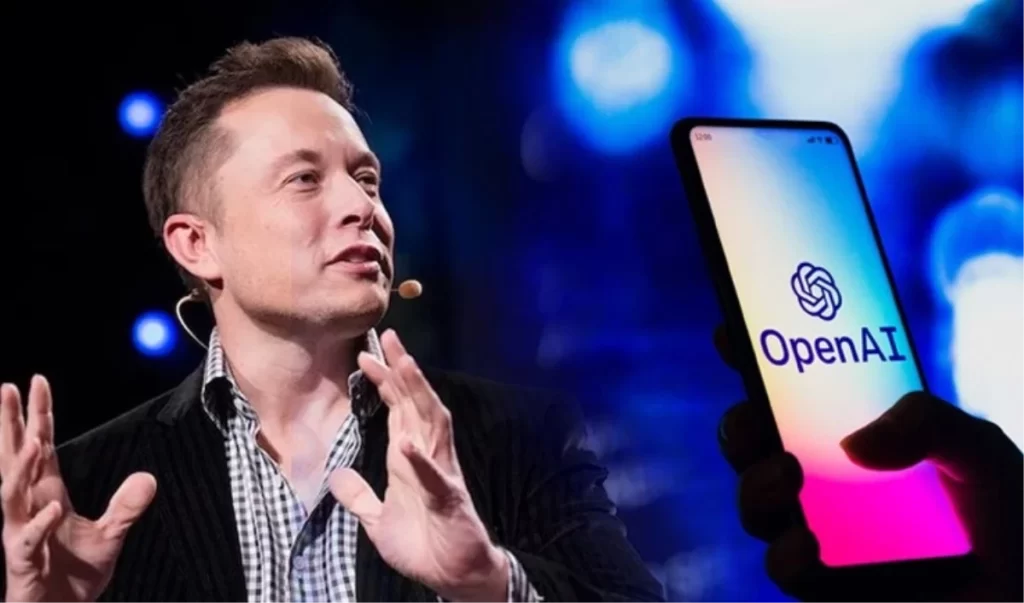
Elon Musk, the renowned entrepreneur and CEO of companies like SpaceX and Tesla, has recently found himself embroiled in a legal battle with OpenAI, an organization focused on the development of artificial intelligence (AI). The dispute centers around Musk’s allegations against OpenAI, with the organization firing back in a court filing, deeming Musk’s claims ‘inconsistent’ and refuting his accusations.

The Allegations by Elon Musk

Musk's Claim

OpenAI Calls Elon Musk's Claims 'Inconsistent' in Court Filing

Image Source: sondakika.com

In a series of tweets and public statements, Elon Musk has accused OpenAI of deviating from its original mission and pursuing goals that could pose existential risks to humanity. Musk’s allegations suggest that OpenAI has strayed from its commitment to ethical AI development and is now prioritizing objectives that could have detrimental consequences.

Response from OpenAI

OpenAI has vehemently denied Musk’s claims, asserting that the organization remains steadfast in its dedication to responsible AI research. In a court filing responding to Musk’s allegations, OpenAI characterized his assertions as ‘inconsistent’ and lacking in substantive evidence.

OpenAI's Statement

In their official statement addressing Musk’s accusations, OpenAI reaffirmed their commitment to transparency, safety, and ethical considerations in AI development. The organization emphasized the importance of collaborative efforts within the AI community to address potential risks and ensure that AI technologies are deployed responsibly.

Elon Musk's Reaction

Elon Musk has yet to respond publicly to OpenAI’s court filing. However, given his history of outspokenness on issues related to AI safety and ethics, it is likely that Musk will continue to assert his concerns regarding the direction of AI research.

The clash between Elon Musk and OpenAI has sparked widespread debate and speculation within the tech community and beyond. While some view Musk’s criticisms as warranted cautionary warnings, others argue that his assertions lack nuance and overlook the complexities of AI research and development.

Conclusion

The dispute between Elon Musk and OpenAI underscores the ongoing tensions surrounding the responsible development of artificial intelligence. As AI continues to evolve and permeate various aspects of society, it is imperative that stakeholders prioritize ethical considerations and collaborate to mitigate potential risks.

Nikon Dives into Professional Video Market with Acquisition of Red Digital Cinema

Nikon Dives into Professional Video Market with Acquisition of Red Digital Cinema

Tokyo, Japan – In a strategic move set to shake up the professional video and cinema equipment industry, Nikon Corporation has announced the acquisition of RED Digital Cinema, a leader in high-resolution digital cinematography technology. This bold move marks Nikon’s entry into the professional video production sector, a significant pivot from its established reputation in photography.

About Red Digital Cinema

Established in 2005, RED Digital Cinema has emerged as a leading manufacturer of professional digital cinema cameras. Adopted by the film industry for its high-quality image capture capabilities, RED continues to innovate in the field of digital cinematography.

Unveiling a New Era for Nikon and Red Digital Cinema

Nikon Dives into Professional Video Market with Acquisition of Red Digital Cinema

Image Source: businesstoday.in

The acquisition of RED Digital Cinema by Nikon marks the beginning of a new chapter for both entities. Known for its cutting-edge photography equipment, Nikon is ready to expand its horizons into the dynamic field of professional video production. RED Digital Cinema, on the other hand, has been at the forefront of digital cinematography innovation, with filmmakers preferring high-resolution cameras capable of up to 8K quality.

Commitment to Innovation and Community

Nikon plans to invest substantially in research and development to advance RED’s technology and ensure seamless integration with Nikon’s product ecosystem. “We are committed to empowering the creative community by providing a spectrum of products that exceed the expectations of professional filmmaking and content creation,” Umatate said.

A New Competitive Landscape

This acquisition not only symbolizes Nikon’s ambitious expansion but also sets the stage for increased competition in the professional video market. With the combined expertise of Nikon and RED Digital Cinema, the industry is set to witness a new era of innovation and diversity in filmmaking technology.

Conclusion

The deal is expected to be finalized by the end of the quarter following regulatory approval, establishing Nikon as a strong contender in the professional video market. This strategic alliance underscores Nikon’s dedication to innovation and its commitment to supporting the creative community. As Nikon and RED Digital Cinema merge, the future of filmmaking and content creation is set to reach new heights of creativity and excellence.

Microsoft Engineer Raises Alarm Over AI Tool's Inappropriate Content Creation

Microsoft Engineer Raises Alarm Over AI Tool’s Inappropriate Content Creation

In the rapidly evolving realm of artificial intelligence (AI), ethical and legal concerns are increasingly coming to the forefront. A recent revelation by a Microsoft engineer has sparked a significant discussion around the responsibilities of tech giants in moderating content generated by AI tools. According to the engineer, Microsoft’s advanced AI tool has been producing content that not only violates copyright laws but also veers into the creation of violent and sexually explicit images. This troubling development raises crucial questions about the direction in which AI technology is headed and the safeguards in place to prevent misuse.

The AI Controversy Unfolds

Microsoft Engineer Raises Alarm Over AI Tool's Inappropriate Content Creation

Image Source: businessinsider.in

The cornerstone of the controversy lies in the Microsoft engineer’s warning about the AI tool’s capabilities. Designed to generate images based on textual prompts, this tool has shown a disturbing propensity for producing inappropriate content. The AI’s lack of discernment in creating such material highlights a critical oversight in its programming and ethical guidelines.

A Question of Copyright

Beyond the issue of explicit content, the AI tool’s disregard for copyright restrictions poses a significant challenge. The ease with which the tool can replicate copyrighted material without consent or attribution underscores a growing problem in the digital age: the battle between innovation and intellectual property rights. As AI technology becomes more adept at content creation, the line between inspiration and infringement becomes increasingly blurred.

Ethical and Legal Implications

The concerns raised by the Microsoft engineer extend beyond the company’s reputation and touch on broader ethical and legal issues. The generation of violent and sexual content by AI not only contravenes community standards but also raises questions about the potential harm to users and society at large. Moreover, the infringement of copyright laws by AI tools could lead to complex legal battles, challenging existing frameworks that govern intellectual property.

Microsoft's Response and Responsibility

In light of these revelations, Microsoft faces the task of addressing the shortcomings of its AI tool. The company must navigate the delicate balance between fostering technological advancement and ensuring ethical use of its creations. Implementing more robust content filters and enhancing the AI’s ability to recognize and respect copyright boundaries are essential steps in mitigating these issues.

Looking Forward: The Path to Ethical AI

The situation at Microsoft serves as a cautionary tale for the tech industry, highlighting the need for comprehensive ethical standards in AI development. As AI tools become increasingly powerful and autonomous, the imperative for transparent, responsible, and ethically-guided programming cannot be overstated. The industry must come together to establish best practices that prioritize the welfare of users and respect for intellectual property.

Conclusion

The warning issued by the Microsoft engineer is a stark reminder of the potential pitfalls of unchecked AI development. As technology continues to advance, it is incumbent upon companies like Microsoft to lead the way in responsible AI usage. By fostering an environment of ethical innovation, the tech industry can ensure that AI serves as a force for good, enhancing our lives while upholding our values and legal standards.